
Stepping into the Gothic Quarter Barcelona, known locally as the Barri Gotic, feels like walking through a portal into another century. The hum of modern city traffic fades away, replaced by the resonance of footsteps on cobblestones and the mysterious shadows cast by centuries-old stone walls. This historic district is the beating heart of the city, where Roman foundations meet medieval grandeur in a mesmerizing dance of time.
The Roman Origins of Barri Gotic
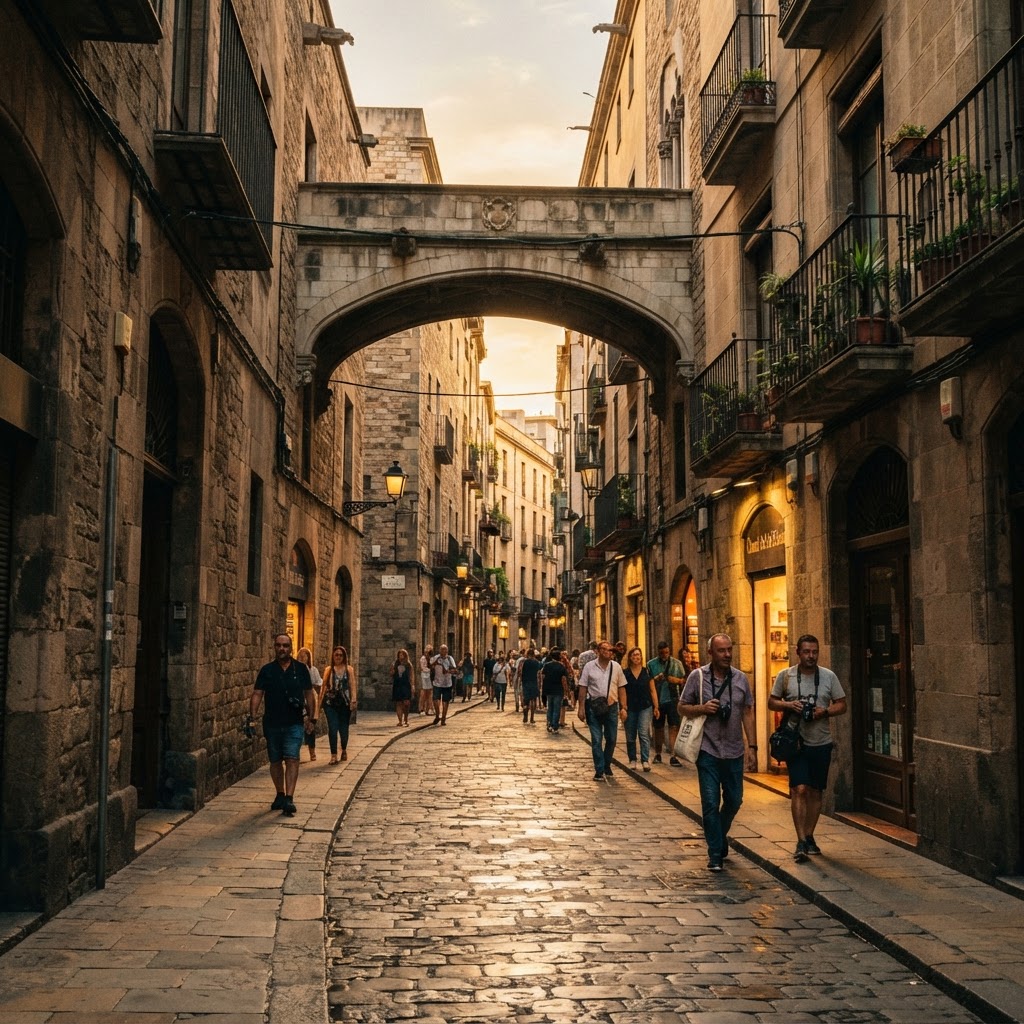
The history of this neighborhood begins long before the medieval era. Known to the Romans as Barcino, the area served as a fortified military colony established by Augustus around 15 BC. If you look closely at the walls near the Cathedral or the Plaça Nova, you can still spot the remnants of the ancient Roman gates and towers.
Walking Among Ancient Ruins
Visiting the MUHBA Temple d’August is essential for anyone interested in the city’s deeper history. Inside this small space, you will find four towering columns that once supported the Temple of Augustus. It is a profound experience to realize that this structure has stood for two millennia while the bustling city grew up around it.
The Architectural Marvels of the Middle Ages
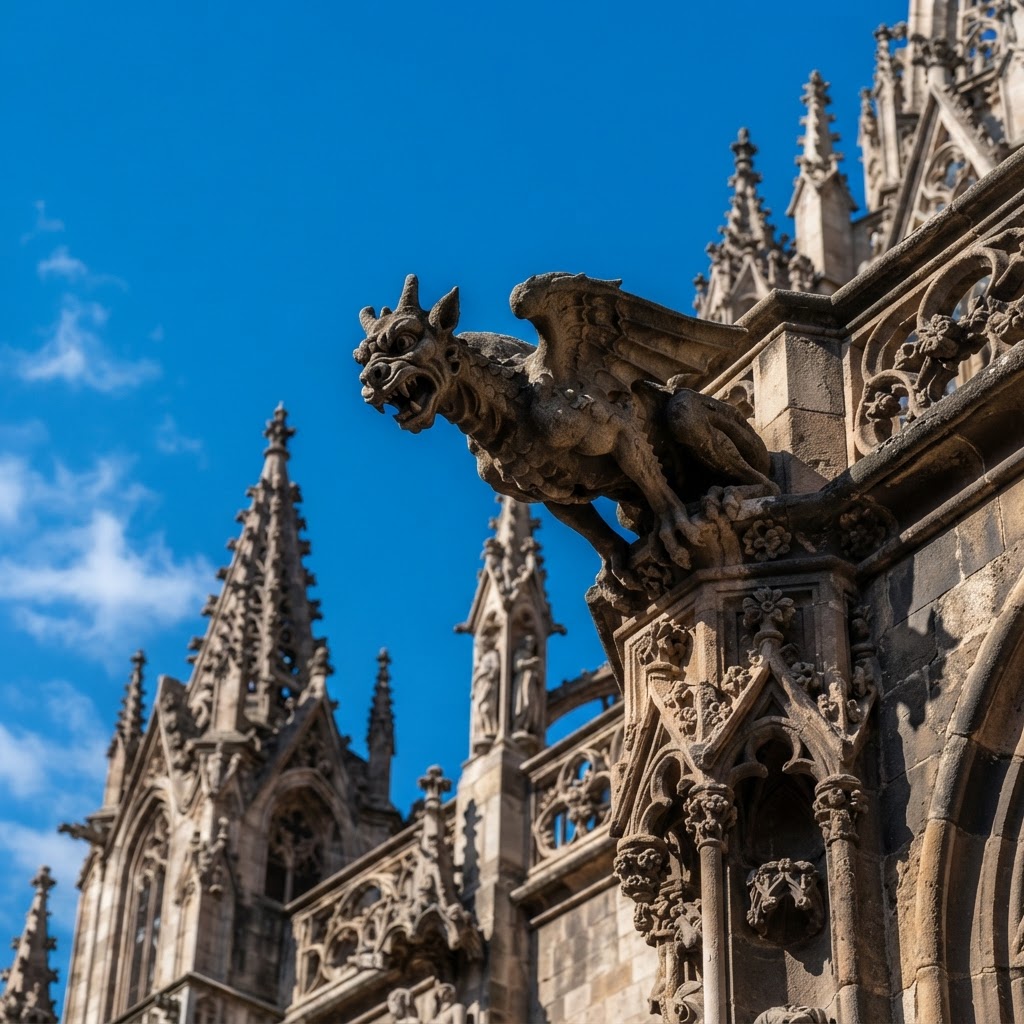
As you wander through the labyrinthine alleys, the most dominant feature is the Barcelona Cathedral, or La Seu. This masterpiece of Catalan Gothic architecture features intricate gargoyles, soaring vaulted ceilings, and a tranquil cloister filled with geese—a local tradition that dates back hundreds of years.
Why the Gothic Style Persists
The term ‘Gothic Quarter’ is actually a bit of a misnomer. While many of the buildings date back to the 13th and 14th centuries, much of the area was restored and ‘Gothic-ified’ in the early 20th century to boost tourism and national identity. Despite these additions, the sense of authenticity remains intact, especially when you find yourself in the quiet, shadowed corners of the Jewish Quarter, or El Call.
Hidden Plazas and Secret Squares
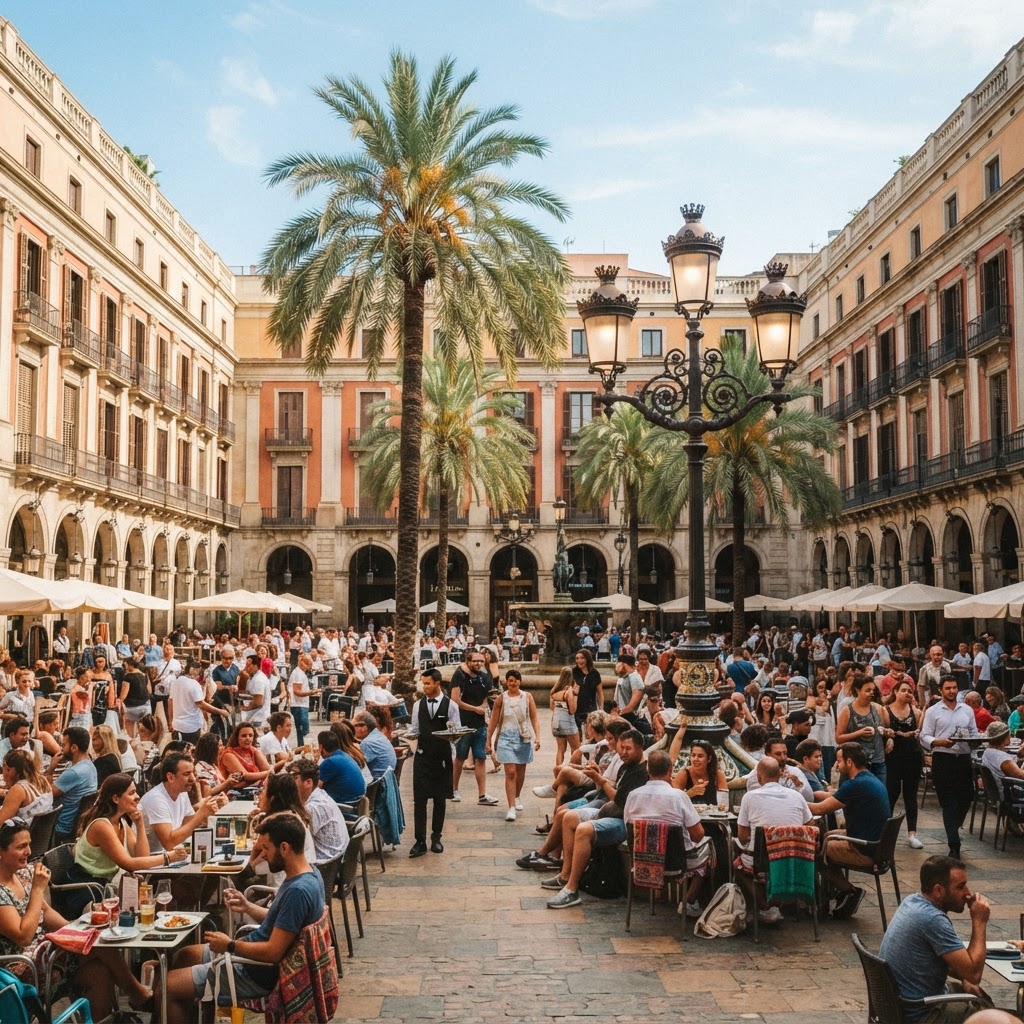
One of the greatest joys of exploring the Barri Gotic is discovering the hidden plazas that seem to appear out of nowhere. Plaça de Sant Felip Neri is perhaps the most poignant, characterized by its somber history and the scars on its walls from the Spanish Civil War. It is a place of reflection that offers a quiet escape from the main tourist drags.
The Grandeur of Plaça Reial
In stark contrast to the somber squares is Plaça Reial. This grand, palm-fringed plaza is a triumph of 19th-century urban design, featuring ornate lampposts designed by a young Antoni Gaudí. It is the perfect place to sit, enjoy a coffee, and watch the world go by under the Mediterranean sun.
Gastronomy and Nightlife in the Labyrinth
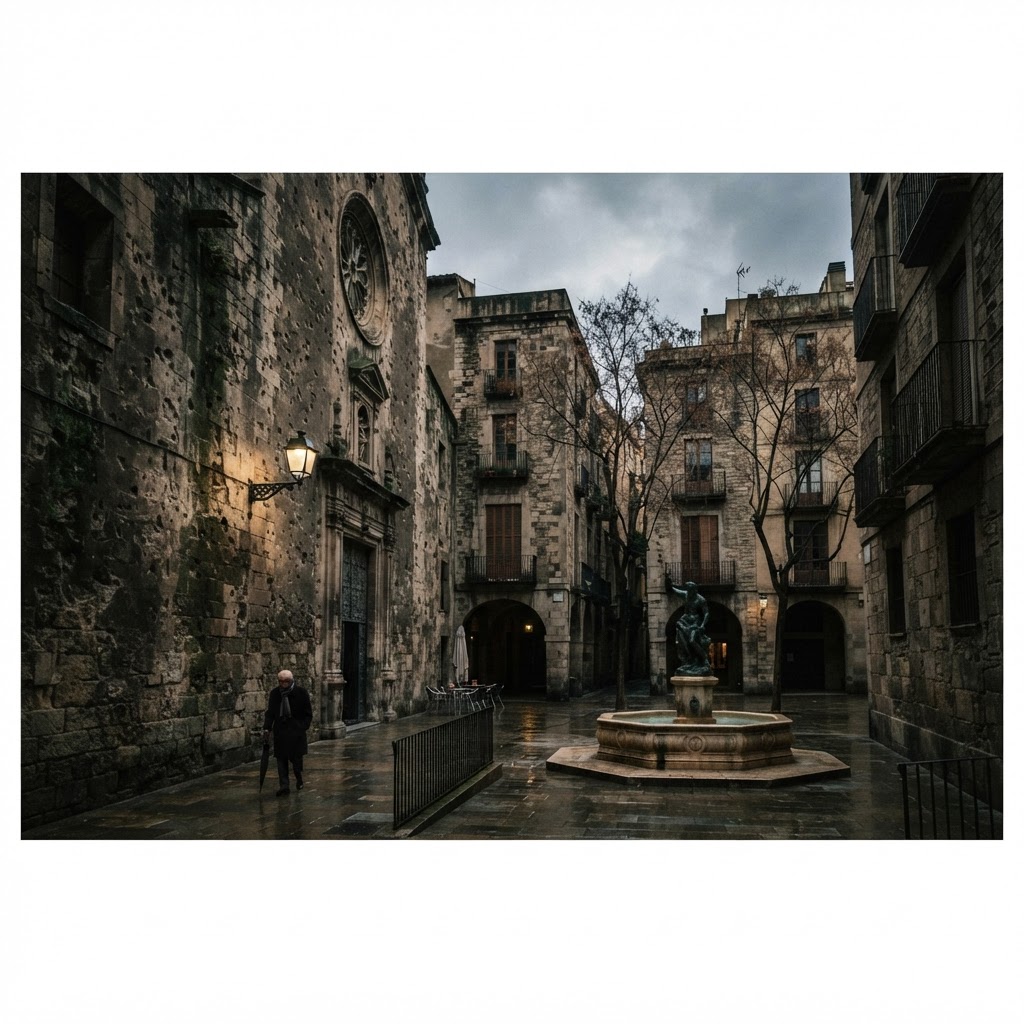
The Gothic Quarter is not just an open-air museum; it is a living, breathing neighborhood filled with culinary delights. From historic taverns serving traditional tapas to avant-garde restaurants pushing the boundaries of Catalan cuisine, there is something for every palate here.
Where to Eat and Drink
For a truly authentic experience, visit the old-school bodegas that have served locals for generations. Look for places that still pour wine from barrels and serve simple plates of olives, cured meats, and ‘pan con tomate.’ Avoid the tourist-trap menus with pictures on the front; instead, duck into the narrow side streets where the locals linger.
Essential Travel Tips for Visitors
Navigating the Barri Gotic requires a good pair of walking shoes and a willingness to get lost. The streets here were designed for horses and pedestrians, not cars, which means GPS can sometimes struggle with the tall, narrow buildings and tight alleyways. Embracing the ‘getting lost’ part is part of the magic.
Best Time to Explore
If you want to experience the true soul of the neighborhood, arrive early in the morning before the tour groups descend. Alternatively, visit in the late evening when the streetlights cast a golden, cinematic glow over the stone facades, making the area feel like a film set.
Understanding the Cultural Significance
This district represents the evolution of Catalonia. It houses the Palau de la Generalitat and the Barcelona City Hall, proving that even in the heart of the medieval city, the pulse of modern government beats strong. The blend of administrative power and historic charm is what makes this area unique.
A Guide to Cultural Etiquette
As you walk through the residential parts of the Gothic Quarter, please remember that this is a home for thousands of people. Respect noise levels, keep the plazas clean, and support local businesses rather than big international chains to ensure the neighborhood retains its unique character.
Conclusion
The Gothic Quarter Barcelona is more than just a cluster of old buildings; it is a narrative of resilience, artistic passion, and profound history. Whether you are a history buff, an architecture enthusiast, or simply a traveler looking for the soul of Catalonia, the Barri Gotic delivers an unforgettable experience. Plan your trip, lace up your comfortable shoes, and prepare to lose yourself in the magic of the Old World. Have you visited the Gothic Quarter yet? Share your favorite hidden spot in the comments below!
Leave a Reply