
Stepping off the sun-baked, cobblestone streets of Seville into the cool, silent embrace of a traditional patio is like finding a secret garden hidden in the heart of a bustling city. The hidden courtyards of Seville are more than just architectural features; they are the literal and metaphorical lungs of the Andalusian capital, offering a sanctuary of shade, scent, and serenity. Often tucked behind heavy, unassuming wooden doors, these spaces represent a centuries-old tradition of privacy and beauty that defines the spirit of Southern Spain. For the curious traveler, discovering these secret pockets of tranquility is the ultimate way to peel back the layers of Seville’s complex history and vibrant culture.
The Architectural Magic of Andalusian Patios
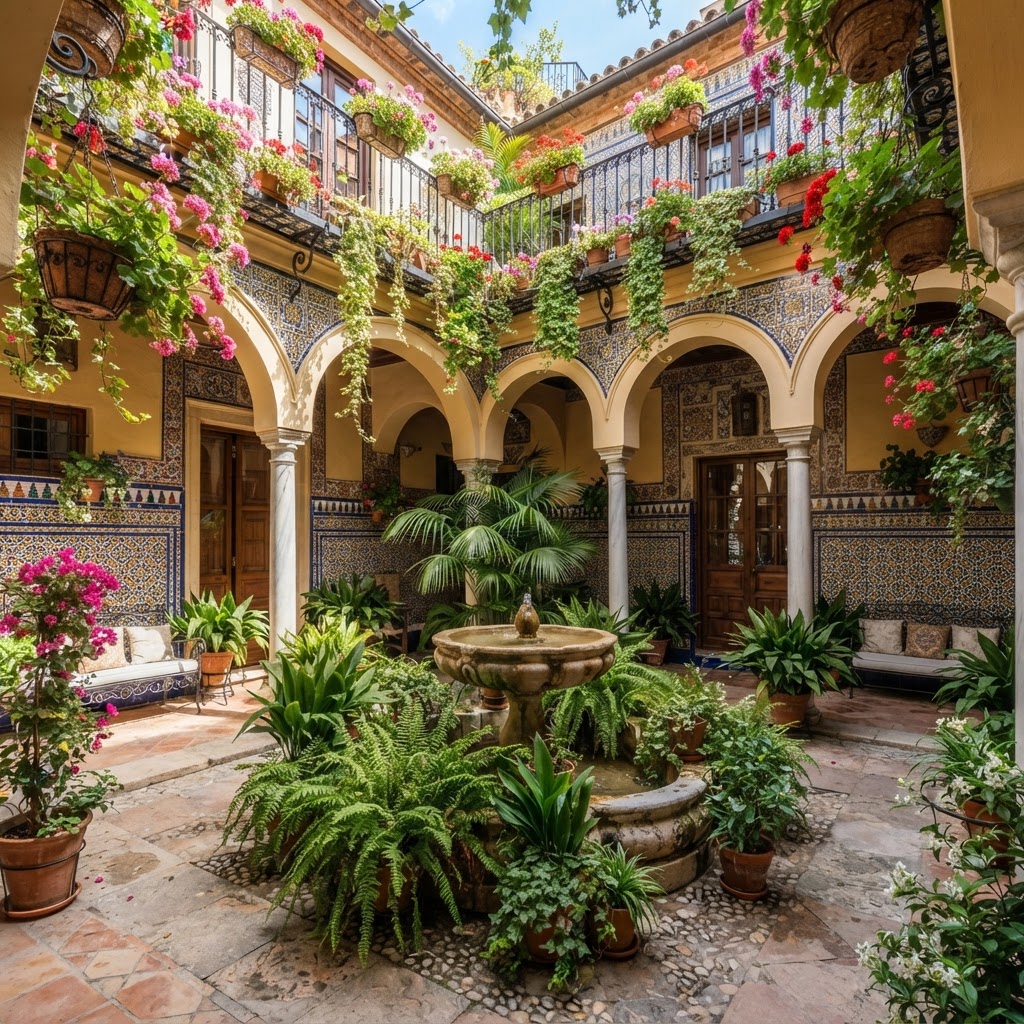
At the core of every beautiful patio is a fascinating mix of Roman, Moorish, and Renaissance influences. The architecture of these courtyards is designed specifically to combat the sweltering heat of the Seville summer. By focusing inward on an open-air central space, the design allows for natural air circulation, cooling the living quarters while providing a lush green environment. The floors are often decorated with intricate, hand-painted geometric tiles known as azulejos, while the walls are typically washed in a brilliant, lime-based white to reflect the harsh sunlight.
The Role of Mudejar Influence
Many of the most breathtaking hidden courtyards of Seville feature Mudejar-style architecture, a unique blend of Christian and Islamic artistic traditions. You will notice the use of horseshoe arches, elaborate stucco work, and ornate plaster carvings that whisper tales of the city’s complex multi-cultural past. These spaces often contain a central fountain or a shallow pool, which served as both a practical source of water and a spiritual element, representing the ‘paradise on earth’ concept central to Islamic garden design.
Why Courtyards Are the Soul of Seville
Beyond their aesthetic value, these patios are deeply rooted in the social fabric of the city. In the past, the courtyard was the primary living room for families, a place where business was conducted, children played, and evening conversations flowed over glasses of sherry. While modern life has changed some of these dynamics, the cultural reverence for the patio remains strong, particularly during the annual Patios of Seville competition, where homeowners open their private sanctuaries to the public.
Life Behind the Doors
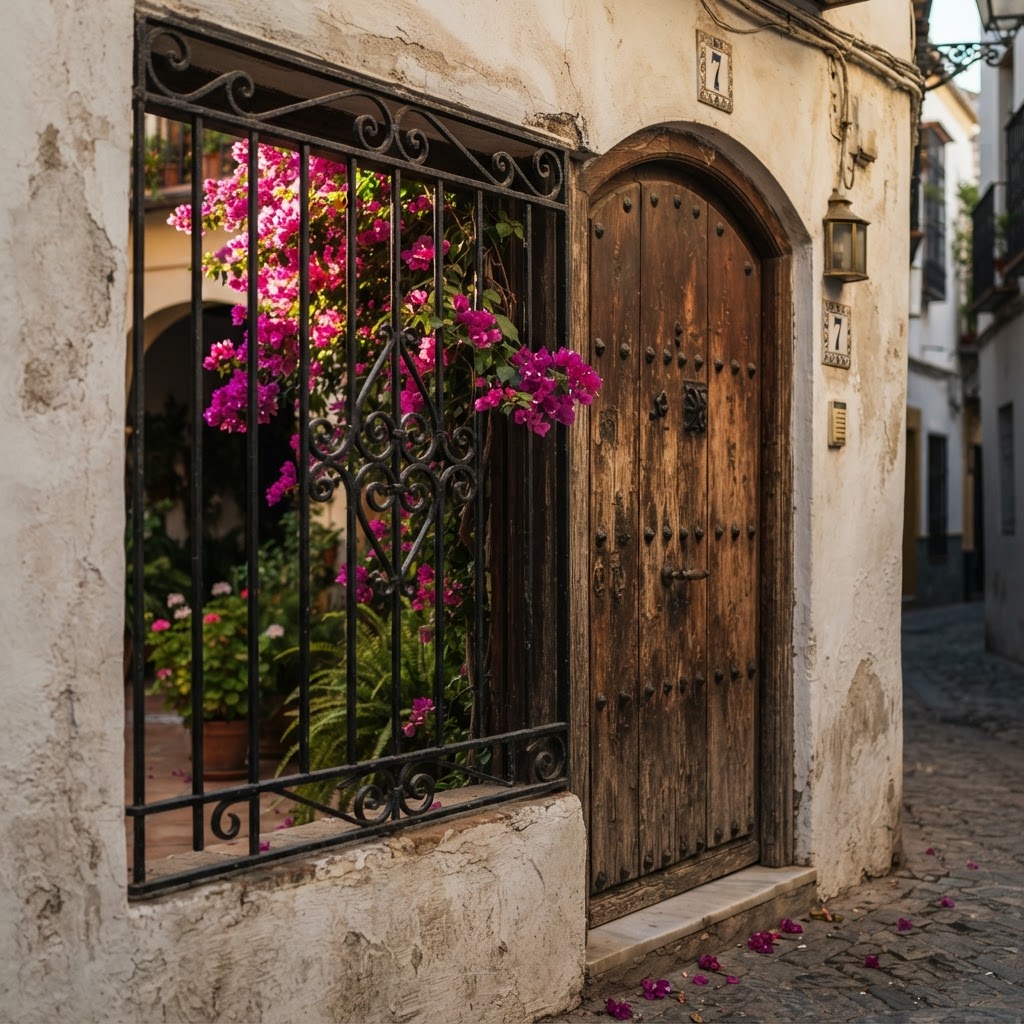
Living in an old sevillano house means maintaining a delicate balance between public and private life. The heavy wooden doors, often fitted with a ‘portillo’ or small viewing hatch, protect the inhabitant’s privacy while hinting at the lush greenery hidden within. Visitors often catch glimpses of hanging flower pots, climbing jasmine, and vibrant bougainvillea spilling over balconies, creating a living tapestry that changes with the seasons.
Top Hidden Courtyards You Can Actually Visit
While many of these spaces remain private, several historic houses and institutional buildings have opened their doors, allowing tourists to experience the magic of Seville’s hidden courtyards firsthand. These locations are the perfect starting point for your exploration, offering a look at both grand, aristocratic patios and the humble, traditional layouts that define the city.
| Location | Type of Courtyard | Best Time to Visit |
| :— | :— | :— |
| Casa de Pilatos | Renaissance/Mudejar | Early Morning |
| Palacio de Las Dueñas | Private/Botanical | Mid-week |
| Hospital de los Venerables | Baroque | Late Afternoon |
| Palacio de la Condesa de Lebrija | Roman/Mudejar | Weekend |
The Grandeur of Casa de Pilatos
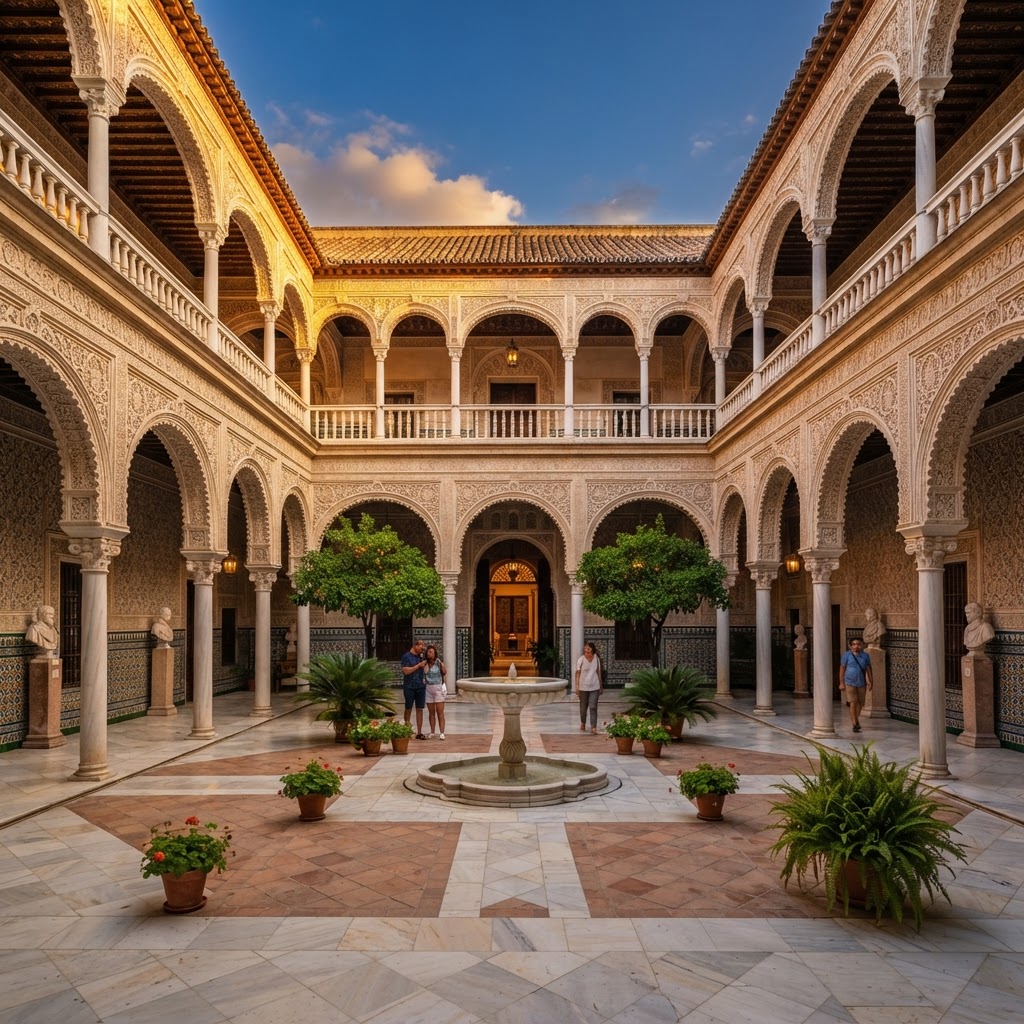
Casa de Pilatos is perhaps the most famous example of a palace courtyard, but it remains a masterclass in design. Its main patio is a symphony of marble columns, intricately carved arches, and classical statues that demonstrate the wealth of the noble families who once lived here. Unlike the smaller, more intimate patios of the city, this one is built on a grand scale, designed to impress and provide a cool setting for political and social gatherings.
Unearthing Secrets in the Santa Cruz Quarter
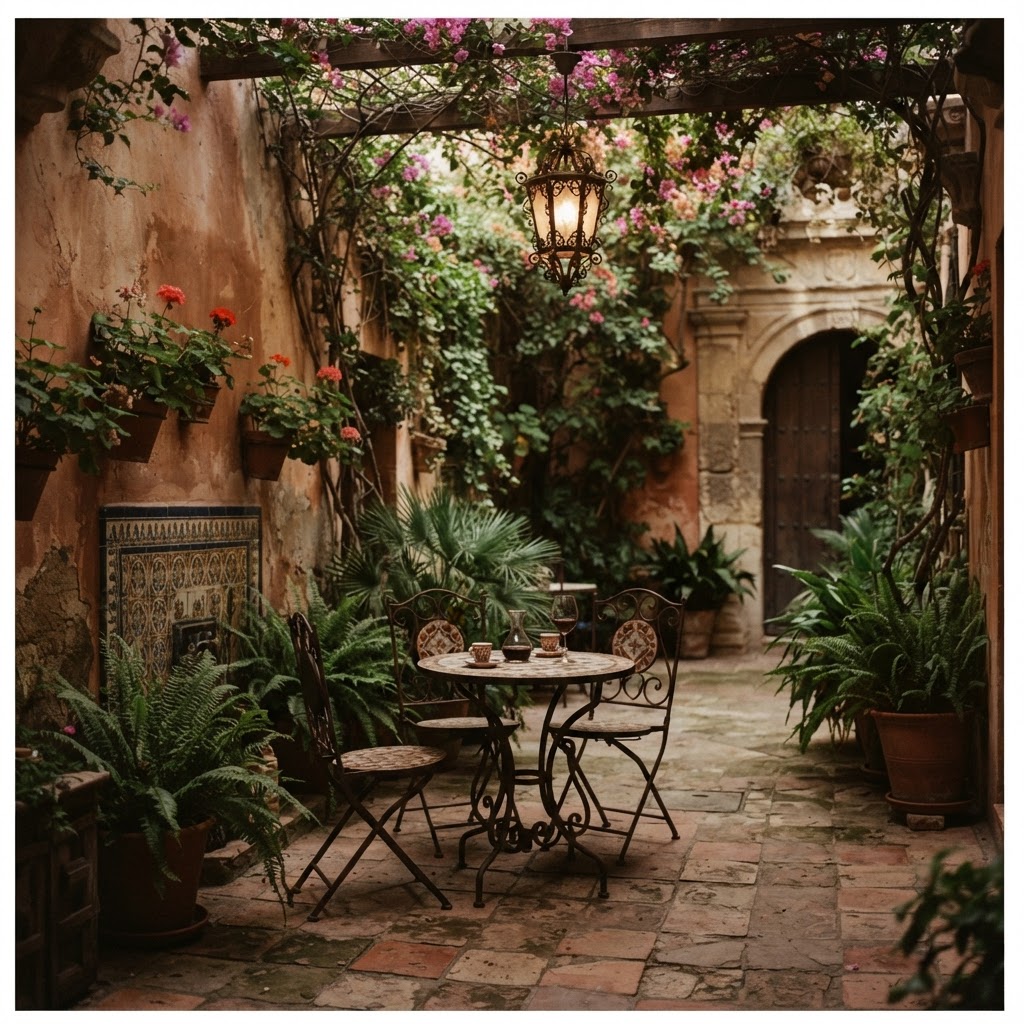
Walking through the narrow, labyrinthine streets of the Barrio Santa Cruz is a must for any visitor. Here, the hidden courtyards are often smaller, more personal, and deeply tucked away from the main tourist paths. The charm lies in finding an open door, a sliver of light illuminating a fountain, or the unmistakable scent of orange blossoms escaping from a concealed garden.
Finding the Best Angles
To capture the essence of these spaces, focus on the details. Look for the contrast between the deep shadows of the arches and the vibrant, sun-drenched pots of geraniums. If you are lucky enough to be invited into a private home or a small boutique hotel courtyard, respect the quiet nature of the space—this is a sanctuary, not just a photo opportunity.
Maintenance: The Art of the ‘Patiero’
Keeping a traditional patio in Seville is an act of love and immense labor. The ‘patieros’ or caretakers spend hours each day tending to the plants, cleaning the marble floors, and ensuring the fountains are running. It is a tradition passed down through generations, where the specific arrangement of ferns, roses, and aromatic herbs is considered a family legacy.
Seasonal Changes in the Courtyard
Spring is undoubtedly the best time to see these courtyards at their peak. During the month of May, the air in Seville is thick with the scent of jasmine and orange blossom, and the patios are in full bloom. In contrast, winter brings a different, quieter atmosphere, where the focus shifts to the structural beauty of the architecture and the evergreen plants that survive the cool, damp months.
Tips for Responsible Exploration
When searching for these hidden gems, remember that many are private residences. Always look for signage indicating whether a patio is open to the public, and be mindful of your volume. Many of the most beautiful spots are found in small boutique hotels or museums that allow access for a small fee, which helps with the expensive maintenance of these historic sites.
Respecting the Silence
The most important rule in the hidden courtyards of Seville is to honor the silence. These are spaces designed for reflection and rest, away from the chaos of the outside world. When you enter, take a moment to sit, breathe, and appreciate the cooling effect of the water and the gentle rustle of leaves against the tile walls.
Conclusion
The hidden courtyards of Seville are the city’s best-kept secret, offering a unique window into the soul of Andalusia. From the grand, tile-covered palaces of the nobility to the quiet, flower-filled corners of local family homes, these spaces represent a timeless commitment to beauty and comfort. As you walk the streets of Seville, remember to look beyond the facade; the most memorable part of your trip might just be the quiet, cool sanctuary waiting behind a heavy wooden door. Have you found your favorite hidden courtyard in Seville yet? Share your experiences in the comments below and start planning your next journey to the heart of Spain today!
Leave a Reply