
Hidden Gems in Seville: Beyond the Tourist Trail
To experience the authentic soul of Seville, visit off-the-beaten-path locations like the Macarena district, the Hospital de los Venerables, and the artisan workshops of Triana. These hidden gems allow travelers to escape the crowded tourist centers and engage with the city’s true architectural, culinary, and historical heritage.
Uncovering the Secrets of the Macarena District
Far removed from the bustling crowds of the Cathedral, the Macarena neighborhood offers an authentic glimpse into the daily life of locals. This area is steeped in religious significance and history, housing the iconic Basilica de la Macarena. However, the true treasure lies in the winding side streets where elderly residents sit on their doorsteps and the scent of jasmine hangs heavy in the air.
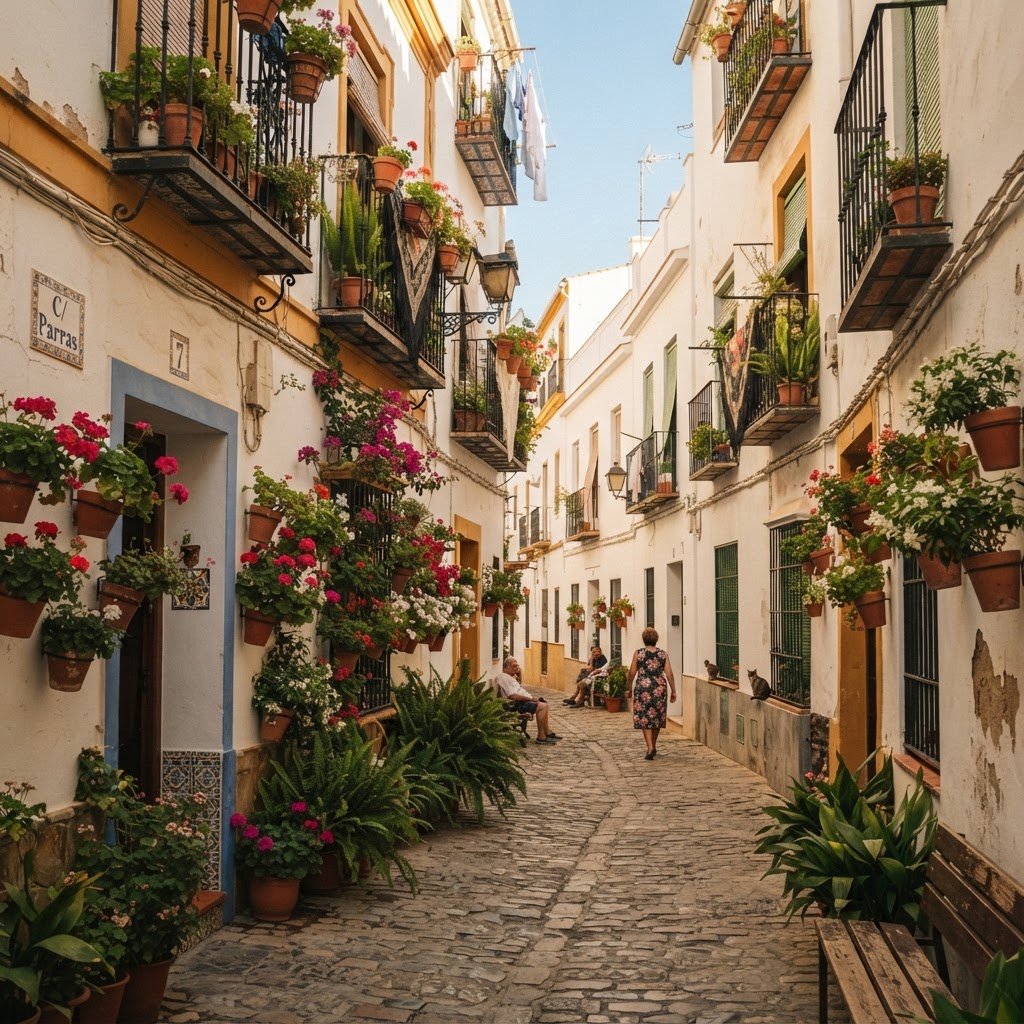
Walking through these narrow corridors feels like stepping back in time. You will find small, family-owned bodegas that have served the same clientele for generations. These establishments rarely see tourist traffic, offering a genuine taste of local tapas paired with crisp fino sherry. Be sure to explore the remnants of the old Roman wall that once protected the city, providing a stark contrast to the modern vibrancy that breathes through the district today. For those seeking depth, the Macarena remains the city’s most genuine district, often overlooked by those sticking to the central tourism radius.
The Quiet Majesty of Hospital de los Venerables
Located in the heart of the Santa Cruz quarter, the Hospital de los Venerables is frequently overlooked by those rushing to the nearby Real Alcázar. This 17th-century baroque building was originally constructed as a residence for elderly, indigent priests. Today, it serves as a stunning art gallery that houses the Velázquez Center.
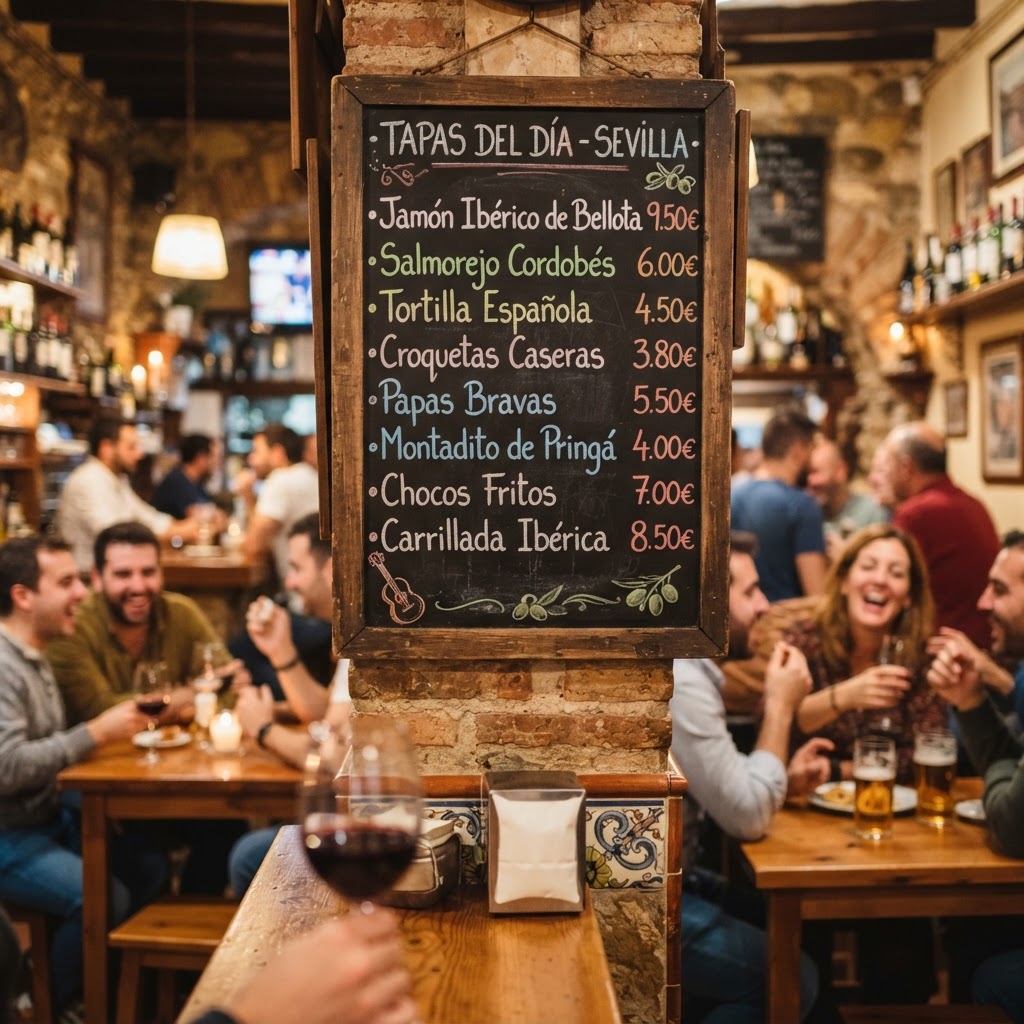
Beyond the art, the architecture itself is a marvel of tranquility. The interior courtyard, adorned with classic Sevillian tiles and a central fountain, provides a meditative atmosphere that is rare to find in such a popular part of the city. Taking the time to wander through its silent halls allows for a deeper appreciation of the religious and social history that shaped Seville during its golden age. The gallery houses significant pieces by Diego Velázquez, born in Seville in 1599. Entrance fees are approximately €5.50, a small price to pay for solitude in a neighborhood otherwise overflowing with tourists. Visiting smaller museums, like this one, supports preservation efforts for sites that do not receive the same government funding as larger state-run landmarks.
Why Visiting Smaller Museums Matters
Smaller museums like the Hospital de los Venerables offer a more intimate experience. You can study the brushstrokes of masterpieces without jostling for position. Furthermore, the entrance fees typically support the preservation of historic sites that do not receive the same government funding as the larger, world-famous attractions.
Hidden Courtyards and Architectural Oddities
Seville is defined by its courtyards, known as patios, which serve as the city’s architectural lungs. While many are hidden behind locked iron gates, several public buildings and cultural centers open theirs to the curious traveler. One such spot is the Casa de Salinas, a private palace that occasionally opens its doors. Here, you can witness the intersection of Gothic, Mudejar, and Renaissance styles in a single, perfectly preserved residence. Entry is usually by guided tour, costing around €10-€12, offering a 45-minute deep dive into 16th-century aristocratic life.
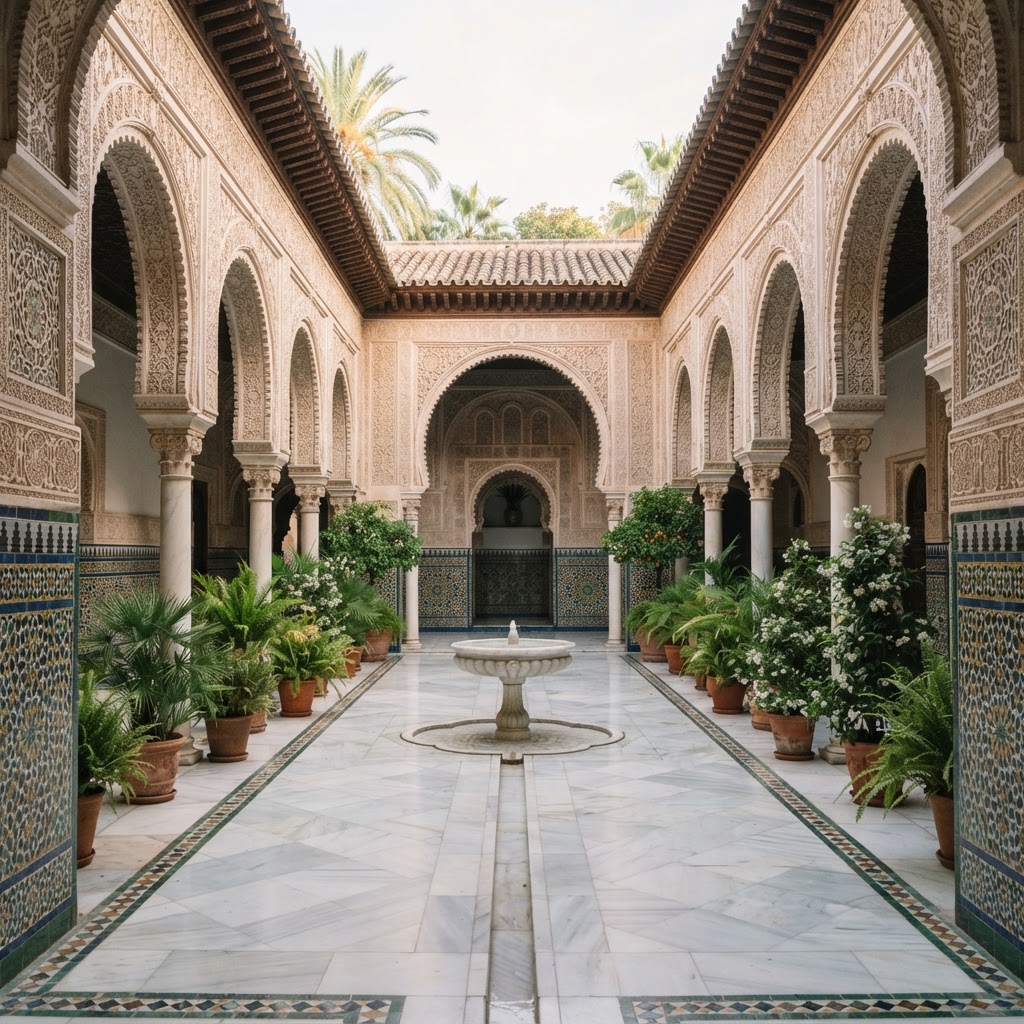
Another architectural curiosity is the Torre de Don Fadrique. Tucked away within a convent courtyard, this 13th-century tower is a rare example of early Gothic architecture in a city dominated by Mudejar design. It stands as a silent sentinel of the city’s complex and layered past, representing a fusion of cultures that is uniquely Sevillian. Unlike the Giralda, which attracts thousands daily, the Torre de Don Fadrique offers a glimpse of medieval Seville without the queue or the noise. It is an essential stop for those who value architectural history over mass-market photo opportunities.
The Authentic Culinary Scene: Tapas Beyond Tourist Menus
To find the authentic culinary spirit of the city, you must head toward the Alameda de Hércules, which has transformed from a rugged area into a bohemian hub filled with independent eateries. Most visitors stick to the main squares, which often leads to overpriced and subpar culinary experiences. The Alameda area, by contrast, is where you find the local heart of the city’s dining culture.
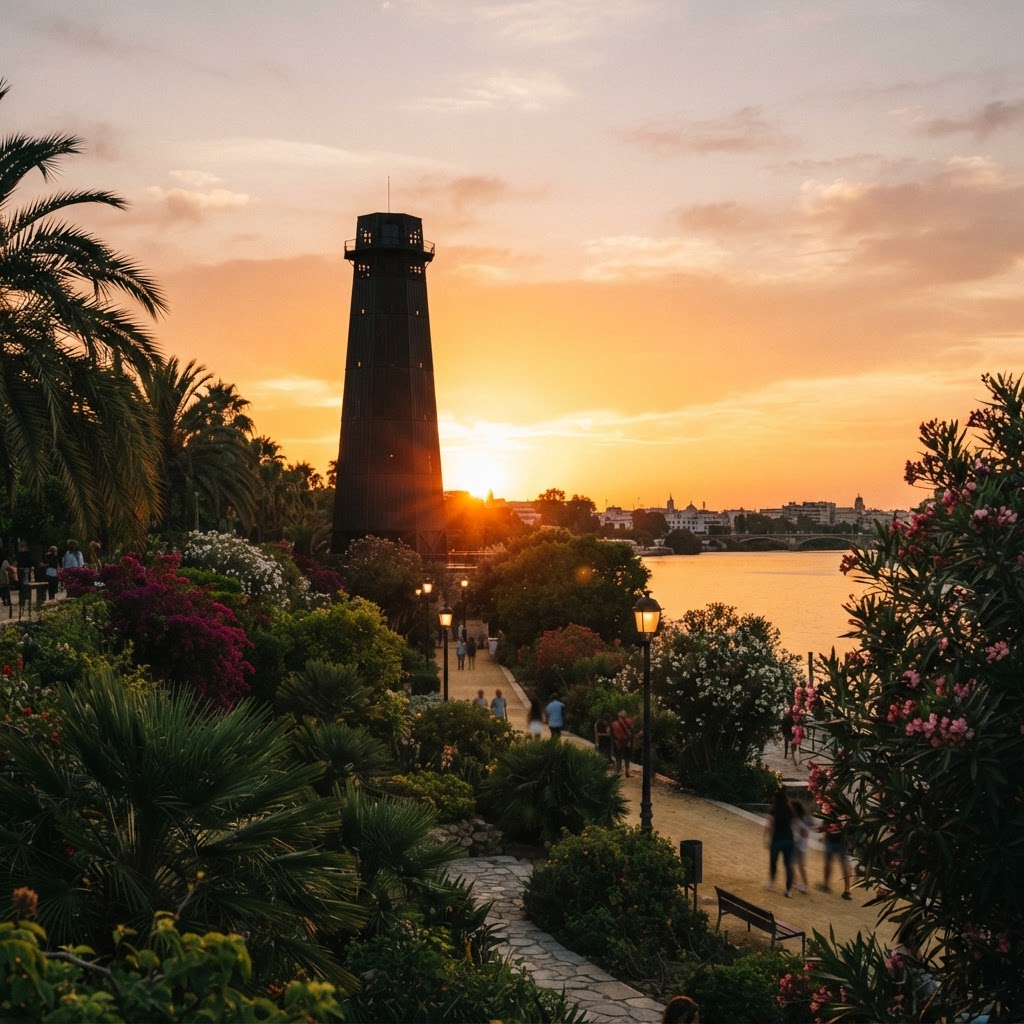
Look for bars that do not have printed menus in four different languages. In Seville, the best places often write their daily specials on a chalkboard perched behind the bar. If you see locals standing at the counter eating spinach with chickpeas (espinacas con garbanzos) or fried dogfish (cazón en adobo), you have found an authentic gem worth experiencing. Prices at these local haunts typically range from €2.50 to €4.00 per tapa. Always embrace the “tapeo” culture: instead of committing to a large sit-down meal, wander from bar to bar. Order one drink and one tapa at each location, allowing you to sample a wider variety of flavors while interacting with the local community in a relaxed, standing-room-only environment.
Tips for Navigating Local Taverns
Always embrace the “tapeo” culture. Instead of committing to a large sit-down meal, wander from bar to bar. Order one drink and one tapa at each location, allowing you to sample a wider variety of flavors while interacting with the local community in a relaxed, standing-room-only environment.
Gardens and Green Spaces Off the Radar
Seek out the Jardines del Valle for a serene, shaded escape from the blistering Andalusian sun. These gardens are remnants of an old monastery and remain one of the city’s most peaceful retreats, rarely filled with the crowds found in the popular Maria Luisa Park. It is the perfect place to sit with a book and watch the local children play among the orange trees, which bloom heavily in the spring.
Another fantastic spot is the Parque de los Perdigones, which features an old shot tower (Torre de los Perdigones) that has been converted into a unique observation point. This industrial relic, built in 1885, provides an industrial aesthetic that contrasts sharply with the manicured gardens surrounding it, offering a different perspective on Seville’s diverse history. The tower offers panoramic views of the city for a nominal fee, often less than €3.00, providing an alternative to the crowded Giralda lookout point. These green spaces allow for a moment of quiet reflection, helping travelers pace themselves through the intense heat of the Andalusian summer.
The Artistic Soul: Artisan Workshops in Triana
Across the river lies the neighborhood of Triana, historically the home of the city’s sailors, potters, and flamenco artists. While parts of Triana have become popular, the side streets still hold many secret artisan workshops. Here, you can watch masters crafting traditional ceramic tiles, known as azulejos, using techniques that date back to the Moorish era.
Engaging with these artists provides a profound connection to the local economy and culture. Buying a piece of handmade pottery is not just a souvenir; it is a tangible piece of Seville’s heritage that supports the craftsmen who keep these ancient trades alive in a world of mass production. Prices vary, but supporting these small studios keeps the Triana legacy alive. Look for shops along Calle Alfarería, where pottery workshops have operated for centuries. These masters often welcome visitors to watch the firing process, providing an educational experience that mass-produced souvenir shops simply cannot match.
FAQ
What are the best hidden gems in Seville for first-time visitors?
The best hidden gems include the Hospital de los Venerables for baroque art, the Macarena district for local culture, and the ceramic workshops of Triana. These spots offer a significantly more authentic experience than the main tourist zones near the Cathedral and Alcázar.
Where can I find authentic tapas in Seville?
Head to the Alameda de Hércules and look for bars without multi-language printed menus. The best spots display daily specials on a chalkboard and are filled with locals standing at the counter, serving traditional dishes like espinacas con garbanzos or cazón en adobo.
Is it worth paying to enter private palaces in Seville?
Yes, private palaces like Casa de Salinas are worth the entry fee, typically ranging from €10 to €12. They provide an exclusive, quiet look at historical architecture and cultural layers that you cannot experience in free public spaces or overcrowded landmarks.
What is the best way to get around Seville’s hidden gems?
Walking is the best way to explore, especially in the historic center and Triana. The city is highly walkable, and exploring by foot allows you to discover secret courtyards and small artisan shops that are invisible when traveling by bus or taxi.
How much should I budget for a typical day of local exploration?
A budget of €40-€60 per day is sufficient to cover entry fees for museums, various tapas at local bars, and moderate drinks. This allows you to experience high-quality local culture without the inflated costs of tourist-trap restaurants and souvenir shops.
Leave a Reply