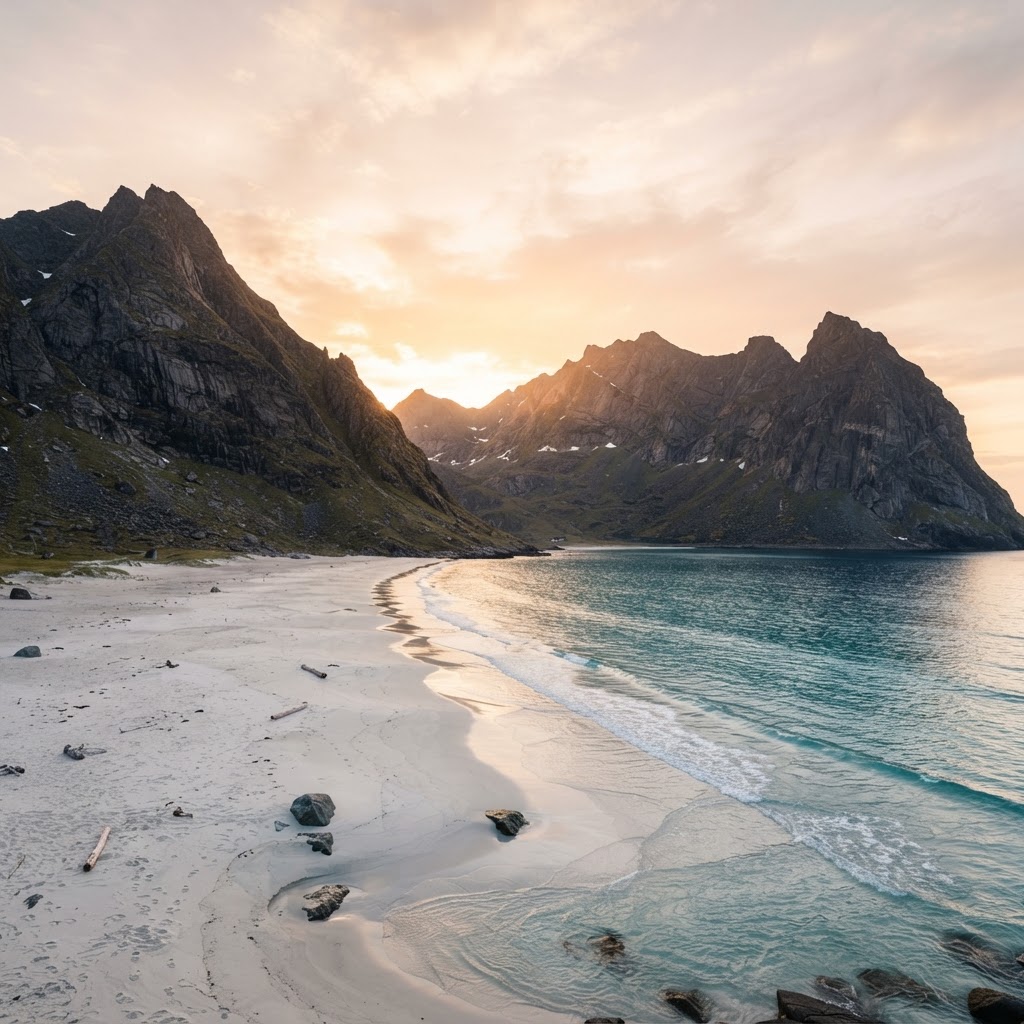
Hidden Gems of the Lofoten Islands: A Traveler’s Guide
The most secluded hidden gems of the Lofoten Islands include Horseid and Bunes beaches, the quiet fishing village of Fredvang, and the challenging hiking trails of Helvetestinden. These locations offer authentic Arctic solitude away from the heavily congested E10 tourist corridor, provided travelers utilize reliable transportation and respect fragile ecosystems.
The Allure of Undiscovered Lofoten
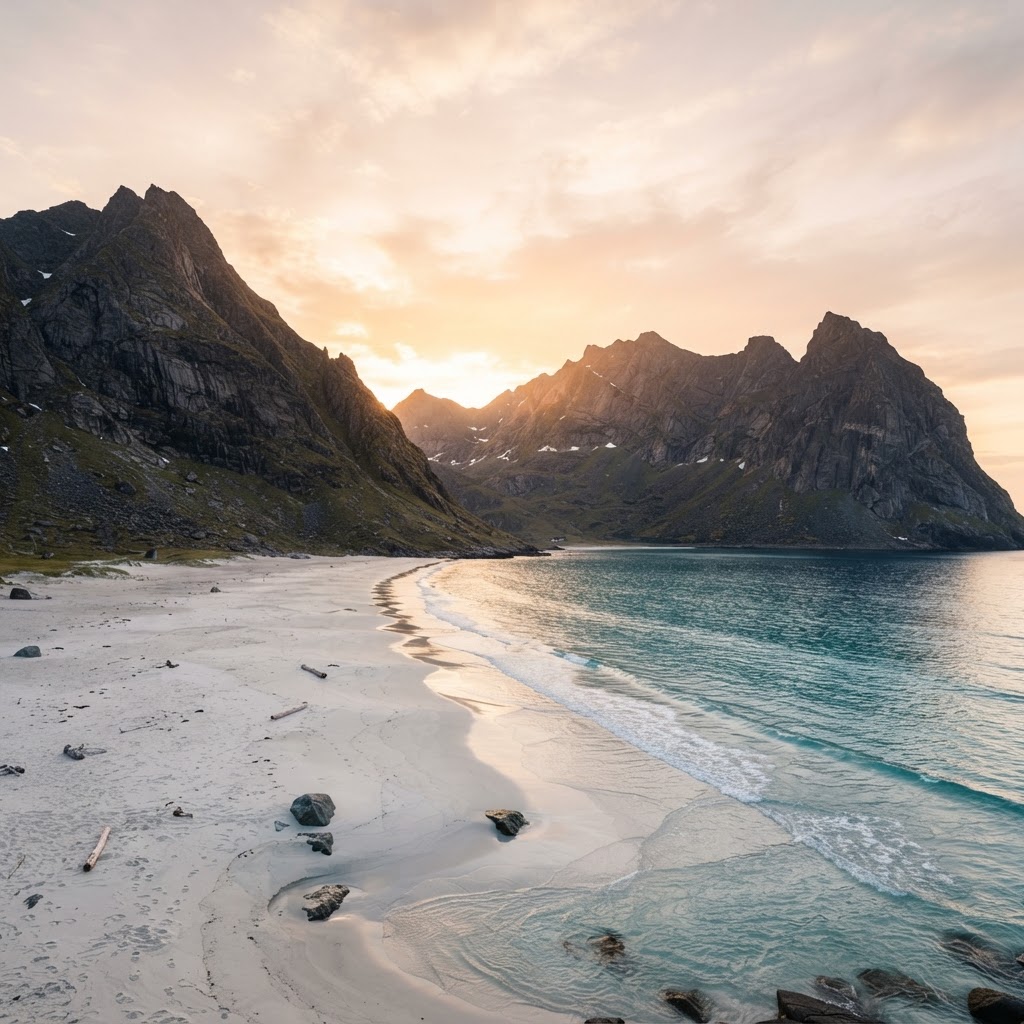
The magic of the Lofoten Islands lies in their dramatic transformation from jagged mountain peaks to deep, crystalline fjords, but true exploration requires venturing beyond the standard E10 route. While mainstream itineraries focus on Reine and Svolvær, the authentic heart of the archipelago is found in remote corners that demand physical effort, such as navigating gravel roads or embarking on multi-hour treks. By choosing less-visited locations, travelers gain access to a profound sense of isolation that is increasingly rare in modern tourism. This deeper engagement allows visitors to experience the archipelago’s rugged rhythm without the interference of commercial tour crowds, turning a standard sightseeing trip into a transformative Arctic expedition. Finding these spots requires curiosity and a robust rental car, as public transit is limited in remote areas like Flakstadøya. Whether you are wandering a pristine coastline or standing on a summit in absolute silence, these hidden gems offer a raw connection to Northern Norway that few tourists ever witness. As of 2024, the best way to maintain this solitude is to travel during the “shoulder” months, where visitor density drops by approximately 40% compared to July.
Why Seek Out the Lesser-Known Spots?
Seeking out hidden gems allows you to experience the authentic culture and natural rhythms of local fishing communities without the interference of massive tour groups. It offers the rare opportunity to stand on a beach in total silence or find a mountain summit where your only company is the occasional wandering sheep. This deeper level of engagement transforms a standard vacation into a transformative arctic adventure.
Exploring the Secluded Beaches of the West Coast
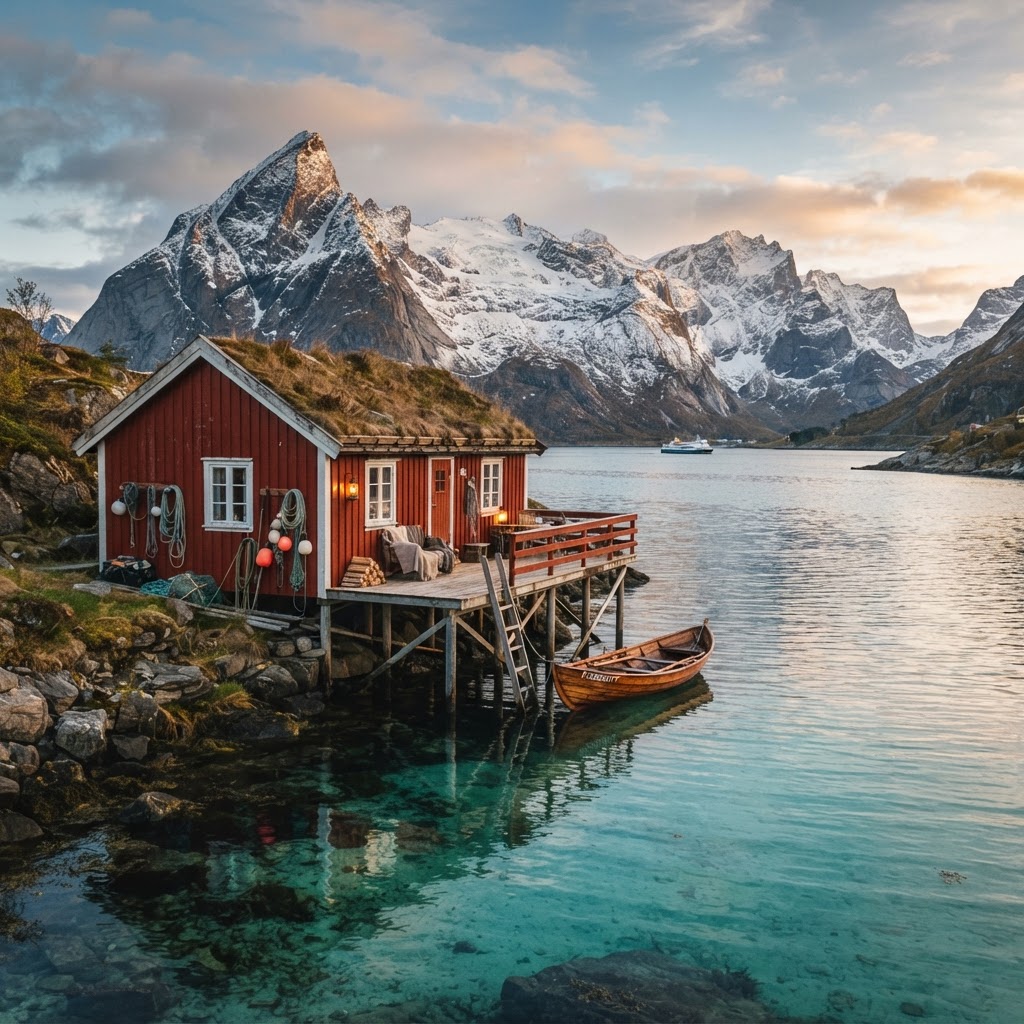
While Haukland and Uttakleiv beaches receive most of the attention due to their road accessibility, the rugged west coast of Flakstadøya and Moskenesøya hides stretches of sand that are arguably more spectacular and isolated. These secluded beaches are often shielded by steep, towering mountain walls, making them accessible only via remote hiking trails that deter casual day-trippers. The visual contrast of turquoise Arctic water against the dark, jagged granite rock formations creates a landscape that feels entirely otherworldly. For instance, reaching Horseid Beach requires a 1.5-hour hike over a mountain pass from Selfjord, a journey that naturally filters out crowds. Similarly, Bunes Beach is reached by taking the ferry from Reine to Vinstad, followed by a scenic walk, which limits the number of visitors at any given time. These locations are not merely scenic; they serve as critical reminders of the region’s geological history and the power of the Norwegian Sea. When visiting, always check tide charts, as some of these beaches can become inaccessible during high tide. The following table compares these hidden spots to the popular, accessible alternatives to help you plan your trek.
| Beach Name | Access Difficulty | Best For | Popularity Level |
|---|---|---|---|
| Haukland | Very Low | Families / Sunset | High |
| Kvalvika | Moderate | Photography | Medium |
| Horseid | High | Total Isolation | Low |
| Bunes | High | Landscape Scale | Low |
Secret Beaches Worth the Trek
- Horseid Beach: This stunning stretch of sand is shielded by massive mountains and is only reachable by a hike across the pass from Selfjord.
- Bunes Beach: Known for its sheer scale, Bunes offers a vast expanse of white sand that feels like the end of the world.
- Kvalvika Beach: Although growing in popularity, visiting during the off-season provides a private sanctuary under the midnight sun.
Preparing for Your Beach Hike
It is essential to remember that even in the summer, the Arctic weather is fickle. Always carry a waterproof jacket, sturdy hiking boots, and enough water for the full duration of your trip. The terrain can be muddy and steep, so trekking poles are highly recommended for those looking to reach these hidden gems safely.
Small Fishing Villages Beyond the Main Hubs
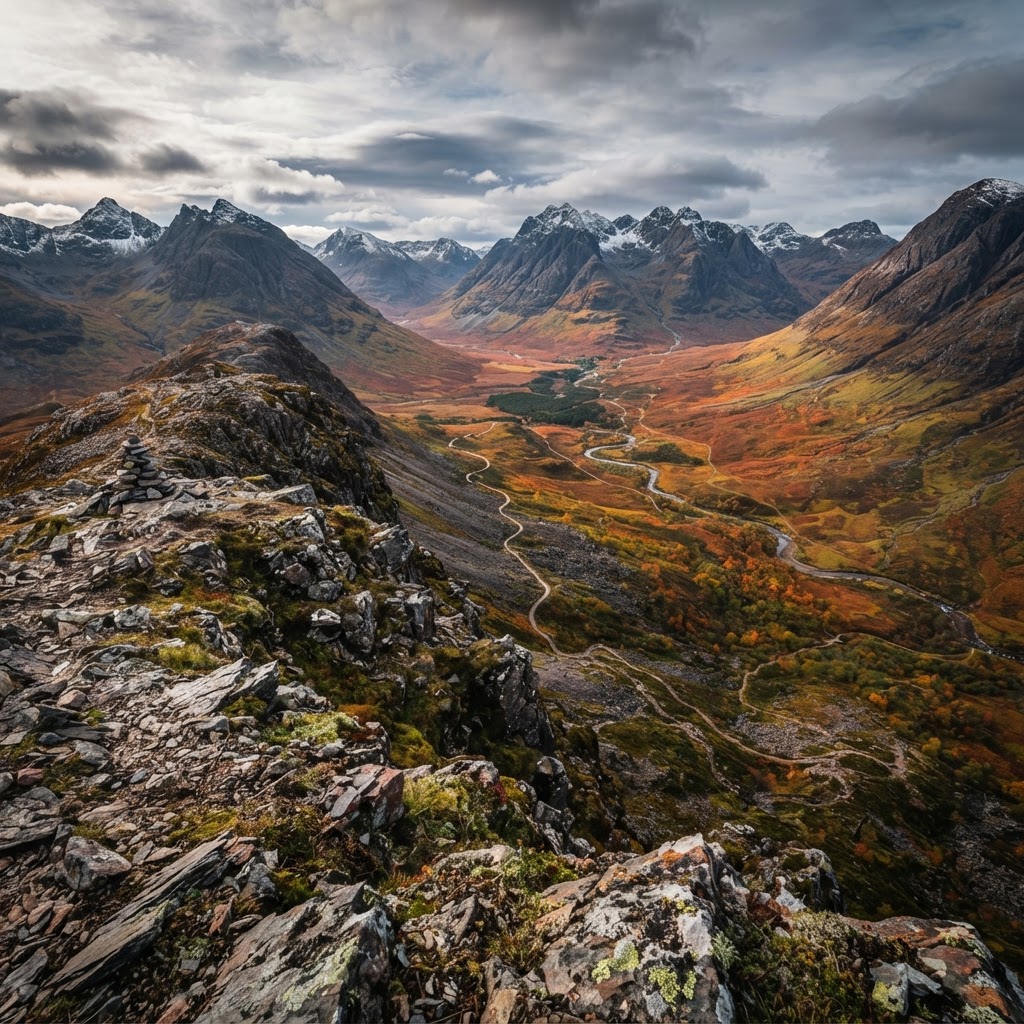
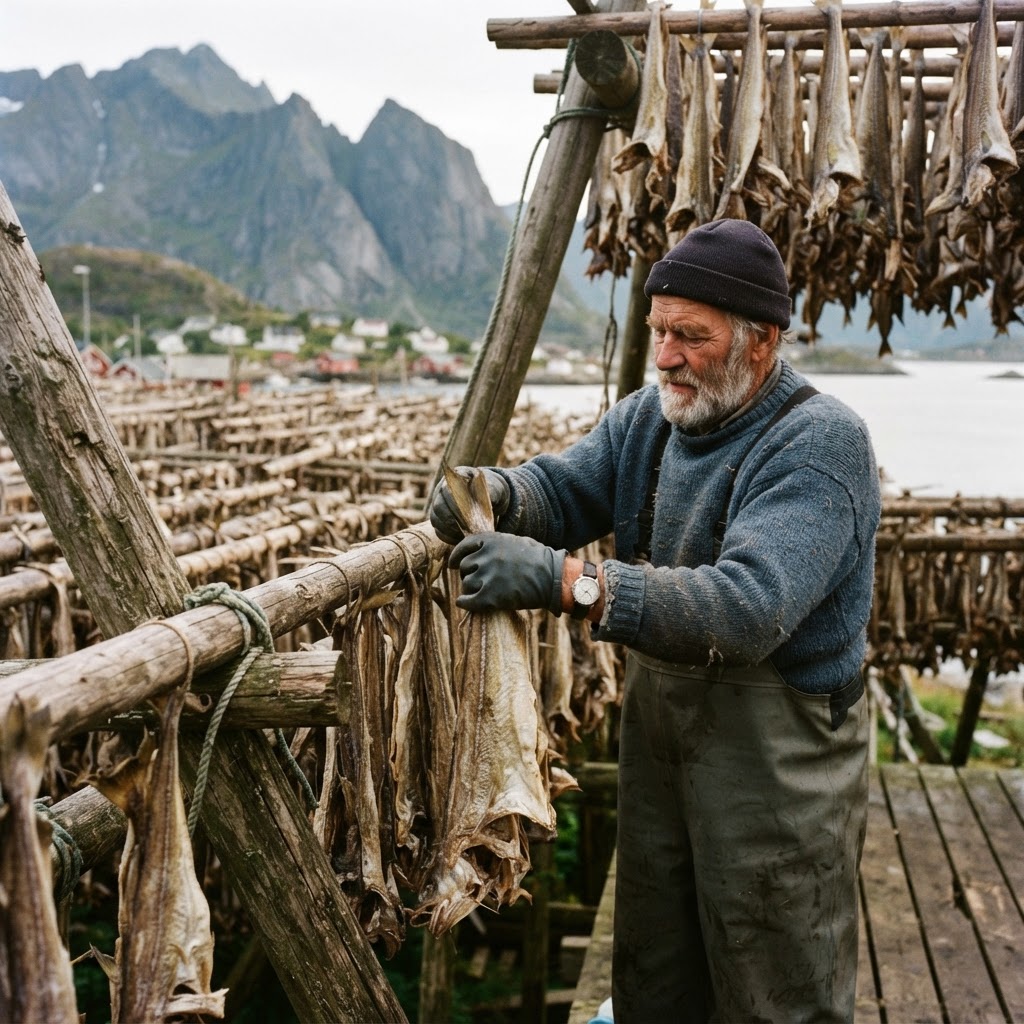
Most travelers head straight to Reine or Nusfjord, but villages like Å and Fredvang offer a more intimate look at maritime life where the traditions of the “Lofotfisket” (the seasonal cod fishery) are still palpable. These remote settlements retain their authentic character, with colorful rorbuer—traditional wooden fishing cabins—still actively used by locals rather than just for high-end tourist rentals. Walking through the quiet streets of Fredvang, you can clearly smell the salt air and the distinct, savory scent of stockfish drying on large wooden hjell racks, a practice that has sustained the island economy for over 1,000 years. Fredvang is particularly unique because it sits at the edge of the open ocean, connected to the mainland by two iconic suspension bridges, providing a stark architectural contrast to the surrounding wilderness. Unlike the busy ports of Svolvær, these villages offer a glimpse into the slow-paced reality of Arctic life, where the arrival of a supply boat remains a significant community event. Visitors here can often find smaller, independent galleries that are rarely listed in major guidebooks, showcasing local artisans who work with traditional materials like wool and sea glass. Engaging with the community here is respectful and slow; it is common to find locals willing to share stories of the sea if approached with genuine interest during the quiet morning hours.
The Charm of Fredvang
Fredvang is uniquely situated at the end of a bridge, nestled between towering peaks and the open ocean. It serves as an incredible gateway to several long-distance hiking trails, yet it remains relatively quiet compared to the southern villages. Here, you can find the silence needed to truly reflect on the awe-inspiring scale of the landscape.
Unveiling Lesser-Known Hiking Trails
For those who love to hike, the islands are a treasure trove of ridgelines and summits that few tourists dare to climb, offering a significantly higher risk-to-reward ratio than the well-trodden paths. While the Reinebringen stone steps have become a victim of their own popularity, resulting in massive queues and significant erosion, trails like Helvetestinden or the hike toward Munkebu offer equally staggering 360-degree vistas with a mere fraction of the foot traffic. Munkebu, specifically, provides access to the high-mountain plateau of Moskenesøya, where you can see crystal-clear tarns and massive granite faces that define the Lofoten aesthetic. Before embarking on these, it is critical to consult the Norwegian Trekking Association (DNT) maps to understand the difficulty grading of each route. Some paths, such as the approach to Helvetestinden, involve exposed scrambling which requires a steady head for heights and appropriate footwear. These routes are generally not marked with signs, meaning navigation skills are paramount. Remember that the weather in Lofoten is notoriously volatile; cloud cover can descend within minutes, turning a clear hike into a dangerous whiteout. Always check the local weather forecasts on yr.no, which is considered the gold standard for accurate Nordic meteorological data.
Safety and Preparedness in the Arctic Wilderness
When exploring these lesser-known paths, you are often beyond the reach of cellular signal. It is vital to download offline maps, carry a physical compass, and leave your itinerary with someone reliable. The weather in Lofoten can shift from sunshine to driving rain in a matter of minutes, so layering your clothing is a non-negotiable rule for safety.
Cultural Experiences Off the Beaten Path
Lofoten is not just about the mountains; it is also about the resilient culture of the people who call this harsh environment home. Beyond the museums, you can find profound cultural depth in small, independent galleries, local craft workshops, and hidden cafes tucked away in refurbished boat houses that serve traditional brown cheese and fresh waffles. These small businesses provide the best insight into the creative spirit that thrives in the extreme Arctic light, which many artists cite as the primary inspiration for their work. When visiting, try to seek out businesses that display the “Local Producer” mark, which guarantees that the goods were made on the archipelago. By supporting family-owned enterprises, your tourism dollars contribute directly to the maintenance of these small communities rather than to mass-market souvenir chains. This approach ensures that your visit leaves a positive footprint and helps keep traditional crafts, such as hand-knitting and woodworking, alive in the face of modern consumerism. These interactions are often the highlight of a trip, providing a human narrative to the dramatic natural scenery you have been exploring throughout the day.
Connecting with the Local Community
Supporting small, family-owned enterprises is a great way to ensure that your tourism leaves a positive footprint. Many local artisans are eager to share stories about their craft, providing a unique dimension to your travel experience that you simply won’t find in larger commercial establishments.
The Best Time to Explore Quiet Corners
Timing is everything when looking for solitude; while July and August offer the best weather, they coincide with the peak of the cruise ship season. The shoulder seasons of May, early June, and September provide the perfect equilibrium between accessible, snow-free hiking trails and significantly lower visitor numbers. For those interested in the Midnight Sun, visiting in early June allows for 24 hours of daylight without the mid-summer rush. Conversely, September brings the first signs of the Northern Lights, allowing you to view the Aurora Borealis in private, quiet settings far from the city lights of Svolvær. The following table highlights the trade-offs of visiting during different periods:
| Period | Weather | Crowd Level | Top Experience |
|---|---|---|---|
| May/June | Cool/Breezy | Low | Midnight Sun |
| July/August | Warm | High | Beach Hiking |
| September | Crisp/Variable | Medium | Northern Lights |
| Winter | Extreme | Very Low | Arctic Photography |
Maximizing Your Experience in the Shoulder Season
During May, you might catch the tail end of the snow on the peaks while the valleys begin to bloom. In September, the golden autumn colors start to creep over the tundra, creating a stark, breathtaking contrast against the blue ocean. Both periods are ideal for those who prefer peace and quiet over the intensity of the peak season.
Sustainable Travel in Fragile Ecosystems
As you seek out the hidden gems of the Lofoten Islands, remember the principles of ‘Leave No Trace.’ These delicate arctic ecosystems are highly susceptible to damage from excessive foot traffic. Stick to marked trails whenever possible, never pick wildflowers, and pack out every piece of trash you generate. Preserving these spots is the only way to ensure they remain ‘hidden’ and pristine for future generations.
Why Conservation Matters
Nature in the north is resilient against the elements but surprisingly fragile against human impact. By treading lightly, you respect the local environment and the heritage of the islanders who strive to protect their home from over-tourism. It is our collective responsibility to ensure that the beauty of Lofoten is enjoyed with mindfulness and care.
FAQ
Q: What is the most quiet month to visit the Lofoten Islands?
September is the quietest month for high-quality exploration; the summer crowds have dispersed, the hiking trails remain open, and the Northern Lights often begin to appear.
Q: Are the hidden beaches in Lofoten safe for swimming?
The water temperatures in Lofoten rarely exceed 10–12°C (50–54°F) even in summer. While swimming is possible, it is physically dangerous without a thick wetsuit due to the extreme risk of cold-water shock.
Q: Do I need a 4×4 vehicle to access hidden gems?
While a 4×4 is not mandatory for the main roads, it is highly recommended for reaching the gravel tracks leading to remote trailheads. Ensure your rental agreement covers driving on unpaved surfaces.
Q: Is it possible to see the Northern Lights at hidden locations?
Yes, hidden, remote locations are actually better for viewing the Aurora Borealis. By avoiding the light pollution of Svolvær or Reine, you achieve the dark-sky conditions necessary for high-intensity viewing.
Q: What is the most important item to pack for remote hiking?
Beyond standard gear, a physical topographic map and a GPS beacon are essential. Cellular coverage is frequently non-existent in the remote valleys and coastal areas between the main islands.
Leave a Reply