
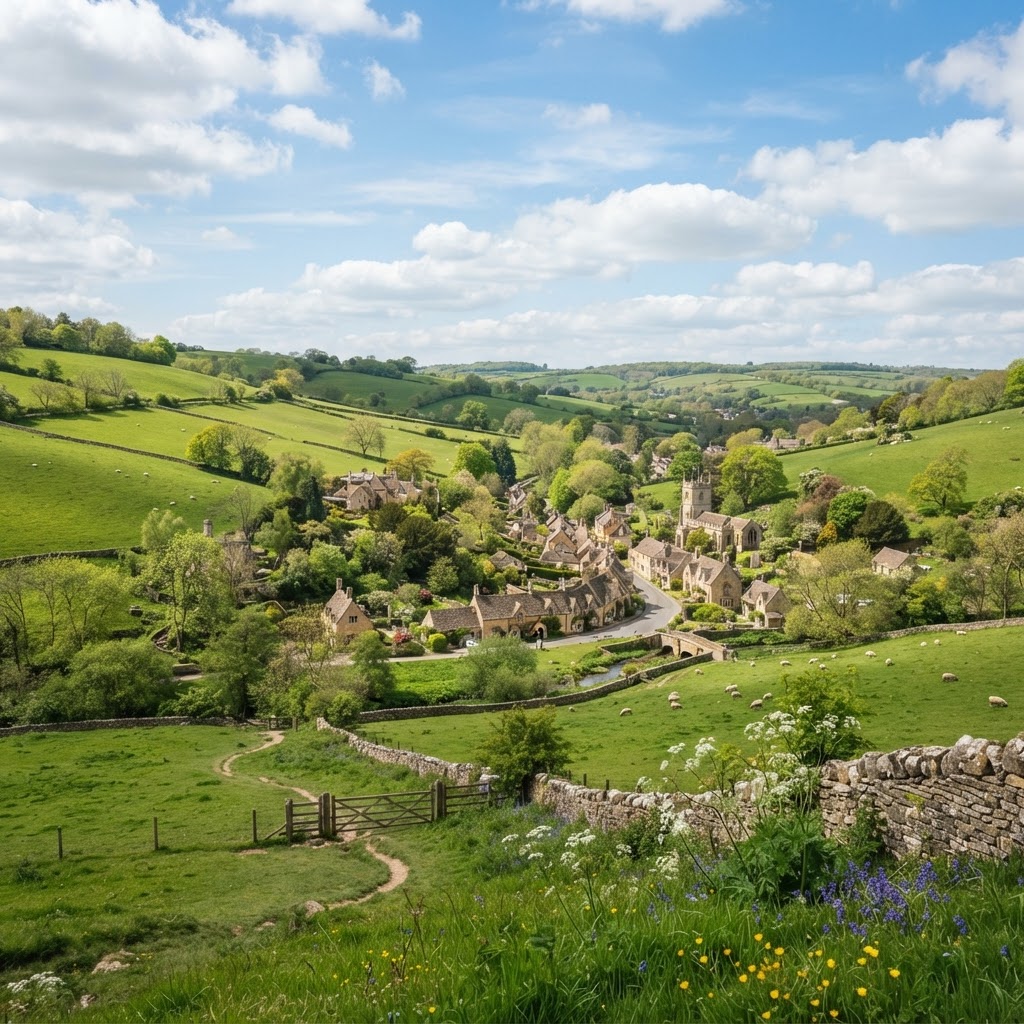
Stepping into the Cotswolds feels like walking through the pages of a well-worn storybook. The rolling green hills, the winding country lanes, and the gentle bleating of sheep create a landscape that has charmed travelers for centuries. But it is the distinctive architecture that truly defines this Area of Outstanding Natural Beauty. Known as honey-stone villages, these settlements are built from the local Jurassic limestone, a warm, golden-hued rock that seems to glow even on the grayest of English days.
The Magic of Cotswold Architecture
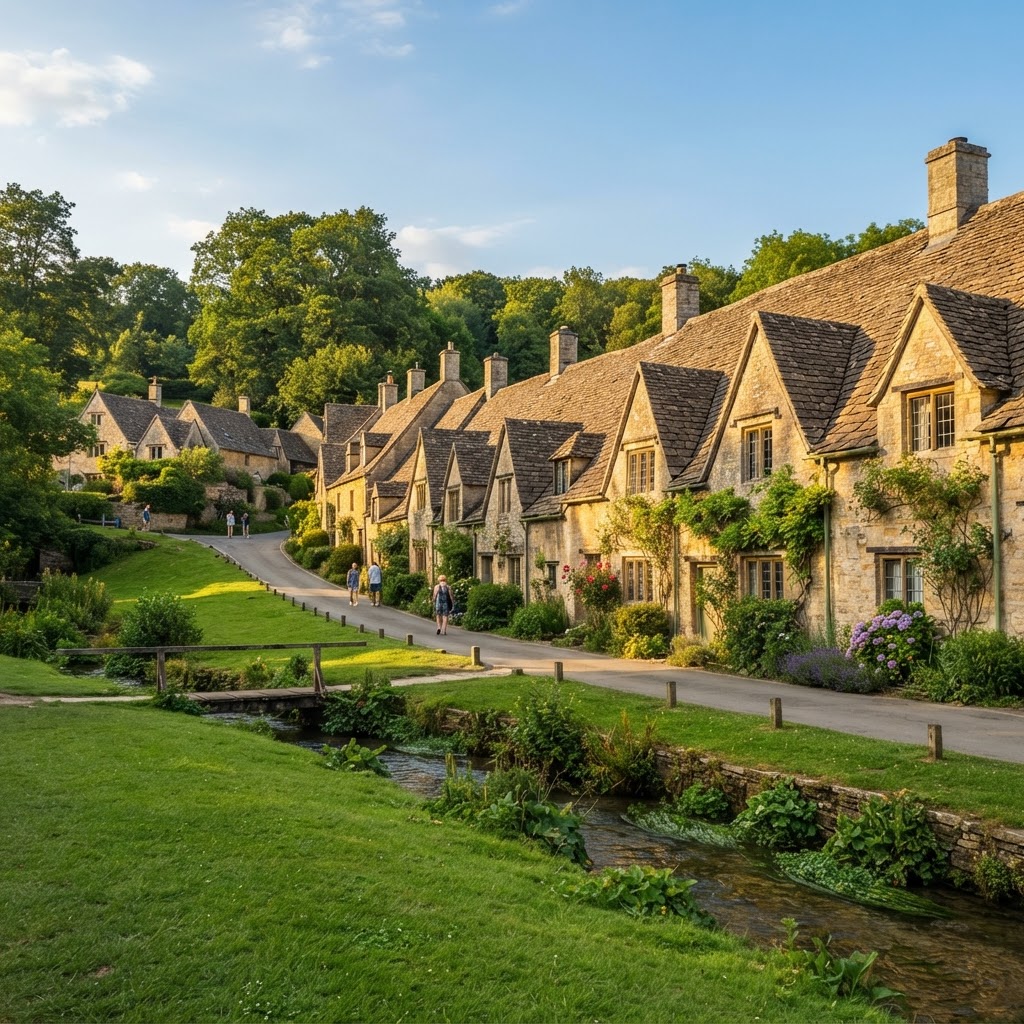
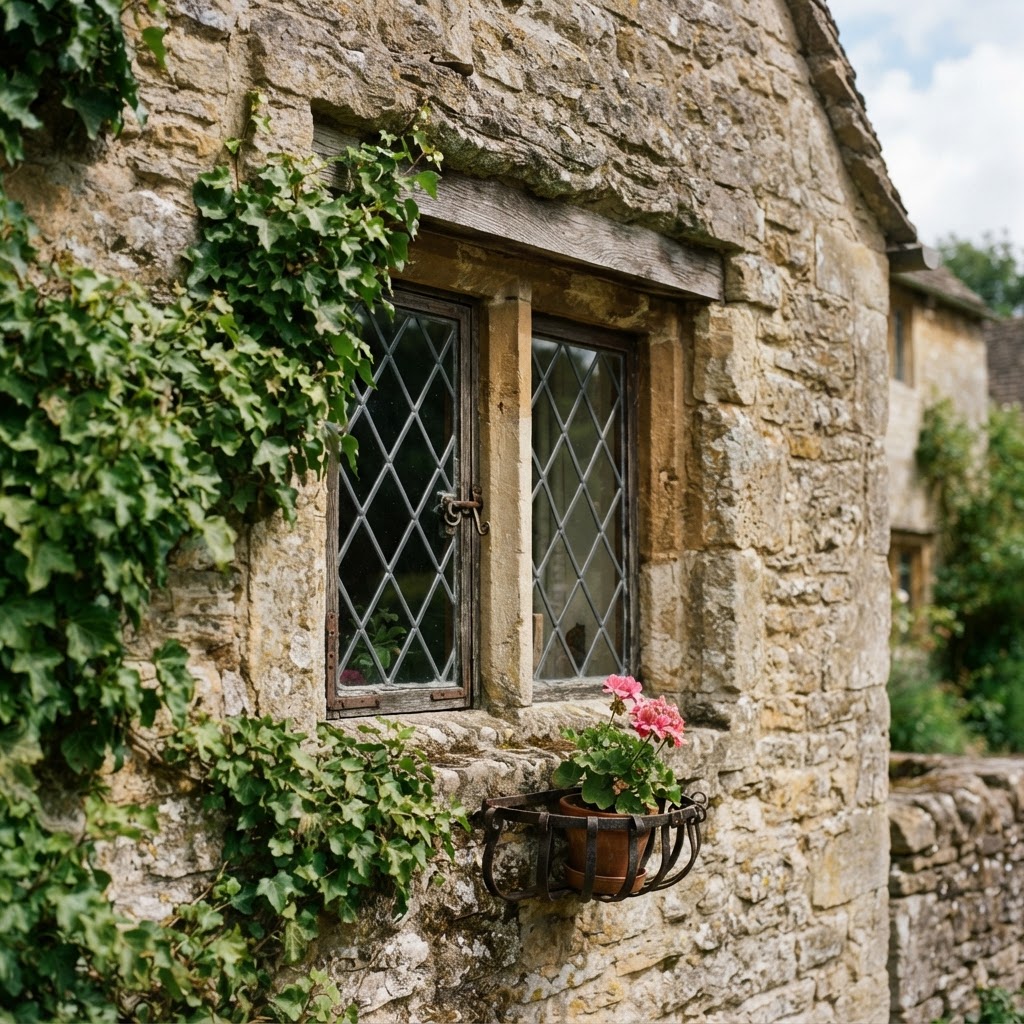
The secret behind these enchanting villages lies in the geology of the region. This honey-colored limestone, often referred to as ‘Cotswold stone,’ is not just a building material; it is the very heart of the local identity. When the sun hits the gabled roofs and mullioned windows of these historic houses, the entire village takes on an ethereal, golden warmth that is impossible to replicate anywhere else in the world.
Why the Stone Matters
This material was easily accessible to local builders for centuries, leading to a consistent architectural vernacular throughout the region. From the grand estates of wealthy wool merchants to the humble cottages of laborers, the stone ties every structure together in a harmonious visual symphony. It is this uniformity that gives the Cotswolds its preserved, timeless quality, making it feel as if modernization has simply bypassed these quiet corners of Gloucestershire and Oxfordshire.
Castle Combe: The Prettiest Village in England
Often cited as the quintessential example of a honey-stone village, Castle Combe is a must-visit destination. Tucked away in a deep valley, the village has remained virtually unchanged since the 17th century. It is so perfectly preserved that it is frequently used as a filming location for period dramas, including War Horse and Downton Abbey.
Walking the Streets
Visitors are immediately struck by the absence of modern streetlights, television aerials, and power lines. The Bybrook river meanders through the village, crossed by a medieval bridge that provides the perfect vantage point for photographers. Walking through Castle Combe is a lesson in tranquility, provided you arrive early in the morning to beat the crowds of day-trippers.
Bibury: Nature and Heritage
Located just a short drive from Cirencester, Bibury is perhaps most famous for Arlington Row. This collection of 14th-century weaver’s cottages is one of the most photographed scenes in all of Britain. The cottages, with their steep roofs and uneven chimneys, represent the peak of honey-stone construction.
More Than Just a Photo Op
Beyond Arlington Row, Bibury features the River Coln, which flows gently through the village center. The nearby trout farm adds a touch of local industry to the scenery, and the surrounding meadows offer beautiful walking trails that showcase the classic English countryside. It is a place where time seems to slow down, allowing for long, contemplative walks along the water.
Bourton-on-the-Water: The Venice of the Cotswolds
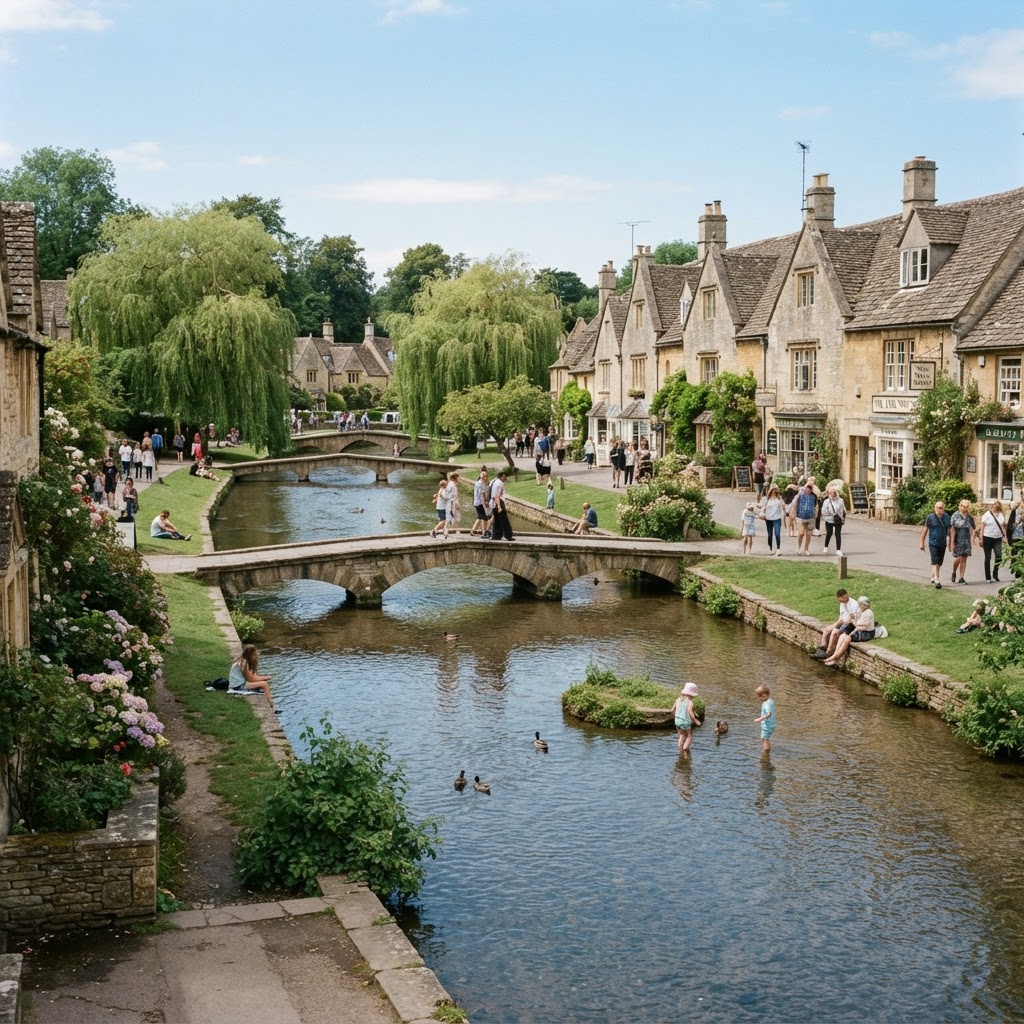
If you prefer a village with a bit more life and activity, Bourton-on-the-Water is the perfect choice. Known as the Venice of the Cotswolds because of the series of low stone bridges that span the River Windrush, it is a bustling hub that captures the spirit of the region.
Family-Friendly Attractions
Bourton is excellent for those traveling with families. The village houses the Cotswold Motoring Museum, a bird sanctuary, and a famous model village that replicates the main town at a one-ninth scale. While it can get busy, the charm of the shallow, crystal-clear river flowing through the center of the village is undeniable.
Chipping Campden: The Heart of the Wool Trade
For those interested in history, Chipping Campden stands out as one of the most significant towns in the region. Once a prosperous center for the medieval wool trade, its wealth is reflected in the grand High Street, which is lined with limestone houses that date back to the 14th century.
The Market Hall Legacy
The iconic 17th-century Market Hall is the center of the town, standing as a proud testament to its historical importance. Unlike some of the smaller villages, Chipping Campden has a thriving local community with boutique shops, traditional tea rooms, and high-end gastropubs. It offers a perfect blend of historic architecture and contemporary comfort for visitors.
Lower Slaughter: The Hidden Gem
Despite its somewhat ominous name—derived from the Old English word ‘slough’ for a wet, miry place—Lower Slaughter is nothing short of idyllic. It is one of the smaller, quieter villages that offers a more intimate look at the Cotswold way of life.
A Journey Through Time
The village center is dominated by an old water mill that has been converted into a museum and cafe. The view from the bridge, looking down the quiet lane of honey-stone cottages, is quintessential Cotswolds. It is the ideal place to escape the more tourist-heavy spots and simply breathe in the clean, country air.
Essential Tips for Exploring the Cotswolds
To make the most of your visit, proper planning is essential. The Cotswolds is a vast region, and public transport can be limited, so renting a car is highly recommended for those wanting to explore the more remote honey-stone villages.
| Tip | Description |
| :— | :— |
| Timing | Arrive by 9:00 AM to beat tour buses. |
| Footwear | Bring sturdy walking shoes for uneven paths. |
| Season | Visit in spring or autumn to avoid heavy crowds. |
| Booking | Book restaurants in advance for weekend dinners. |
Respecting the Local Environment
Many of these villages are home to residents who have lived there for generations. Always be mindful of noise, respect private property, and stick to public footpaths. Sustainable tourism ensures that these honey-stone villages remain protected for future generations to enjoy.
Conclusion
The honey-stone villages of the Cotswolds are not merely pretty places to take photos; they are living, breathing history. From the bustling riverbanks of Bourton-on-the-Water to the quiet, ancient weavers’ cottages of Bibury, each settlement offers a unique glimpse into the enduring charm of rural England. Whether you are seeking a romantic getaway, a historical adventure, or simply a peaceful retreat from city life, these villages promise an unforgettable journey through time. Start planning your Cotswolds itinerary today and experience the golden magic of this stunning region for yourself.
Leave a Reply