
The honey-stone villages of the Cotswolds are quintessentially English, offering a window into a bygone era of architectural beauty and peaceful rural life. As you travel through this Area of Outstanding Natural Beauty, you will quickly understand why these golden-hued hamlets capture the hearts of every visitor. From the rolling hills of Gloucestershire to the quiet corners of Oxfordshire, these settlements are defined by their unique Jurassic limestone, which glows with a warm, golden radiance under the soft English sun. Whether you are looking for a weekend break in the Cotswolds or a longer holiday filled with exploration, these villages represent the very soul of the English countryside.
The Architectural Marvel of the Cotswolds
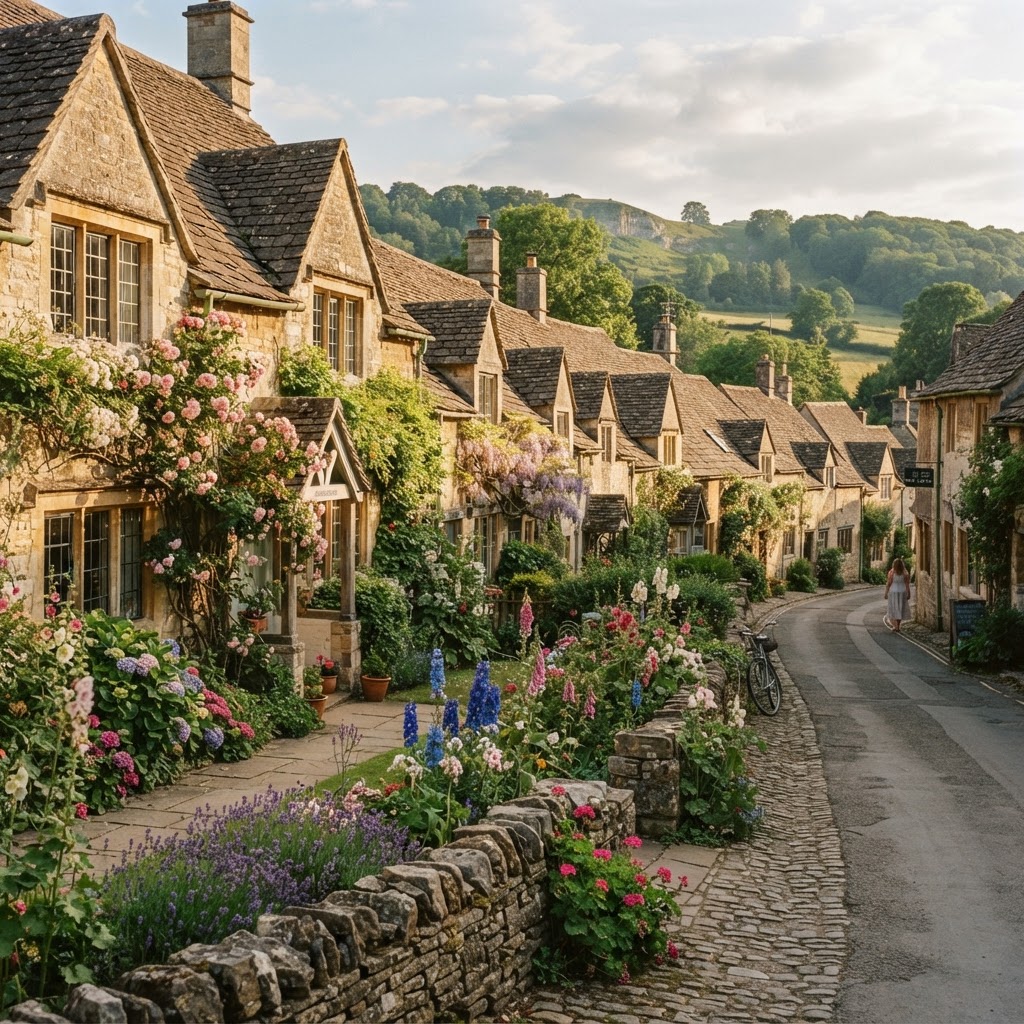
The most striking feature of any journey here is the historic Cotswold architecture. This regional style, born from the prosperity of the medieval wool trade, remains largely intact today. The signature honey-colored limestone, often referred to as Oolitic limestone, was quarried locally, ensuring that every structure feels like a natural extension of the surrounding landscape. Walking through these streets feels like stepping onto a film set, yet the authenticity of the local life remains palpable.
Architectural enthusiasts will notice the steep gables, mullioned windows, and heavy stone slate roofs that define the aesthetic. This uniform building material creates a harmonious visual experience that is rare to find elsewhere in Europe, making the honey-stone villages of the Cotswolds a premier destination for those who appreciate design history and preservation.
Exploring Castle Combe: The Prettiest Village
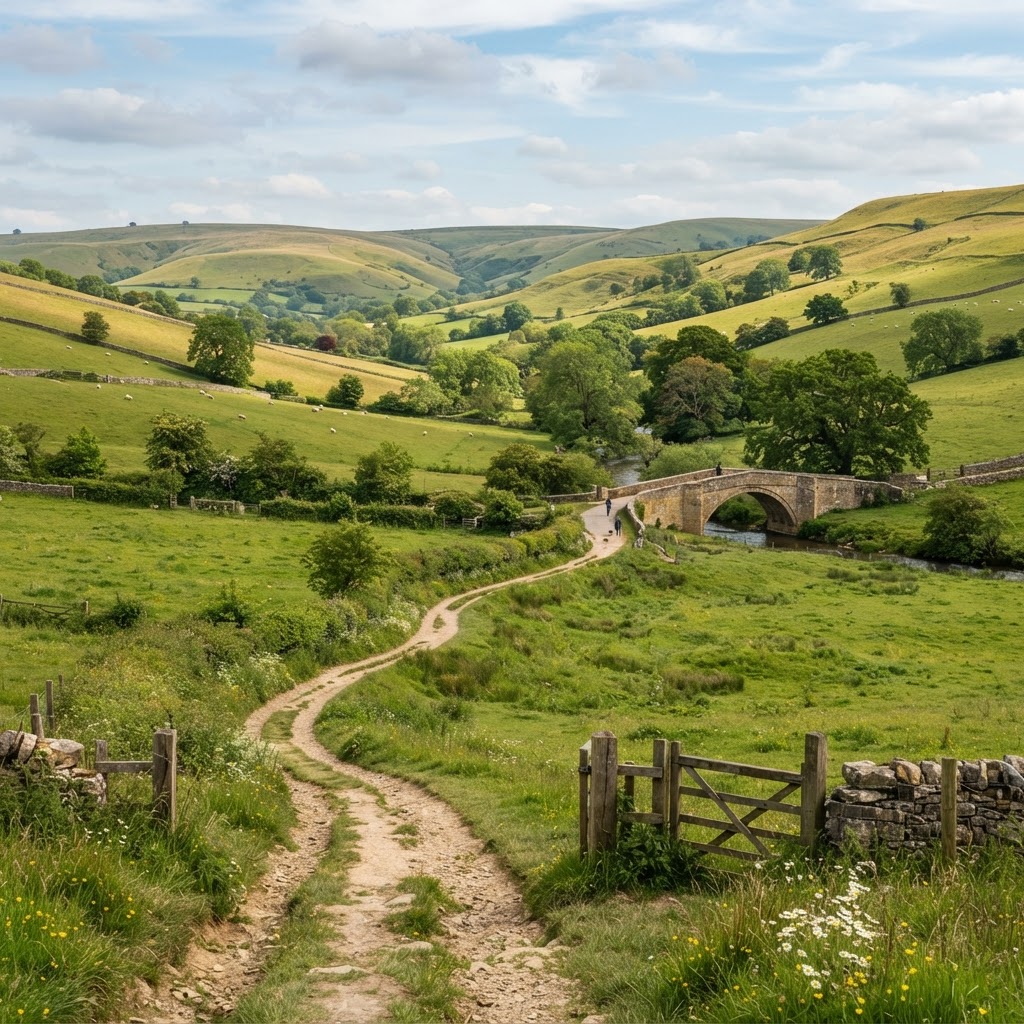
Often cited as one of the best Cotswold villages to visit, Castle Combe is frequently described as the prettiest village in England. Tucked away in a quiet valley, it has been preserved in time with almost no modern additions. There are no streetlights, no television aerials, and very little traffic, which allows the authentic stone structures to take center stage. Visitors often spend hours simply wandering the main street, stopping to purchase homemade cakes from front-door stalls.
Why Castle Combe Captivates Visitors
The village center features a 14th-century market cross and a beautiful stream that flows through the heart of the town. For photographers, the bridge near the lower part of the village provides the iconic shot that appears on postcards worldwide. If you are planning a Cotswolds travel itinerary, ensure you arrive early in the morning to enjoy the tranquility before the day-trippers arrive.
Walking Tours Through the Rolling Hills
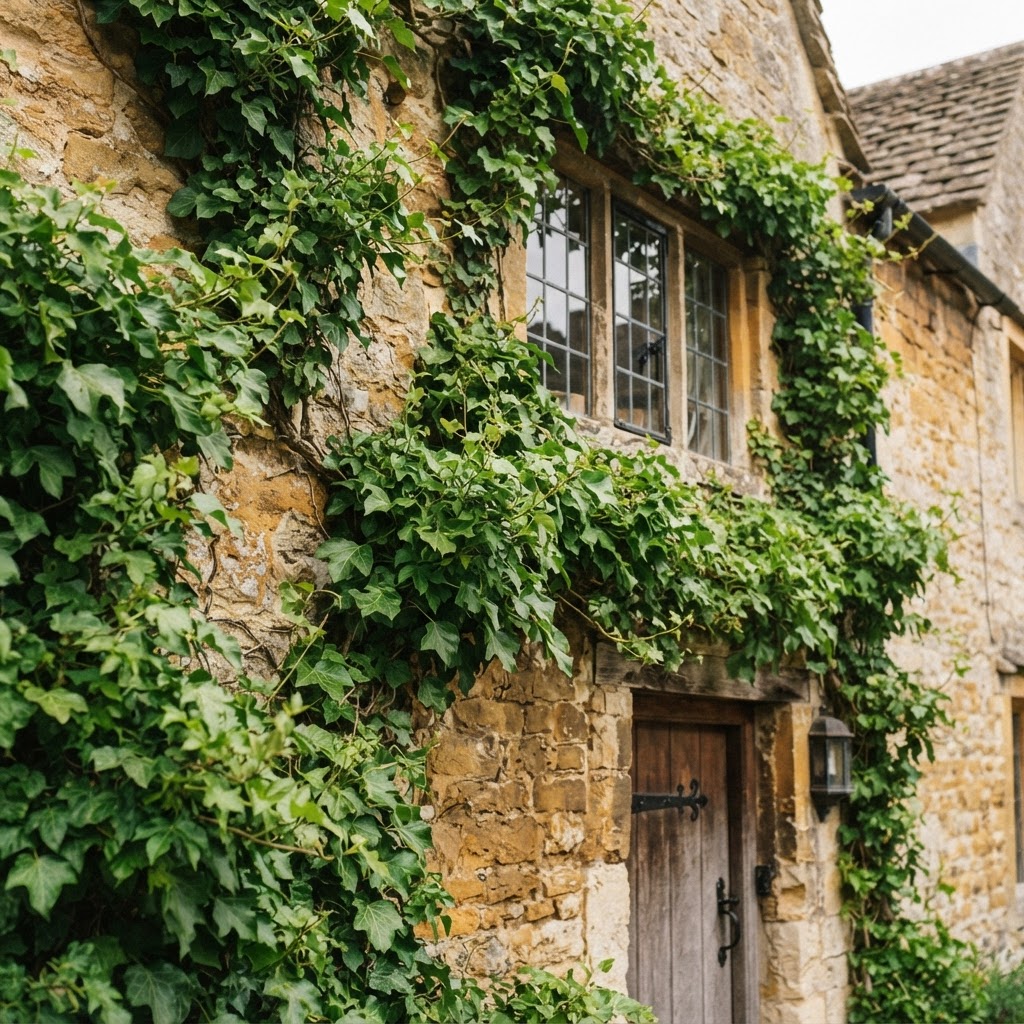
Beyond the architecture, the region is famous for its extensive network of trails. Participating in one of the many Cotswolds walking tours is perhaps the best way to soak in the atmosphere of the countryside. The public footpaths connect these villages, leading you through verdant meadows, ancient woodlands, and across trickling streams. The gentle terrain makes it accessible for all fitness levels, allowing for leisurely strolls or more rigorous hikes depending on your preference.
Uncovering Hidden Gems in Gloucestershire
While Broadway and Bourton-on-the-Water attract the majority of tourists, there are many hidden gems in Gloucestershire that offer a quieter, more personal experience. Villages like Bibury, with its famous Arlington Row, or the elevated beauty of Painswick, provide unique perspectives on regional life. Exploring these lesser-known spots is essential for any serious traveler looking to escape the crowds and find the true essence of the area.
- Visit Arlington Row in Bibury for the most iconic weavers’ cottages.
- Explore the Painswick Rococo Garden for a touch of 18th-century landscape design.
- Walk the quiet paths around Stanton to enjoy panoramic views without the tourists.
- Spend an afternoon in Upper Slaughter, a village that feels like a private secret.
Practical Tips for Your Cotswolds Travel Itinerary
Planning a successful visit requires careful consideration of timing and transportation. The roads are often narrow and winding, which is part of the charm but can be difficult for larger vehicles. While public transport exists, renting a car provides the freedom to visit the smaller, more isolated villages that are not serviced by buses. Always respect the residents; these are living communities, not just museums, and keeping noise levels down and being mindful of private property is essential.
When packing, always prepare for changing weather. Even in the height of summer, the English climate can turn quickly, so layering is key. Comfortable walking shoes are a non-negotiable requirement, as the ancient cobbled streets and dirt footpaths are not designed for high heels or flimsy sandals.
Dining and Seasonal Beauty
The culinary scene in these villages has evolved significantly, with many traditional pubs now offering high-end, locally sourced gastronomy. Dining by a roaring fireplace in a 500-year-old inn is a highlight of any trip. Furthermore, each season transforms the landscape; spring brings vibrant daffodils and newborn lambs, while autumn turns the trees into a canopy of gold, perfectly complementing the honey-stone walls. No matter when you choose to visit, the aesthetic appeal of the region remains consistent.
Conclusion
Whether you are wandering the streets of Bourton-on-the-Water, hiking the hills near Broadway, or seeking out the quiet corners of the more remote hamlets, the honey-stone villages of the Cotswolds offer an unparalleled experience. These locations serve as a reminder of the beauty inherent in heritage, craftsmanship, and the slow pace of rural life. By spending time in these villages, you are doing more than just sightseeing; you are connecting with a piece of English history that continues to thrive in the modern age. Start planning your journey today and discover the magic for yourself.
Leave a Reply