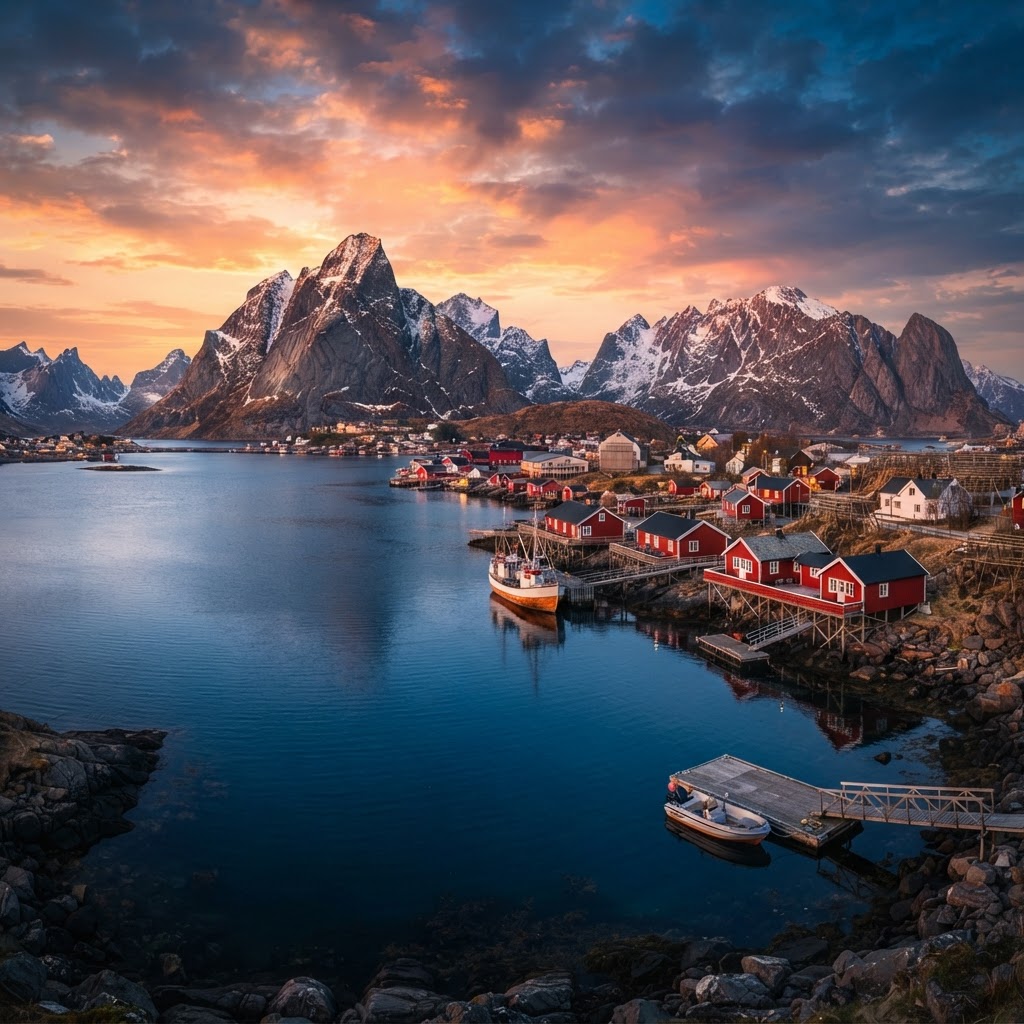
Stepping onto the Lofoten Islands feels like entering a realm where nature has been sculpted with extreme precision. Located well above the Arctic Circle, this Norwegian archipelago is a dramatic tapestry of jagged granite peaks, serene turquoise fjords, and postcard-perfect fishing villages. For the intrepid traveler, Lofoten represents the pinnacle of Arctic beauty, offering a landscape that changes its character with every passing season.
The Geography of Arctic Perfection
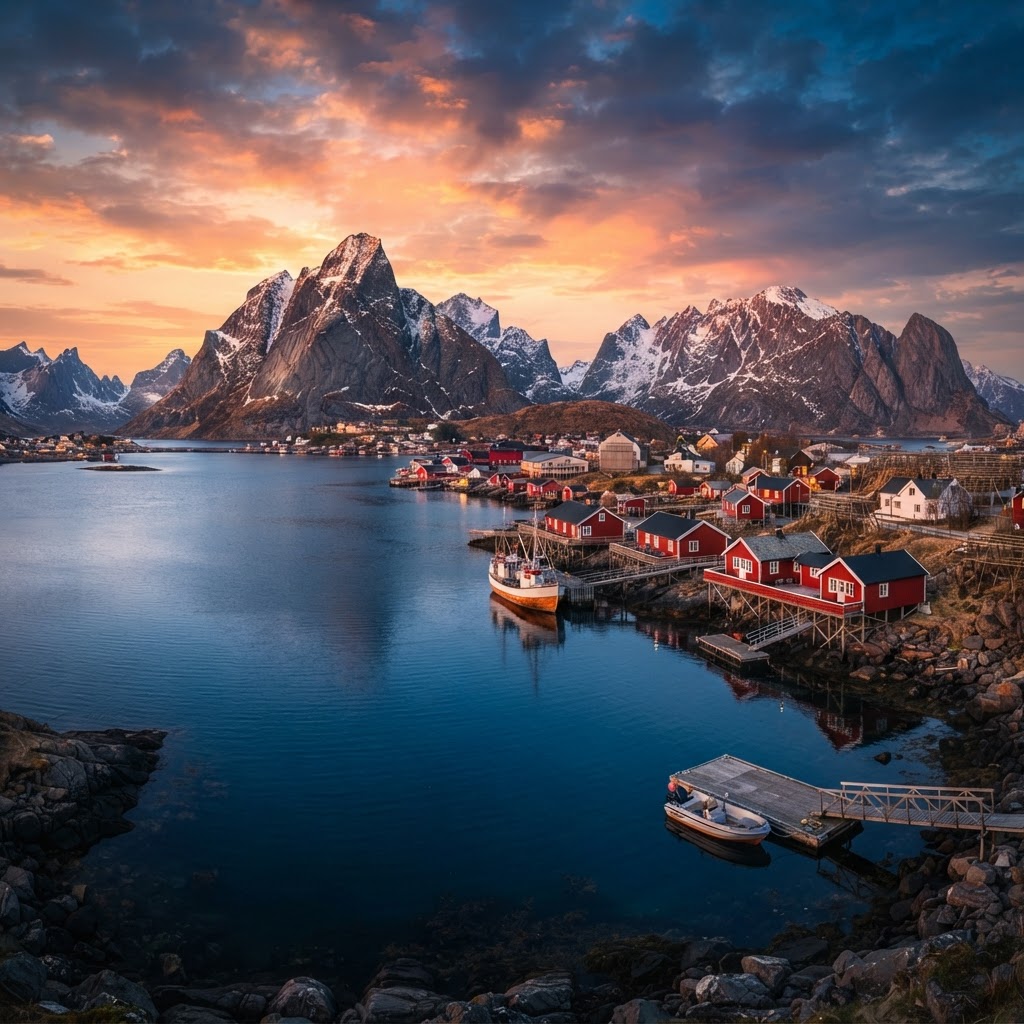
The Lofoten archipelago consists of several islands connected by a network of bridges and tunnels, creating a scenic route that is arguably one of the most beautiful drives in the world. The mountains rise directly from the sea, creating a vertical landscape that challenges the eye and beckons the spirit of adventure.
Why Lofoten Stands Out
Unlike other Arctic destinations that feel barren, Lofoten thrives with life. The Gulf Stream keeps the coastal waters relatively temperate, allowing for lush green valleys to nestle beneath snow-capped summits. This contrast between the harsh, jagged rocks and the vibrant coastal flora is what defines the unique aesthetic of the islands.
Best Time to Visit Lofoten
Choosing when to visit depends entirely on what you want to experience. The islands operate on two distinct rhythms: the midnight sun and the polar night.
Summer: The Land of Midnight Sun
From late May to mid-July, the sun never sets in Lofoten. This period is ideal for travelers who want to maximize their outdoor time. You can hike at midnight or explore the hidden beaches of Kvalvika under a sun that stays golden for hours. It is the best time for photography, as the light quality is soft and ethereal.
Winter: Seeking the Northern Lights
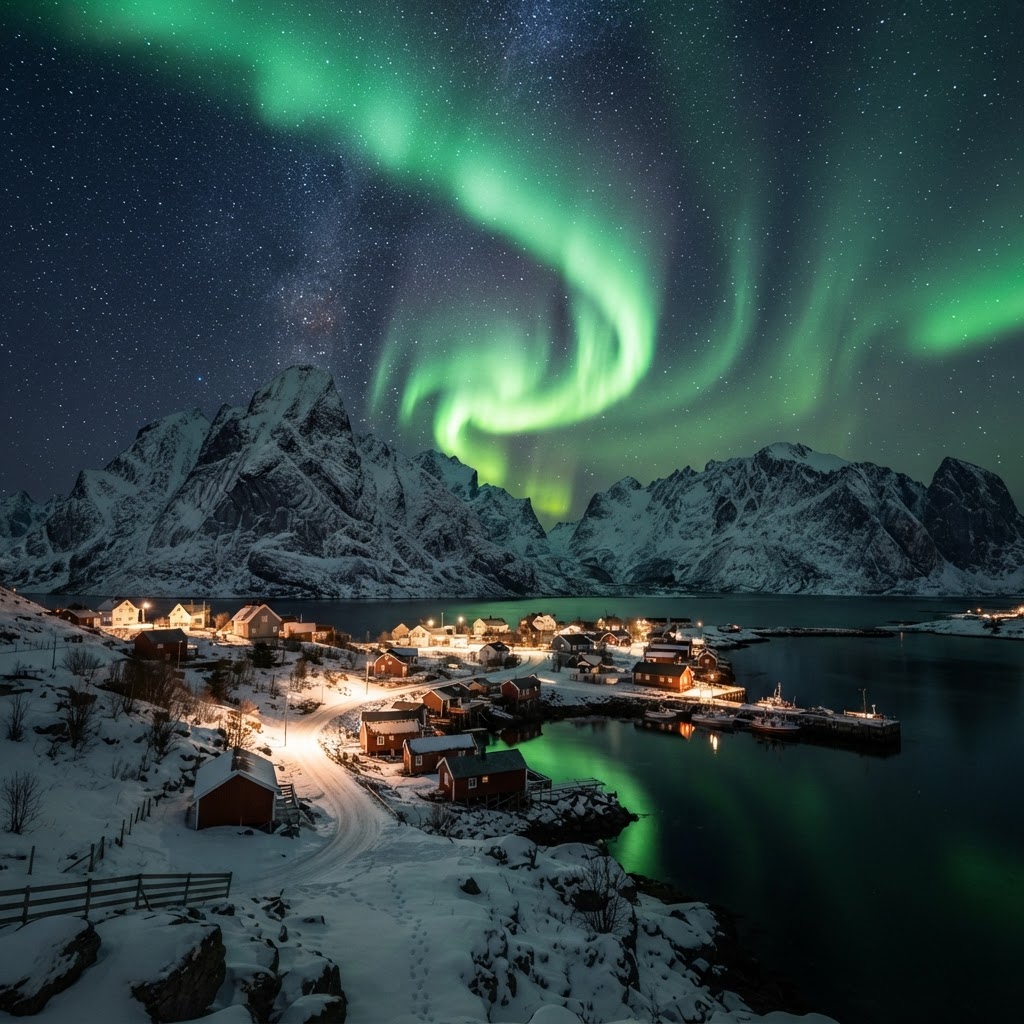
Winter, lasting from September to March, brings the magic of the Aurora Borealis. The dark, clear skies of the Lofoten Islands provide a perfect canvas for the Northern Lights. During this time, the landscape takes on a somber, cinematic beauty, with snow-dusted mountains mirroring the deep blues of the Arctic ocean.
Essential Hiking Trails
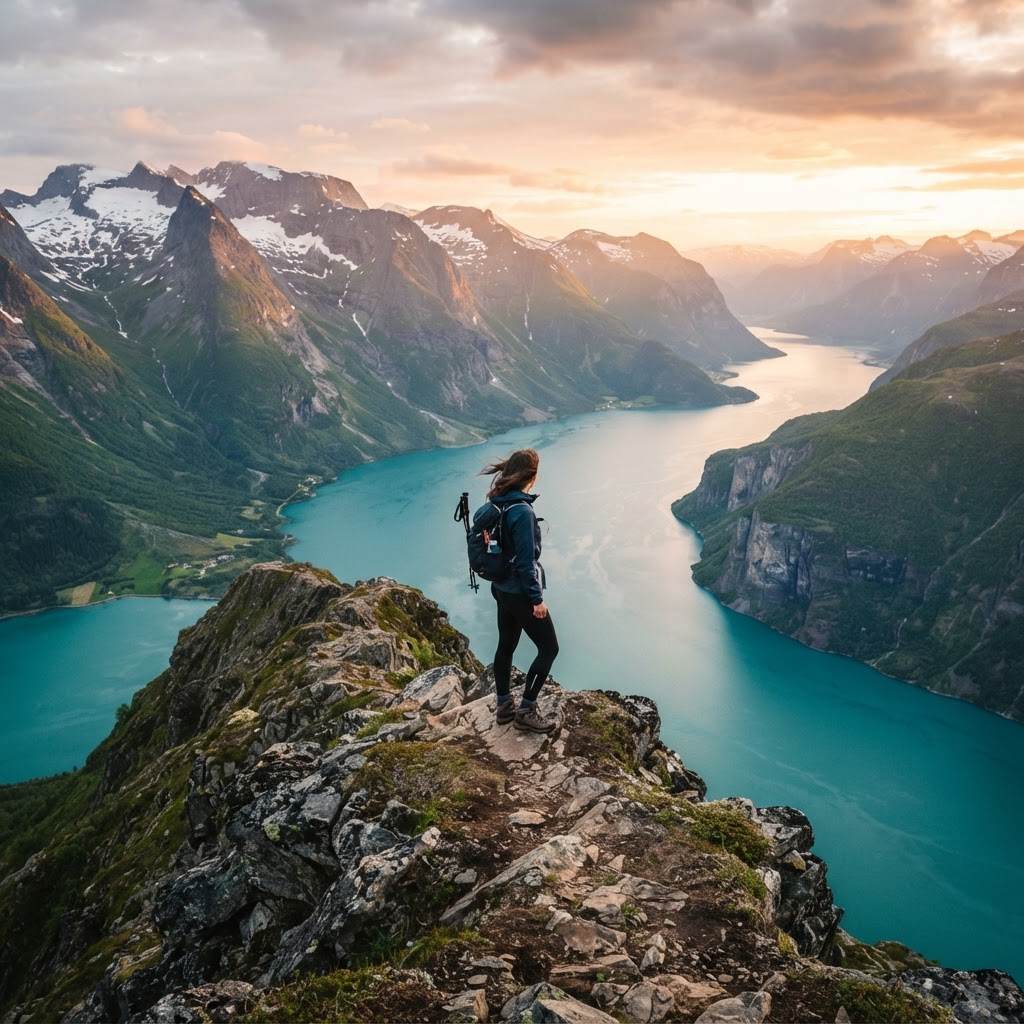
Lofoten is a hiker’s paradise, but the terrain is rugged. While many trails are accessible, they require proper preparation and respect for the rapidly changing weather conditions.
Reinebringen: The Iconic View
Reinebringen is perhaps the most famous hike in the region. After climbing a steep stone staircase, you are rewarded with a panoramic view of Reine and the surrounding fjords. It is physically demanding but remains the quintessential Lofoten experience.
Kvalvika Beach: A Hidden Oasis
For those seeking solitude, the trail to Kvalvika Beach offers a glimpse into the island’s raw side. Surrounded by steep cliffs on three sides, this beach is only accessible by foot, making it a sanctuary for those who value quiet reflection over mass tourism.
Fishing Villages and Culture
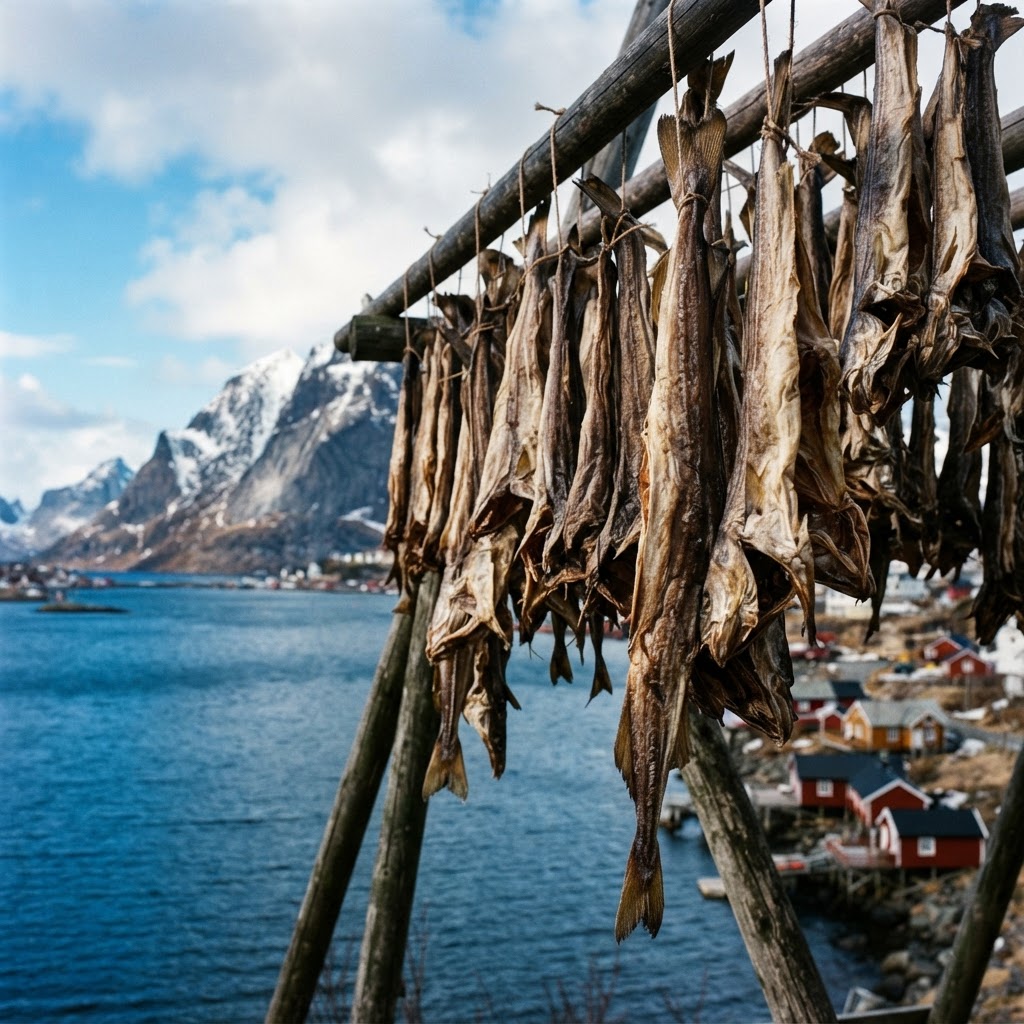
The history of the islands is deeply tied to the cod fishing industry, known locally as the ‘Lofotfisket.’ Traveling through the region, you will see ‘rorbuer’—traditional red fishing cabins—perched on wooden stilts over the water.
Staying in a Rorbu
Staying in a renovated rorbu is an essential cultural experience. These structures have been converted into cozy accommodations that preserve the heritage of the fishing trade while offering modern comfort. It provides a direct connection to the seafaring roots of the archipelago.
The Local Cuisine
Food in Lofoten is centered around the sea. Stockfish, which is dried cod, is the culinary heartbeat of the region. Don’t leave without tasting authentic fish soup or freshly caught arctic char at one of the local harborside restaurants.
Photography Tips for the Arctic
Capturing the majesty of the Lofoten Islands requires more than just a good camera. The weather can change in minutes, shifting from bright sunshine to heavy mist or sudden snow showers.
Managing the Light
The light in the Arctic is intense and low-angled. Using a circular polarizer is highly recommended to manage the reflections on the water and to bring out the deep blues of the fjords. Always pack a sturdy tripod for long-exposure shots of the waves or the dancing Aurora.
Logistics and Travel Advice
Traveling to the islands requires careful planning, as public transportation can be infrequent, especially in the winter months. Renting a car is the most efficient way to explore, granting you the freedom to stop at the many pull-offs along the E10 road.
How to Get There
You can fly into Leknes or Svolvaer, or opt for the larger airport in Harstad/Narvik and drive south. Alternatively, the ferry from Bodo to Moskenes is a scenic way to arrive, offering a dramatic entry into the southern part of the archipelago.
Safety Considerations
Always check the ‘Varsom’ website for avalanche warnings if traveling in winter. Mountain weather is unpredictable; even in summer, wind and rain can hit suddenly. Never venture onto glaciers or steep ridges without proper gear and local guidance.
Conclusion
The Lofoten Islands offer a rare glimpse into a world where nature remains the primary architect. Whether you are chasing the elusive Northern Lights, scaling steep ridges for a view of the sea, or simply listening to the rhythmic lapping of the tide against the wooden stilts of a fishing cabin, this destination leaves an indelible mark on the soul. It is not just a place you visit; it is a landscape that stays with you long after you return home.
Ready to plan your own Arctic adventure? Start by checking your passport and researching the best flight connections to Svolvaer today. The islands are waiting.
Leave a Reply