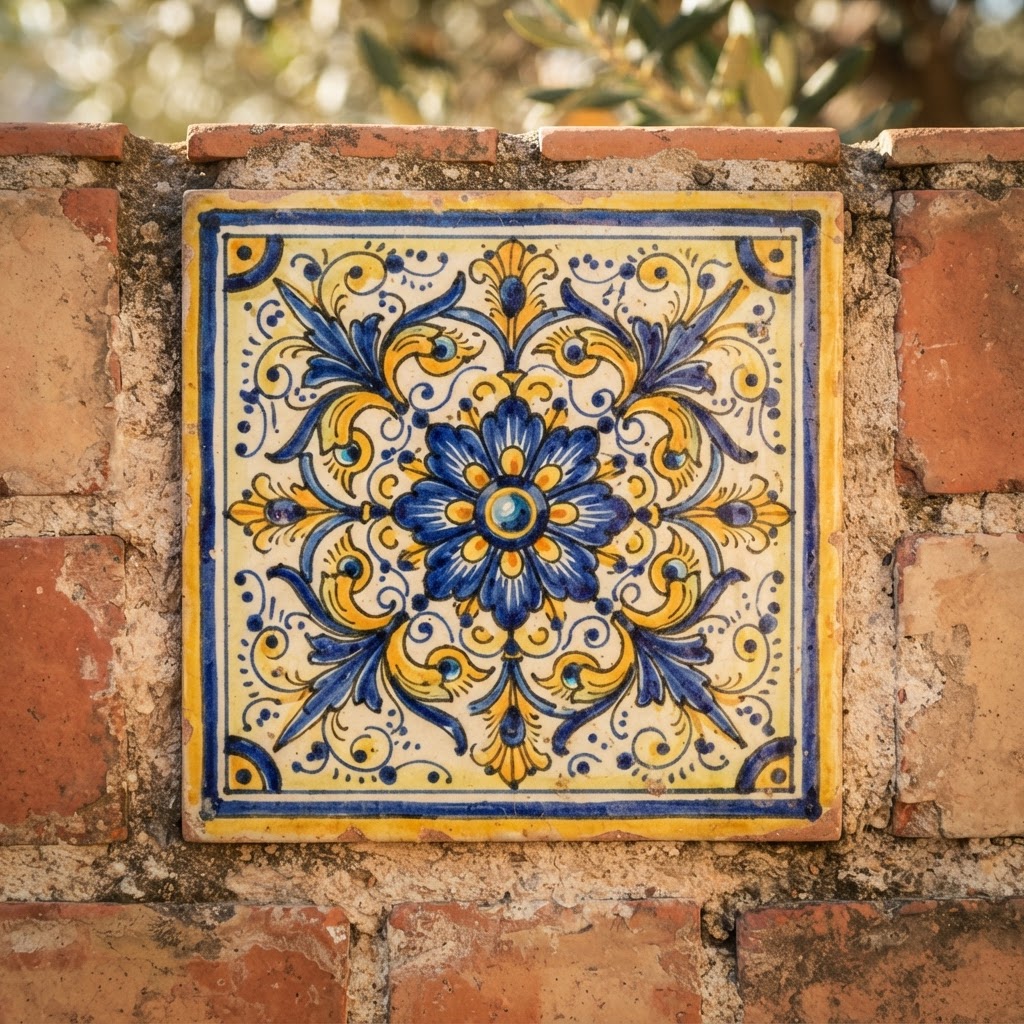
Step into a home adorned with Spanish tiles, and you are immediately transported to the sun-drenched coastlines of the Iberian Peninsula. These artistic elements, characterized by their vivid colors and geometric precision, carry centuries of cultural heritage within their glazed surfaces. Far more than mere floor or wall coverings, they act as the heartbeat of a space, infusing character and soul into contemporary interiors. Whether you are aiming for a rustic farmhouse look or a sleek, modern aesthetic, the inherent magic of these patterns remains unmatched. By understanding the history and versatility of these tiles, you can transform any ordinary room into a curated sanctuary of color and texture.
The Rich Historical Roots of Spanish Tilework
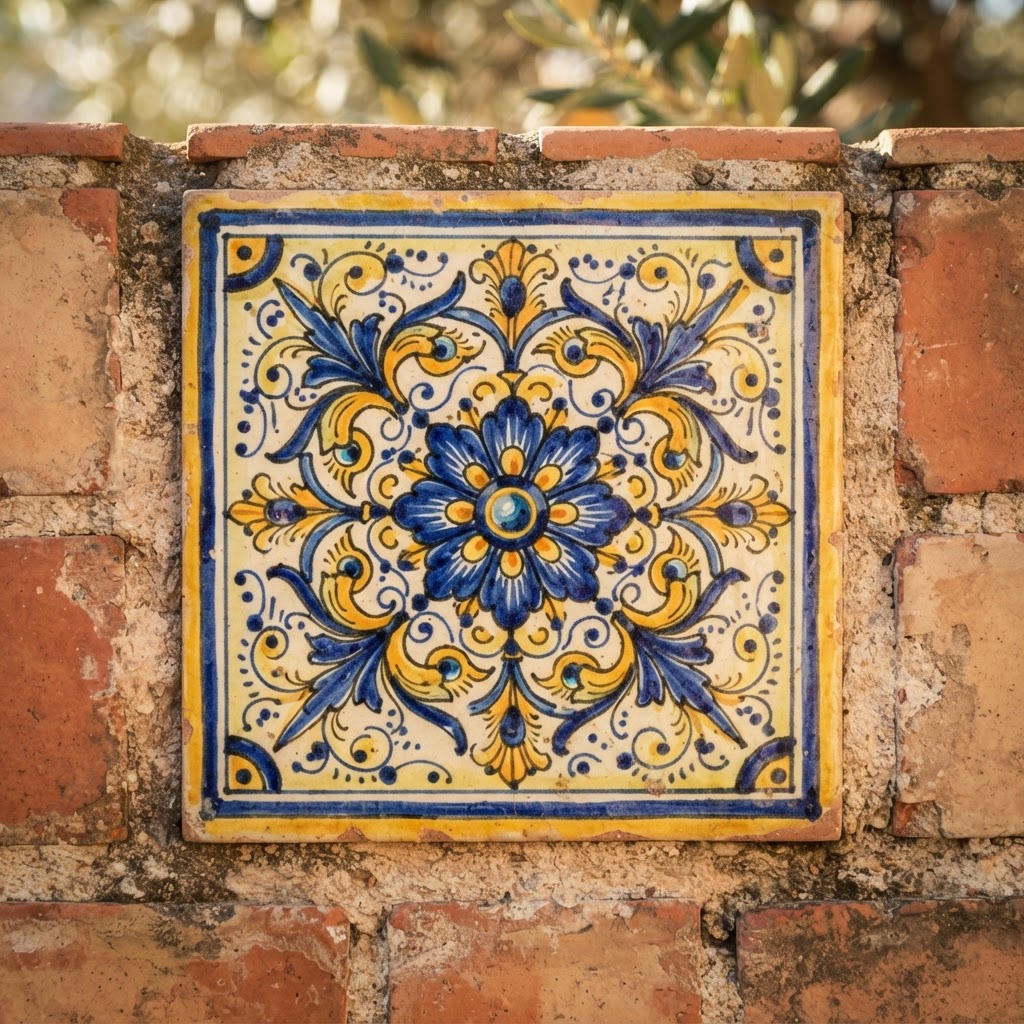
The story of Spanish tiles is a tapestry woven from diverse cultural influences, including Roman, Moorish, and Renaissance traditions. The most famous influence, the Mudejar style, introduced complex geometric shapes and floral motifs that define what we often call ‘Spanish style’ today. These tiles, known historically as Azulejos, were not just decorative; they served functional purposes, such as keeping homes cool during the sweltering Mediterranean summers.
The Moorish Influence on Design
When the Moors occupied the Iberian Peninsula, they brought with them advanced ceramics techniques. They favored intricate tessellations, reflecting their mathematical genius and devotion to symmetry. These patterns were designed to create a sense of infinity, drawing the eye along the walls in a meditative dance. Today, we still see these echoes in the star-shaped layouts and interlocking polygon designs that dominate modern tile collections.
Transition to Renaissance Styles
As time progressed, the artistic influence shifted toward Renaissance aesthetics, introducing more figurative depictions. Artists began painting scenes of daily life, sailing ships, and religious iconography onto the tiles. This evolution allowed Spanish tile design to become a storytelling medium, preserving history on the very walls of homes and public squares. This rich narrative quality is exactly why these tiles continue to captivate interior designers today.
Popular Patterns and Color Palettes
The visual appeal of traditional Spanish design lies in its fearless embrace of color and pattern. Unlike the minimalism that often dictates modern decor, Spanish aesthetics celebrate abundance. Deep cobalt blues, earthy terracottas, and vibrant yellows are the signature tones, often contrasted against a crisp, clean white background. This balance ensures that even the most complex patterns do not overwhelm a living space, but rather anchor it with warmth.
Defining Common Geometric Motifs
Geometric patterns are the backbone of Spanish tile design. You will often encounter repeating squares, diamonds, and star-shaped patterns that create a hypnotic effect. When choosing these for your own home, it is essential to consider the scale. Larger rooms can handle bold, oversized geometric shapes, while smaller spaces, like bathrooms or entryways, benefit from smaller, more delicate repeating patterns that add depth without feeling cluttered.
Floral and Botanical Motifs
In addition to geometric precision, organic shapes play a significant role. Stylized leaves, intricate vines, and floral blooms are frequently hand-painted onto tiles. These motifs add a touch of softness to the otherwise structured nature of square tiles. They bridge the gap between architectural rigor and natural beauty, making them perfect for kitchens where food preparation (another organic process) takes place.
Creative Ways to Integrate Tiles in Modern Homes
Integrating traditional elements into a modern home can feel intimidating, but the versatility of Spanish tiles makes the process surprisingly intuitive. You do not need to cover an entire house to see the benefits; in fact, selective application is often more impactful. The key is to treat tiles as art pieces that happen to be functional, rather than just building materials.
The Classic Tiled Backsplash
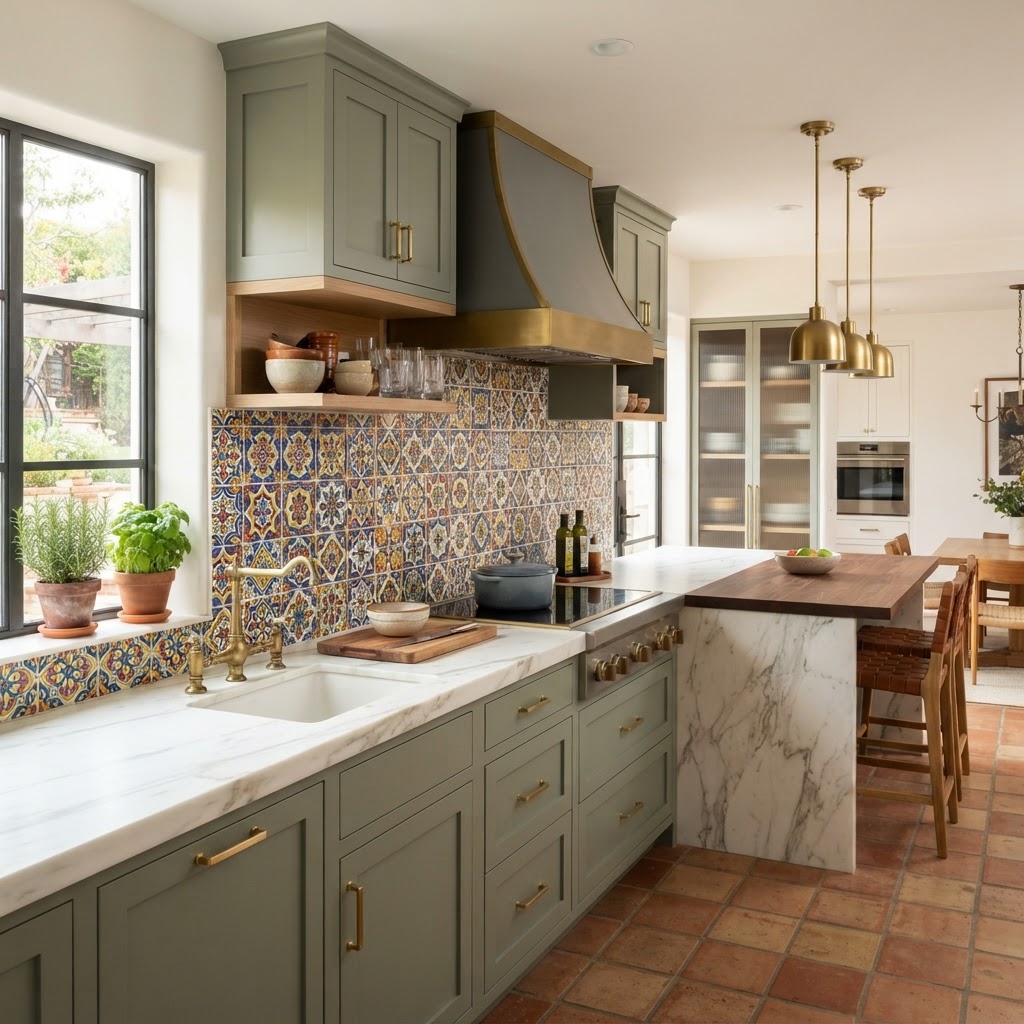
Perhaps the most popular way to use these tiles is in the kitchen. A colorful, hand-painted backsplash serves as the room’s focal point, especially when paired with simple, solid-colored cabinetry. If you are hesitant about using patterns, consider using tiles in a monochrome blue or green palette. This provides the aesthetic benefit of the pattern while keeping the visual temperature consistent with your existing color scheme.
Statement Flooring and Staircases
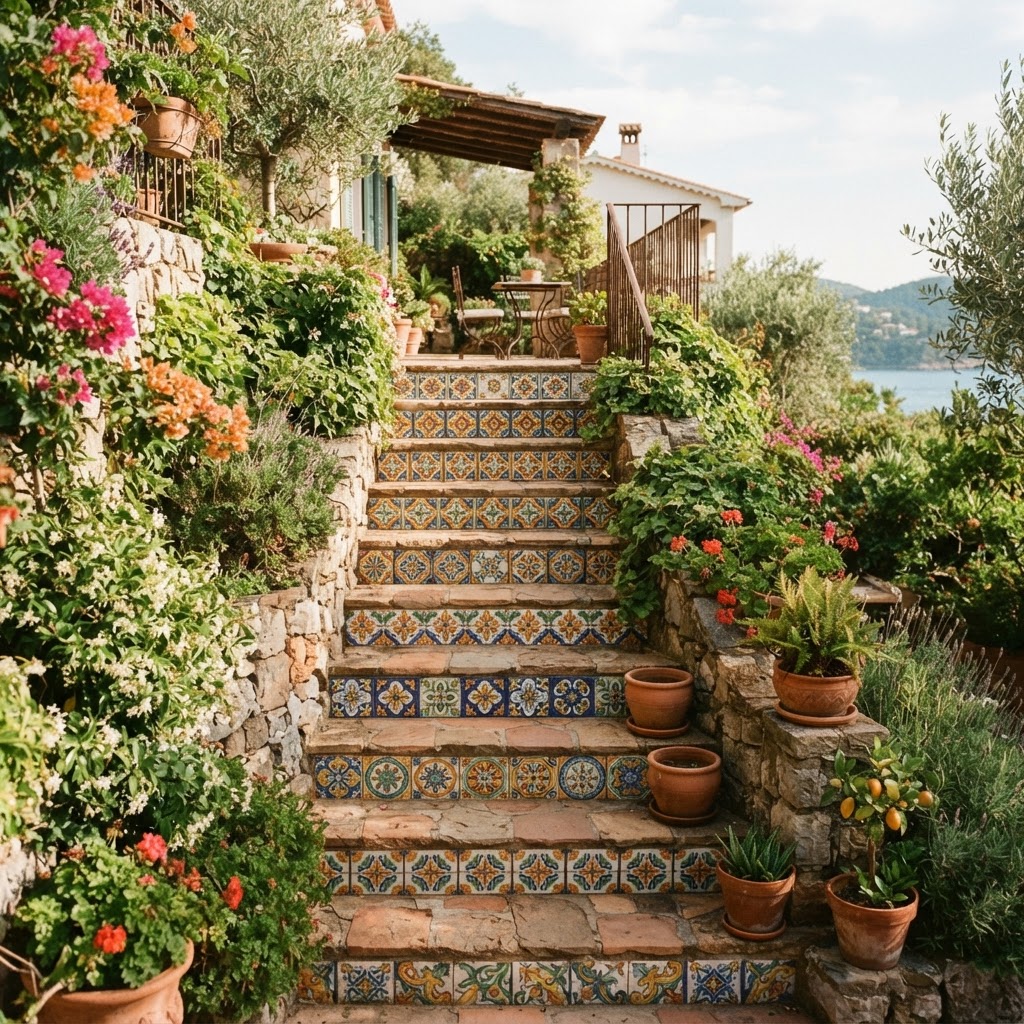
If your kitchen is already finished, consider the stairs. Tiled risers are an iconic feature of Spanish architecture, adding a burst of personality to a neglected area of the home. Similarly, a small entryway or mudroom can be transformed with a dramatic floor tile choice. Using durable, slip-resistant ceramic tiles in high-traffic areas ensures your design choice is as practical as it is beautiful.
Maintenance and Care Tips
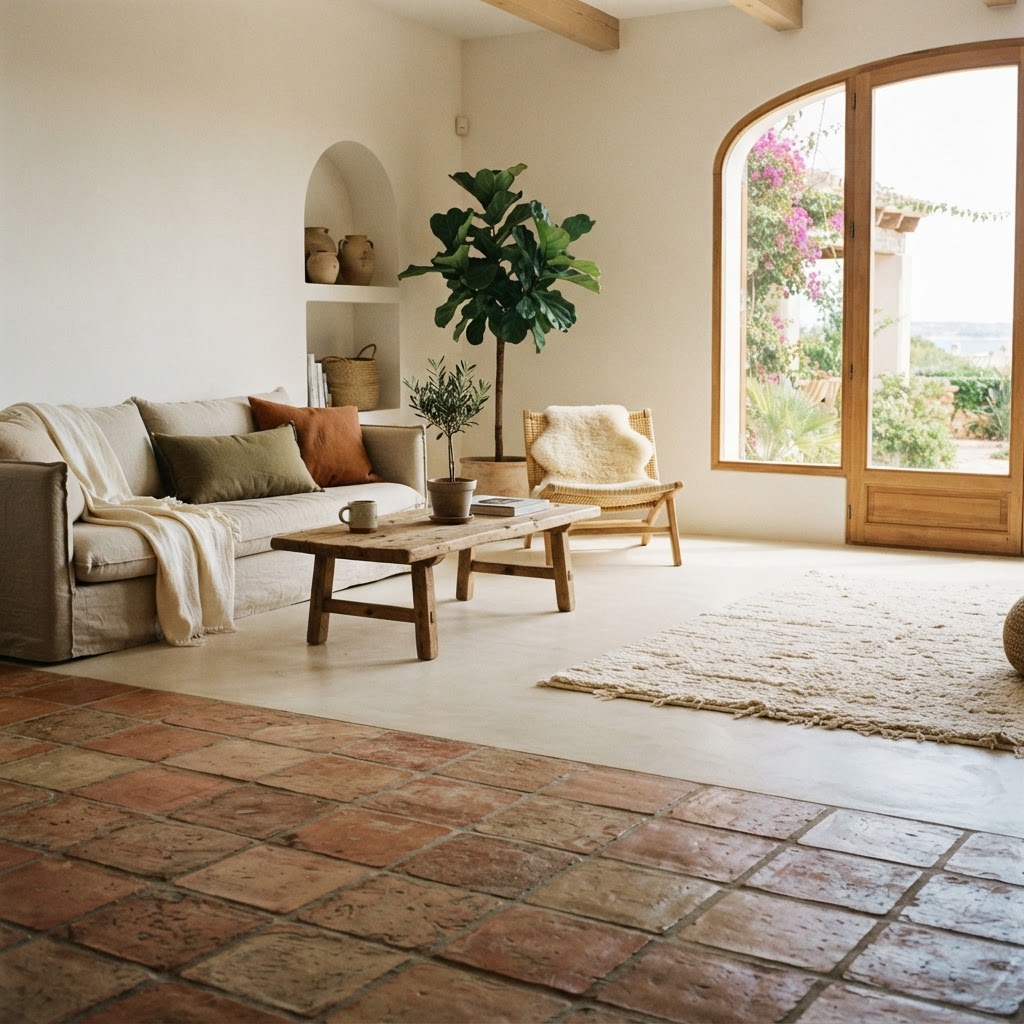
While beautiful, natural ceramic tiles require a degree of care to maintain their luster over decades. Because many high-quality Spanish tiles are handcrafted, they may have slight variations in thickness or glaze. This ‘imperfection’ is part of their charm, but it also means they require specific installation and cleaning techniques to prevent cracking or fading.
Routine Cleaning Practices
Avoid harsh acidic cleaners that can erode the glaze over time. Instead, opt for a mild, pH-neutral soap mixed with warm water. Regularly sweeping and vacuuming floors will prevent dirt from scratching the surface. For backsplashes, a simple damp cloth with a mild detergent is usually sufficient to remove cooking grease or splashes, keeping the colors as vibrant as the day they were installed.
The Importance of Proper Sealing
For tiles made of porous materials, sealing is non-negotiable. Applying a quality penetrating sealer will protect the grout lines and the tiles themselves from moisture and stains. This is especially critical in areas prone to humidity, like bathrooms or outdoor patio spaces. A well-sealed tile installation will last for generations, preserving the vibrant patterns that make Spanish tilework so unique.
Curating the Perfect Spanish-Inspired Space
To truly capture the ‘magic’ of these patterns, you must consider the surrounding decor. Spanish tiles thrive in environments that respect their heritage. You don’t need a Mediterranean villa to make this work, but pairing the tiles with natural materials like wrought iron, heavy wood, or woven textiles will emphasize their charm. Focus on textures that complement the gloss of the tile; a rough, unrefined wooden table looks incredible against a polished, patterned tile backsplash.
Balancing Bold Patterns with Neutrals
When you commit to a vibrant, multi-colored tile, let it be the ‘star’ of the show. Neutral wall colors like off-white, cream, or light grey allow the tiles to breathe. By limiting the competing visual elements in the rest of the room, you allow the artisanal quality of the patterns to shine through. Think of your tiles as a piece of art hanging on the wall or a rug placed on the floor—keep the frame simple.
Lighting as a Design Tool
Lighting can significantly alter how your tiles are perceived. Natural light will highlight the variations in hand-painted glazes, making the colors pop. Warm artificial lighting at night can soften the geometric lines, creating a cozy and inviting atmosphere. Consider adding under-cabinet lighting in kitchens to showcase the intricate details of your backsplash during the evening hours.
Conclusion: Bringing the Mediterranean Home
Incorporating Spanish tiles into your home decor is more than a design choice; it is a commitment to timeless beauty and cultural depth. These tiles offer a unique way to inject color, history, and personality into your living space, creating an environment that feels lived-in and loved. Whether you choose to tile a small vanity or renovate your entire kitchen, the resulting aesthetic will provide years of joy and inspiration.
Ready to get started? Assess your current space and identify one area that feels a bit ‘flat.’ Could a dash of color or a geometric pattern revitalize that corner? Reach out to local suppliers or explore online artisan boutiques to find the perfect patterns that speak to your style. Your journey into the magical world of Spanish tiles begins with a single design decision—take that first step today and watch your home transform.
Leave a Reply