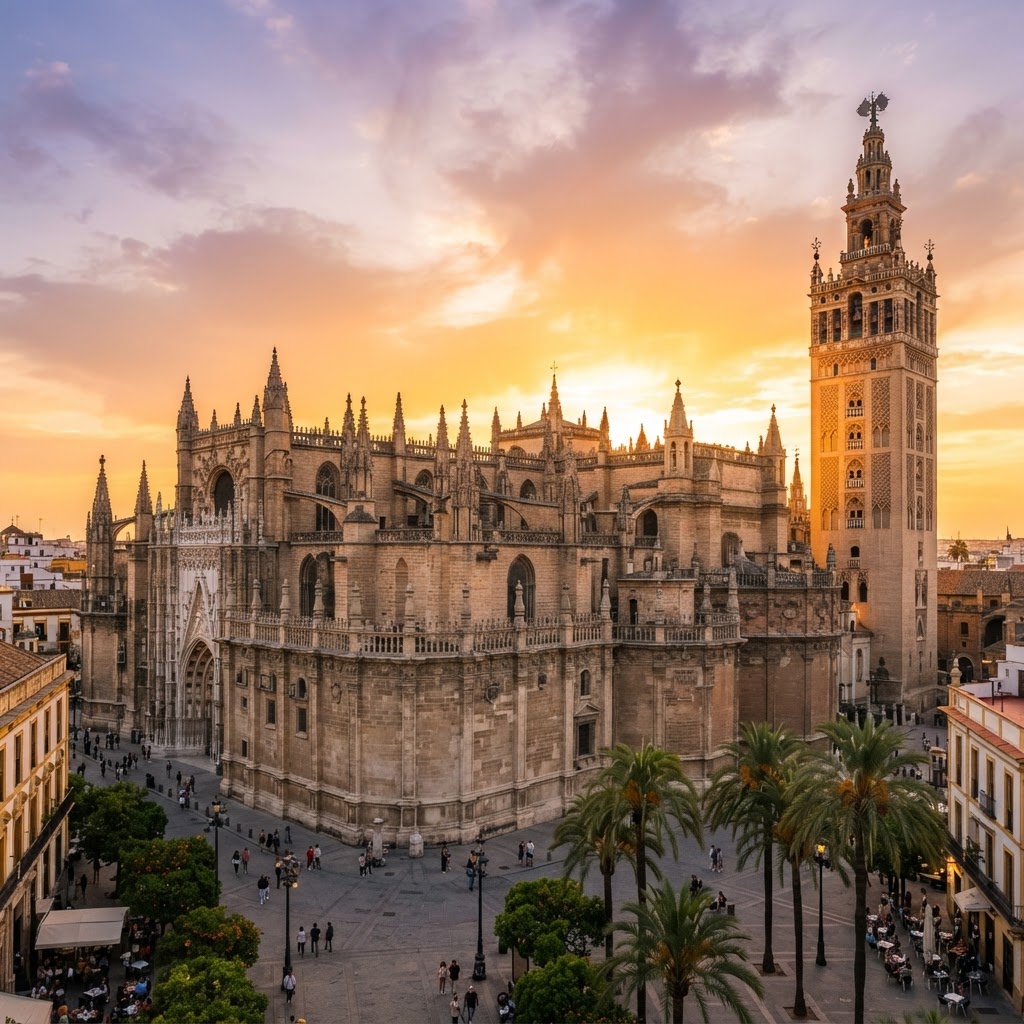
Stepping into the heart of Andalusia, one structure dominates the skyline, standing as a testament to the grandeur of history and the intricate beauty of human craftsmanship. The Seville Cathedral, officially known as the Catedral de Santa María de la Sede, is widely considered the most beautiful cathedral in Spain. As the largest Gothic cathedral in the world, its sheer scale is enough to take your breath away, but it is the meticulous detail within its stone walls that truly captivates the soul.
A Legacy of Faith and Conquest
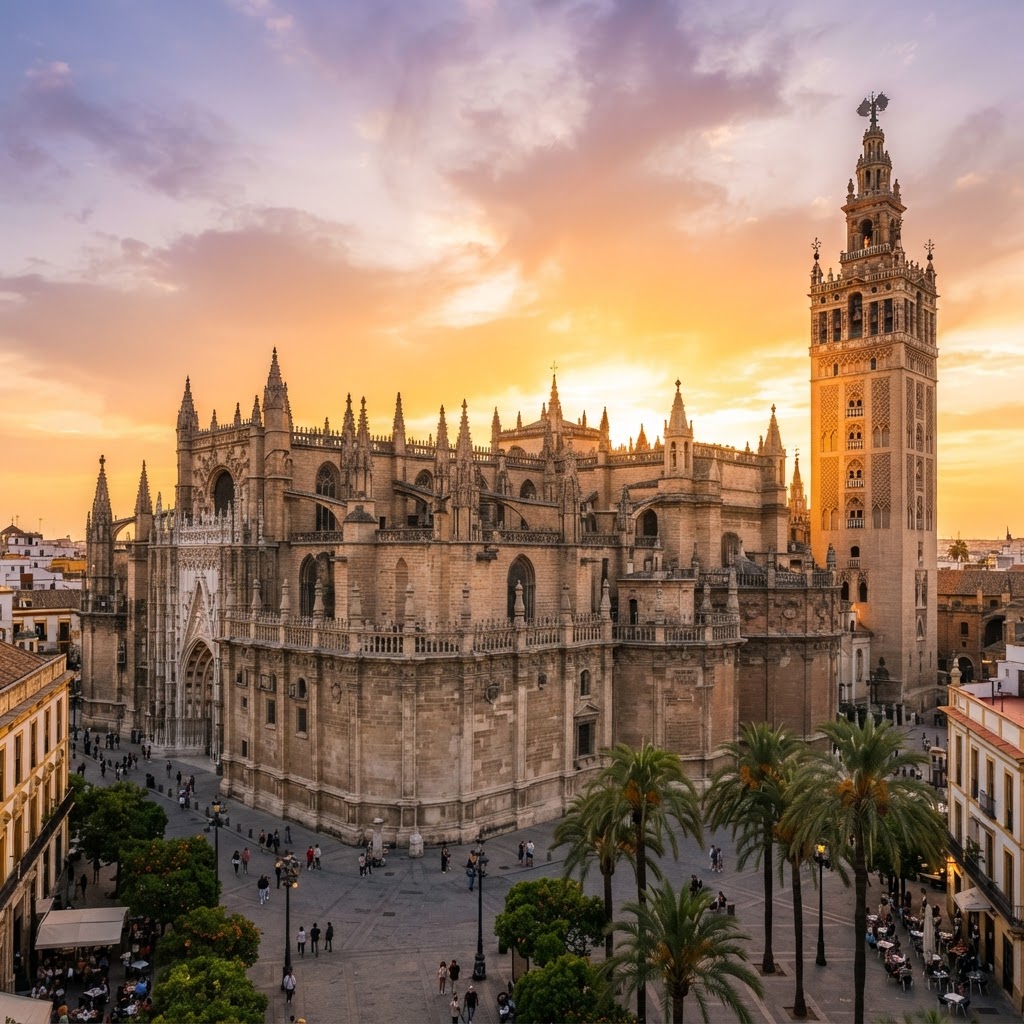
The site upon which the cathedral stands has served as a religious epicenter for centuries. Before it was a Christian cathedral, it served as the site of a grand Almohad Mosque. Today, traces of that Islamic past remain, most notably in the Giralda, which began its life as a minaret. This layering of civilizations creates a unique narrative that informs the visitor’s experience from the moment they arrive.
When the Reconquista brought Christian rule back to Seville, the decision was made to build a cathedral of such immense proportions that people would think those who built it were mad. Construction began in 1401 and continued for over a century, blending Gothic, Renaissance, and Mudéjar styles. This synthesis is what makes the Seville Cathedral not just a building, but a living museum of architectural evolution.
The Architectural Grandeur of the Nave
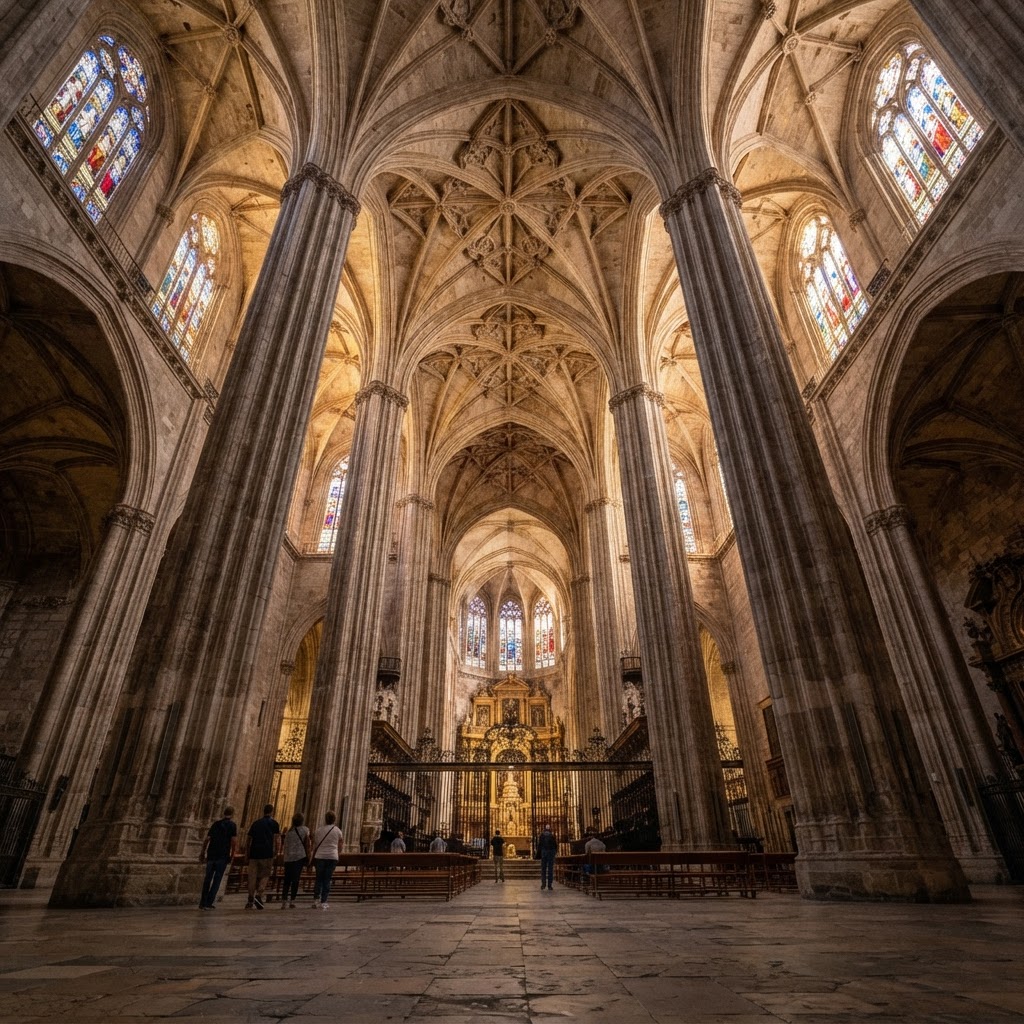
Walking into the central nave, the height of the vaulted ceilings makes you feel remarkably small. The scale is monumental, reaching 42 meters at its peak. The play of light through the massive stained-glass windows creates an ethereal atmosphere that changes depending on the time of day.
The Main Altarpiece
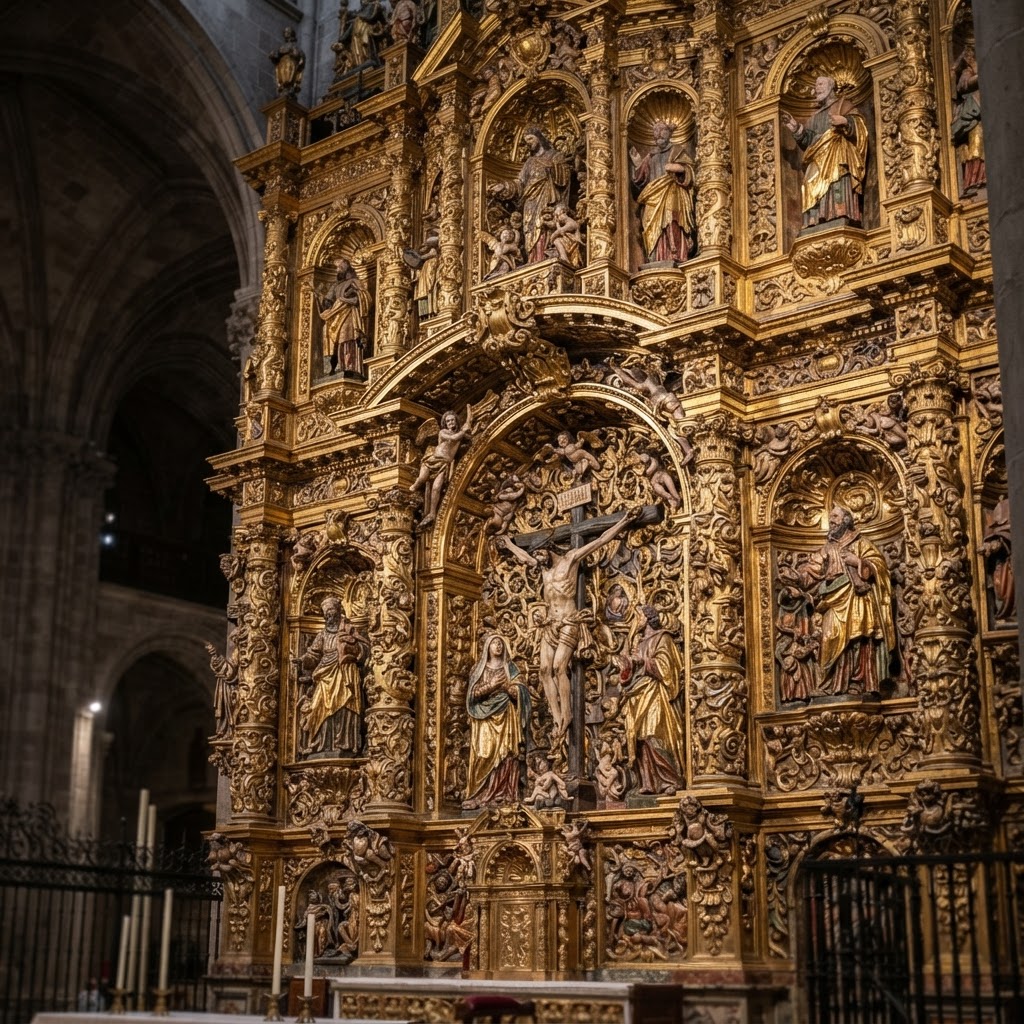
The Retablo Mayor, or main altarpiece, is often cited as the largest and most impressive in Christendom. It is a masterpiece of wood carving, gilded with gold leaf that catches the flickering candlelight. It features over 1,000 figures representing scenes from the life of Christ and the Virgin Mary, standing as a pinnacle of the Spanish Gothic movement.
The Giralda Tower: A View from Above
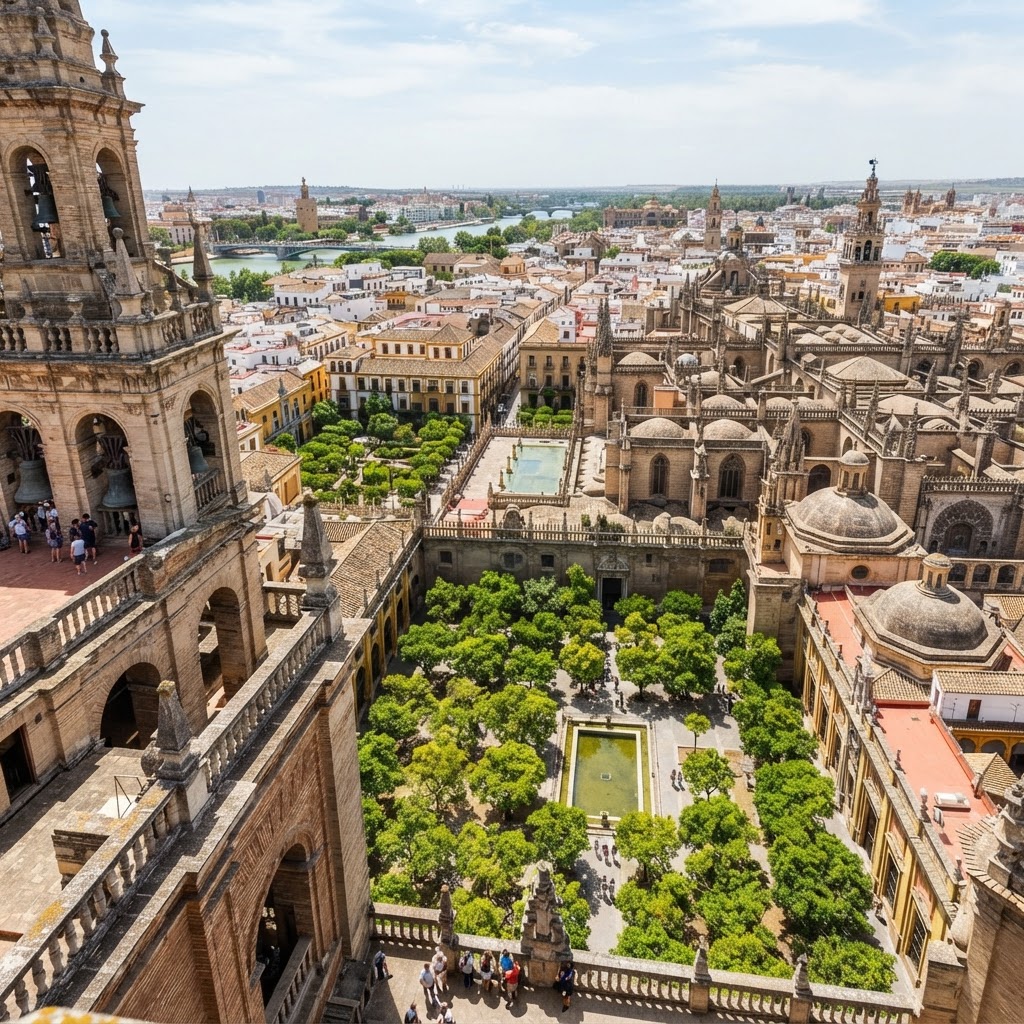
No visit is complete without ascending the Giralda. Unlike traditional bell towers with stairs, the Giralda features a series of 35 gentle ramps. It is said that these were designed to allow the Muezzin to ride his horse to the top to call the faithful to prayer. Once you reach the summit, the reward is an unparalleled panoramic view of the orange-tree-filled courtyards and the winding streets of Seville.
Symbolism of the Giralda
The tower symbolizes the meeting of two worlds. The lower two-thirds are clearly Islamic in design, characterized by intricate brickwork and sebka patterns. The upper portion, added by the Christians after the earthquake of 1356, represents the Renaissance transformation of the city. It is a perfect emblem of the city’s complex identity.
The Final Resting Place of Christopher Columbus
Perhaps the most famous feature inside the cathedral is the tomb of Christopher Columbus. The sarcophagus is carried by four statues representing the four kingdoms of Spain: Castile, Leon, Aragon, and Navarre. The bronze figures are frozen in a procession, making the tomb feel both regal and somber.
There is much historical debate regarding whether these are indeed the remains of the explorer, but the tomb remains an essential stop for history enthusiasts. It serves as a stark reminder of the global reach that originated from the ports of Spain during the Age of Discovery.
Treasures of the Sacristy
Beyond the altars and the tomb, the cathedral houses a treasury that would rival many royal collections. The collection includes gold and silver liturgical objects, reliquaries, and Renaissance paintings. The sheer amount of wealth on display reflects the importance Seville held as the primary port for the New World trade in the 16th century.
Notable Collections:
- El Tesoro: A vast collection of ecclesiastical gold and silver.
- Sacristy Mayor: A masterpiece of Plateresque design.
- Stained Glass: Windows dating back to the 16th century.
Practical Tips for Your Visit
Planning your visit effectively is key to enjoying the experience. The cathedral is one of the most visited sites in Spain, and the lines can be long. Always book your tickets online at least a few days in advance.
| Tip Type | Advice |
| :— | :— |
| Booking | Reserve online to skip the main queue |
| Timing | Visit early morning or late afternoon to avoid heat and crowds |
| Attire | Dress modestly to respect the religious nature of the site |
| Audio Guides | Highly recommended to understand the deep symbolism inside |
The Patio de los Naranjos
Before you exit, spend time in the Court of the Oranges. This was once the ablution courtyard of the mosque. The scent of orange blossoms in the spring creates an unforgettable sensory experience. It is the perfect place to sit, reflect on the history you have just witnessed, and appreciate the serene architecture that still echoes the design principles of the Moorish architects who first built it.
Conclusion
The Seville Cathedral is more than just a stone monument; it is the spiritual and historical heart of Spain. From the towering heights of the Giralda to the gilded mystery of the main altarpiece, every corner tells a story of change, faith, and artistic triumph. If you are planning a trip to the Iberian Peninsula, make sure this architectural marvel is at the top of your list. Have you visited Seville yet? Start planning your cultural adventure today and experience this masterpiece in person.
Leave a Reply