
Stepping into the heart of Seville, one cannot help but be dwarfed by the sheer, imposing majesty of the Cathedral of Saint Mary of the See. Often cited as the most beautiful cathedral in Spain, this architectural titan is more than just a place of worship; it is a sprawling testament to the layers of history that define Andalusia. With its roots stretching back to a 12th-century Almohad mosque, the structure serves as a physical timeline of the Reconquista and the subsequent rise of the Spanish Empire. Whether you are an architecture enthusiast or a curious traveler, stepping through its massive doors feels like walking into a sanctuary where time stands still.
The Grandeur of Gothic Design
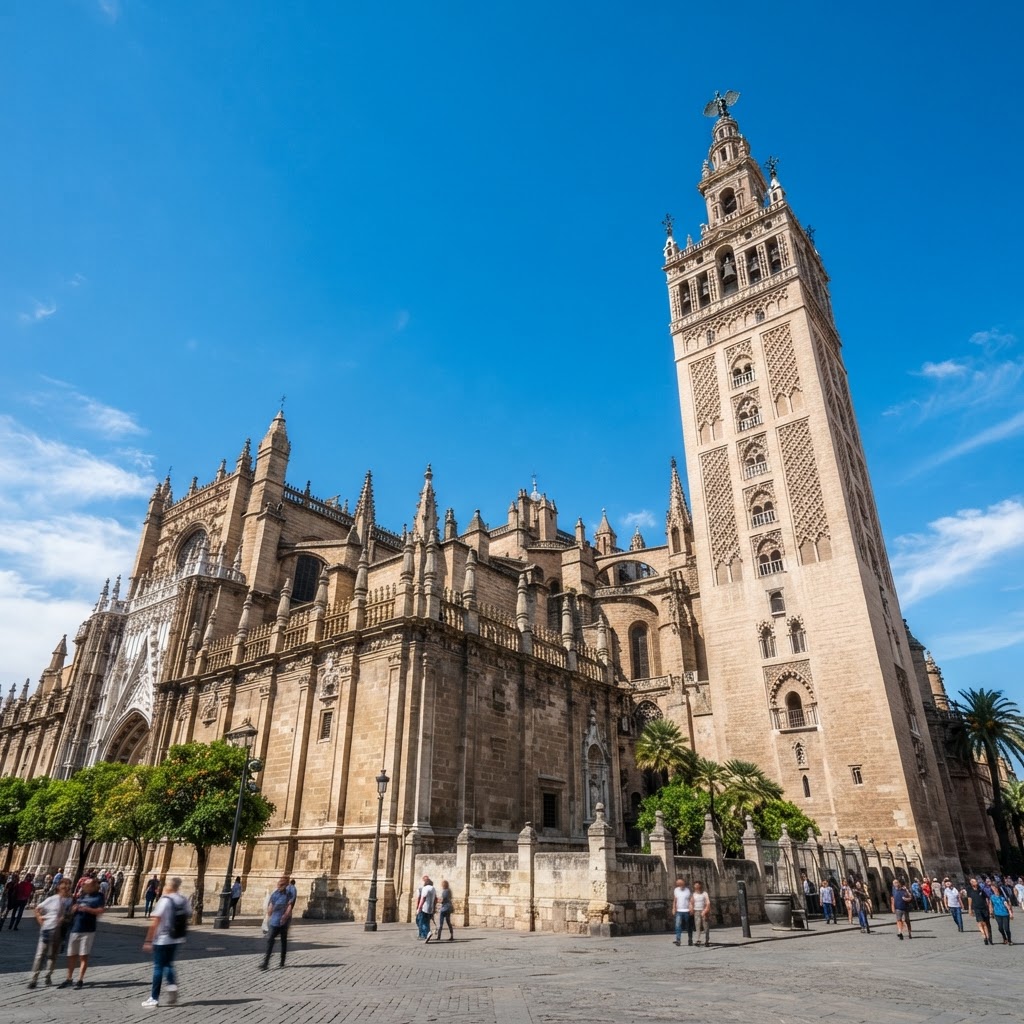
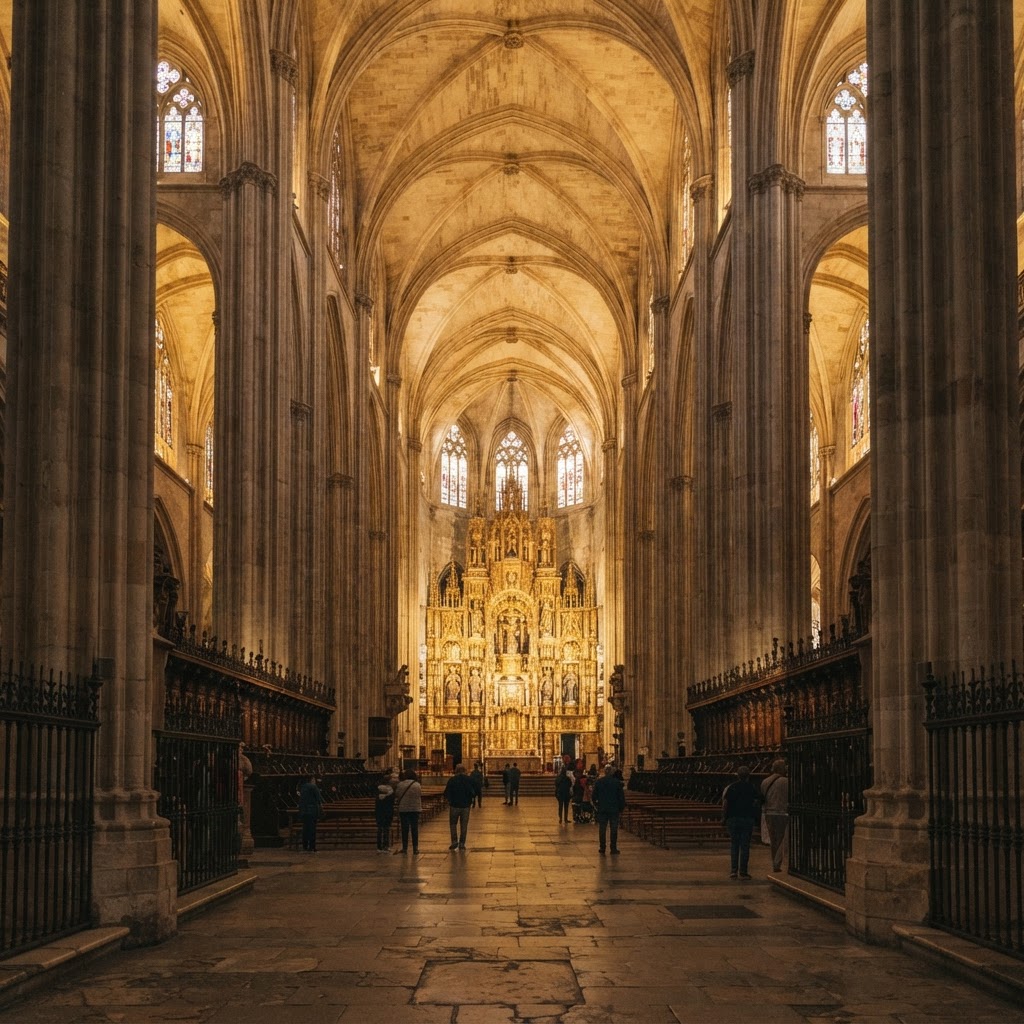
Seville Cathedral is widely recognized as the largest Gothic cathedral in the world, a title it carries with undisputed dignity. When construction began in the early 15th century, the builders famously declared their intent to create a structure so large that future generations would think them mad. They succeeded in creating a cavernous interior that captures light in a way that feels almost ethereal. The nave itself is the longest in the country, lined with massive pillars that reach toward vaulted ceilings decorated with intricate stone tracery.
Every corner of the interior reveals a new artistic wonder. From the central altarpiece, known as the Retablo Mayor, which is widely considered one of the most significant works of wood carving in the world, to the numerous side chapels, the detail is relentless. The interplay of shadows and golden light filtering through the stained glass creates an atmosphere of solemn beauty. It is this unique blend of scale and intimacy that makes it a contender for the title of the most beautiful cathedral in Spain.
The Giralda Tower: A Legacy of Cultures
No visit to the cathedral is complete without looking upward at the Giralda. This iconic bell tower was originally the minaret of the Great Mosque of Seville. Instead of tearing it down, the Christian conquerors repurposed it, adding a Renaissance-style top to house the bells. This hybridization is what makes the structure so fascinating; you can clearly see the distinct influence of both Moorish brickwork and Renaissance architectural precision.
Climbing the Ramp
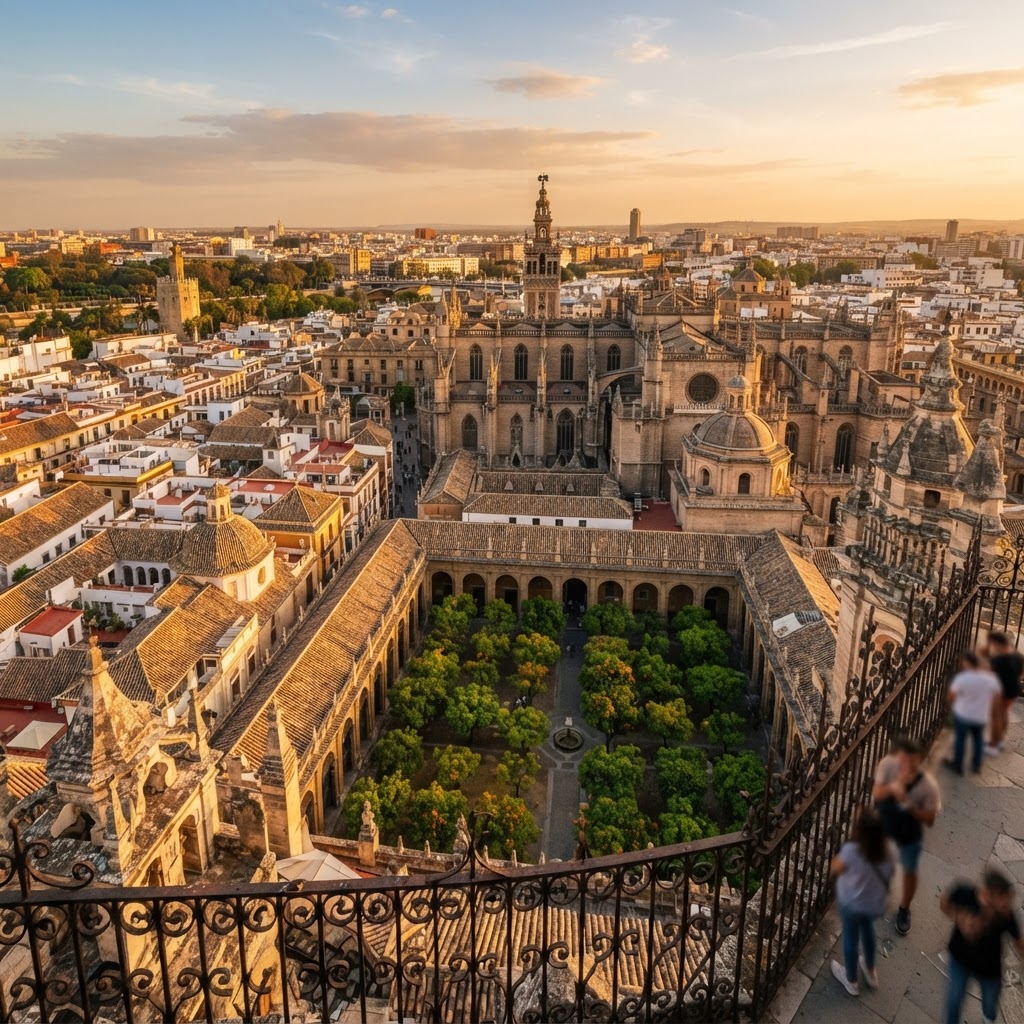
Unlike traditional bell towers that utilize narrow, winding staircases, the Giralda features a series of 35 ramps. Legend has it that the muezzin rode his horse to the top to issue the call to prayer. Today, the ramp provides a significantly more accessible climb for tourists. Once you reach the top, the panoramic view of the Seville skyline—white-washed buildings set against a deep blue sky—is unparalleled. It is the perfect vantage point to understand the layout of this historic city.
The Final Resting Place of Christopher Columbus
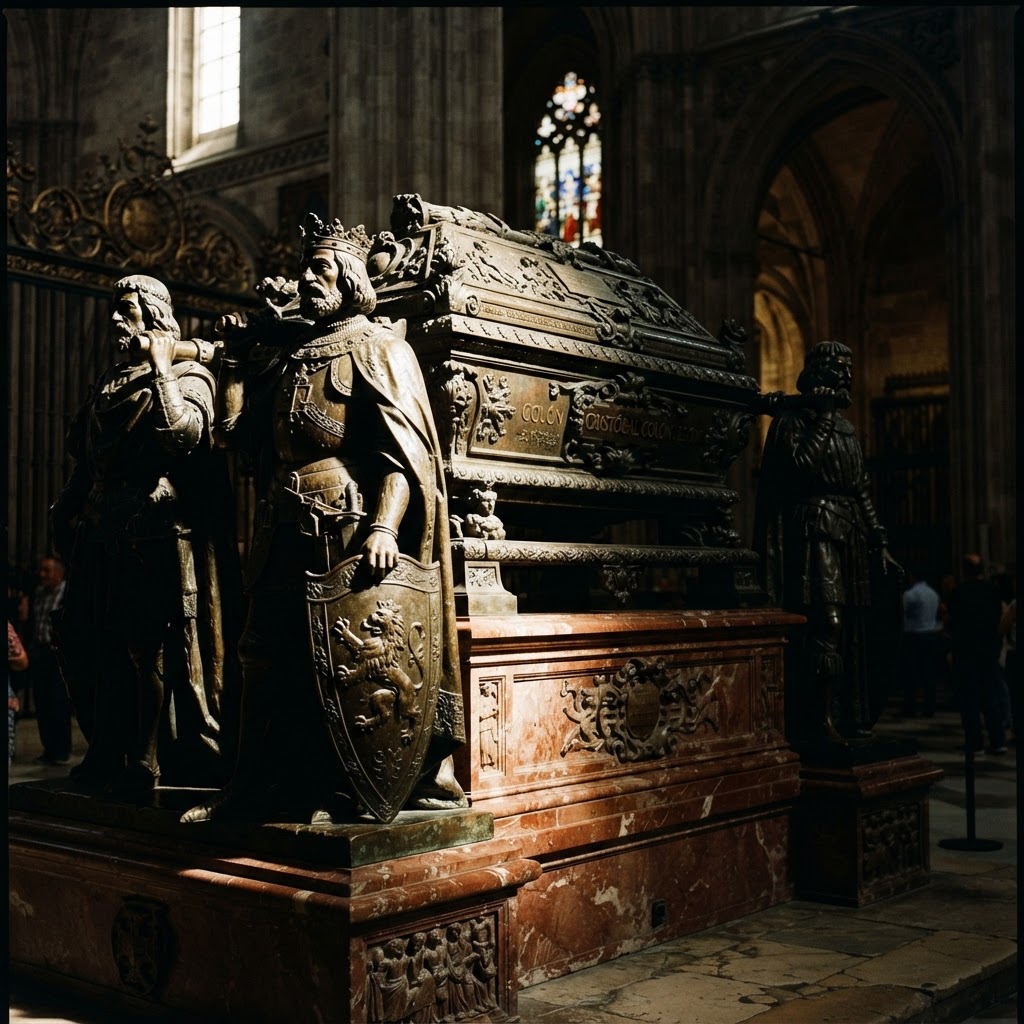
Among the many treasures housed within the Cathedral, the tomb of Christopher Columbus attracts the most attention. The monument depicts four life-sized figures representing the four kingdoms of Spain—Castile, Leon, Aragon, and Navarre—carrying the sarcophagus of the explorer. It is a visually arresting piece of funerary art that commands respect from every visitor.
Why Visit the Tomb?
- It serves as a symbol of Spain’s Age of Discovery.
- The craftsmanship represents the shift toward neoclassical artistic styles.
- It provides a focal point for the cathedral’s rich historical narrative.
Controversy occasionally swirls around whether the bones truly belong to Columbus, yet the monument remains an essential stop. Standing before it, you are reminded of the immense global impact that launched from the ports of Spain during the 15th century. It is a heavy, somber, and deeply beautiful part of the cathedral’s narrative.
Treasures of the Sacristy
Beyond the architecture, the cathedral functions as a living museum. The sacristy and treasury areas house an immense collection of gold and silver religious objects, vestments, and liturgical works. The sheer wealth displayed here speaks to the immense influence the church held during the height of the Spanish Empire. These rooms are filled with masterpieces by famous painters such as Goya and Murillo, whose works adorn the walls in a display of artistic devotion.
Take your time walking through these corridors. Each cabinet holds a story of patronage and piety. The ornate gold monstrances are particularly breathtaking, showcasing the intricate metalwork that the artisans of the era were capable of producing. It is a quiet, reflective space that contrasts sharply with the vast, echo-filled nave.
Practical Tips for Your Visit
To truly appreciate the most beautiful cathedral in Spain, you need to plan ahead. Seville is a popular destination, and the cathedral can draw significant crowds. Purchasing tickets online in advance is essential to skip the notoriously long lines that wrap around the orange-tree-filled courtyard known as the Patio de los Naranjos.
| Tip Type | Advice |
| :— | :— |
| Booking | Reserve tickets online at least two weeks early |
| Best Time | Visit in the early morning or late afternoon to avoid midday sun |
| Attire | Dress modestly to respect the religious nature of the site |
| Duration | Allocate at least 2.5 to 3 hours for a full tour |
Make sure to explore the Patio de los Naranjos before or after your tour. The scent of orange blossoms in the spring, combined with the view of the Giralda peering over the trees, provides the quintessential Seville experience. It is a place of peace, perfect for taking photos or simply sitting and absorbing the grandeur of your surroundings.
Architectural Synthesis: A World Heritage Site
What makes this cathedral stand out from other European landmarks is its ability to honor its history rather than erase it. UNESCO recognized the cathedral as a World Heritage site precisely because of this unique synthesis of Islamic and Christian architectural styles. It is a dialogue between two worlds that tells the story of the Mediterranean’s complex past. As you wander through the space, look for the subtle Islamic details hidden in the stonework, a subtle nod to the mosque that existed centuries before the current structure was completed.
This synthesis reminds us that beauty often arises from complexity. The cathedral is not just a uniform Gothic construction; it is a collage of architectural eras. This makes it an endlessly rewarding subject for photographers and history buffs alike. Every stone seems to have a secret, and every archway frames a piece of history that remains alive today.
Conclusion
Seville Cathedral is more than just a tourist attraction; it is the soul of Andalusia. From its massive, soaring Gothic arches to the intricate, repurposed masonry of the Giralda, it remains the most beautiful cathedral in Spain. It is a space where the weight of history and the height of human artistic achievement intersect. Whether you are there for the history of Christopher Columbus, the climb up the Giralda, or the quiet contemplation of its treasures, the experience is transformative. If you are planning a trip to Spain, ensure this landmark is at the top of your itinerary. Have you visited this incredible structure yet, or is it still on your bucket list? Share your travel dreams in the comments below, and start planning your journey to the heart of Seville today!
Leave a Reply