
There is a singular, otherworldly beauty in standing upon the edge of a frozen Norwegian coastline, waiting for the night sky to ignite with color. The northern light is not merely a phenomenon of physics; it is a spiritual experience that draws travelers from every corner of the globe to the rugged, icy reaches of northern Norway. When the aurora dances above the deep, obsidian waters of a fjord, the landscape transforms into a canvas of shifting greens, violets, and crimsons. It is a moment of profound silence, broken only by the rhythmic lapping of the tide against the shore.
For those who dream of witnessing this celestial spectacle, Norway offers a premier stage. The unique combination of coastal geography, low light pollution, and high-latitude vantage points makes the country an unparalleled destination. Whether you are navigating the narrow channels on a ship or standing in the heart of a Sami encampment, the northern light promises to be the highlight of your travel life. This guide will walk you through everything you need to know about chasing the aurora borealis in the majestic landscapes of the north.
The Magic of the Northern Light in Norway
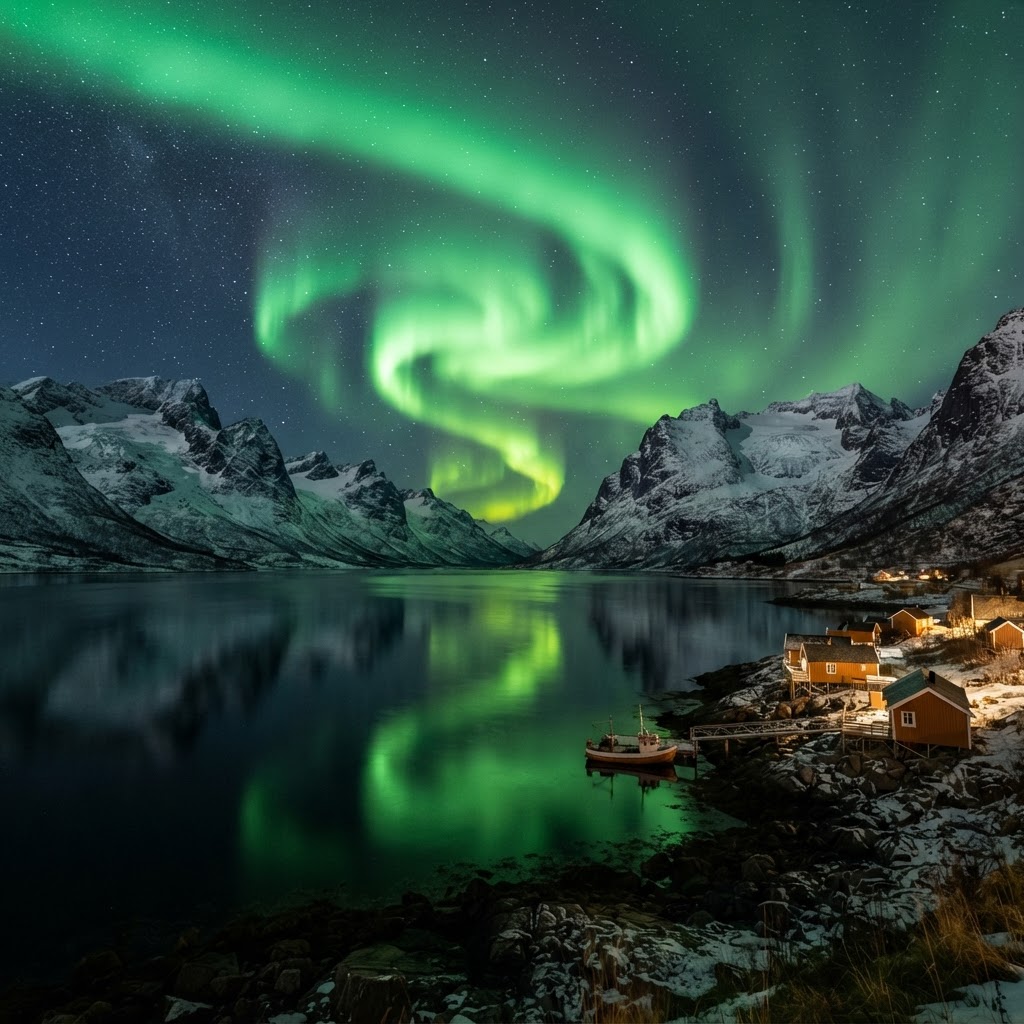
The northern light, scientifically known as the aurora, occurs when solar particles collide with the Earth’s atmosphere near the magnetic poles. Because Norway spans such a vast range of latitudes, it offers some of the most consistent and breathtaking displays on the planet. Unlike regions plagued by industrial glare, the remote stretches of northern Norway provide a pristine dark sky where light pollution is practically non-existent. This ensures that when the activity begins, you see the northern light in its purest, most vivid form.
Many travelers wonder if they should choose Norway or Iceland for their quest. While Iceland offers volcanic grandeur, Norway provides the added drama of the fjords. The deep, narrow valleys carved by glaciers reflect the shimmering aurora, effectively doubling the light show as the colors ripple across the surface of the fjord. This creates a mirrored effect that is unmatched in other polar regions. The Norwegian experience is also deeply rooted in cultural history, allowing visitors to engage with the indigenous Sami people and learn about their ancestral relationship with the night sky.
Planning Your Arctic Adventure
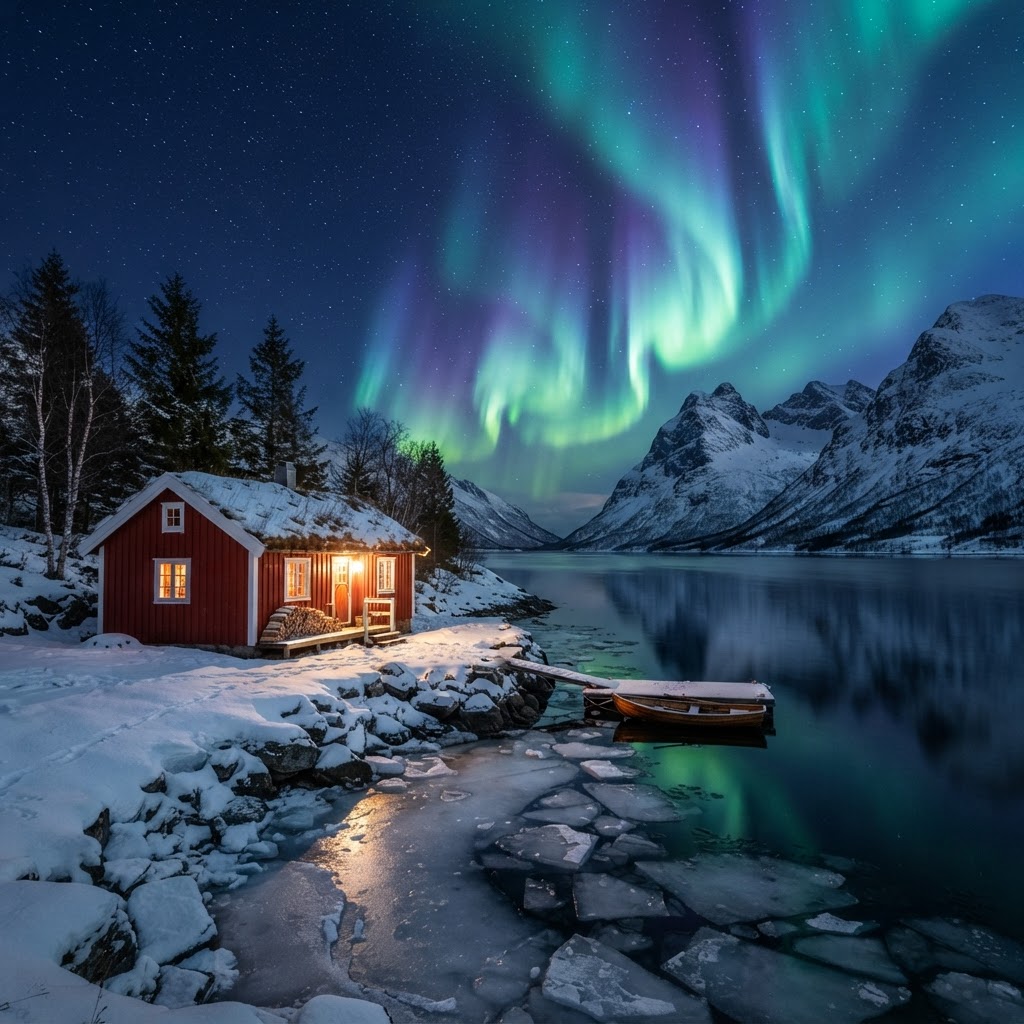
To see the northern lights in Norway, timing is everything. You must travel during the dark months, typically between late September and late March. While the midnight sun dominates the summer months, the winter provides the necessary darkness for the aurora to manifest. Many people ask, “What month is best to see the northern lights in Norway?” February and March are often cited as ideal, as the skies tend to be clearer and the temperatures, while still frigid, are slightly more manageable than the depths of midwinter.
For those looking for specific dates, you might be asking: “When can you see the northern lights in Norway in 2026?” The solar cycle is currently approaching a peak in activity, making the 2026 season a potentially historic time to witness the northern light. Booking your trip well in advance is essential, especially if you plan to visit popular hubs like Tromsø, Alta, or the Lofoten islands. These areas are specifically positioned under the ‘aurora oval,’ giving you the best chance to witness high-intensity displays.
Cruising the Fjords and Chasing the Aurora
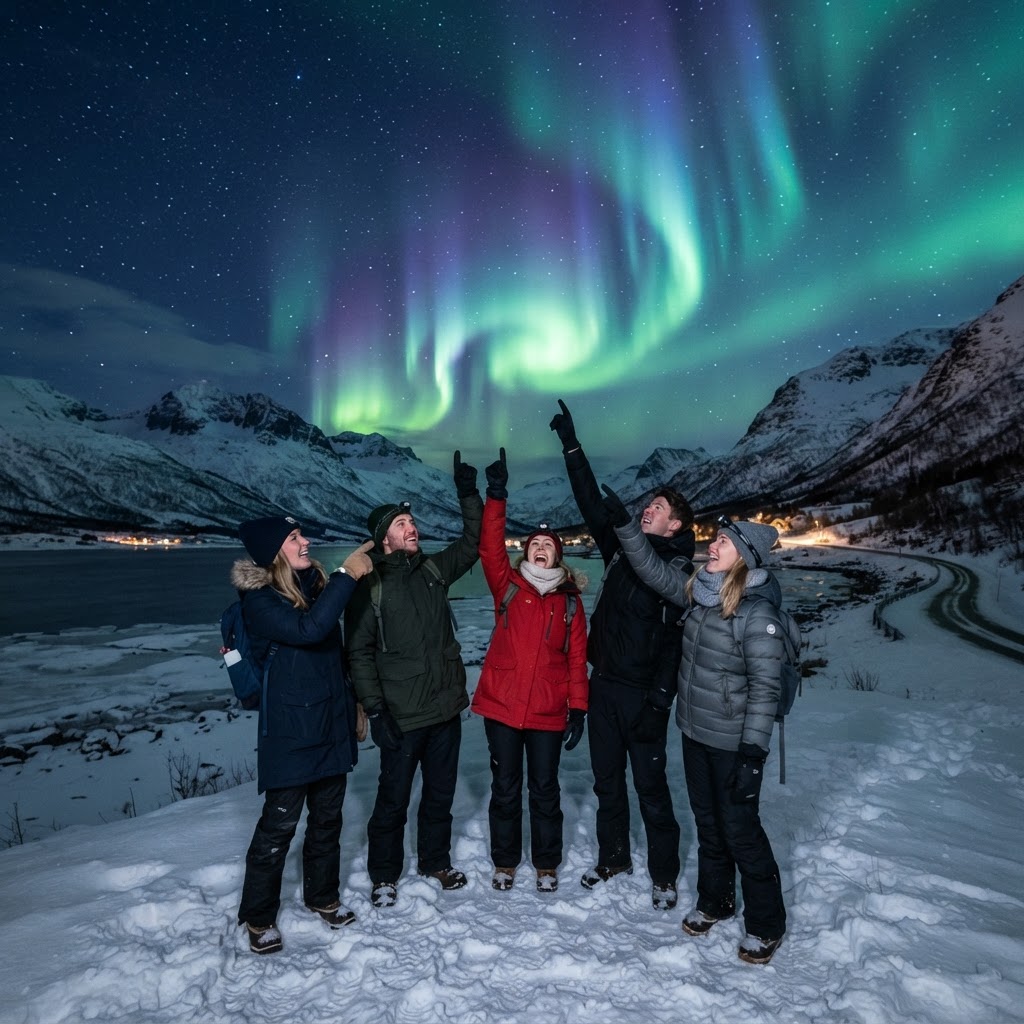
“Will I see the northern lights on a fjords cruise?” This is perhaps the most common question among first-time visitors. The answer is a resounding yes, provided you select the right itinerary. Cruises, particularly the iconic Hurtigruten or Havila voyages, traverse the coastline, taking you deep into the heart of the most beautiful fjords. Being on a ship is advantageous because if the weather is cloudy in one area, the captain can navigate toward clear skies in a neighboring fjord.
These voyages are designed with the northern light in mind. Many offer ‘aurora alerts’ that will wake you in your cabin if the show begins in the middle of the night. Beyond the aurora, the cruise experience is filled with opportunities for excursions. You might participate in husky sledding through snow-covered mountain passes, or visit a local Sami camp to learn about reindeer herding. Each stop, from the bustling port of Tromsø to the quieter, more secluded villages near Kirkenes, offers a different flavor of Norwegian culture.
Top Destinations to See the Northern Lights
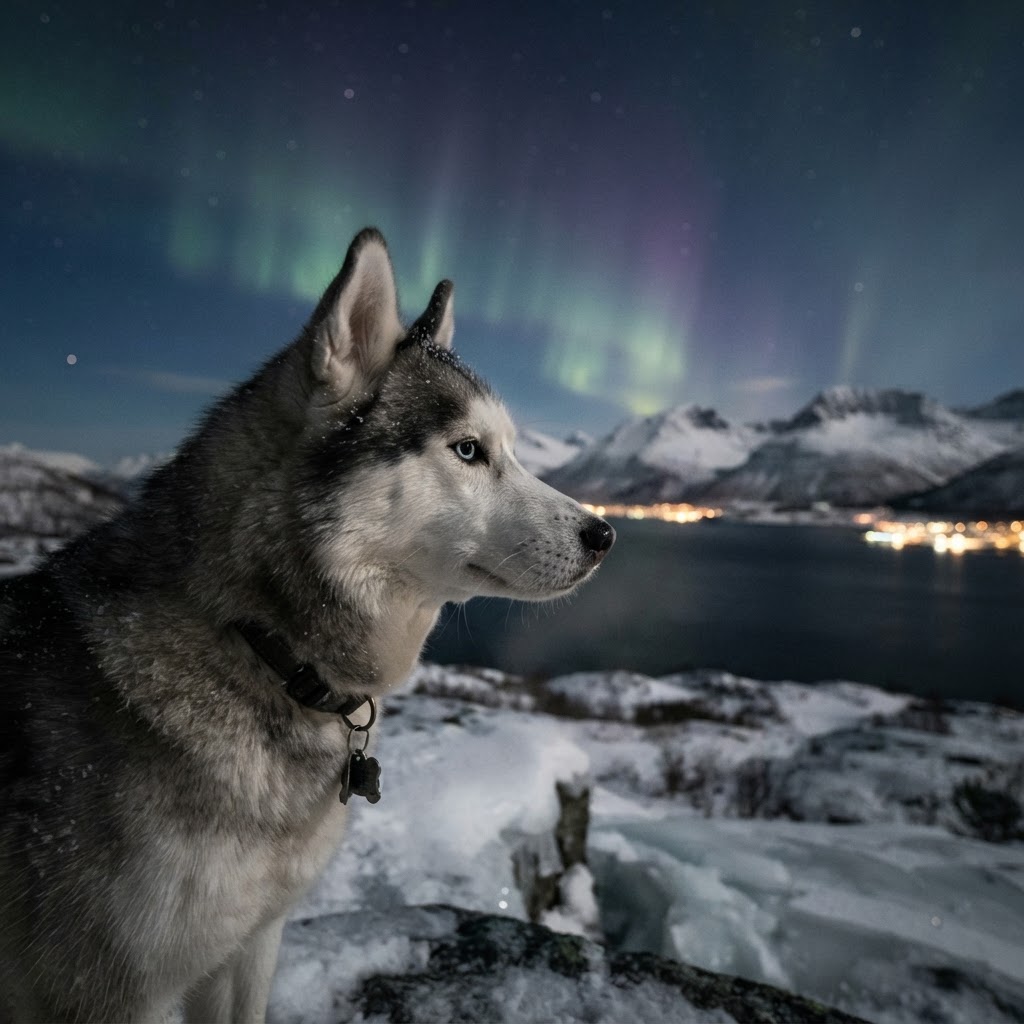
If you want to maximize your odds, you need to head north. Tromsø is often considered the northern light capital of the world. It is large enough to offer fine dining and comfortable hotels but small enough that you can escape the city center in minutes to find total darkness. The city serves as a gateway to the mountains, where you can watch the aurora paint the sky above the fjords.
For those seeking something more dramatic, the Lofoten islands offer a breathtaking landscape of jagged peaks rising directly from the sea. The contrast between the snowy mountains and the dancing lights is legendary. Farther east, Alta is famous for being the site of the world’s first northern light observatory. It is an excellent choice for travelers who prefer a drier climate, which often leads to clearer skies and a better chance to see the lights.
Expert Tips for a Successful Hunt
Even with the best planning, nature is unpredictable. To ensure you see the northern lights, patience is your best friend. Download an aurora forecast app to track solar activity and cloud cover. Always dress in layers—wool base layers, a fleece mid-layer, and a windproof, waterproof outer shell are mandatory in the Arctic. You will be standing still for long periods, which saps your body heat quickly.
Photography is another key aspect. To capture the northern light effectively, you need a tripod and a camera that allows manual control of the aperture and shutter speed. Set your lens to its widest aperture and experiment with shutter speeds between 5 and 15 seconds. Don’t be afraid to take many photos; sometimes the camera sees the aurora before your eyes can adjust to the darkness. Focus on your composition, incorporating the fjord or a mountain silhouette to add scale and depth to your shots.
Cultural Connections in the North
The history of the northern light is deeply embedded in the culture of the indigenous Sámi people. For generations, they have viewed the aurora with great reverence and respect. During your time in Norway, take the opportunity to stay in a traditional lávvu or a cozy cabin. Engaging with local guides who understand the land and the sky adds a layer of depth to your journey that is impossible to replicate with a simple tour.
Whether you are visiting for the thrill of a husky sled ride or the quiet contemplation of the midnight silence, the Arctic landscape changes you. The northern light acts as a reminder of how small we are in the grand scheme of the universe. It is a humbling, awe-inspiring display that remains one of the greatest travel experiences available on Earth.
Conclusion
The northern light in Norway is a bucket-list experience that combines natural beauty, adventure, and the serene quiet of the Arctic. By choosing the right time of year, selecting a base in Northern Norway, and being prepared for the unpredictable weather, you can witness the aurora borealis dancing over the fjords. Do not wait for the perfect moment to arrive; start planning your journey to Norway today to see the lights for yourself. Whether you choose a scenic cruise or an intimate cabin stay, the memory of that green light flickering across the night sky will stay with you forever. Start your adventure now!
Leave a Reply