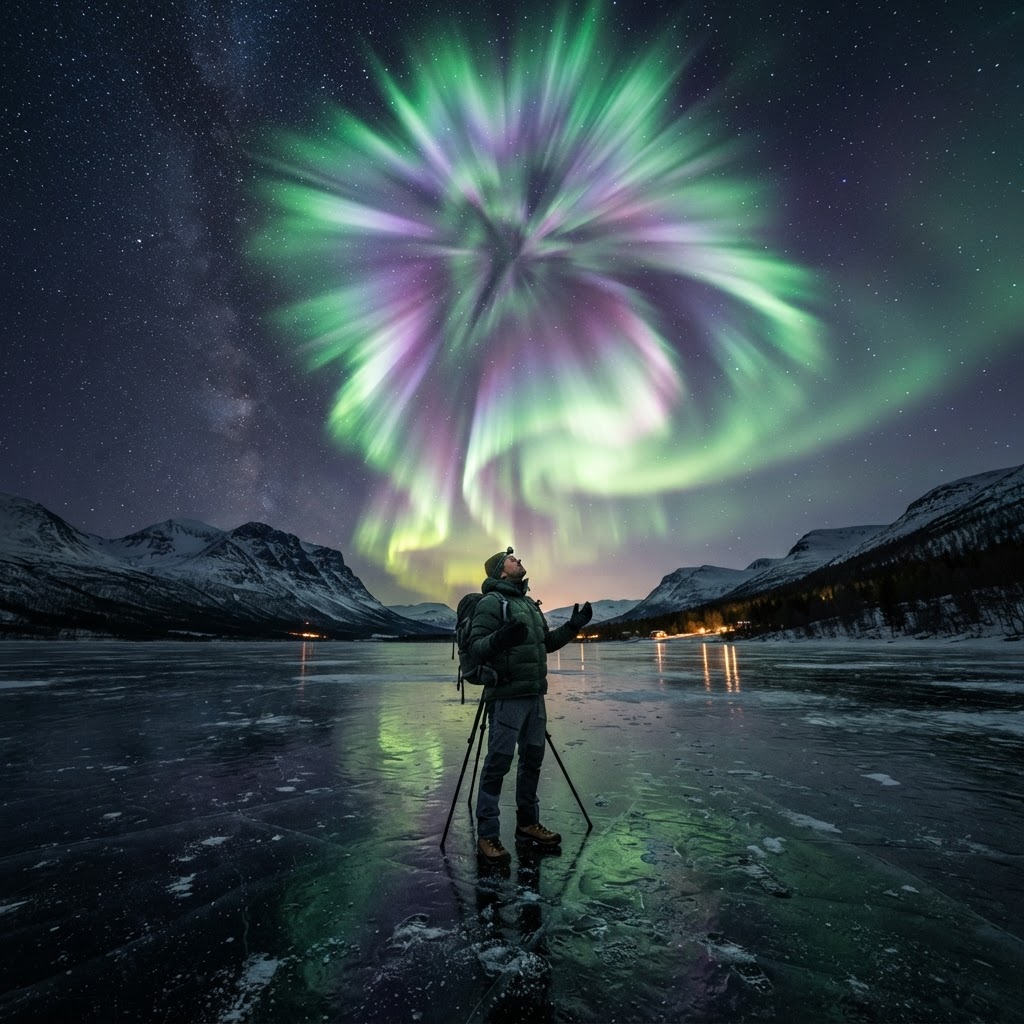
Imagine standing in the silent, frozen expanse of the Arctic wilderness, where the air is so crisp it sparkles, and suddenly, the sky ignites. It is not just a flicker; it is a curtain of emerald green, violet, and blood-red light dancing directly overhead. This is the sensation of witnessing the Northern Lights so vividly that you feel as if you could reach up and touch the celestial ribbons. For many, the aurora borealis is the ultimate bucket-list dream, a dance of solar particles hitting the atmosphere that defies simple description.
The Magic of the Aurora Borealis
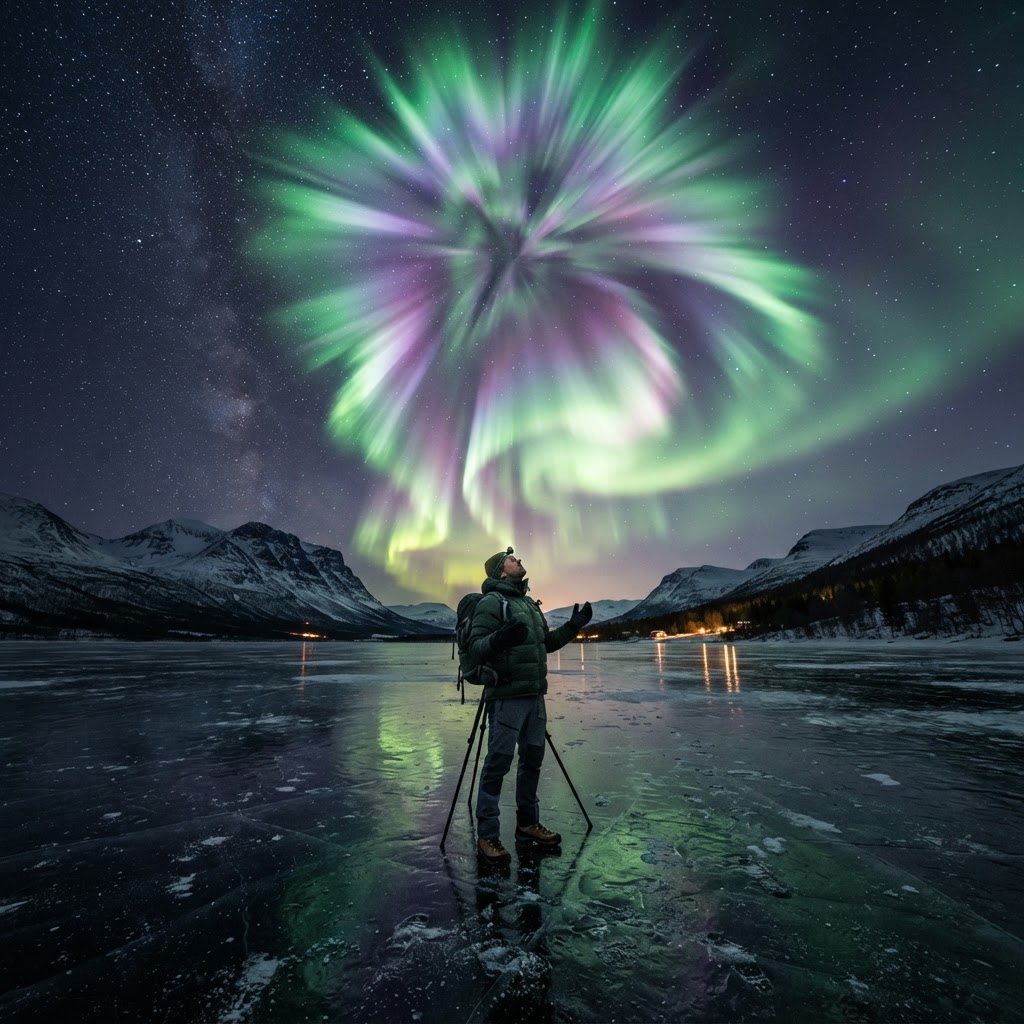
The Northern Lights, or aurora borealis, are a natural phenomenon caused by the collision of charged particles from the sun with atoms in the Earth’s upper atmosphere. While scientifically complex, the experience itself is deeply spiritual and grounded in the immediate landscape. When conditions are perfect—clear, dark, and far from light pollution—the aurora can seem to descend toward the horizon, creating an immersive, dome-like experience.
Why Some Places Feel Closer Than Others
The perception of being able to touch the lights usually depends on the topography and the lack of atmospheric interference. When you travel to remote locations in the high Arctic, away from the warm glow of city lights, your eyes adjust to the darkness. This heightened sensitivity makes the lights appear brighter, more active, and significantly closer to your position on the ground.
Top Destinations to Experience Aurora Magic
Not all places within the auroral zone are created equal. To get the feeling of an intimate encounter with the lights, you need locations that combine high geomagnetic latitude with low light pollution.
- Tromsø, Norway: Known as the gateway to the Arctic, offering fjord-side viewing.
- Abisko, Sweden: Famous for the “Blue Hole,” a unique microclimate that keeps the sky clear.
- Yellowknife, Canada: Offers vast, flat landscapes providing a 360-degree view of the horizon.
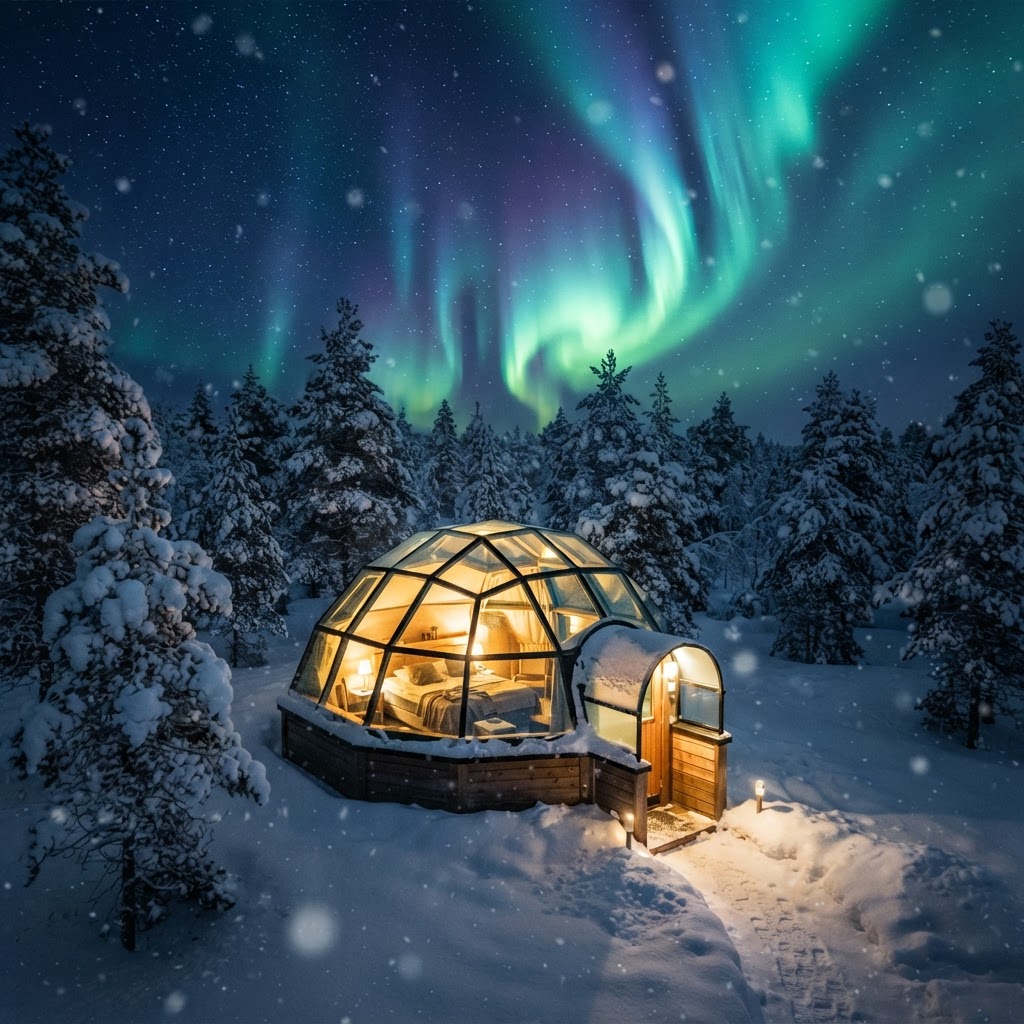
- Kakslauttanen, Finland: Famous for its glass igloos that allow you to watch the lights from your bed.
Each of these locations offers a different “flavor” of the aurora. In the fjords of Norway, the lights reflect off the water, doubling the visual impact and making the atmosphere feel heavy with light. In the Canadian wilderness, the sheer vastness of the plains makes the sky look like a massive, living canvas.
Preparing for Your Arctic Adventure
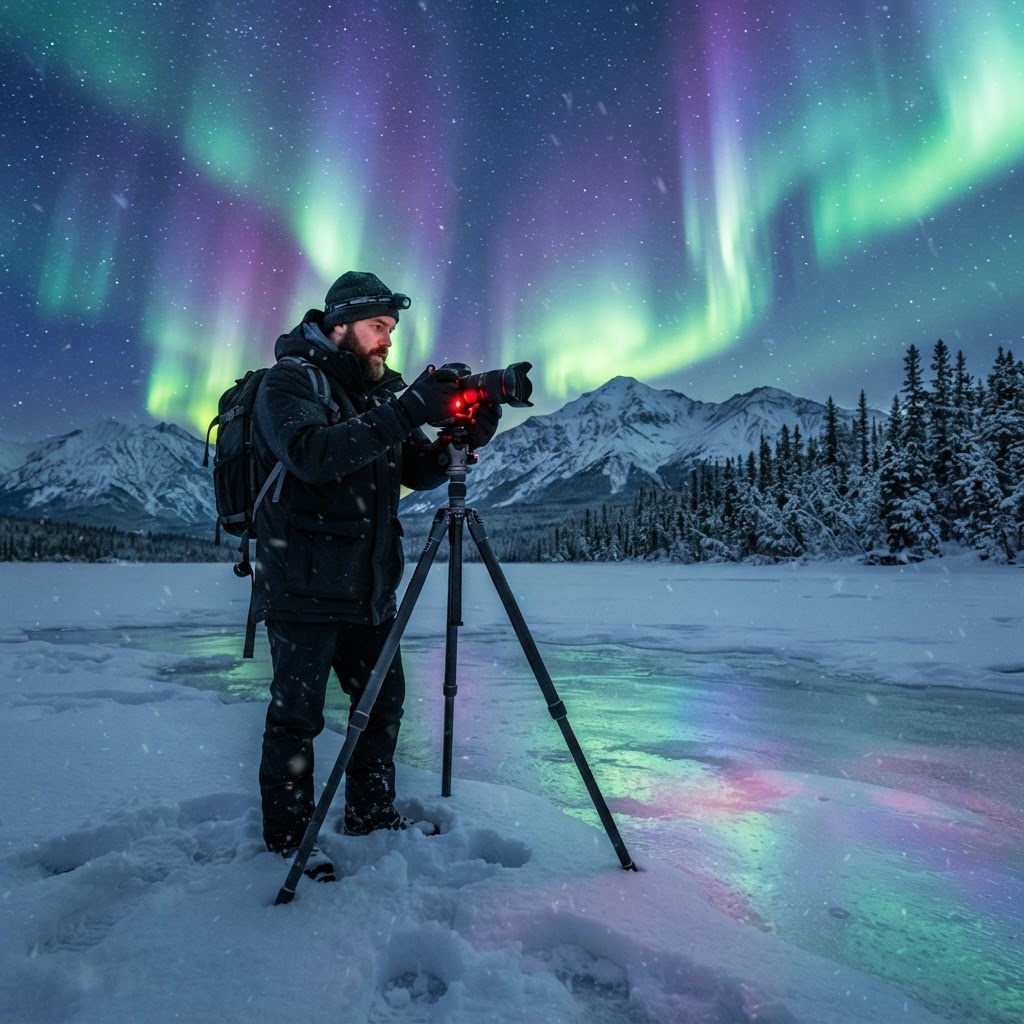
Chasing the Northern Lights requires patience, preparation, and a healthy respect for the cold. The most important factor in your success is your willingness to wait. Aurora activity is unpredictable, and even the most seasoned hunters have spent nights in the cold without a single glimmer of light.
Essential Gear for Aurora Chasing
To keep your experience comfortable enough to stay outside, you must invest in high-quality gear. Think in terms of layers: a thermal base layer, an insulating mid-layer like wool or fleece, and a windproof, waterproof outer shell. Do not forget chemical hand warmers and insulated boots rated for sub-zero temperatures. If you are cold, you will go inside, and that is when you will miss the show.
Camera Settings for Beginners
If you want to capture the feeling of being close to the lights, a smartphone won’t always suffice. You need a camera with a manual mode, a wide-angle lens, and a sturdy tripod.
| Setting | Recommendation |
| :— | :— |
| Aperture | f/2.8 or wider |
| ISO | 1600 – 3200 |
| Shutter Speed | 5 – 15 seconds |
| Focus | Manual, set to infinity |
The Science of ‘Almost Touching’ the Lights
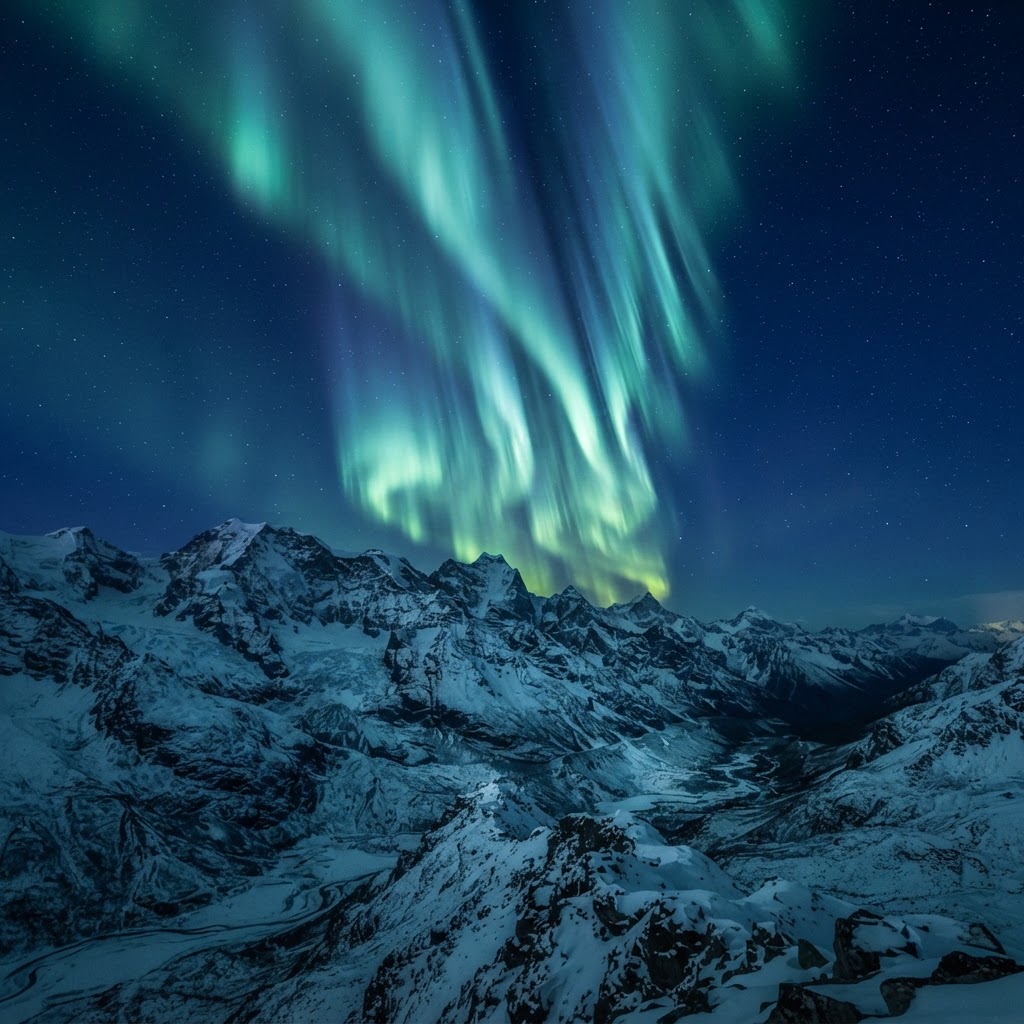
When we talk about the lights feeling close, we are describing the “Corona” effect. This happens when the aurora forms directly overhead, creating a crown of light that radiates outward. Because the lights are moving rapidly and filling your entire field of view, your brain loses its ability to judge distance, making the aurora feel like a physical presence rather than a distant atmospheric event.
Navigating the Challenges of Aurora Hunting
Nature is the final arbiter of your experience. Even if you book the most expensive tour, you are at the mercy of solar activity and local weather. High-altitude clouds can block the show entirely, which is why choosing a location with a high probability of clear skies is essential. Apps that track the Kp-index and cloud cover are your best tools, but they should be used as guides, not guarantees.
The Importance of Local Guides
If this is your first time chasing the aurora, hiring a local guide is invaluable. They have years of experience reading the local weather patterns and know the secret spots away from the tour buses. A good guide will move you to different locations to escape clouds, effectively turning the odds in your favor.
Ethics and Dark Sky Tourism
As the popularity of aurora chasing grows, so does the impact of tourism on the Arctic. It is vital to practice “leave no trace” principles, even in the snow. Do not leave trash, stay on marked paths, and respect private property. Additionally, keep your artificial lights to a minimum; white light can ruin your night vision and that of the photographers around you.
Capturing the Moment for Posterity
Beyond just the settings, consider the composition of your shots. To give a sense of scale, always include a foreground element. A silhouette of a pine tree, a small cabin, or a person standing in the snow provides the viewer with a sense of perspective. Without a reference point, the lights can look abstract; with a reference point, the viewer can feel how massive and close the aurora truly is.
Conclusion
The quest to see the Northern Lights is about more than just checking off a bucket list item; it is about reconnecting with the wild, untamed beauty of our planet. When you finally find yourself under that dancing sky, feeling the cold air on your face and the wonder in your heart, you will understand why travelers return year after year. It is a humbling, breathtaking reminder of the solar energy that flows through our cosmos. Start planning your journey to the Arctic today—the sky is waiting to put on a show just for you. Book your trip to the high north, prepare your gear, and get ready to stand beneath the magic.
Leave a Reply