
Norway is a land defined by its dramatic topography, where the mountains collide with the sea in a spectacular display of geological artistry. Among the most sought-after experiences for any traveler are Norway’s most beautiful fjord views, which offer a sense of scale and serenity that is difficult to find anywhere else on Earth. These deep, carved inlets, framed by sheer granite cliffs and cascading waterfalls, serve as the crown jewels of Scandinavian tourism. Whether you are a photography enthusiast, a rugged hiker, or simply someone seeking a peaceful escape, the Norwegian fjords promise an experience that stays with you long after you return home.
The Geological Marvel of Norwegian Fjords
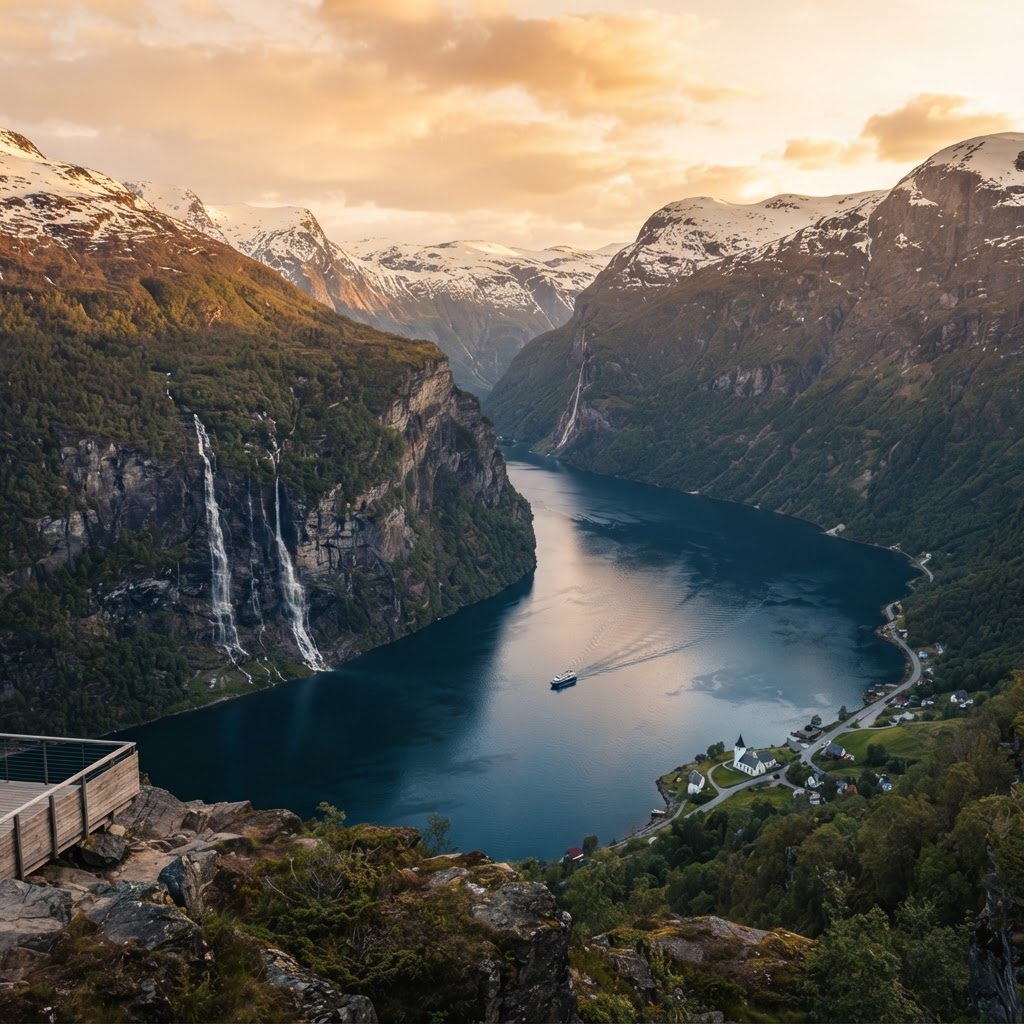
The fjords of Norway are more than just pretty scenery; they are the result of millions of years of glacial erosion. As ice sheets retreated during the last ice age, they left behind deep, U-shaped valleys that were subsequently flooded by the rising ocean. This process created the iconic landscape we see today, characterized by massive vertical walls and deep, dark waters that reflect the sky like a mirror. Understanding the geography of the fjords helps travelers appreciate the sheer magnitude of the landscapes they are visiting.
Why Norway’s Fjords are Unique
What sets Norwegian fjords apart from similar formations in New Zealand or Alaska is the proximity of human civilization to untamed nature. You can enjoy a world-class meal in a charming fjord-side village like Flåm before taking a ferry directly into the heart of the wilderness. The accessibility of these remote areas is what makes visiting Norway’s fjords such an appealing prospect for modern travelers.
Geirangerfjord: The Crown Jewel
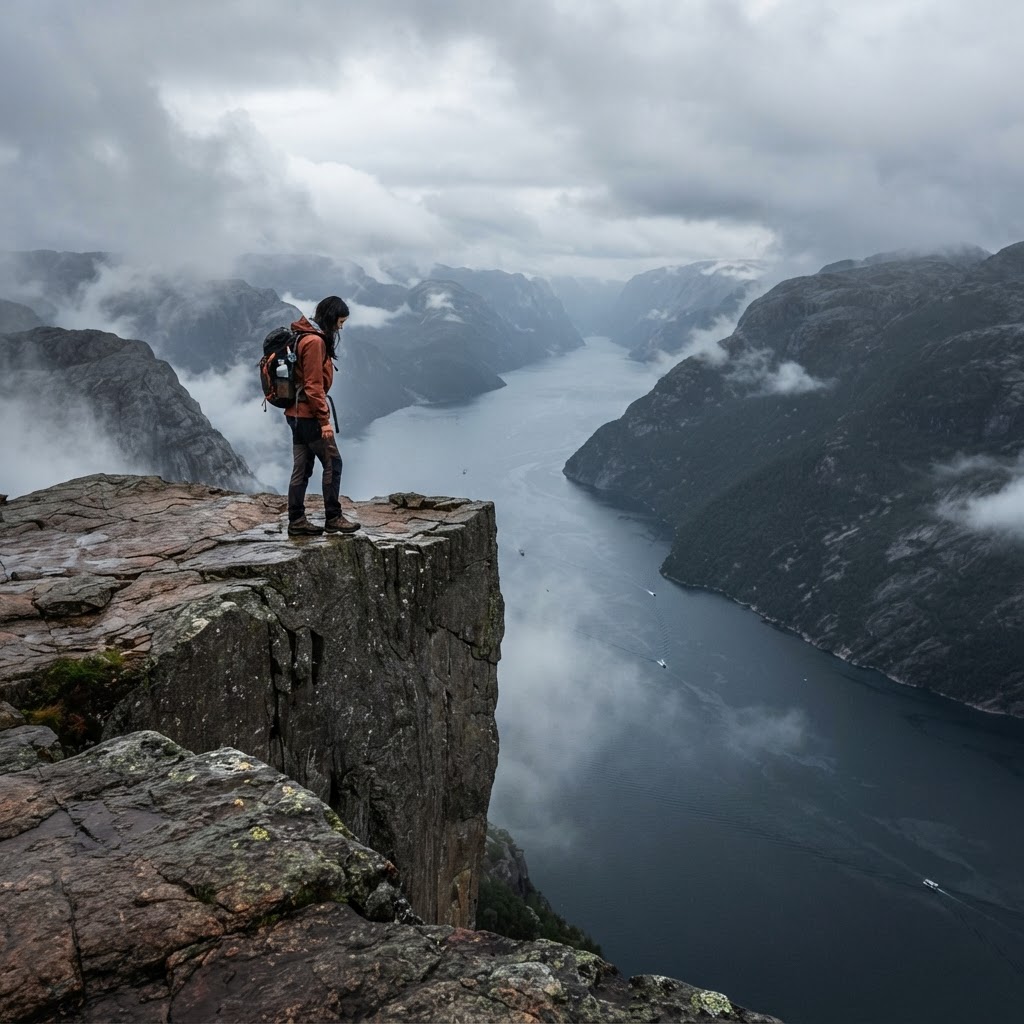
Often cited as one of the most beautiful places on the planet, Geirangerfjord is a UNESCO World Heritage site that truly lives up to its reputation. The deep blue water is surrounded by majestic, snow-covered mountain peaks and abandoned mountain farms that cling precariously to the cliffs. The primary attraction here is the ‘Seven Sisters’ waterfall, where seven separate streams tumble down the rock face in a synchronized display of raw power.
Best Vantage Points in Geiranger
To capture the perfect image, head to the Flydalsjuvet viewpoint. It offers a panoramic perspective of the fjord that perfectly captures the curve of the water and the looming mountains. Another excellent spot is the Ørnesvingen, or ‘Eagle’s Bend,’ which provides a zigzag road perspective overlooking the entire fjord arm, making it ideal for those interested in landscape photography.
Nærøyfjord: The Narrow Majesty
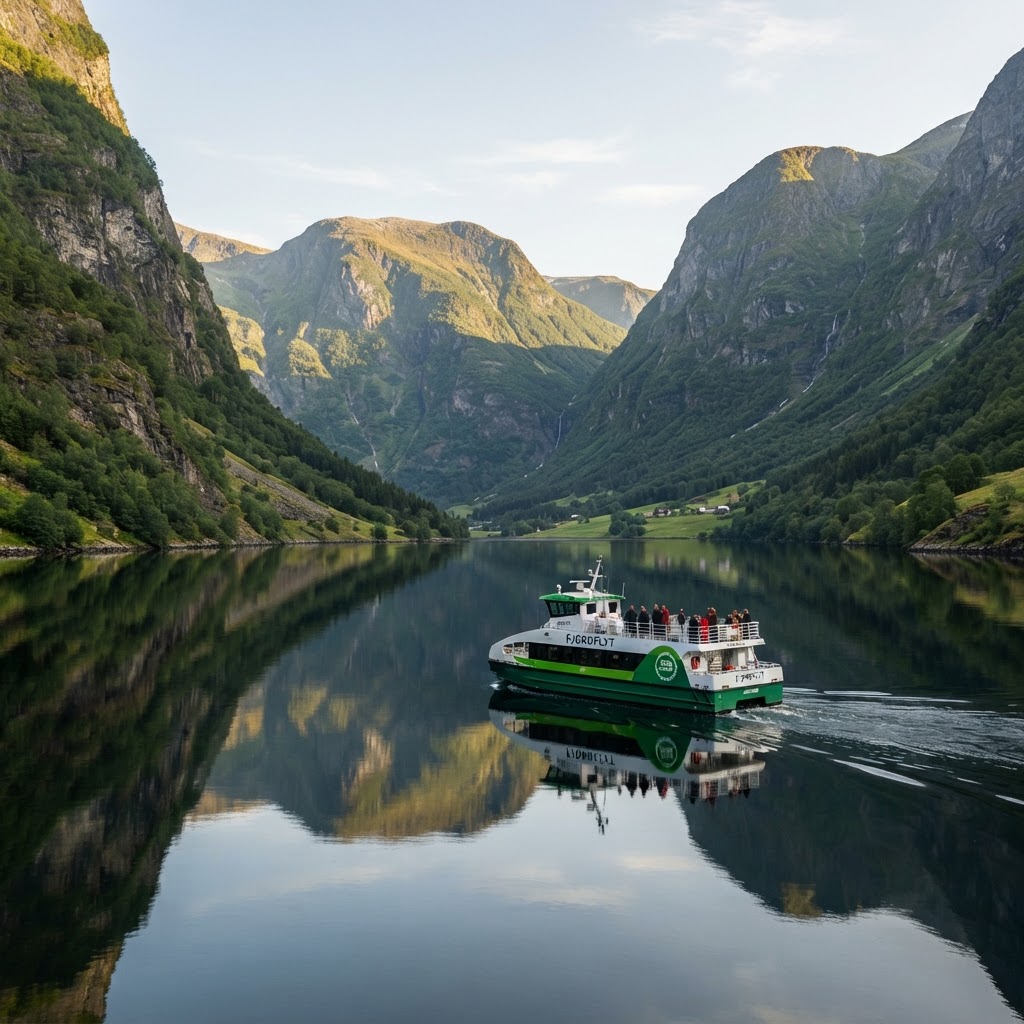
If Geirangerfjord is the grand stage, Nærøyfjord is the intimate masterpiece. As one of the narrowest fjords in the world, it creates a claustrophobic yet beautiful sense of scale. At its narrowest point, the fjord is only 250 meters wide, while the mountains rise over 1,700 meters above the water. Traveling through this fjord on an electric ferry is a silent, immersive experience that allows you to hear the sounds of nature without the hum of an engine.
Why Nærøyfjord is a Must-See
Because it remains largely untouched by large-scale infrastructure, Nærøyfjord retains a wild, authentic atmosphere that is becoming increasingly rare. It is the perfect location for those looking to experience the silence of the Norwegian wilderness.
Exploring the Sognefjord Region
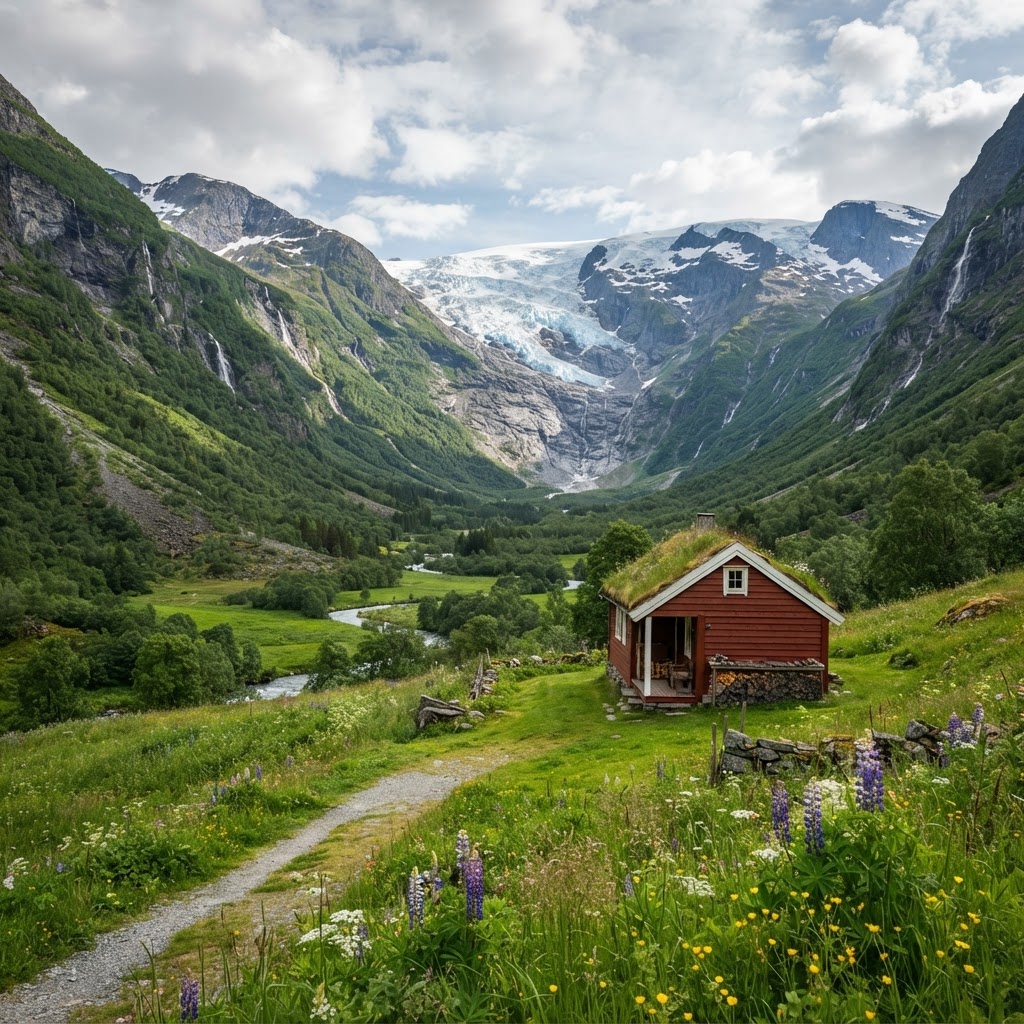
Known as the ‘King of the Fjords,’ Sognefjord is the longest and deepest fjord in Norway. It stretches 205 kilometers inland from the coast, offering a sprawling network of smaller arms and branches. Because of its sheer size, you could spend weeks in this region and still discover new corners to explore. From glacial hikes to traditional stave church visits, Sognefjord serves as a hub for diverse Norwegian experiences.
Activities for Every Traveler
- Kayaking the calm waters for a unique perspective.
- Hiking to Jostedalsbreen, the largest glacier in continental Europe.
- Taking the scenic Flåm Railway to ascend the mountain plateau.
- Cycling the Rallarvegen route for breathtaking vistas.
Lysefjord: Home of the Pulpit Rock
Lysefjord is famous not just for its stunning vertical cliffs, but for being the home of Preikestolen, or Pulpit Rock. This flat-topped mountain formation rises 604 meters straight up from the fjord, offering what is arguably the most famous viewpoint in the country. Hiking to the top of Preikestolen is a rite of passage for many, rewarding hikers with a vertigo-inducing view that stretches for miles across the sparkling water below.
Practical Tips for Your Fjord Adventure
Planning a trip to see Norway’s most beautiful fjord views requires a bit of foresight. The weather in Norway is notoriously unpredictable, often changing from rain to sun within a single hour. When packing, always prioritize layers and waterproof gear. Even in the middle of summer, temperatures can drop significantly once you are on the water or high up on a mountain trail.
When is the Best Time to Visit?
| Season | Pros | Cons |
| :— | :— | :— |
| Summer | Long days, accessible trails | Crowded spots |
| Spring | Blooming fruit trees, waterfalls | Melting snow/mud |
| Autumn | Stunning fall colors | Shorter days |
| Winter | Magical snow scenery | Limited access |
Sustainability and Responsible Tourism
As these destinations grow in popularity, it is vital to remember the importance of sustainable tourism. The delicate ecosystem of the fjords requires visitors to be mindful of their footprint. Always stick to marked trails, avoid disturbing wildlife, and support local businesses rather than massive international chains. By traveling responsibly, we ensure that these magnificent landscapes remain pristine for future generations to enjoy.
Conclusion
Norway’s fjords represent the sublime power of nature. From the narrow, quiet waters of Nærøyfjord to the towering, epic heights of Geirangerfjord, every turn reveals a new perspective on the beauty of the natural world. If you are ready to witness these wonders for yourself, start planning your trip today by booking a local guided tour or securing your ferry tickets in advance. Whether you visit in the golden light of midsummer or the stark, snowy quiet of winter, Norway’s most beautiful fjord views will leave you profoundly changed. Don’t wait—the mountains are calling, and the fjords are ready to be discovered.
Leave a Reply