
Stepping into the heart of Paris often feels like entering a living museum where the whispers of history dictate the rhythm of modern life. While tourists flock to the neon lights of the Champs-Élysées, a different pulse beats in the city’s more reserved corners. This is the realm of the Old Money Paris aesthetic—a lifestyle defined not by flashiness, but by the weight of tradition, the quality of craftsmanship, and the beauty of quiet, tree-lined streets. It is an appreciation for longevity over trendiness, and an understanding that true luxury is often found in the unseen details.
The Essence of Old Money Paris
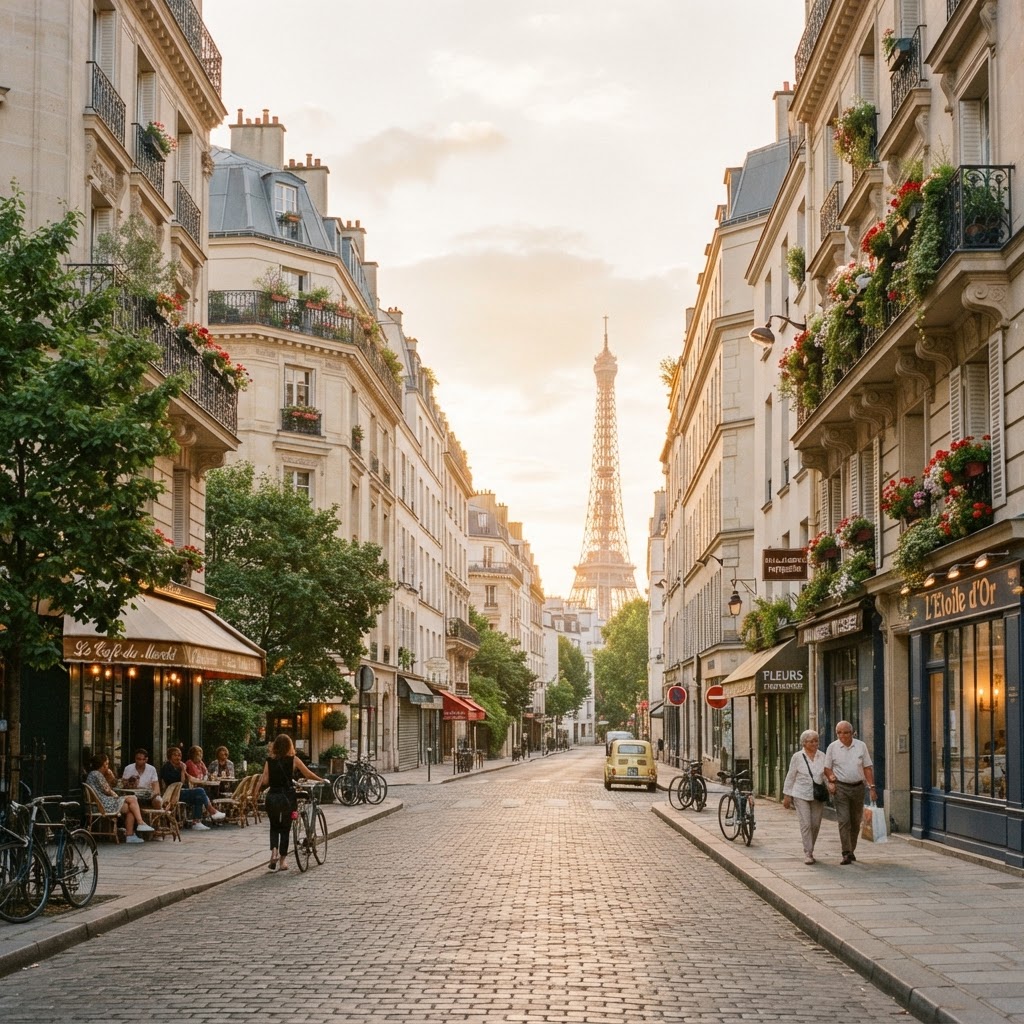
At its core, the Old Money Paris aesthetic is about understated sophistication. It is a philosophy that permeates every aspect of existence, from the way a heritage apartment is curated to how one navigates the city. Unlike the digital-age concept of ‘loud luxury,’ this aesthetic favors patina over polish. It celebrates the character of original oak parquet floors, the subtle creak of a wrought-iron balcony, and the muted color palettes of limestone facades that have stood for centuries.
This aesthetic is inherently tied to the heritage of the bourgeoisie, where status was traditionally signaled through proximity to history, arts, and intellectual circles. It is not necessarily about the size of the inheritance, but rather the cultivation of taste and the preservation of legacy. To embrace this style, one must slow down. It requires a rejection of fast-fashion sensibilities and a pivot toward enduring, high-quality choices that improve with age.
Walking the Quiet Streets of the 7th and 16th Arrondissements
If you want to experience this aesthetic firsthand, you must look away from the bustling commercial hubs. The 7th and 16th arrondissements are the bastions of traditional Parisian elegance. In these neighborhoods, the streets are remarkably quiet, punctuated only by the occasional sound of a baker’s delivery bicycle or the distant toll of a church bell.
Walking down the Rue de l’Université or wandering through the secluded villas of the 16th, you will notice the architecture shifts significantly. These are areas where Haussmann buildings are maintained with fanatical devotion. Every cornice is cleaned, every shutter is painted in the classic ‘Parisian grey’ or deep green, and the street-level boutiques are rarely franchises, but rather family-run artisans who have occupied the same storefronts for generations.
The Allure of Hidden Courtyards
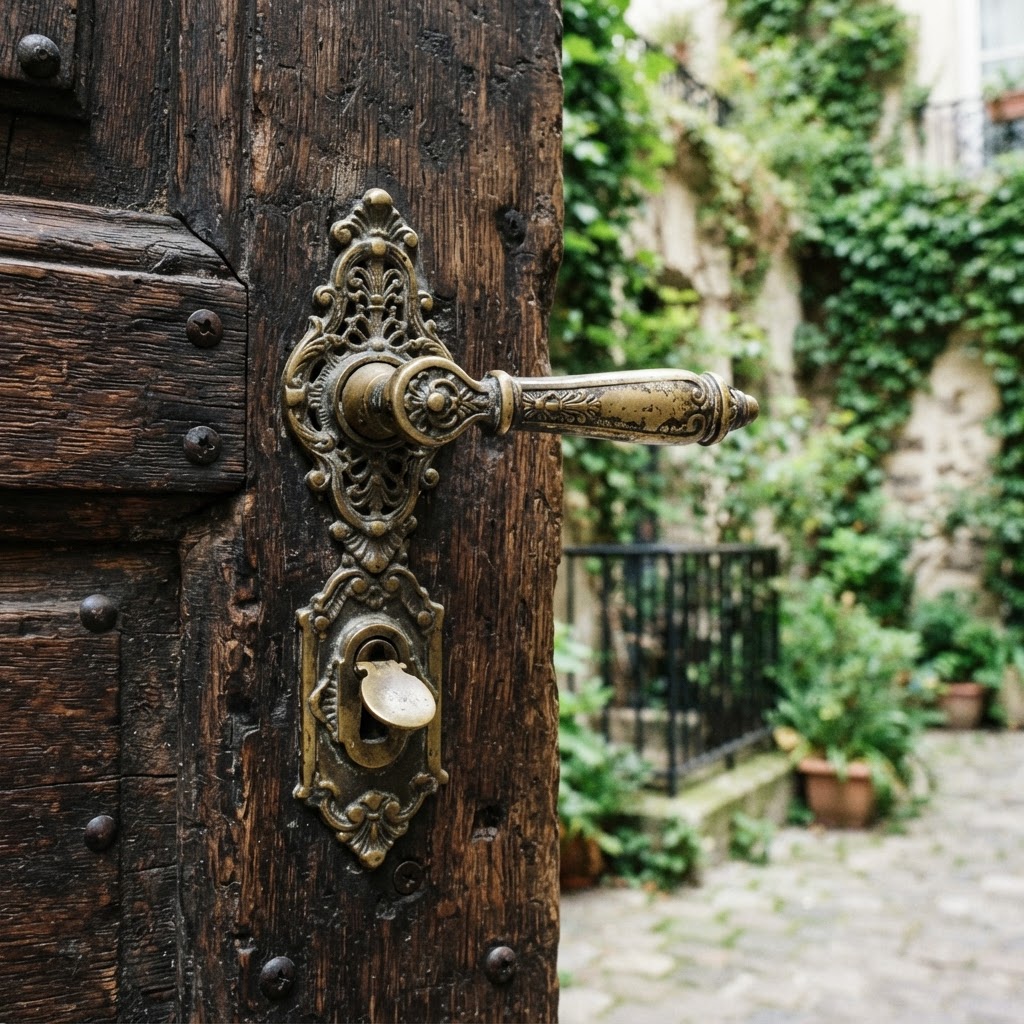
Perhaps the most defining feature of Old Money Paris is the private courtyard. Behind the heavy, imposing wooden doors that line these streets lies a secret world. Often, these courtyards are lush with greenery—ivy climbing up aged stone walls and small fountains that provide a gentle soundtrack to the city. These spaces are the ultimate luxury in a dense urban environment, providing a buffer between the individual and the chaotic outside world.
Architectural Integrity: Why Age Matters
Parisian architecture is the backdrop against which the Old Money lifestyle is lived. The limestone facades are more than just walls; they are a historical record. The preservation of these buildings is a testament to the Parisian value of continuity. There is a deep-seated respect for the artisans of the past, whether it is the stone masons who carved the intricate details on the balconies or the ironworkers who crafted the intricate railings.
When you study these buildings, look for the ‘signs of life’ that define the aesthetic. You will see windows that are perfectly aligned, classic zinc roofs that reflect the pale Parisian light, and the distinctive absence of jarring neon signage. For those who live here, the integrity of the building is paramount; renovations are kept faithful to the original era, ensuring that the legacy of the architect is never eclipsed by modern convenience.
The Art of Quiet Luxury in Fashion and Lifestyle
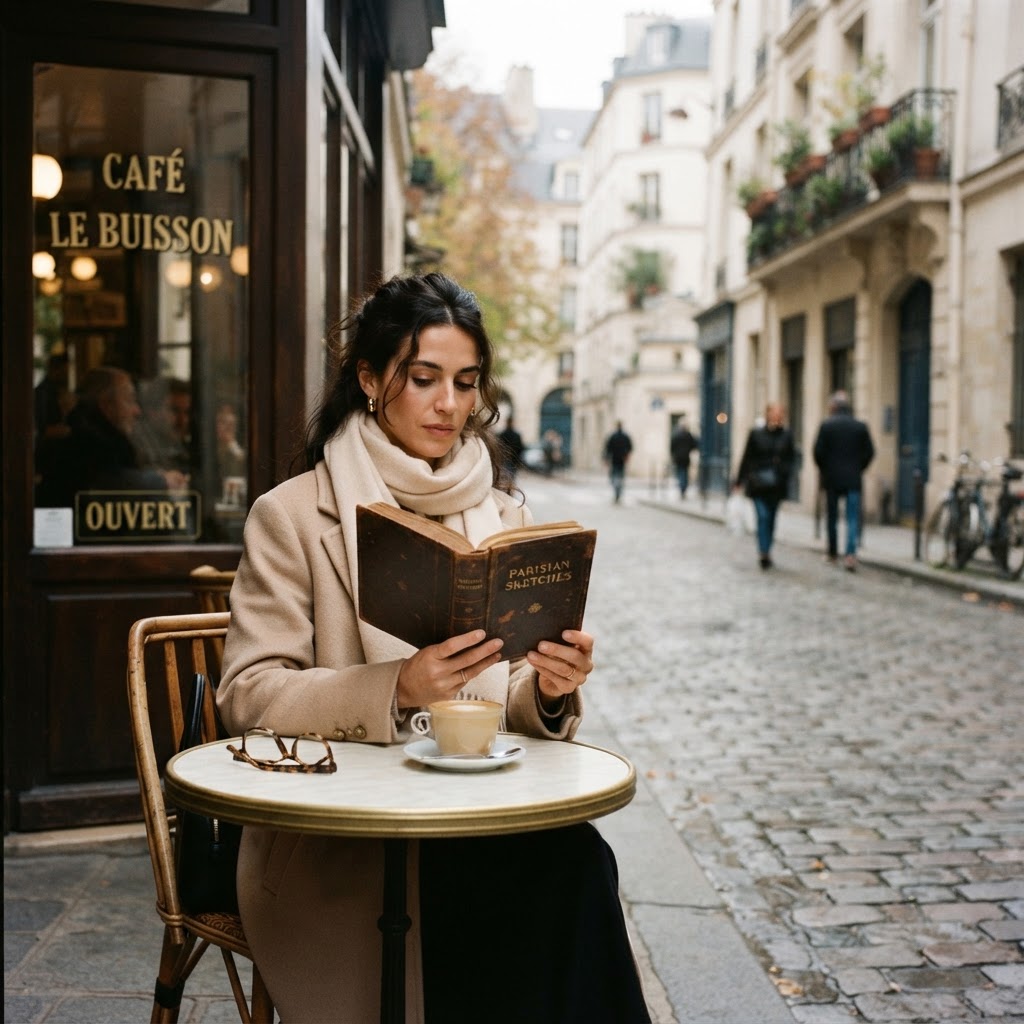
In the world of the Parisian elite, fashion is never a shout. It is a whisper. The Old Money Paris aesthetic in wardrobe choices follows the ‘less is more’ rule religiously. Think of high-quality fabrics—cashmere, silk, linen, and wool—in a palette of navy, camel, cream, and black. Accessories are functional yet elegant: a well-worn leather bag, a vintage silk scarf, or a classic watch that has been passed down through generations.
[![[4K] Paris at Lunchtime: When the City Comes Alive | Spring Walking Tour](https://img.youtube.com/vi/RHt7IJkTMI0/hqdefault.jpg)](https://www.youtube.com/watch?v=RHt7IJkTMI0)
This approach to life extends to one’s social habits. The Parisian equivalent of the ‘Old Money’ lifestyle involves frequenting long-established cafés where you are known by name, purchasing produce from local markets, and spending long, unhurried Sunday afternoons in the Jardin du Luxembourg or the Parc Monceau. It is the antithesis of the ‘hustle’ culture, emphasizing the importance of intellectual discourse and the simple pleasure of observation.
Curating a Home with Heritage
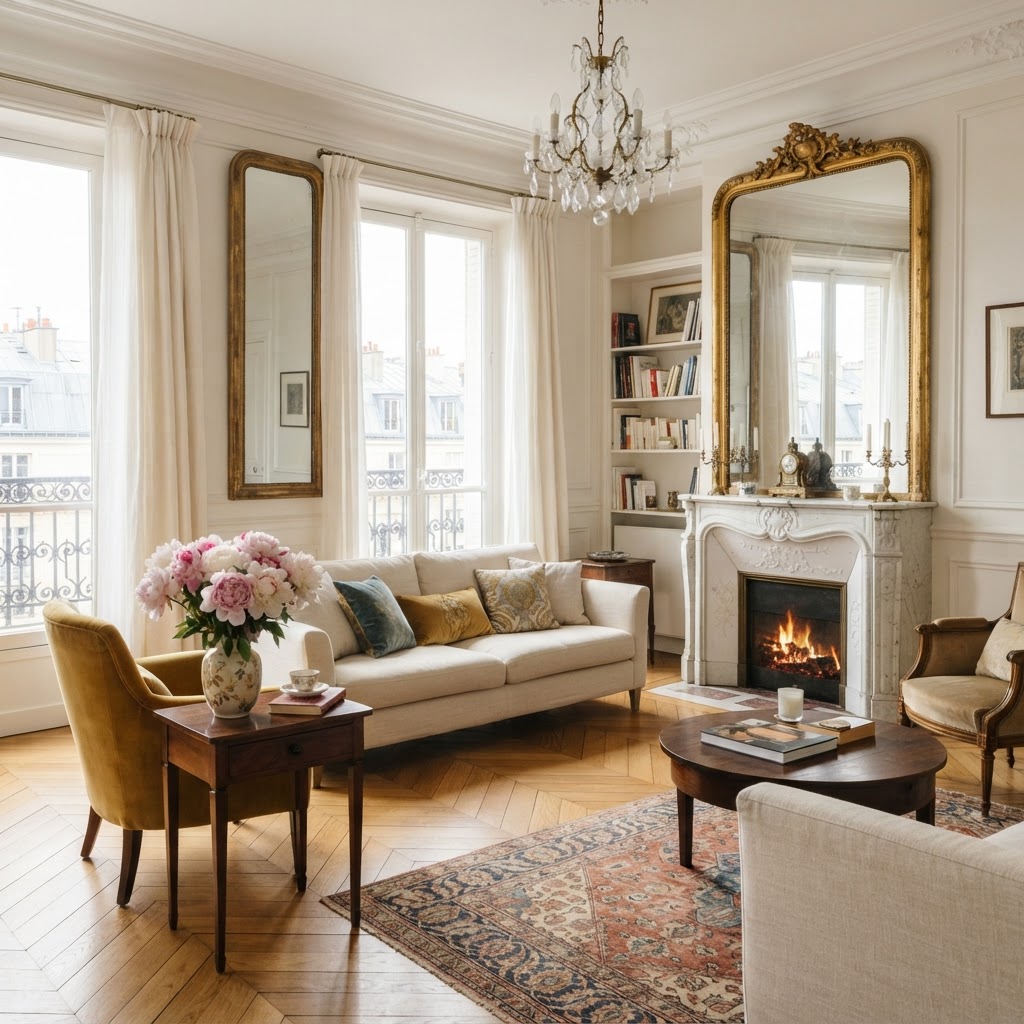
If you are looking to bring the Old Money Paris aesthetic into your own space, start with the ‘bones’ of the room. You don’t need an Haussmann apartment to capture the feeling. Focus on sourcing items that have a story. Hunt for antique mirrors with silvered glass, heavy velvet curtains in deep, muted jewel tones, and vintage books that look as though they have been read and cherished by several generations.
Elements of Parisian Interior Style
- Original or antique hardwood flooring in chevron or herringbone patterns.
- Plaster moldings or crown ceiling details that draw the eye upward.
- Curated gallery walls displaying black-and-white photography or oil paintings.
- Strategic lighting provided by brass lamps and soft, warm-toned bulbs.
- A lack of clutter; every item on display should be either beautiful or useful.
Defining Features Table
To better understand the differences between modern trends and the Old Money aesthetic, refer to the table below.
| Feature | Modern Trend | Old Money Paris Aesthetic |
| :— | :— | :— |
| Architecture | Glass, steel, modernism | Limestone, Haussmann, stone |
| Fashion | Logomania, fast-fashion | Bespoke, quality textiles, neutral palettes |
| Atmosphere | Fast-paced, bright, loud | Slow-paced, moody, quiet |
| Décor | Minimalist, sterile | Maximalist texture, heirloom items |
Living the Legacy: Sustainability Through Permanence
There is a profound environmental wisdom in the Old Money Paris approach. By choosing items that are designed to last for decades, the need for replacement is significantly reduced. Whether it is restoring a vintage armoire or repairing a pair of leather shoes rather than buying new ones, this lifestyle inherently promotes a circular economy. It is the ultimate form of sustainable living, rooted not in technology, but in the respect for the object itself.
To live in a space that celebrates history is to acknowledge your own place in time. The Old Money Paris aesthetic encourages us to see ourselves as stewards of our surroundings, rather than mere consumers. It invites us to slow down, breathe in the scent of aged wood and limestone, and appreciate the silent strength of a city that has seen it all and remains effortlessly elegant.
Conclusion
The Old Money Paris aesthetic is not a trend to be followed for a season; it is a mindset to be adopted for a lifetime. It finds beauty in the quiet, strength in the historical, and value in the enduring. By prioritizing quality over quantity and heritage over novelty, you can cultivate a sense of grace and refinement that transcends the digital noise of today. Whether you are strolling down a tree-lined street in the 16th arrondissement or curating your own home with pieces that hold meaning, you are tapping into a tradition of timeless elegance. We invite you to slow down, observe the subtle details, and start building your own legacy of refined living today.
Leave a Reply