
When most travelers plan a trip to the Iberian Peninsula, they immediately think of the bustling boulevards of Barcelona and the grand museums of Madrid. While these cities are undeniably iconic, they represent only a thin slice of a much larger, more diverse cultural tapestry. To truly experience the real Spain, one must be willing to step away from the high-speed trains and the crowded tourist traps, venturing instead into regions where time seems to slow down and local traditions remain the heartbeat of everyday life. This guide will take you through the forgotten corners of the country, revealing an authentic side of Spain that often goes unnoticed by the casual tourist.
The Rugged Allure of Northern Spain
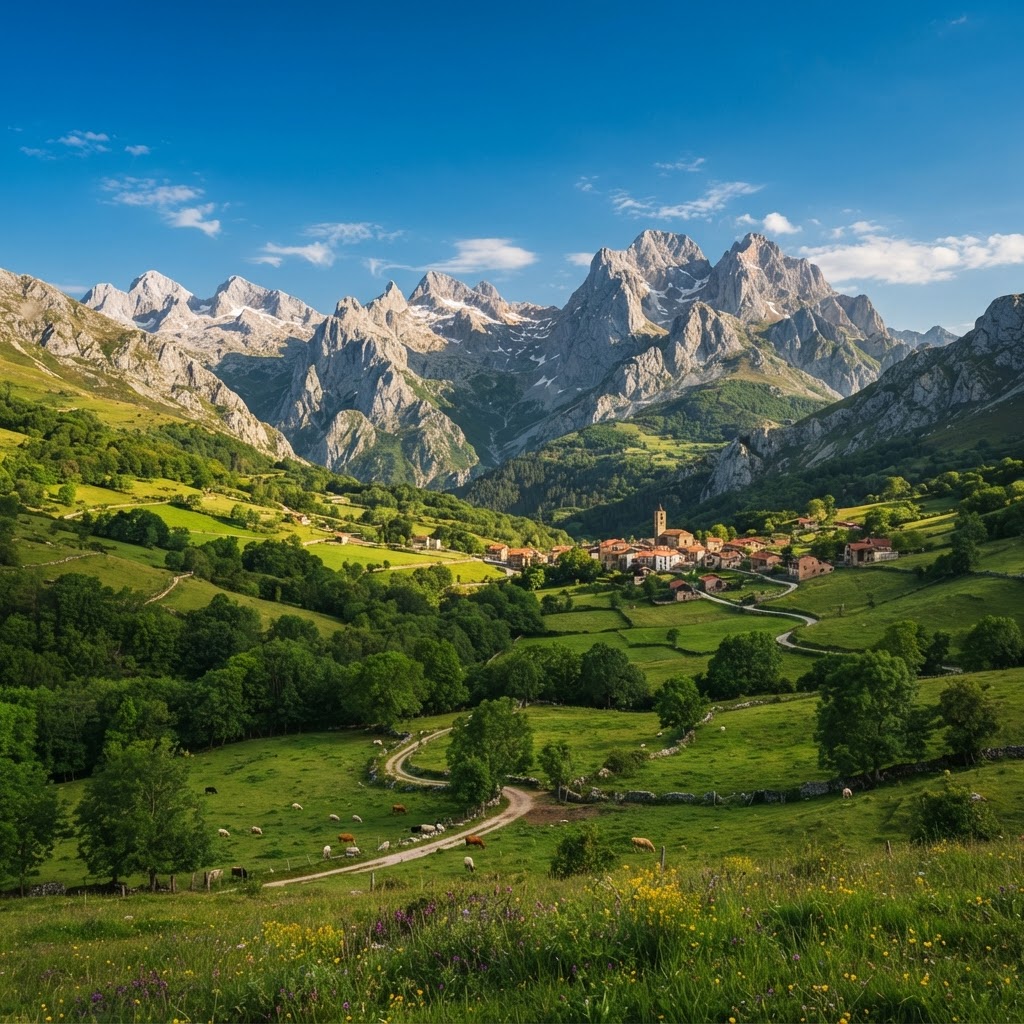
The northern coast of Spain, often called ‘Green Spain,’ stands in stark contrast to the arid landscapes usually depicted in travel brochures. Stretching from Galicia to the Basque Country, this region is a lush paradise defined by jagged cliffs, mist-covered mountains, and a culinary scene that rivals any in the world. It is a land where ancient Celtic roots merge with a fierce regional identity that predates the unification of the Spanish kingdom.
Exploring the Picos de Europa
The Picos de Europa National Park is a haven for hikers and nature lovers looking to escape the urban noise. Unlike the crowded beaches of the Mediterranean, these limestone peaks offer silence, crisp mountain air, and villages that feel like living museums. Whether you are trekking the Cares Gorge or sampling local blue cheese, the Picos offer a raw and unvarnished encounter with the Spanish wilderness.
The Gastronomy of San Sebastian and Beyond
While San Sebastian has gained global acclaim for its Michelin-starred restaurants, the real magic lies in the local ‘pintxos’ culture found in smaller neighboring towns. Here, bar-hopping is a social ritual, where each stop offers a unique, bite-sized culinary masterpiece paired with a glass of local cider. It is an accessible, democratic approach to fine dining that defines the spirit of Northern Spain.
Castles and Silence in Castile-Leon
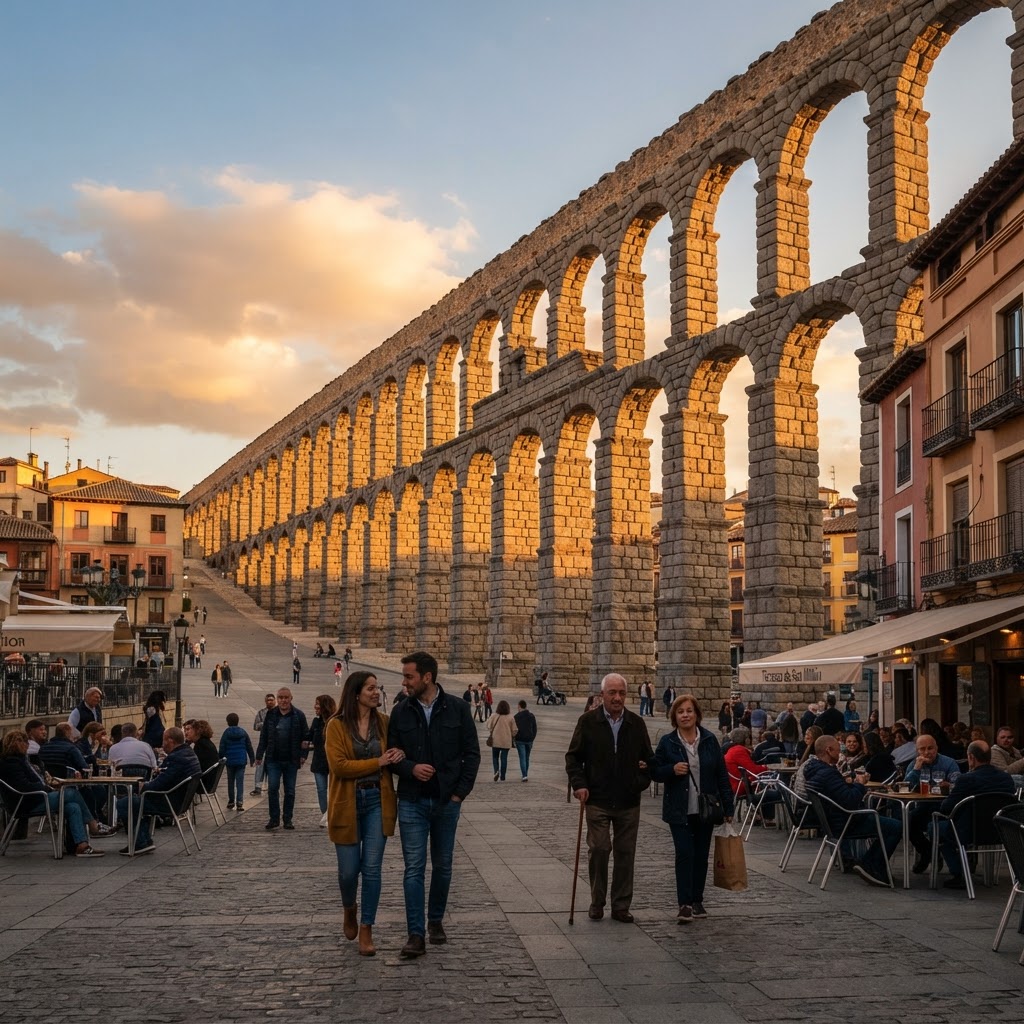
Moving inland, the region of Castile-Leon serves as the historical heart of the country. This is where medieval castles dot the horizon and the dry, golden plains evoke the spirit of Don Quixote. Far from the cosmopolitan chaos of the coast, these inland cities offer a deeper connection to the history of the Reconquista and the evolution of the Spanish language.
The Medieval Marvel of Segovia
Most travelers stop in Segovia for a day, but few stay long enough to appreciate the quiet evenings once the buses depart. The Roman Aqueduct is a breathtaking piece of engineering that has stood for nearly two millennia, cutting through the center of the city with imposing grandeur. Strolling through the winding streets of the old Jewish quarter provides a contemplative look into the past.
Avila: The City of Stones and Saints
Encased by a perfectly preserved set of medieval walls, Avila is one of the most atmospheric cities in Spain. Walking the perimeter of the walls at sunset provides a panoramic view of the rugged landscape that surrounds the city. It is a place that demands stillness and reflection, far removed from the sensory overload of modern metropolitan life.
The Undiscovered Charm of Extremadura
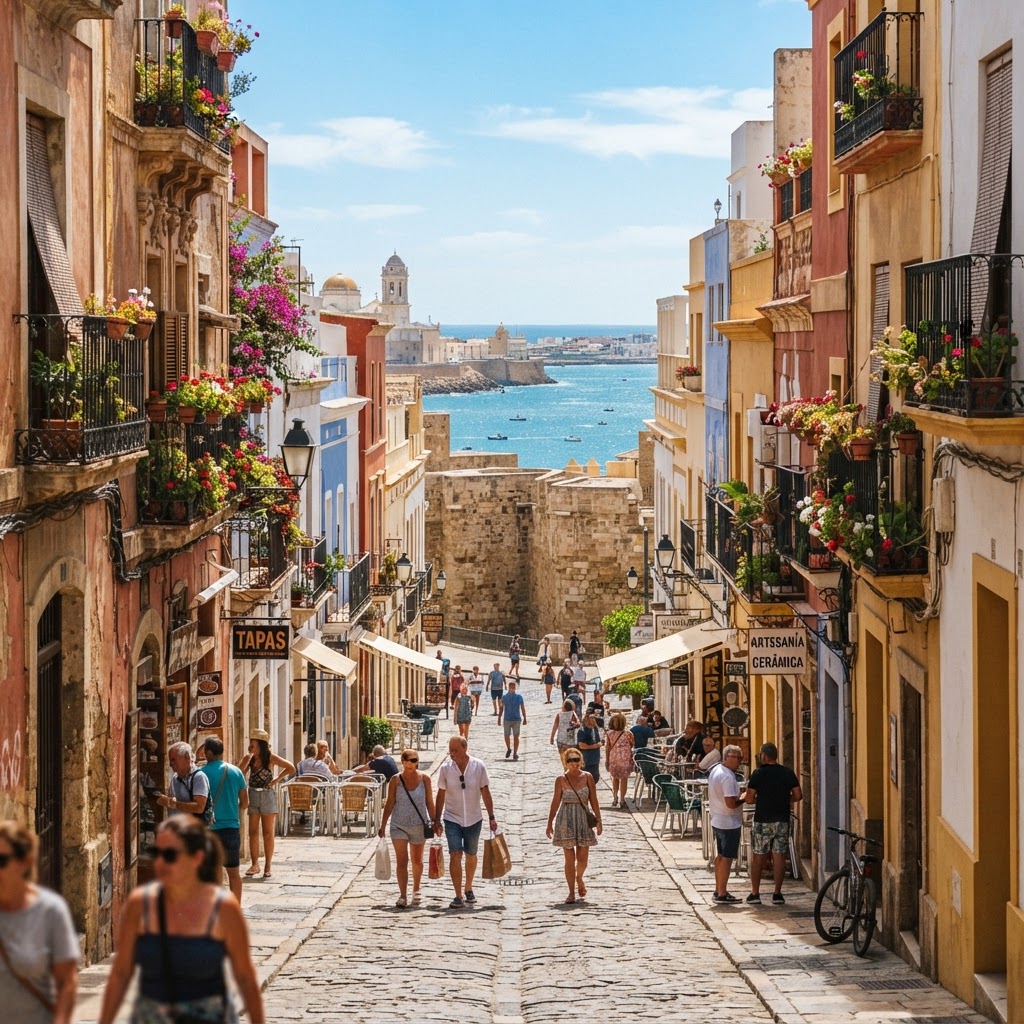
Extremadura is perhaps the most underrated region in all of Spain, frequently bypassed by international visitors heading toward Seville. This is a land of Roman ruins, conquistador legacies, and vast nature reserves. It feels less like a tourist destination and more like a secret kept by the locals themselves.
Merida and the Roman Heritage
Merida houses some of the most impressive Roman remains in Europe, including a theater that is still used for performances today. Unlike the crowded ruins in other European capitals, you can often wander through these ancient sites in almost complete solitude. It is an architectural bridge to antiquity that deserves more time in any traveler’s itinerary.
[![Spain Beyond Madrid & Barcelona 😍 Beautiful [4K] Walking Tour in Ourense](https://img.youtube.com/vi/SnBQFB92HA8/hqdefault.jpg)](https://www.youtube.com/watch?v=SnBQFB92HA8)
Trujillo: The Cradle of Conquerors
Trujillo is a stunning hilltop town that was the birthplace of several famous explorers. Its Plaza Mayor is frequently cited as one of the most beautiful in Spain, framed by crumbling palaces and statues that reflect the city’s complex imperial past. Eating a meal in the shadow of these historic buildings provides a unique perspective on the weight of Spanish history.
The Authentic Coastline of the Costa de la Luz
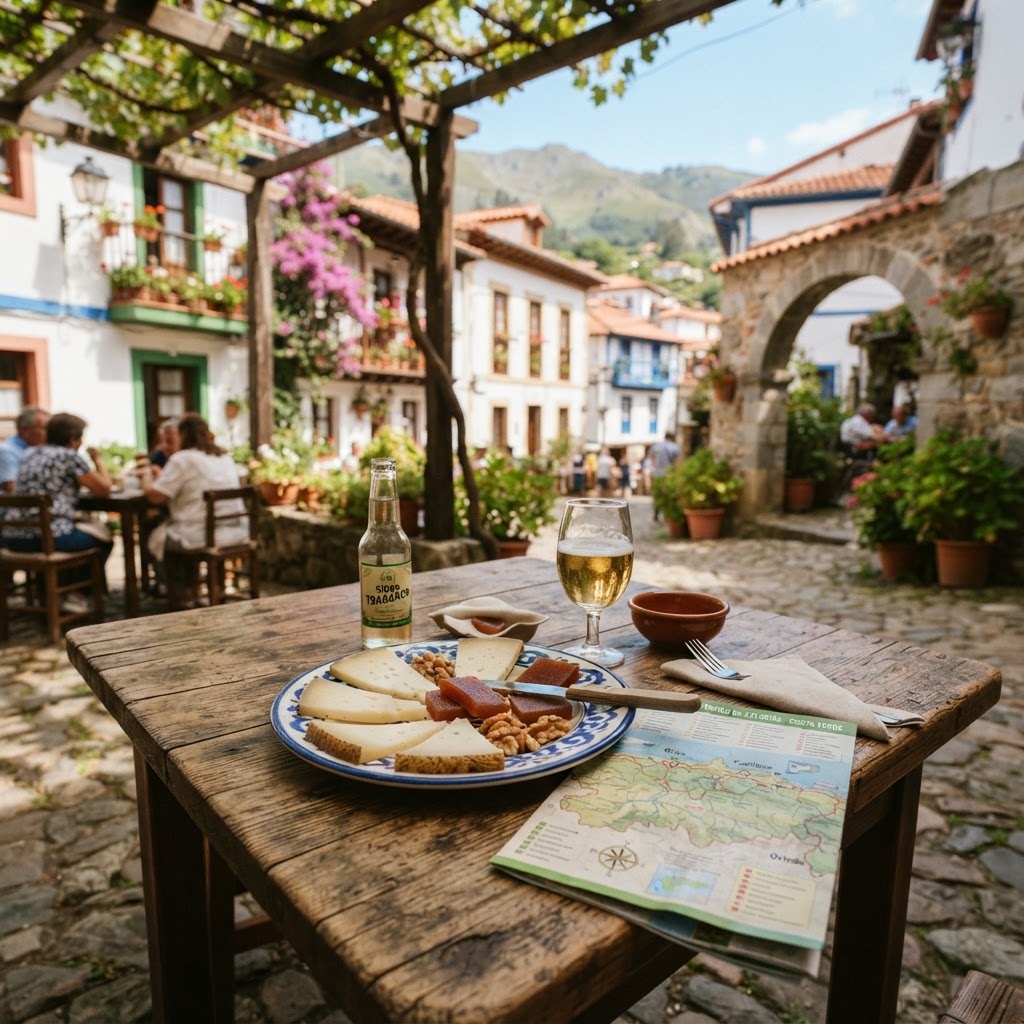
While the Costa del Sol is synonymous with high-rise resorts and mass tourism, the Costa de la Luz (Coast of Light) in the province of Cadiz remains remarkably pristine. This stretch of the Atlantic coast is defined by endless white sand dunes, strong winds, and a surfing culture that keeps the vibe relaxed and bohemian.
Tarifa: Where Two Seas Meet
The town of Tarifa sits at the southernmost tip of Spain, where the Atlantic Ocean meets the Mediterranean Sea. It is a colorful, windy town known for its vibrant street art and international kite-surfing community. Life here revolves around the sea, and the proximity to Morocco gives the region a unique cultural crossover that you won’t find anywhere else.
Cadiz: The Oldest City in the West
Cadiz is a peninsula city that feels almost like an island, with water visible from almost every street corner. Its watchtowers and narrow, labyrinthine alleys hold centuries of maritime history. Locals here are known for their quick wit and festive spirit, making the nightlife in the ‘Barrio de la Vina’ an essential experience for those wanting to mingle with the real Spanish crowd.
The Spiritual Trails of the Camino de Santiago
To see the real Spain, you don’t necessarily need a car; sometimes you need to walk. The Camino de Santiago is not just a religious pilgrimage but a cultural phenomenon that connects thousands of villages across the northern half of the country. Even if you only walk a small portion, you will witness a side of rural Spain that is invisible from the motorway.
Rural Hospitality and Local Life
The ‘albergues’ or pilgrim hostels offer a unique opportunity to interact with locals and travelers from all walks of life. Whether you are walking through the rolling vineyards of La Rioja or the eucalyptus forests of Galicia, you are constantly encountering small, family-owned businesses that embody the concept of ‘pueblo’ life. This is the pulse of the country—slow, steady, and incredibly hospitable.
Choosing Your Own Spanish Adventure
When planning your itinerary, consider the following table to match your interests with the best regions for an authentic experience:
| Region | Primary Appeal | Best For |
| :— | :— | :— |
| Galicia | Coastlines & Seafood | Nature Enthusiasts |
| Extremadura | History & Ruins | History Buffs |
| Castile-Leon | Castles & Architecture | Photographers |
| Cadiz | Beaches & Culture | Bohemian Travelers |
| Asturias | Mountain Scenery | Hikers & Foodies |
Conclusion
Spain is a country defined by its contradictions—from the misty mountains of the north to the sun-baked plains of the interior and the Atlantic-facing beaches of the south. While Barcelona and Madrid offer incredible experiences, they are merely the gateway. By choosing to explore the real Spain beyond the main tourist hubs, you gain a deeper understanding of the traditions, flavors, and rhythms that truly make this nation unique. Start your journey by picking one region, pack a bag, and prepare to be surprised by the hidden wonders that await. Whether you choose the rugged trails of the north or the quiet plazas of the central plains, your discovery of the authentic Spain begins when you step off the beaten path.
Leave a Reply