Save This for Your Norway Trip: Essential Planning Guide
To plan a successful Norway trip, prioritize visiting between June and August for hiking and the midnight sun, or November to March for Northern Lights hunting. Budget for a high-cost environment, prioritize layering with waterproof gear, and use the Vy.no app for efficient train travel across the country’s rugged landscape.
Understanding the Best Time to Visit Norway
Choosing the right time for your Norway trip is the most influential decision you will make regarding your budget and available activities. Summer (June–August) offers nearly 24-hour daylight and optimal hiking conditions, while winter (November–March) is exclusively for those seeking the Aurora Borealis and snow sports. Shoulder seasons, specifically May/June or September/October, provide a strategic balance of lower prices and moderate weather.
If you want hiking, fjord cruises, and long days, summer is your best friend. From June through August, the country is alive with emerald greenery, and the midnight sun allows for nearly twenty-four hours of exploration. However, these are the peak tourist months, meaning higher prices and larger crowds at popular spots. For those chasing the Aurora Borealis, winter is the only option. The period from November to March is ideal for Northern Lights hunting, dog sledding, and skiing. Keep in mind that winter in Norway means very limited daylight in the north, so plan your activities accordingly.
Essential Packing Strategies for Norway
The weather in Norway is notoriously fickle, earning it the reputation of having “four seasons in one day,” which necessitates a strict layering strategy. Regardless of the season, a high-quality windproof and waterproof outer shell is non-negotiable, as temperatures in the fjords can drop significantly when cold wind rolls off glaciers. Avoid cotton entirely, as it retains moisture and leads to rapid heat loss; instead, prioritize moisture-wicking base layers made of 100% merino wool.
Add a thermal mid-layer like a fleece or a lightweight down jacket that can be compressed into a small bag. For your feet, waterproof hiking boots with excellent ankle support are essential for safety on uneven terrain. Do not forget a pair of comfortable wool socks, polarized sunglasses, and a portable power bank, as cold temperatures will drain your phone battery much faster than usual.
Navigating the Norwegian Transportation System
Norway is expansive and rugged, meaning the way you choose to travel impacts your overall budget and experience. Public transport in Norway is efficient, clean, and reliable, but it can be expensive if not booked in advance via Vy.no to secure “Minipris” or discounted rates. The train system, particularly the Bergensbanen route between Oslo and Bergen, is widely considered one of the most beautiful train journeys in the world.
If you are planning to visit the coastal fjords, consider taking the Hurtigruten or Havila coastal cruises, which function as essential local infrastructure carrying mail and cargo to remote northern villages. For maximum flexibility, many travelers choose to rent a car, but be prepared for narrow roads, steep mountain passes, and potentially expensive ferry crossings. Always check road conditions on the Statens Vegvesen website, as certain mountain passes can close unexpectedly due to sudden snow or heavy rain.
Budgeting for Your Norway Trip
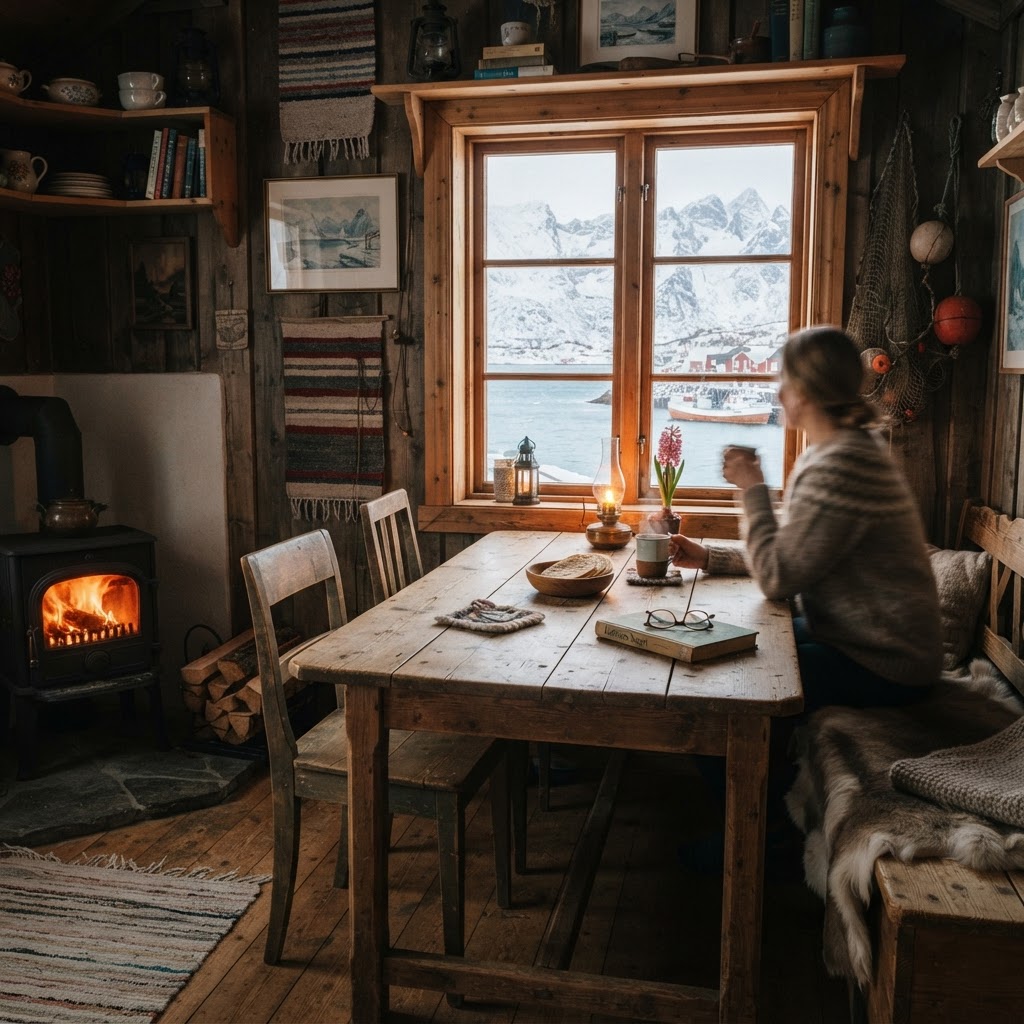
It is no secret that Norway is one of the most expensive countries in the world, requiring strategic financial planning for food and accommodation. To manage your budget, prioritize grocery stores like REMA 1000, Kiwi, or Extra for meals, as eating out is heavily taxed and inflated. If you are an avid hiker, DNT (The Norwegian Trekking Association) cabins offer a unique, authentic, and highly affordable way to experience the wilderness compared to standard hotel stays.
Additionally, look for “hytte” (cabin) rentals, which allow you to cook your own meals, further reducing daily expenses. Norway is effectively a cashless society; you will rarely find a place that doesn’t accept card payments, so carry a credit card with no foreign transaction fees. Expect to pay approximately 150-200 NOK ($14-$19 USD) for a basic lunch at a casual café, and significantly more for alcohol, which is subject to high import duties.
Must-See Regions and Iconic Landmarks
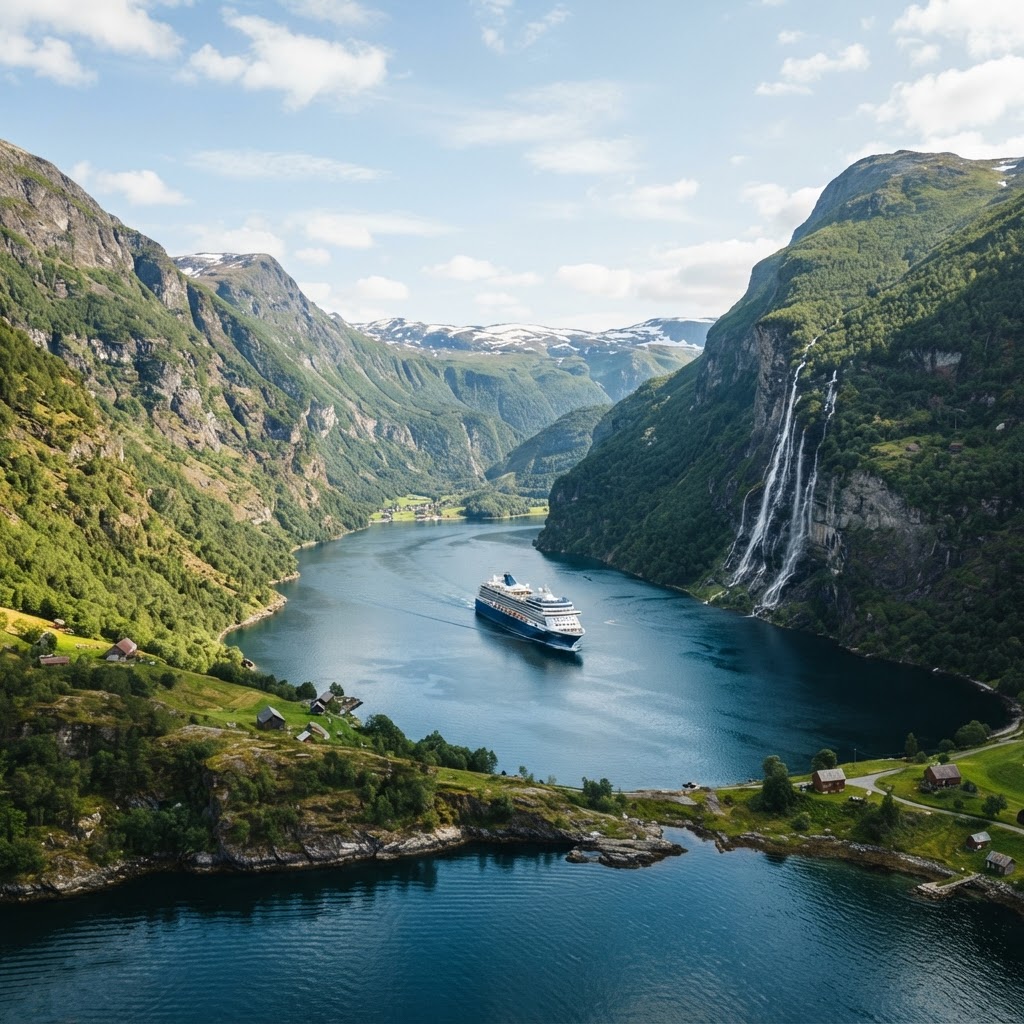
Norway is vast, and attempting to see everything in a week will lead to burnout, so focus on specific regions that align with your interests. For the classic fjord experience, the Nærøyfjord and Geirangerfjord are UNESCO World Heritage sites that represent the quintessential Norwegian landscape. If you prefer rugged coastal beauty, the Lofoten Islands are the destination of choice, offering jagged peaks, white sand beaches, and traditional red fishing huts known as “rorbuer.”
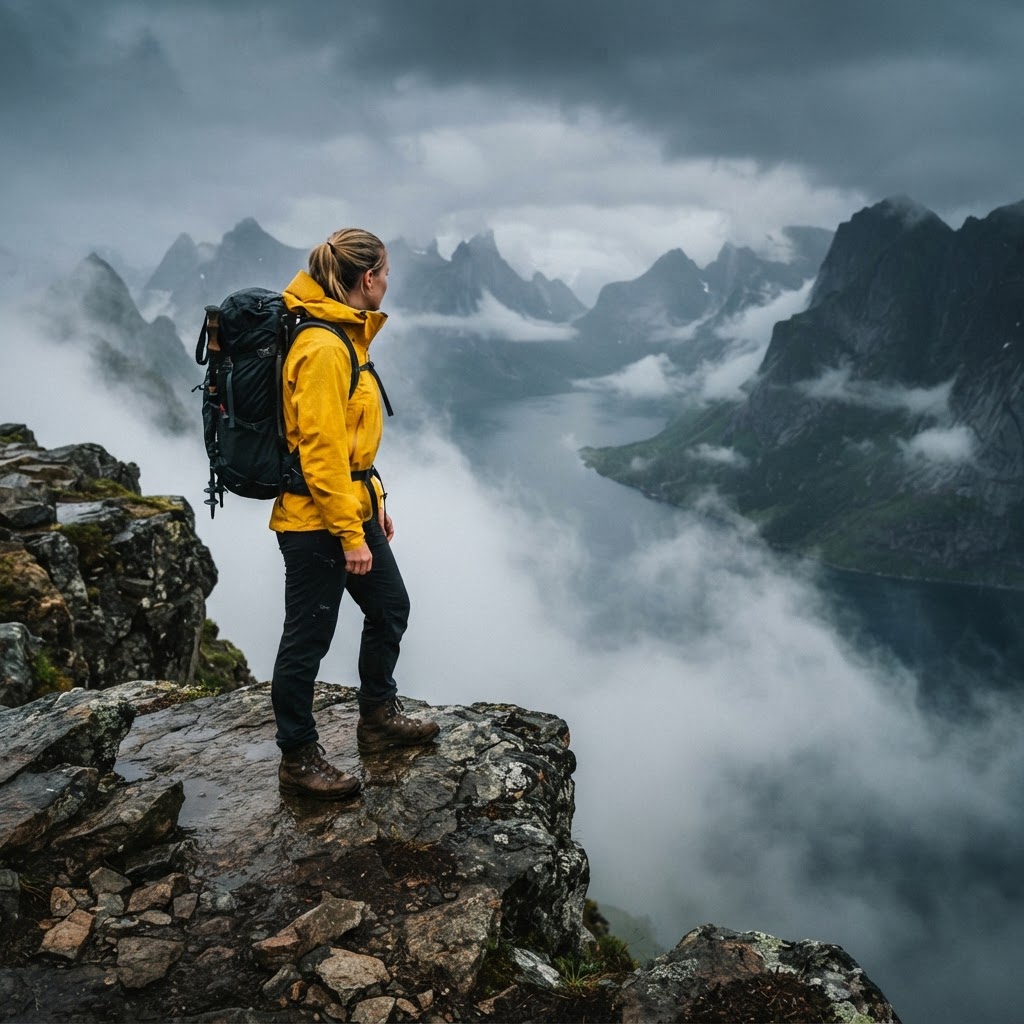
Those interested in urban culture and history should not skip Bergen or Oslo. Oslo offers world-class museums, including the Fram Museum and the Munch Museum, while Bergen serves as the perfect gateway to the western fjords. For the adventurous soul, a trip to Trolltunga or Preikestolen provides the ultimate reward of a grueling hike, provided you have good physical fitness and appropriate weather gear.
Cultural Etiquette and Local Tips
Respecting the local culture will make your Norway trip significantly more rewarding, as Norwegians value “friluftsliv,” a cultural philosophy centered on outdoor living and respect for nature. The “Allemannsretten” (Right to Roam) allows you to hike and camp in nature, but this comes with a strict responsibility to leave no trace. Always pack out what you pack in and respect private property boundaries.
Socially, Norwegians may seem reserved at first, but they are incredibly helpful and often speak excellent English. If you have questions, don’t hesitate to ask; locals are usually very proud to show off their country’s beauty. Finally, keep in mind that Sunday is a day of rest; while some shops are open, many smaller businesses will be closed. Being aware of these local habits will help you move through the country with the grace of a seasoned traveler.
FAQ
Q: Is Norway a cashless country?
Yes, Norway is almost entirely cashless, and you can pay for almost everything, including small purchases and public toilets, with a credit or debit card. It is highly recommended to use a card with no foreign transaction fees to avoid extra costs.
Q: Do I need a visa to visit Norway?
Citizens from countries in the Schengen Area do not need a visa, while many others, including US and Canadian citizens, can enter visa-free for up to 90 days. Always check your specific country’s status on the UDI (Norwegian Directorate of Immigration) website before traveling.
Q: What is the best way to travel between cities?
Taking the train is the most scenic and efficient way to travel, particularly on the Bergensbanen route between Oslo and Bergen. For more remote areas like the Lofoten Islands, renting a car provides the necessary flexibility to explore at your own pace.
Q: Can I drink tap water in Norway?
Yes, the tap water in Norway is among the cleanest in the world and is perfectly safe to drink. You do not need to buy bottled water, which will save you significant money and reduce plastic waste during your travels.
Q: What should I pack for a summer trip?
You should pack layers, including a waterproof jacket, sturdy hiking boots, and a warm fleece even for summer trips. Because the weather can change rapidly in the mountains, having versatile clothing that can be added or removed is essential for comfort and safety.
Mastering the Logistics: How to Get Around
Public transport in Norway is reliable but requires advance planning to keep costs manageable. Regional trains and express buses operate on strict schedules that rarely deviate. If you plan to travel across the country, check the Vy.no website or app at least four weeks before your departure. Last-minute tickets are often triple the price of early-bird fares. For longer distances, domestic flights are a common alternative to long bus rides. Carriers like Widerøe specialize in reaching remote northern airfields that other airlines ignore.
Why You Should Avoid the Norway in a Nutshell Ticket
Many first-time visitors purchase the popular ‘Norway in a Nutshell’ package for ease of mind. This pre-bundled tour combines trains, buses, and ferries between Oslo and Bergen. While convenient, it is significantly more expensive than booking the same route independently. You are paying for a simplified booking process rather than a premium experience. Use your savings to extend your stay in a fjord village or book a private rib boat tour instead.
Daily Budget Breakdown: Where Your Money Goes
Norway is expensive, but you can control your costs with smart daily choices. Expect to pay at least 150 NOK for a basic coffee and 250 NOK for a simple lunch. Dinner at a mid-range restaurant often starts at 500 NOK per person before drinks. Alcohol taxes are exceptionally high, so consider buying wine or spirits at the duty-free shop upon arrival.
- Budget traveler: 1,200–1,500 NOK per day by staying in hostels and grocery shopping.
- Mid-range traveler: 2,500–3,500 NOK per day with hotel stays and some restaurant meals.
- Luxury traveler: 5,000+ NOK per day for boutique hotels and organized private excursions.
Shop at discount grocery stores like REMA 1000 or Kiwi to save on food expenses. These stores offer affordable prepared salads and bakery items perfect for a hiking lunch. Bringing a reusable water bottle is non-negotiable, as tap water in Norway is some of the cleanest in the world.
Common Pitfalls and How to Dodge Them
Do not underestimate the distances between major cities. Looking at a map often gives a false sense of scale due to the mountainous geography. A journey that looks like 100 kilometers on a map can take four hours of driving through tunnels and onto ferries. Always add 30 percent more travel time to your itinerary than Google Maps suggests. Another common mistake is trying to see the entire country in one week. Focus on one region, such as Western Norway or the Lofoten Islands, to spend more time exploring and less time in transit.
Essential Pre-Trip Checklist
- Download the Vy app for trains and the Entur app for local city transit.
- Verify your debit card has a PIN, as many automated kiosks require one.
- Book your fjord cruises and remote mountain huts at least three months in advance.
- Download offline maps for the areas you plan to visit, as mobile data is spotty in deep valleys.
Frequently Asked Questions
Is tipping expected in restaurants and taxis?
Tipping is not mandatory or expected in Norway. Service charges are always included in the bill. If you receive exceptional service, rounding up to the nearest 100 NOK or adding 5 to 10 percent is a polite gesture but entirely optional.
Can I travel in Norway if I do not speak Norwegian?
Yes, absolutely. Almost everyone in Norway speaks excellent English, particularly in the tourism and service sectors. You will have no trouble navigating menus, train announcements, or local interactions without knowing any Norwegian phrases.
What should I skip if I have limited time?
Skip the major city centers if your primary goal is nature and wildlife. Spend your limited time in the small coastal villages instead. Places like Flåm and Geiranger are touristy, but they provide access to the heart of the fjord country that Oslo cannot match.
Leave a Reply