
There is a specific, golden quality to the air in Andalusia that defies simple description. As the sun begins its graceful descent, casting long, dramatic shadows across the cobblestones, the city of Seville undergoes a profound metamorphosis. The harsh brilliance of the midday sun gives way to a soft, honeyed glow that seems to seep into the very porous stone of the city’s ancient walls, turning the historic center into a living, breathing painting. For the traveler, this is not merely a time of day; it is the most essential experience the city offers.
The Magic of the Golden Hour in Seville
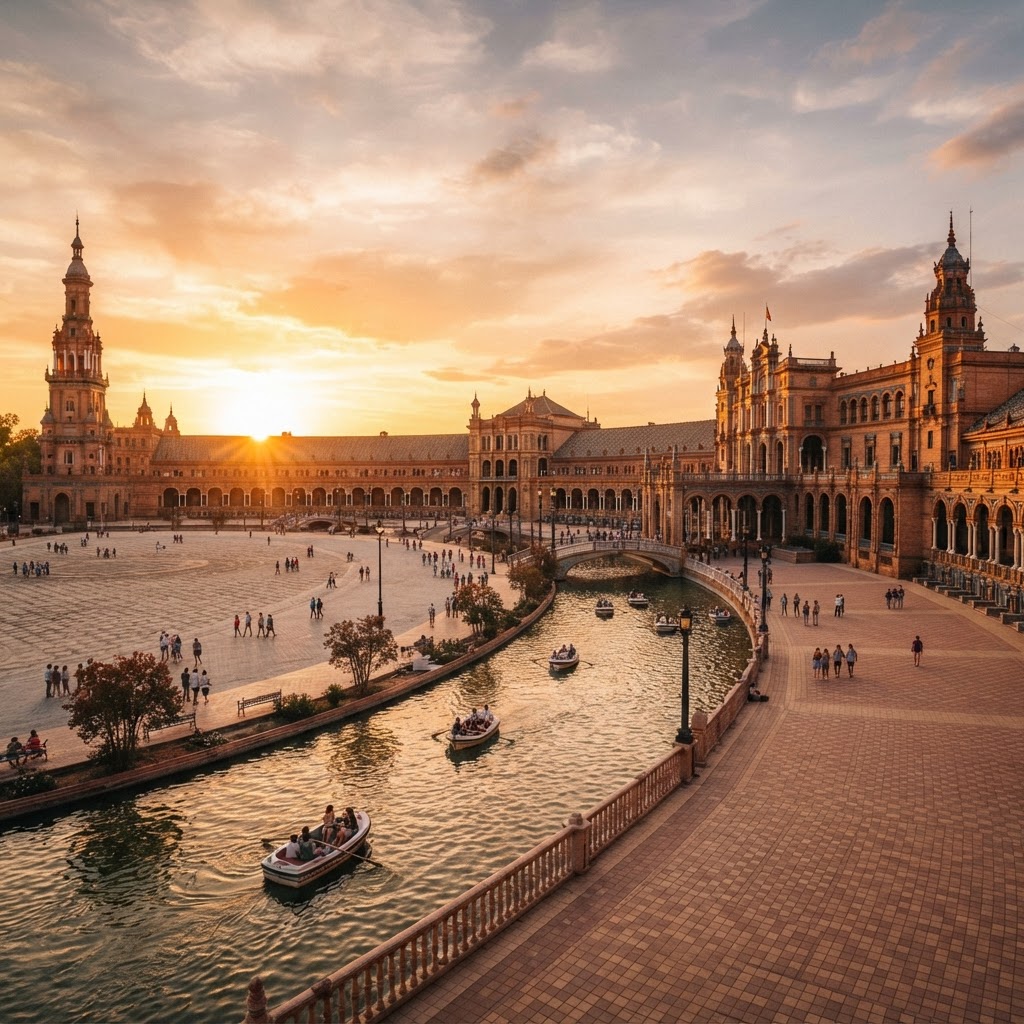
When we talk about the Seville late afternoon light, we are referring to a phenomenon that touches every corner of the city. As the temperature drops slightly, the stress of the day dissolves. Locals emerge from their siestas to begin the evening ritual of strolling through the plazas, and the architecture takes on a warmth that feels almost tangible. It is a period where time seems to slow down, allowing visitors to truly appreciate the intricate details of Moorish craftsmanship and Renaissance grandeur.
Why the Light is Different Here
Geographically and atmospherically, Seville is uniquely positioned to maximize the sunset aesthetic. The city’s orientation, combined with the reflective qualities of the Guadalquivir River, creates a spectrum of colors ranging from burnt orange to deep violet. This light does not just illuminate buildings; it emphasizes textures. The azulejos—the traditional ceramic tiles adorning facades—begin to glimmer with a renewed intensity, reflecting the dying sun in flashes of cobalt and gold.
Walking Through History in the Glow
To witness the transformation, there is no better place than the Plaza de España. By late afternoon, the crowd has thinned, and the light hits the curved brick facade of the main building with unparalleled precision. The reflection of the sun on the canal water creates a dual image of architectural perfection. It is a moment of pure serenity that defines what it means to visit Seville at the right time.
The Cathedral and the Giralda
Nearby, the Giralda tower catches the final rays of the day long after the streets below have slipped into shadow. The intricate brickwork of the Almohad period seems to glow from within, providing a stark, beautiful contrast to the deepening blue of the sky. Viewing this from the rooftop of a nearby hotel allows you to see how the light moves across the city, claiming the domes and spires one by one.
Sensory Experiences of the Afternoon
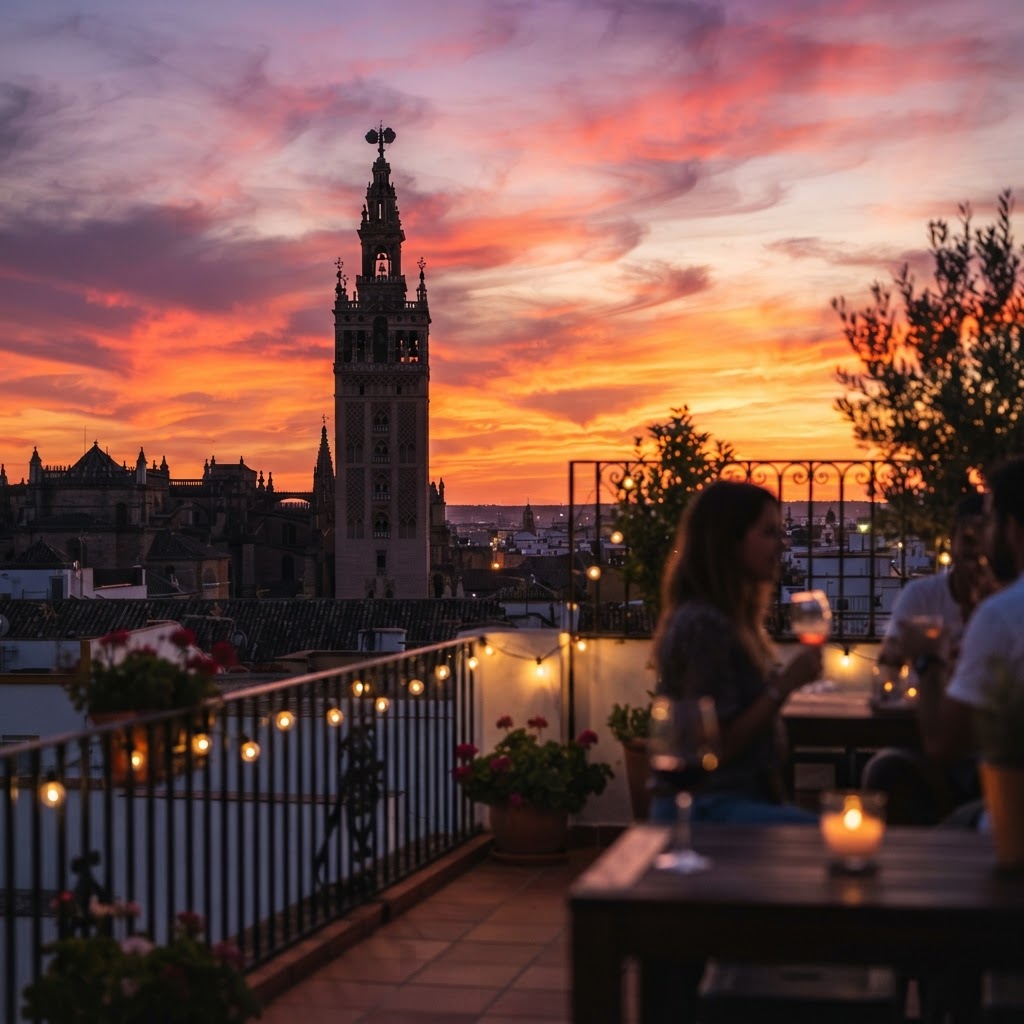
Seville in the late afternoon light is as much about sound and smell as it is about sight. As the golden hour sets in, the city begins to resonate with the sound of distant guitars, the clinking of glasses in local tabernas, and the gentle murmur of conversation. The air carries the faint, sweet scent of orange blossoms, a fragrance that feels significantly more potent as the evening approaches.
The Ritual of the Aperitivo
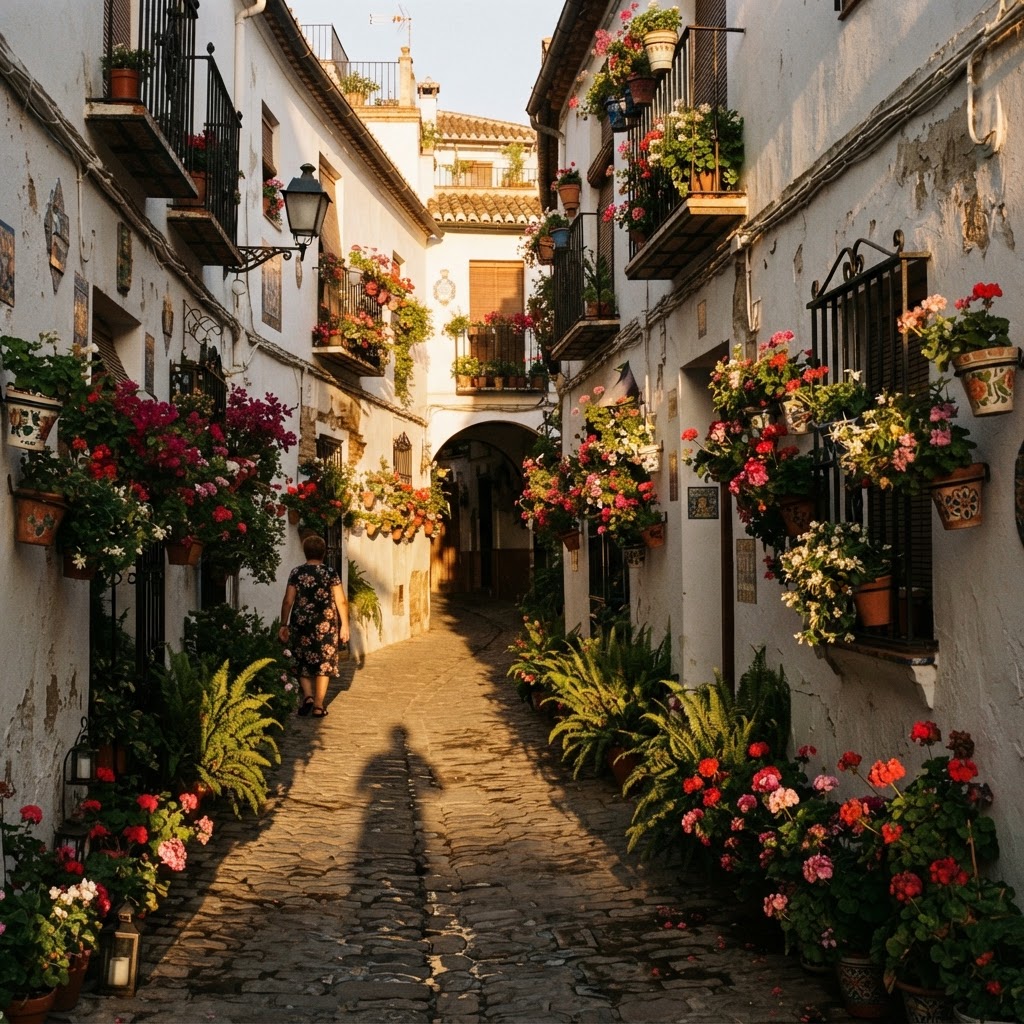
This is the time for the ritual of the afternoon drink. Finding a small bar in the Santa Cruz neighborhood where the light filters through narrow alleyways is an essential part of the journey. Order a glass of chilled manzanilla or a refreshing tinto de verano, and watch as the golden light paints the walls of the tiny street. It is a masterclass in the art of doing nothing, a concept that Seville executes better than perhaps any other city in Spain.
Architecture Transformed by Shadows
One of the most fascinating aspects of studying the light in Seville is observing how it interacts with shadow. Because the streets of the old town were designed to be narrow to provide natural cooling, the play of light and shadow is extreme. High-contrast areas create a dramatic, almost cinematic atmosphere that photographers find irresistible. The deep, cooling shadows of the Calle Mateos Gago provide a refuge that highlights just how intense the remaining sunlight is on the cathedral facade.
Materiality and Reflectance
Local materials like lime-wash and brick absorb the light differently. Lime-washed walls, typical of the Barrio de Santa Cruz, reflect the golden hour with a softness that makes the narrow streets feel ethereal. Meanwhile, the sturdier stone of the palaces seems to soak up the warmth, holding onto it long after the sun has disappeared behind the horizon. This thermal and visual interplay is what gives Seville its unique, romantic character.
Photography Tips for Golden Hour
If you are looking to capture the beauty of the city, understand that the window of perfection is fleeting. You should aim to be in position at least forty-five minutes before official sunset. During this time, the color temperature of the light shifts constantly. Use a tripod if you are shooting near the river, as the long exposure will allow you to capture the stillness of the water against the moving clouds.
Composing Your Shots
Try to frame your photos to include the juxtaposition of ancient and modern life. A cyclist passing through a sun-drenched archway or the silhouette of a horse-drawn carriage against a glowing wall can tell a story that a plain landscape cannot. Do not forget to look up; the way the light catches the wrought-iron balconies and the tops of palm trees is where the real detail lies.
Beyond the Landmarks: Hidden Corners
While the main monuments are stunning, the true essence of the late afternoon in Seville is found in the hidden corners. Head toward the Triana district across the Isabel II Bridge. The view of the city silhouette from the riverbank during the sunset is legendary. Here, you see the city as a cohesive unit—a cluster of towers and domes rising out of the landscape, backlit by a sky that changes color by the minute. Triana offers a grittier, more authentic perspective where you can sit on the river wall and watch the world go by.
Conclusion
There is no denying that the late afternoon light in Seville is a transformative force. It softens the edges of a historic city, highlights the warmth of its architecture, and invites every traveler to slow down and breathe. Whether you are wandering through the labyrinthine streets of the old town or sitting by the Guadalquivir River, this time of day offers a connection to the city that you simply cannot find under the midday sun. It is a reminder to savor the moment, find beauty in the fading light, and embrace the rhythm of Andalusian life. If you are planning your trip to Spain, make sure to save your most important explorations for the late afternoon hours. Have you experienced the golden hour in Seville? Share your favorite spots in the comments below, or start planning your sunset walk through this magnificent city today.
Leave a Reply