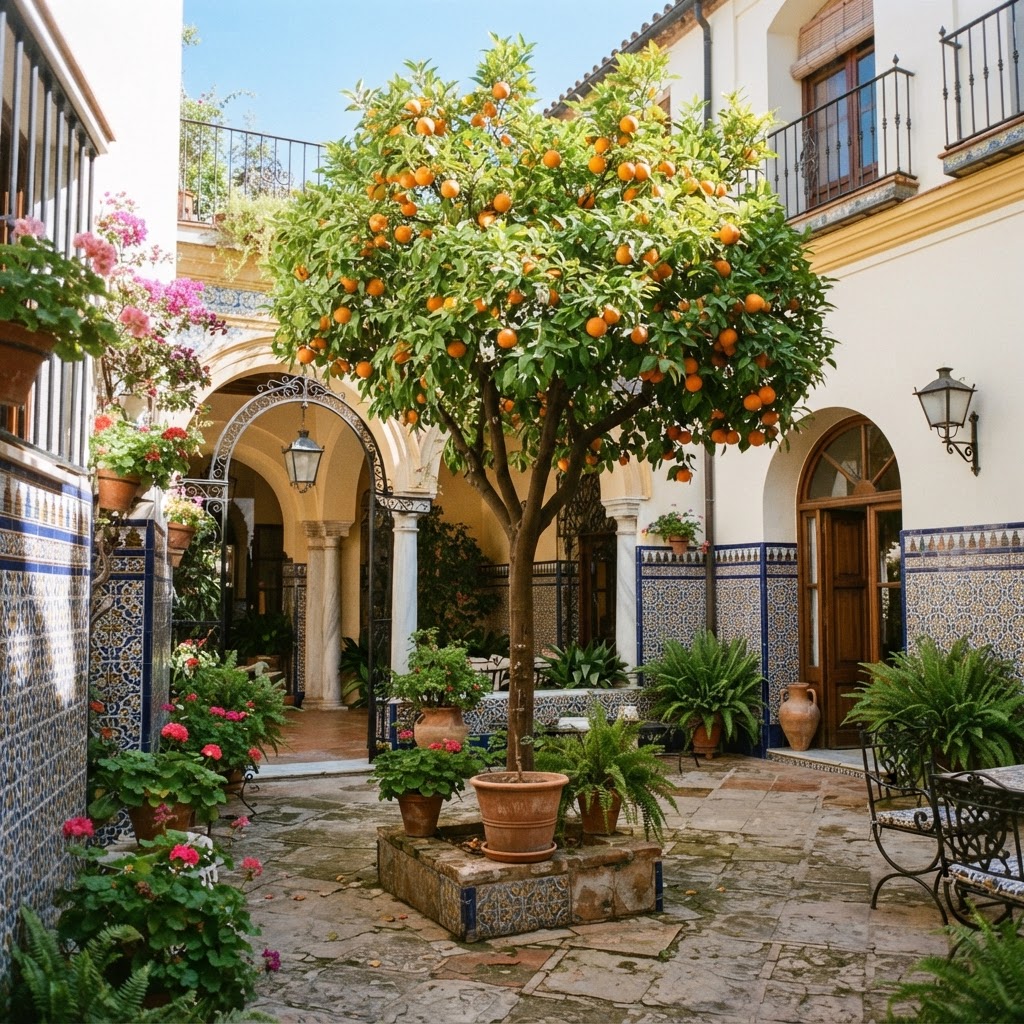
There is a specific, sun-drenched quality to the light in Andalusia that seems to pull the colors of the earth into focus. When you walk through the winding streets of Seville, two elements consistently anchor the visual landscape: the bright, bitter glow of Seville oranges hanging from heavy boughs and the intricate, geometric patterns of hand-painted ceramic tiles. Together, they form the heartbeat of the Spanish aesthetic, a blend of Moorish influence, agricultural richness, and vibrant Mediterranean flair. Understanding this pairing is the key to unlocking the true spirit of southern Spain.
The Origins of the Seville Orange Tree
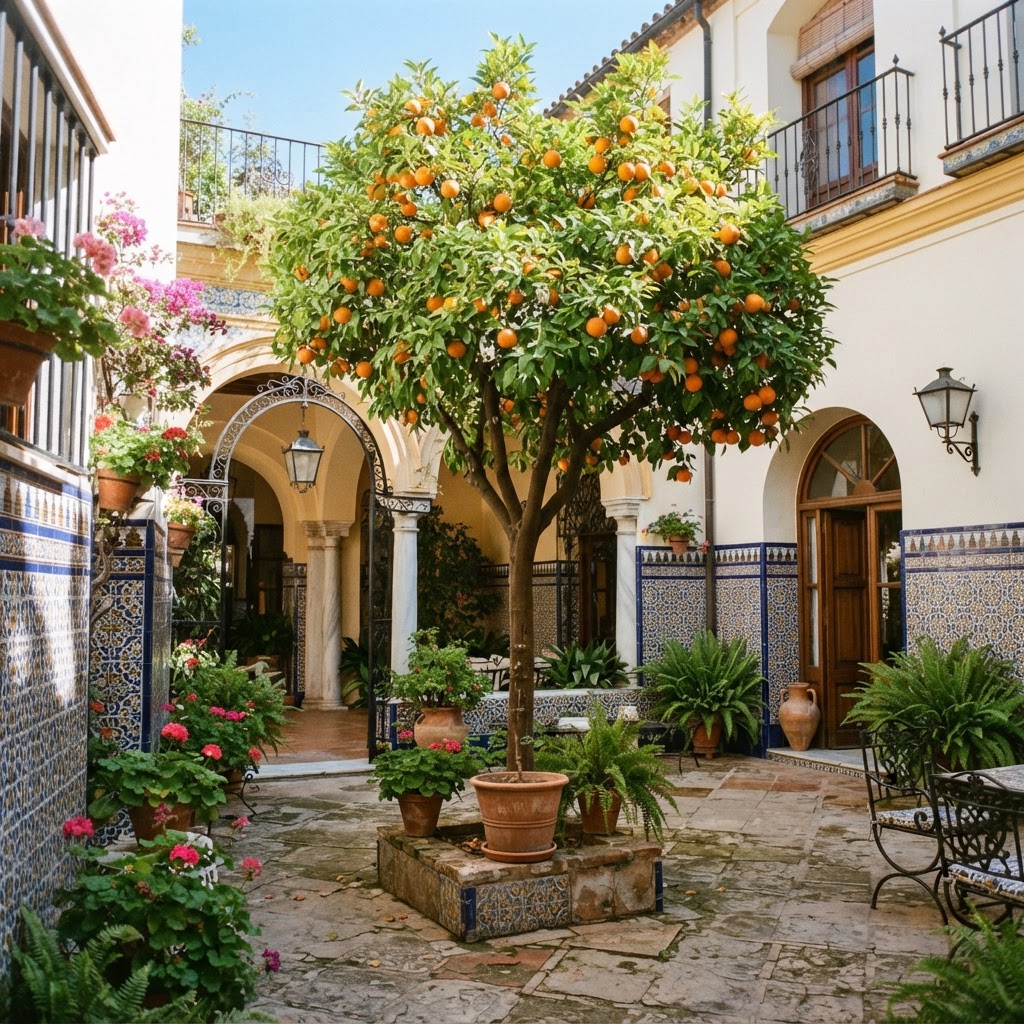
To understand why the Seville orange is so central to the city’s identity, one must look at the history of the region. Brought to the Iberian Peninsula by the Moors during the Middle Ages, the sour orange tree, or Citrus aurantium, was initially prized for its medicinal properties and the fragrant blossoms known as azahar. Unlike the sweet oranges found in grocery stores, these fruits are sharp, bitter, and strictly intended for marmalade or perfume.
Throughout the centuries, these trees became a permanent fixture in the courtyards of the Alcazar and the narrow public plazas of the Santa Cruz quarter. They serve as a living link to the Al-Andalus era, representing a time when irrigation systems were first perfected to cultivate lush gardens in an arid climate. Today, they are iconic symbols of pride for Sevillanos, signaling the start of spring when the scent of orange blossoms fills the air.
The Language of Spanish Tiles
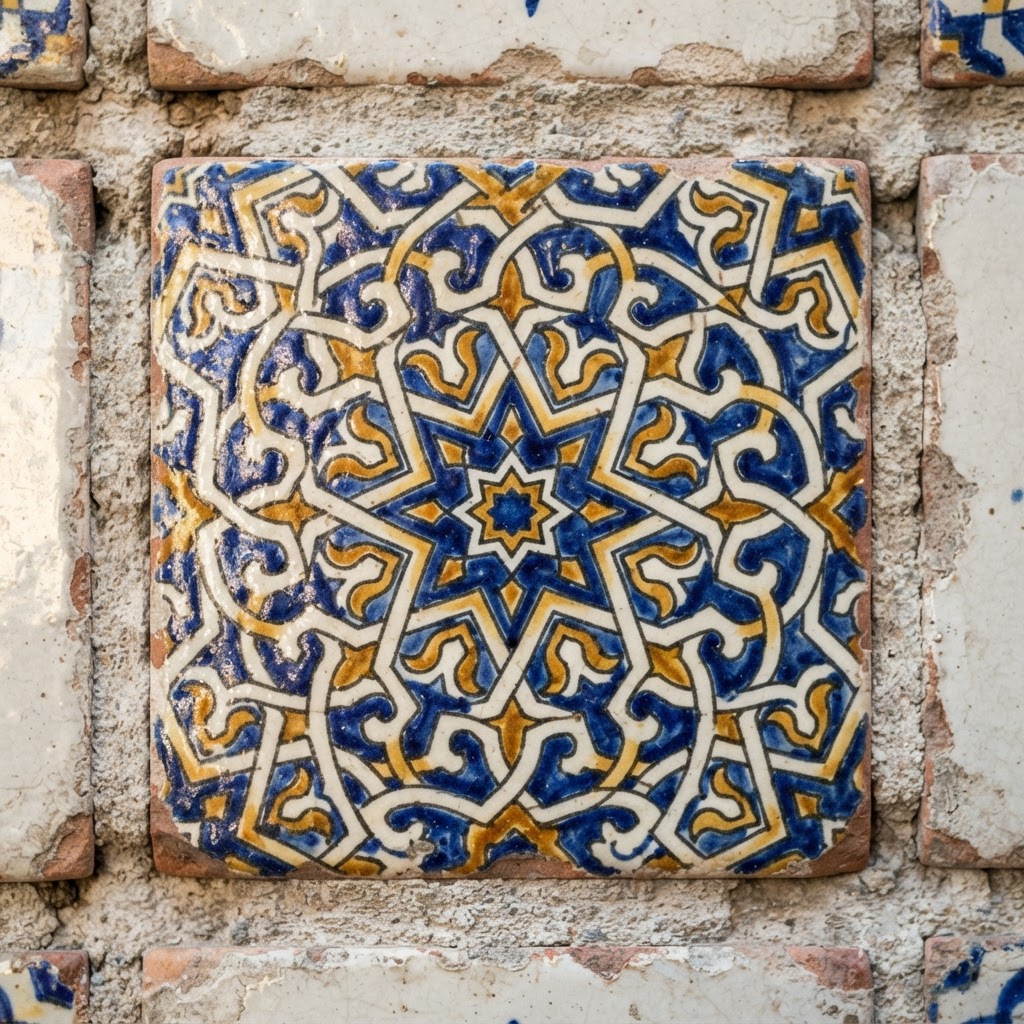
While the oranges provide the vertical beauty of the city, the tiles—or azulejos—provide the soul of the interior and exterior walls. The art of tiling in Seville is an echo of the region’s complex history, blending Islamic geometric precision with Christian decorative styles. From the glossy, multi-colored designs of the Renaissance to the more muted, earthy tones of the earlier mudéjar period, these tiles tell a story of craftsmanship that has survived for over eight hundred years.
These tiles were never just decorative; they were functional. By cooling the walls of homes and courtyards, ceramic tiles helped inhabitants survive the blistering heat of the Andalusian summer. Today, you can see these patterns everywhere, from the base of public fountains to the elaborate wainscotting in historic manor houses. The repetition of geometric shapes creates a sense of order and serenity that balances the chaotic energy of the orange trees growing outside.
Creating the Perfect Spanish Aesthetic at Home
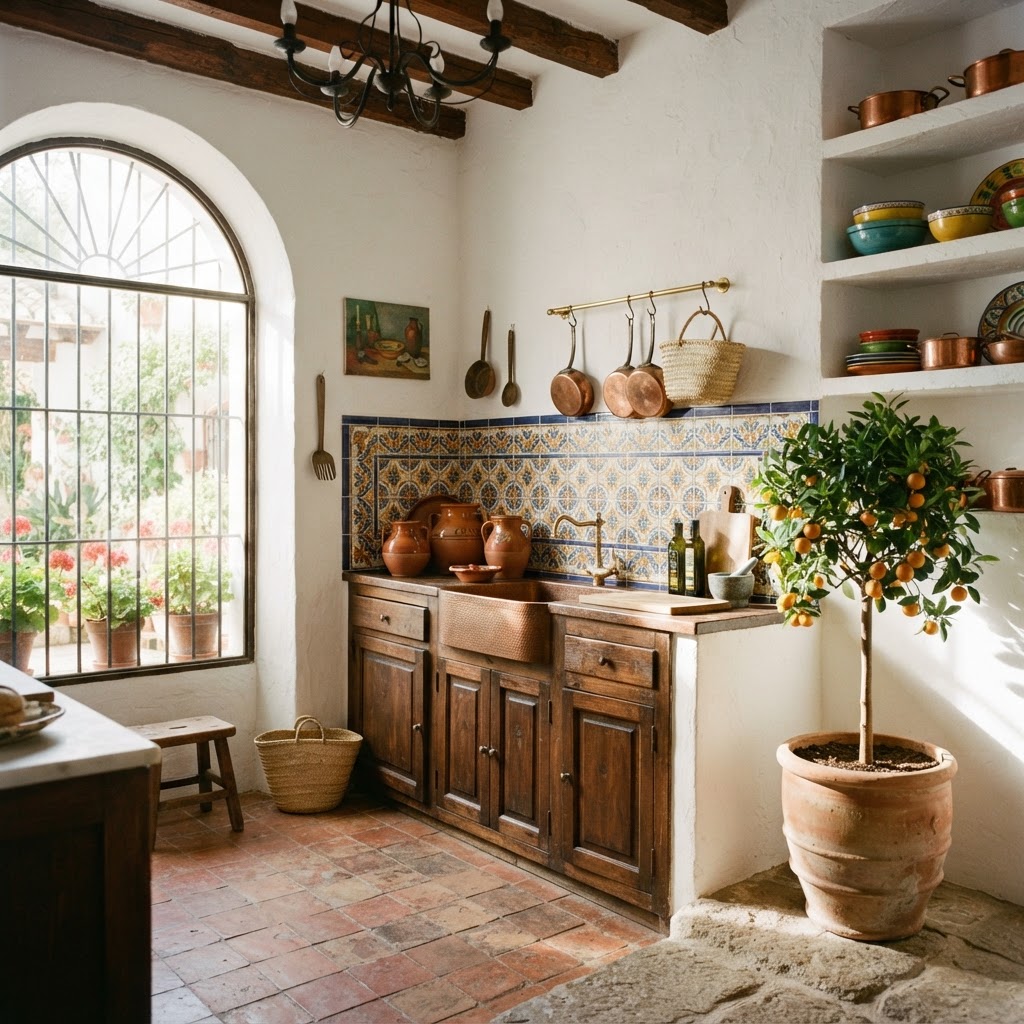
Bringing the Seville aesthetic into your own space requires a focus on contrast and natural texture. You want to capture that feeling of a cool, tiled patio adjacent to a sun-warmed garden. Start with your floor or backsplash; choose hand-painted tiles that feature deep blues, ochres, or earthy greens. These are the classic colors of the Mediterranean and will immediately ground your room in that authentic Spanish feel.
To complement the tiles, incorporate elements of nature. While you might not have a full-grown orange tree in your living room, you can introduce the essence of one. Think of heavy terracotta pots housing citrus trees or subtle botanical prints that feature the distinct shape of the bitter orange. The key is to keep the palette organic. Use whitewashed walls to allow the tiles and greenery to pop, mimicking the way light dances off the bright plaster walls of Seville’s historic homes.
Essential Design Elements
- Terracotta flooring: It provides the warm, earthy foundation necessary for the tile accents.
- Geometric patterns: Look for Moorish-inspired stars and repeating polygons.
- Wrought iron: Use light-colored or black iron furniture to mimic the balcony rails seen throughout Seville.
- Natural light: Ensure your space feels airy and open to mirror the outdoor-indoor transition of Spanish patios.
The Sensory Experience of Andalusia
Design is more than just how a room looks; it is about how it makes you feel. The Spanish aesthetic is rooted in the senses. When you walk through a plaza in Seville, you are experiencing the sound of a bubbling water feature, the smell of orange blossoms, and the visual delight of sunlight hitting a mosaic wall. By layering these elements, you can replicate the atmosphere of a vacation home in the heart of Spain.
Consider adding a small water fountain or a piece of pottery with a traditional design. The sound of trickling water, paired with the sight of blue-and-white ceramics, transports you back to the courtyards of the Casa de Pilatos. It is this multisensory approach that makes the Spanish style so enduringly popular and relaxing to live in day-to-day.
Seasonal Transitions and the Cultural Cycle
The relationship between the oranges and the architecture changes throughout the year, which is something many designers overlook. In early spring, the trees are heavy with fruit, providing a vibrant orange contrast to the cool-toned blue tiles. As the season progresses, the blossoms bloom, and the entire city becomes perfumed. This seasonality is a crucial part of the aesthetic; it reminds us that design should be connected to the natural world.
If you want your home to reflect this, rotate your accessories. In the winter months, focus on warm textiles like wool rugs and rich, dark wood furniture. As you transition to spring and summer, shift toward lighter, linen fabrics and highlight your ceramic collections. Much like the Sevillanos, who live their lives in the rhythm of the changing seasons, your home should feel alive and adaptable.
Practical Tips for Sourcing Authentic Materials
Authenticity is the hallmark of a great design project. When sourcing your tiles, look for those made using traditional techniques. Many independent producers in Spain still create tiles using the ‘cuerda seca’ method, where a wax-like substance is used to separate colors during the glazing process, resulting in crisp, clean lines. These are far superior to mass-produced printed tiles and offer a depth of color that cannot be faked.
Similarly, when choosing your citrus plants, look for varieties that are adapted to indoor living if you reside in a colder climate. A potted Calamondin or a Meyer lemon tree can provide that same visual impact as the bitter Seville orange, offering shiny, deep green leaves and fragrant white flowers. The goal is to create a space that feels curated rather than staged, drawing on the genuine history of the craft.
Conclusion
The combination of Seville oranges and intricate tilework is more than just a decorative choice; it is a celebration of history, climate, and culture. By embracing these elements in your own home, you aren’t just copying a trend—you are inviting the warmth and sophistication of Andalusia into your daily life. Whether you start with a single, hand-painted ceramic bowl or a complete kitchen backsplash revamp, let the colors and textures of Seville guide you toward a more vibrant, authentic space. Start small, stay curious about the history behind your decor, and watch as your home takes on the timeless, sun-drenched spirit of southern Spain.
Leave a Reply