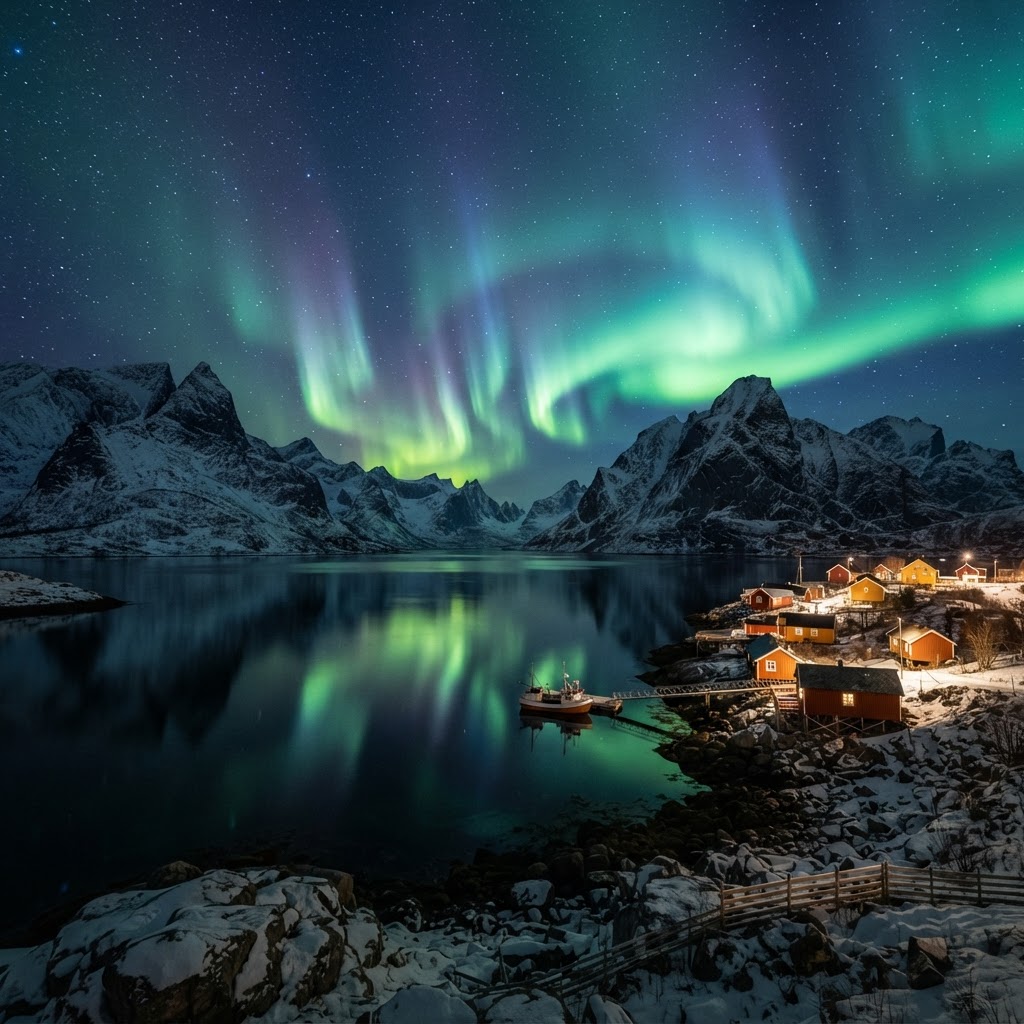
The arctic darkness of a Norwegian winter is not a time of gloom, but rather the stage for the planet’s most spectacular light show. When the sky turns green in Norway, it marks the arrival of the Aurora Borealis, a celestial dance that has captivated humanity for millennia. Travelers from across the globe flock to the northern latitudes hoping to catch a glimpse of these ethereal ribbons of light as they shimmer across the velvet void of space.
The Science Behind the Green Sky
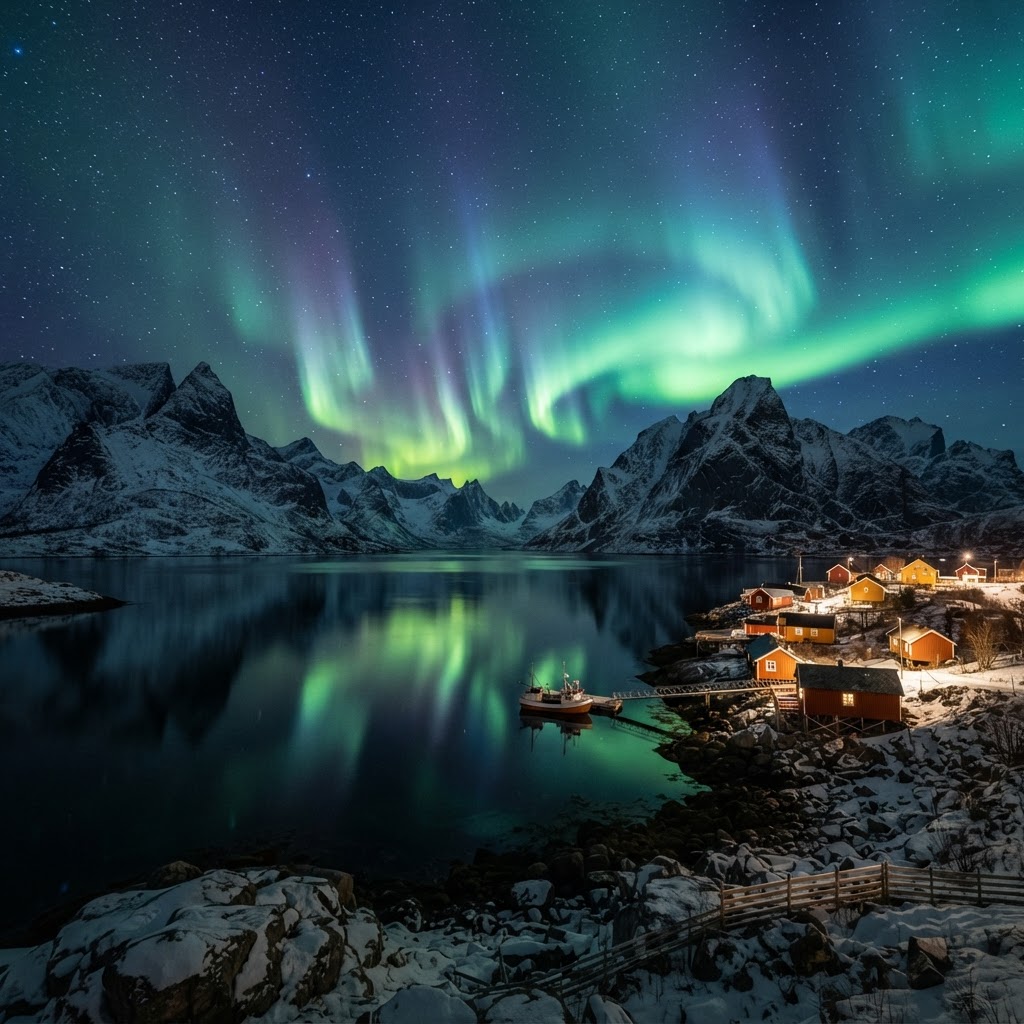
To truly appreciate the experience of when the sky turns green in Norway, it helps to understand the physics occurring miles above our heads. The Aurora Borealis is not magic, though it certainly feels that way; it is a cosmic interaction between the Earth’s magnetic field and solar particles. When the sun ejects a stream of charged particles known as the solar wind, these particles collide with oxygen and nitrogen molecules in our upper atmosphere.
Why Green is the Dominant Color
While the aurora can sometimes feature purples, reds, and rare blues, green is by far the most common color observed. This specific emerald hue is produced by oxygen atoms at an altitude of about 60 to 150 miles. When solar particles hit these oxygen atoms, they become excited and emit the signature green light that defines the Arctic winter. Seeing this color wash over the snowy peaks of the fjords is a highlight for every visitor.
Choosing the Right Time to Visit
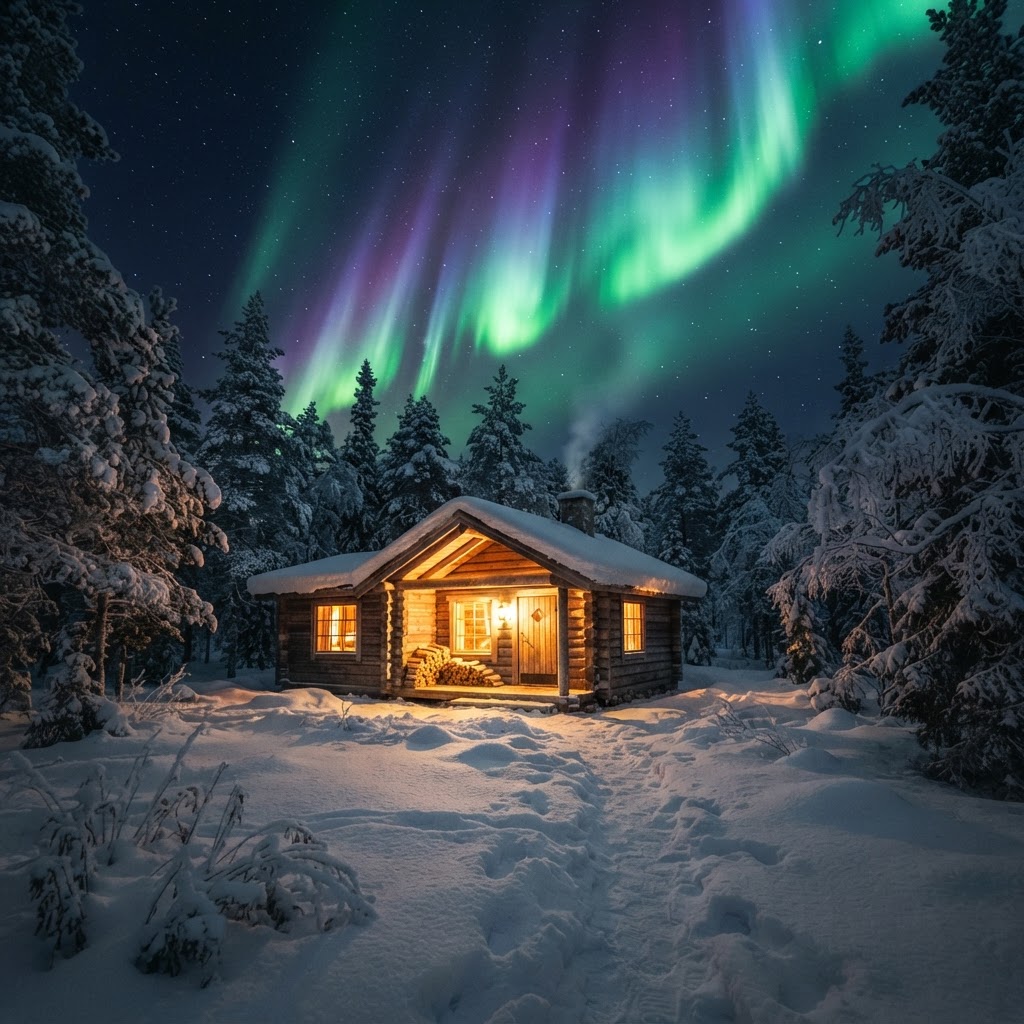
The timing of your trip is the most critical factor for success. While the phenomenon exists year-round, it is only visible when the sky is dark enough. In Norway, the prime season runs from late September to late March. During this period, the polar nights provide the necessary contrast to see even the faintest displays of light.
Maximizing Your Chances
To optimize your chances, aim for the mid-winter months. During December and January, the sun barely rises in Northern Norway, providing nearly 20 hours of darkness every day. However, travelers who prefer slightly milder temperatures often choose the equinox months of September/October or February/March. During these times, the geomagnetic activity often peaks, which can lead to more intense displays.
Top Destinations in Norway for Aurora Chasing
Not all of Norway offers the same experience. Because the Northern Lights occur in an oval shape around the magnetic north pole, the further north you travel, the better your chances of being directly underneath the activity. Tromsø is widely considered the capital of the Arctic and serves as the most popular base for aurora seekers.
Beyond the City Lights
While you can sometimes see the lights from the center of Tromsø, the best views require moving away from light pollution. Consider booking a guided tour that takes you into the remote wilderness of Kvaløya or toward the Finnish border. Other excellent locations include the Lofoten Islands, where the sharp, jagged mountains provide a dramatic foreground for the dancing lights, and Alta, famous for being the world’s first location to host an aurora observatory.
| Location | Best Feature | Accessibility |
| :— | :— | :— |
| Tromsø | Infrastructure & Tours | High |
| Lofoten Islands | Coastal Beauty | Medium |
| Alta | Historically Scientific | Medium |
| Senja | Untouched Wilderness | Low |
Preparing for the Arctic Elements
When you travel to see when the sky turns green in Norway, you must respect the harshness of the environment. Temperatures can plummet well below freezing, and the wind chill in coastal regions can be brutal. Proper gear is not just about comfort; it is about survival and the ability to stay outside long enough to actually see the lights.
The Layering Strategy
Start with a base layer of merino wool, which wicks moisture away from the skin. Follow this with a warm insulating layer, such as a fleece or a down jacket, and finish with a windproof and waterproof outer shell. Do not forget extremities: insulated boots with a good grip, heavy mittens, and a thick hat are essential. If your hands are frozen, you will struggle to operate your camera or focus on the sky.
Photography Tips for Beginners
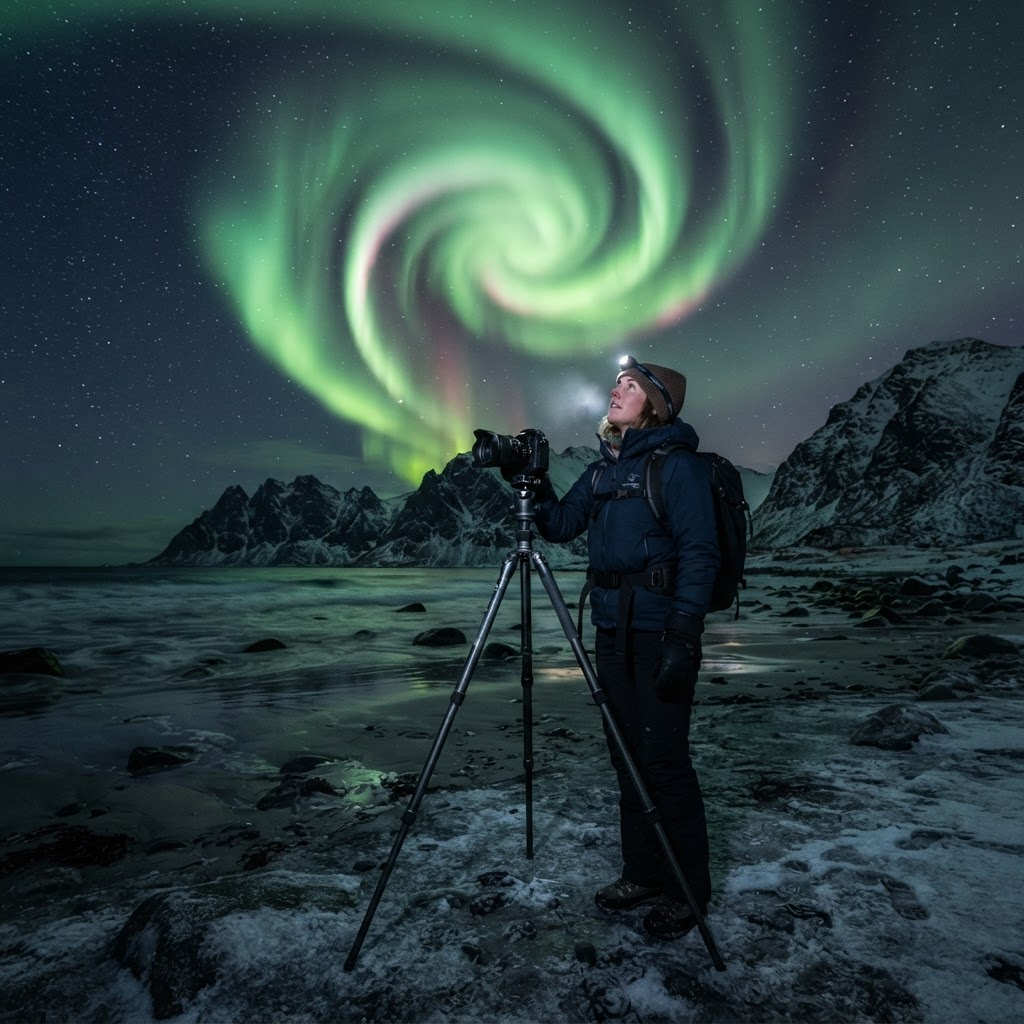
Capturing the Northern Lights is a rewarding challenge. You cannot rely on your smartphone’s automatic settings for the best results; you need a camera that allows for manual control. A tripod is non-negotiable, as you will need to keep the camera shutter open for several seconds to capture the faint light of the aurora.
Setting the Scene
Set your aperture as wide as possible (f/2.8 or lower is ideal) to let in maximum light. Adjust your ISO to between 800 and 3200, depending on the intensity of the aurora and your camera’s capability. Use a long shutter speed—anywhere from 5 to 20 seconds—and ensure you are shooting in RAW format to allow for post-processing adjustments. Above all, take time to put the camera down and just watch with your own eyes.
Cultural Connections and Folklore
Throughout history, the Norwegian people have had a deep relationship with the lights. In ancient Norse mythology, the Aurora was often believed to be the bridge to Valhalla, or the light reflecting off the armor of the Valkyries. Other legends suggested the lights were the souls of the departed, guiding the living.
Respecting the Nature
Today, the lights remain a source of immense national pride. Locals often check aurora forecasts as routinely as they check the weather. When you are out in the field, practice “leave no trace” ethics. The Arctic environment is fragile, and keeping the wild areas pristine ensures that future generations can enjoy the same awe-inspiring spectacles.
Common Myths Debunked
There is a lot of misinformation circulating about the Northern Lights. One common myth is that they only appear at midnight; in reality, they can appear any time after sunset. Another is that you need a clear sky to see them; while clouds do block the view, the aurora can sometimes shine through thin, wispy clouds, creating a unique hazy glow. It is also important to note that the lights do not make a sound, despite what some older folklore suggests.
Conclusion
Witnessing when the sky turns green in Norway is a transformative experience that sits at the top of many bucket lists. It is a moment of pure, raw connection with the universe, reminding us of the immense beauty that exists in our natural world. By choosing the right time, traveling to the right locations, and preparing for the Arctic climate, you can turn a dream into a vivid, glowing memory.
Start planning your journey to the Arctic circle today. Whether you are standing on a frozen fjord or gazing up from a remote cabin, the Northern Lights are waiting to show you their colors. Have you booked your flight to Norway yet?
Leave a Reply