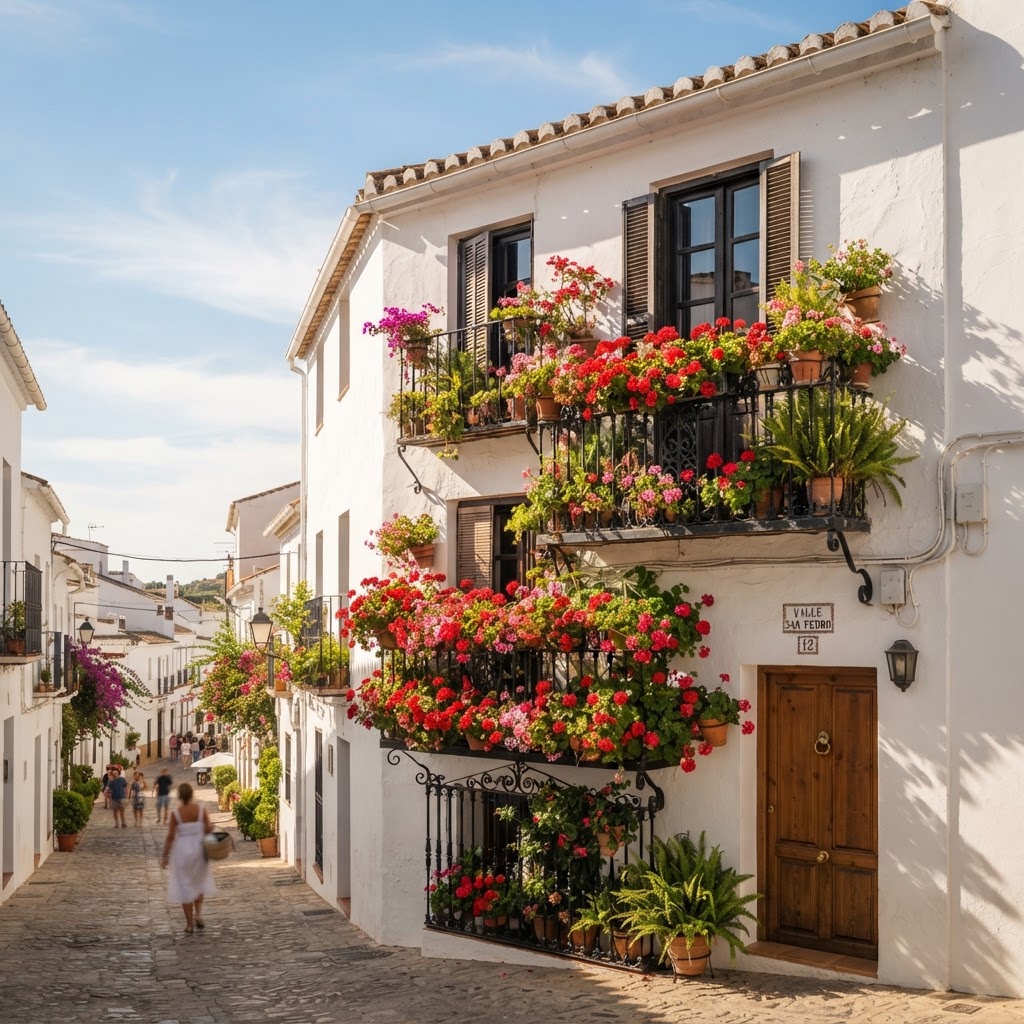
There is a specific kind of magic that settles over a street in Spain during the golden hour. As the sun dips behind terracotta roofs, the light hits the wrought-iron railings and cascades over vibrant geraniums, turning every Spanish balcony into a frame for a masterpiece. These architectural elements are more than just exits; they are expressions of culture, history, and an enduring love for the aesthetic life. To look up at a row of these balconies is to witness a living painting, where art meets everyday functionality.
The Artistry of Wrought-Iron Craftsmanship
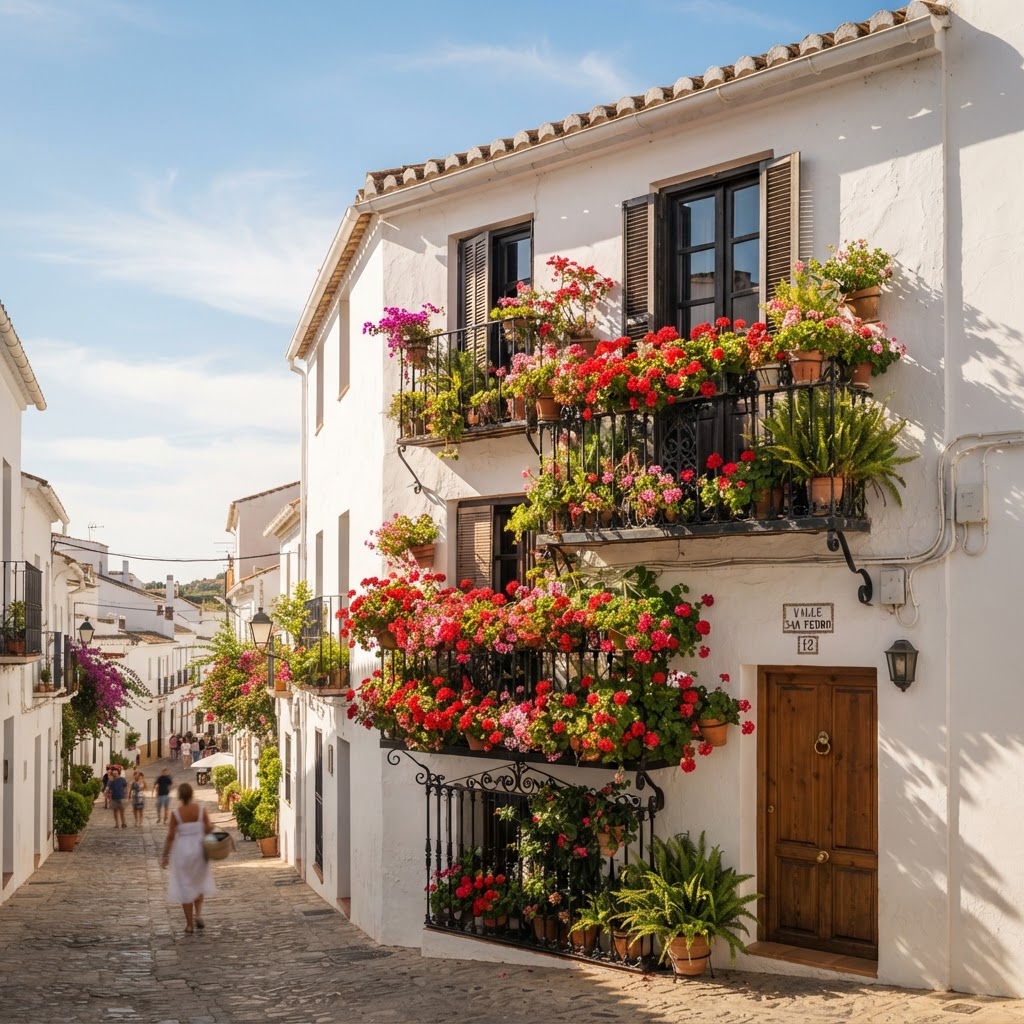
Spanish balconies are defined primarily by their intricate metalwork. The tradition of forging iron into delicate, swirling patterns dates back centuries, reflecting the influence of various cultures that have touched the Iberian Peninsula. These railings serve as the canvas upon which the rest of the balcony’s “painting” is composed.
Patterns and Symbolism
Many of the patterns found in these balconies are not merely decorative. They often incorporate local motifs, such as stylized floral arrangements or geometric shapes that pay homage to Moorish architecture. The craftsmanship is so precise that when seen against a bright white-washed wall, the silhouette of the ironwork resembles an ink drawing brought to life.
Maintenance and Longevity
Because of the harsh Mediterranean sun and salty coastal air, these metal structures are built to endure. The contrast between the dark, weathered iron and the bright, fresh flowers creates a visual tension that artists have been trying to capture for centuries. It is this exact marriage of solid, immovable iron and delicate, ephemeral plant life that gives these spaces their painterly quality.
The Language of Flowers and Color
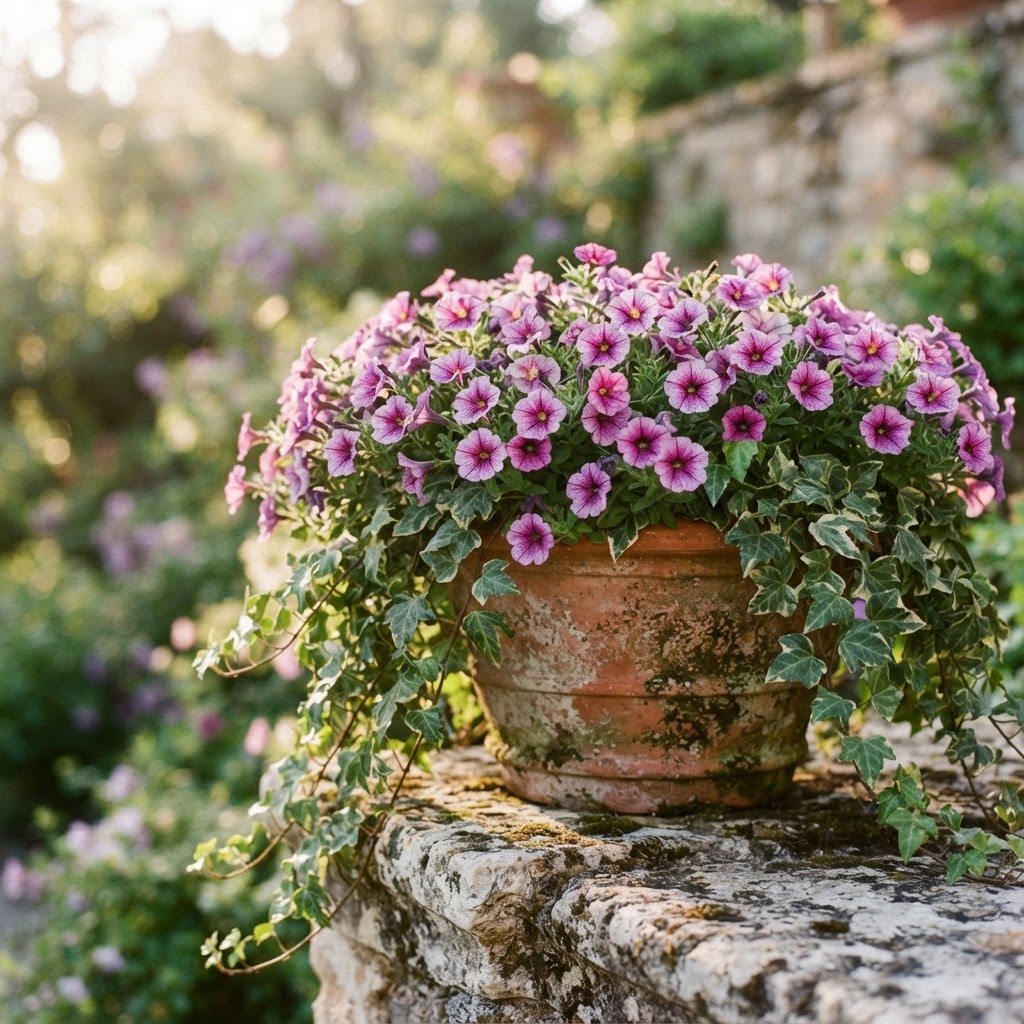
If the iron is the frame, the flowers are the brushstrokes. A Spanish balcony without greenery is like a canvas left blank. In regions like Andalusia, residents take great pride in their floral displays, treating their balconies as extensions of their living rooms and gardens.
The Iconic Geranium
There is a reason why the bright red geranium is the unofficial ambassador of the Spanish balcony. These hardy plants thrive in the heat, providing a shock of saturated color that pops beautifully against the neutral tones of the building facades. When multiple balconies are lined with these flowers, the entire street takes on the appearance of an impressionist landscape.
Seasonal Changes
Just like a changing painting, these balconies shift their colors with the seasons. While geraniums are year-round staples, other seasonal blooms like petunias, jasmine, and bougainvillea add layers of texture and fragrance. The visual effect is dynamic, ensuring that no two days in the city look quite the same.
Architectural Styles Across Spain
Spain is a country of immense regional diversity, and this is reflected in the design of its homes. From the north to the south, the ‘balcony look’ changes to suit the climate and cultural history of the area.
The Andalusian White-Washed Aesthetic
In the south, the white walls of the homes serve to reflect the intense sun. Against this backdrop, the dark iron balconies and vibrant plants look exceptionally stark and dramatic. It is the quintessential “Spanish balcony” that travelers dream of seeing.
Northern Elegance
Moving north, the architecture becomes slightly more robust to withstand cooler, wetter climates. Here, you might find balconies that incorporate more wood or enclosed glass features. While different, they retain the same artistic spirit, often featuring ornate carvings that tell a story of the family living within.
Creating Your Own Painterly Balcony
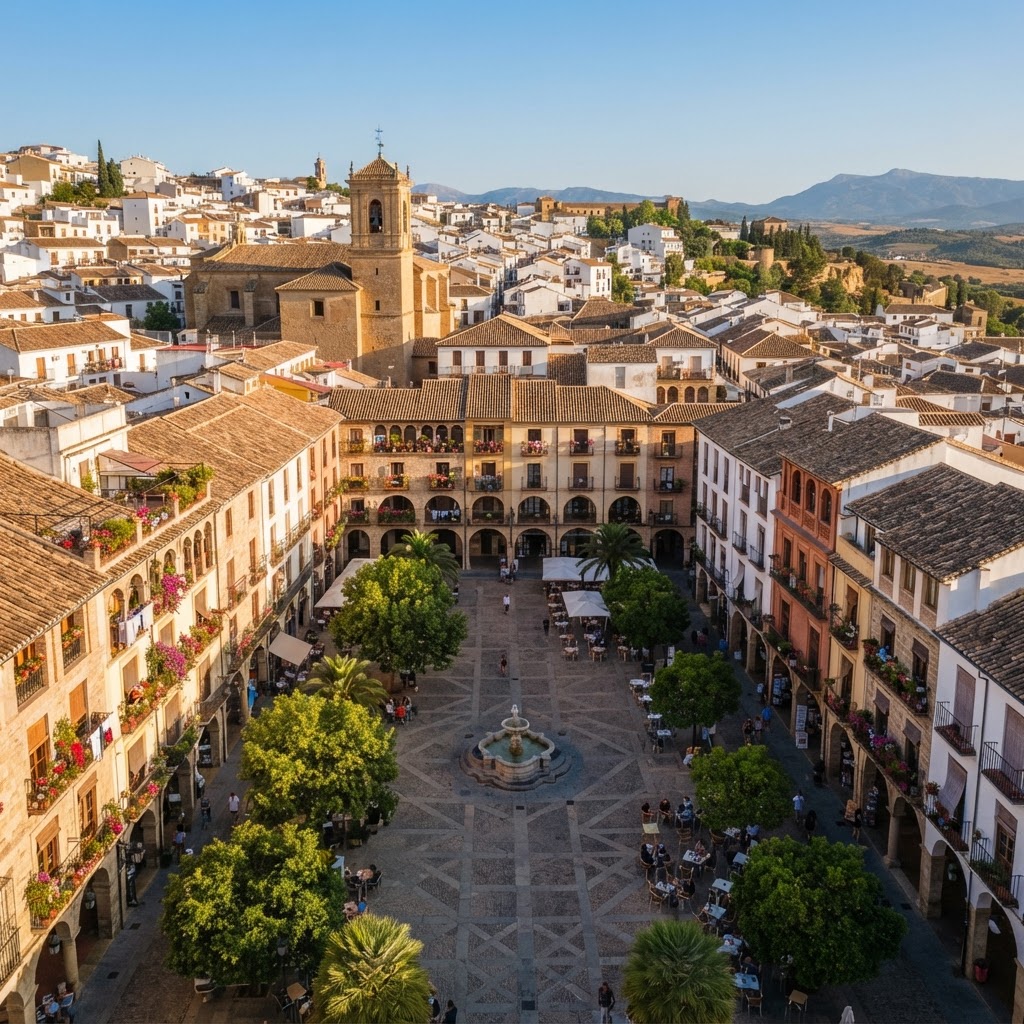
You do not need to live in Seville to capture the essence of a Spanish balcony. By understanding the core design principles used in Spain, you can transform your own outdoor space into a personal gallery.
Selection of Containers
Authentic Spanish decor often uses terracotta pots. The earthy, burnt-orange tones of clay complement almost every plant variety and provide a grounding, natural look that feels timeless. Ensure your pots have proper drainage to keep your floral “painting” healthy.
Vertical Gardening Techniques
Spanish balconies are masters of utilizing limited space. By using wall-mounted planters or hanging baskets, you can create a vertical garden that draws the eye upward. This technique makes the space feel larger and mimics the sprawling, lush look of traditional Mediterranean courtyards.
The Cultural Significance of the Balcony
In Spain, the balcony is a social space. It is a place where neighbors converse across streets and where the pulse of the community is measured. This social aspect adds a layer of “living art” to the structure; it is not just for show, but for the act of living itself.
Balconies and Street Festivals
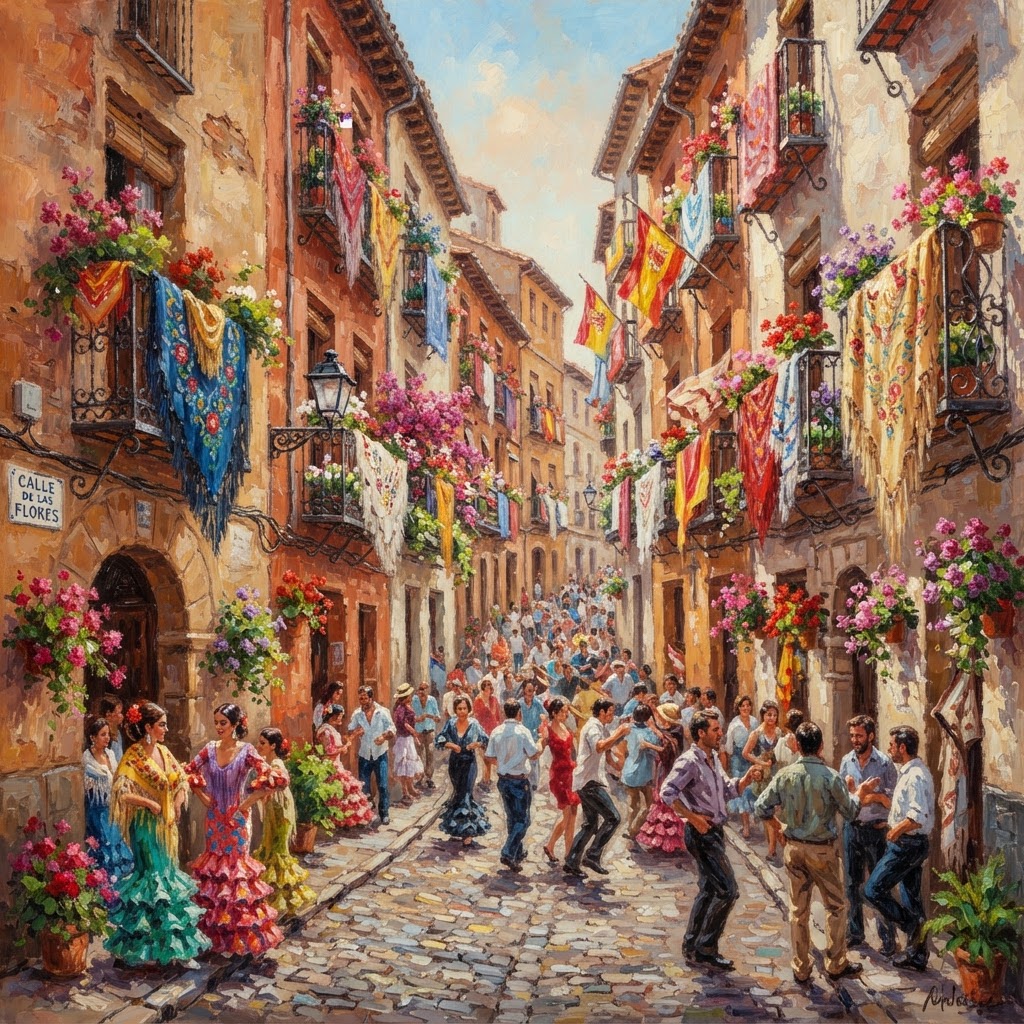
During festivals like the Corpus Christi or local ferias, balconies are transformed further with draped fabrics, religious icons, and extra floral arrangements. During these times, the street becomes a gallery of human expression, where the balconies act as the stage for the community’s celebration.
Tips for Sustaining Your Floral Display
Maintaining a balcony that feels like a painting requires consistency. Just as an artist cleans their brushes, you must tend to your balcony garden to ensure it stays vibrant and visually appealing.
Watering and Nutrition
Container plants dry out quickly, especially in the sun. A daily watering schedule is essential. Investing in a slow-release fertilizer will provide the necessary nutrients for those brilliant blooms to maintain their intensity throughout the growing season.
Pruning for Aesthetics
Don’t be afraid to pinch back flowers. Pruning encourages fuller growth, which in turn leads to a more bountiful display of color. Think of pruning as refining the lines of your painting, keeping it neat and focused.
Conclusion
Spanish balconies are truly more than just architectural features; they are a testament to the beauty that can be created when we prioritize aesthetics in our daily environment. Whether you are inspired by the ironwork, the explosion of floral color, or the social history of the space, there is something to be learned from this Mediterranean tradition. By embracing the principles of color, structure, and routine care, you can bring a piece of this artistic charm into your own life. Start by adding one terracotta pot or a simple iron hanging basket today and watch your own personal masterpiece begin to grow. Have you ever tried to recreate a European balcony look at home? Let us know your favorite tips in the comments below!
Leave a Reply