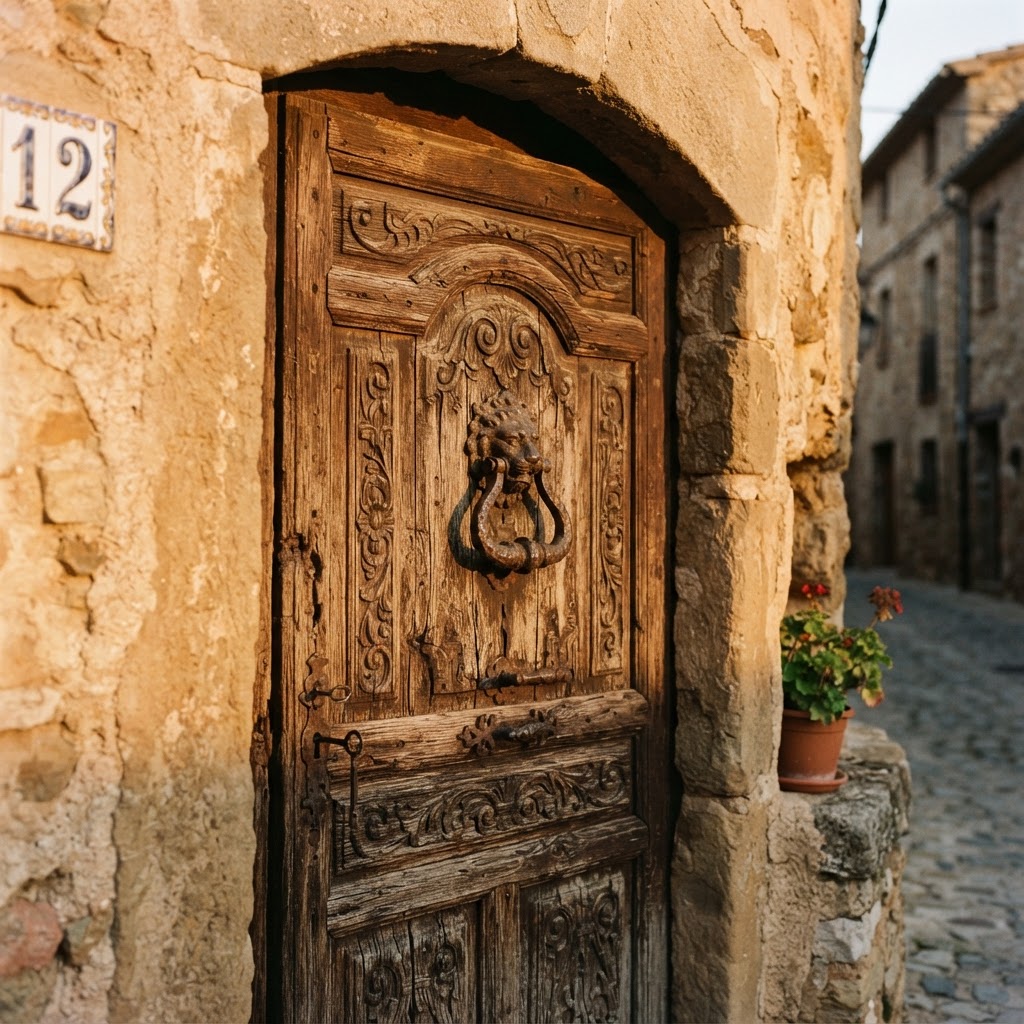
Walking through the winding, sun-drenched streets of a Spanish village is a sensory experience that goes beyond the smell of fresh tapas or the distant sound of a flamenco guitar. As you wander, it is often the thresholds themselves that catch the eye. Spanish doorways are not merely functional portals to a home; they are intricate artifacts of history, religion, and regional identity. Each carved wooden plank, iron-wrought knocker, and ceramic-tiled frame whispers a story of the people who passed through them over the centuries.
The Architecture of History
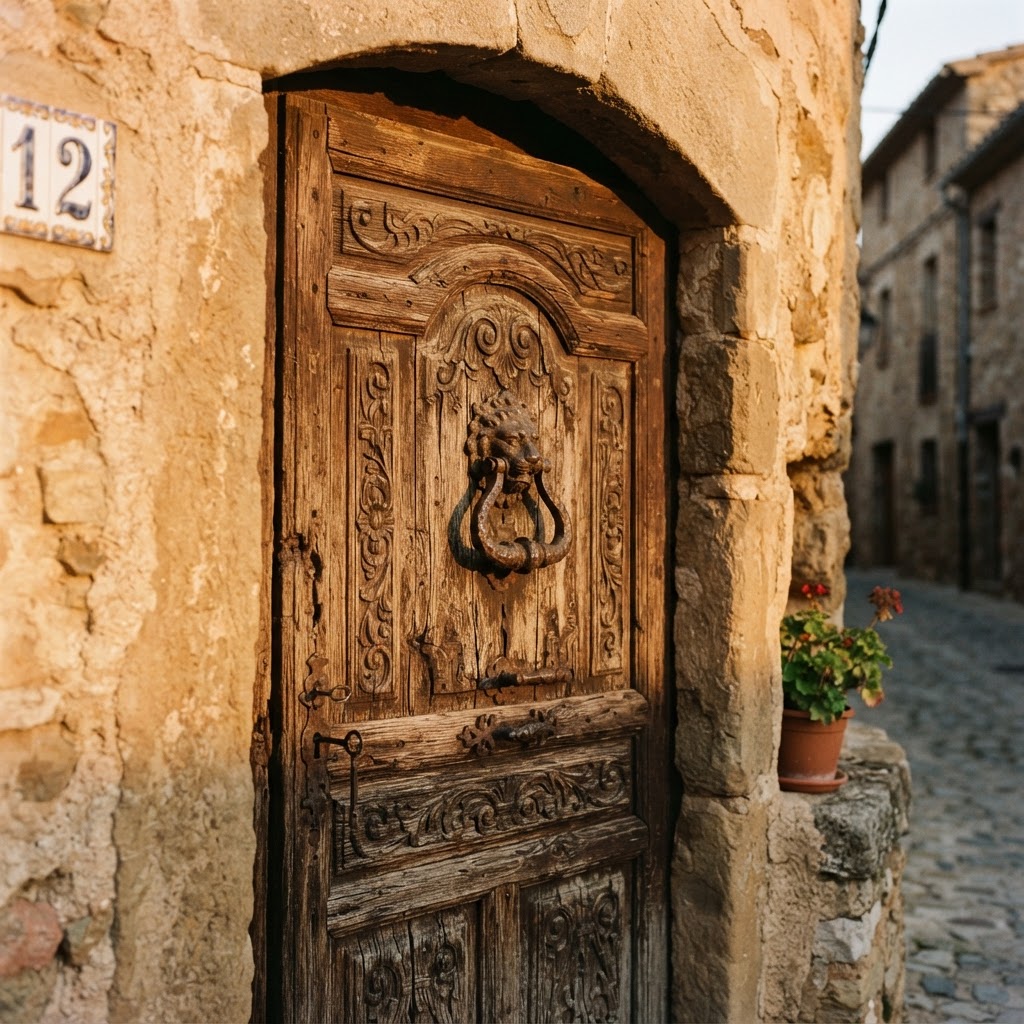
Spanish architecture is a mosaic of influences, and nowhere is this more visible than in the design of its entrances. From the sturdy, fortress-like doors of the Romanesque period to the delicate, geometric precision of Moorish influences in the south, the diversity is staggering. These entrances act as a timeline, marking shifts in power, art movements, and daily life across the Iberian Peninsula.
Influences of Moorish Design
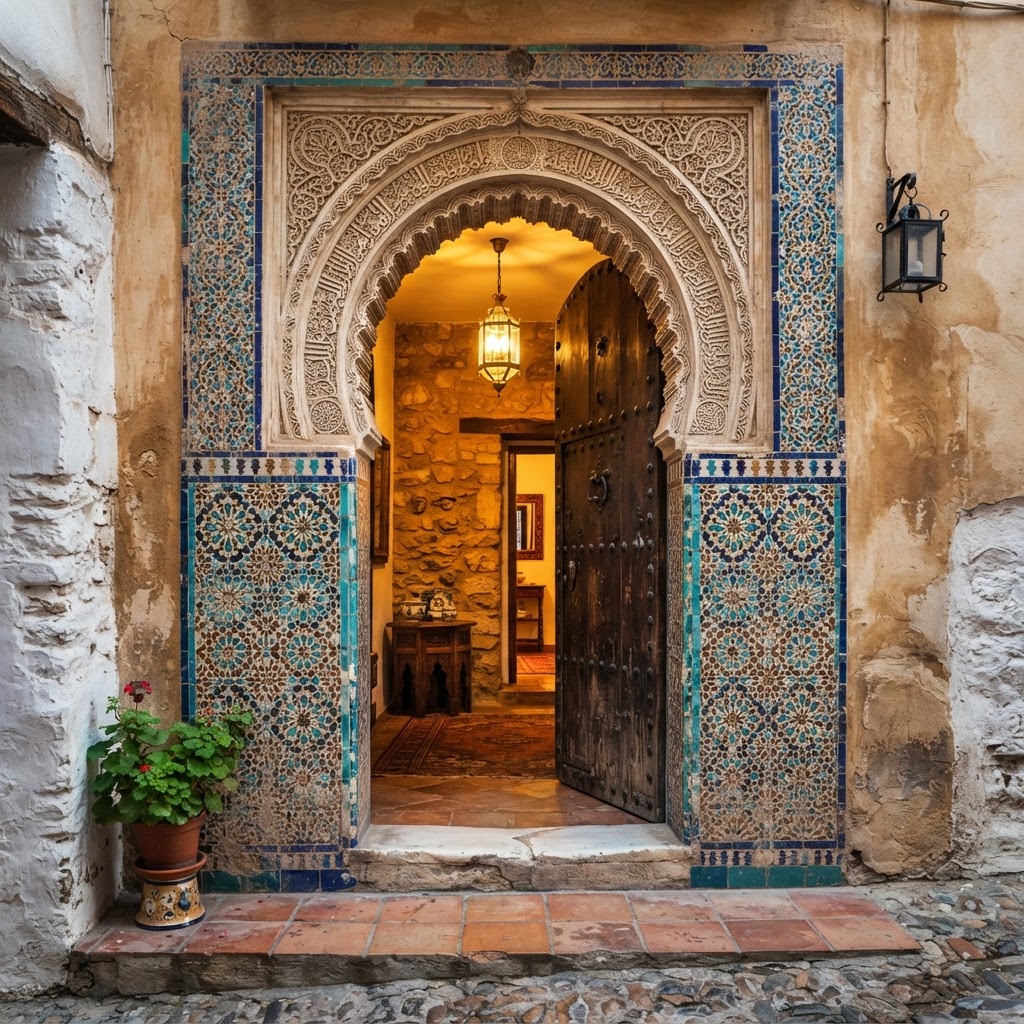
In Andalusia, the lingering presence of Al-Andalus is unmistakable. You will often encounter the horseshoe arch, an iconic feature of Islamic architecture that defines many Spanish doorways. These entrances were designed to create a transition from the chaotic, vibrant street to a serene, private interior courtyard known as a patio.
The Role of the Patio
Beyond the doorway lies the heart of the Spanish home. The entrance acts as a gatekeeper, shielding the intimate family space from public view. This design philosophy highlights a deep-rooted cultural emphasis on privacy and the sanctity of the domestic sphere, a tradition that persists even in modern urban apartments.
Materials and Craftsmanship
Traditional Spanish doorways were built to last, utilizing materials sourced directly from the local landscape. Heavy oak, cedar, and walnut are common, providing both security and a canvas for intricate wood carving. In many regions, the wood is offset by heavy ironwork, a craft that has been perfected in Spanish smithies for generations.
The Language of Ironwork
Iron knockers in Spain are rarely just functional. They often feature symbolic shapes, such as lions for protection, hands for hospitality, or even religious icons. To touch a knocker is to touch a tradition, as many of these pieces have been firmly attached to the same door frame for over two hundred years.
Regional Variations in Entrance Design
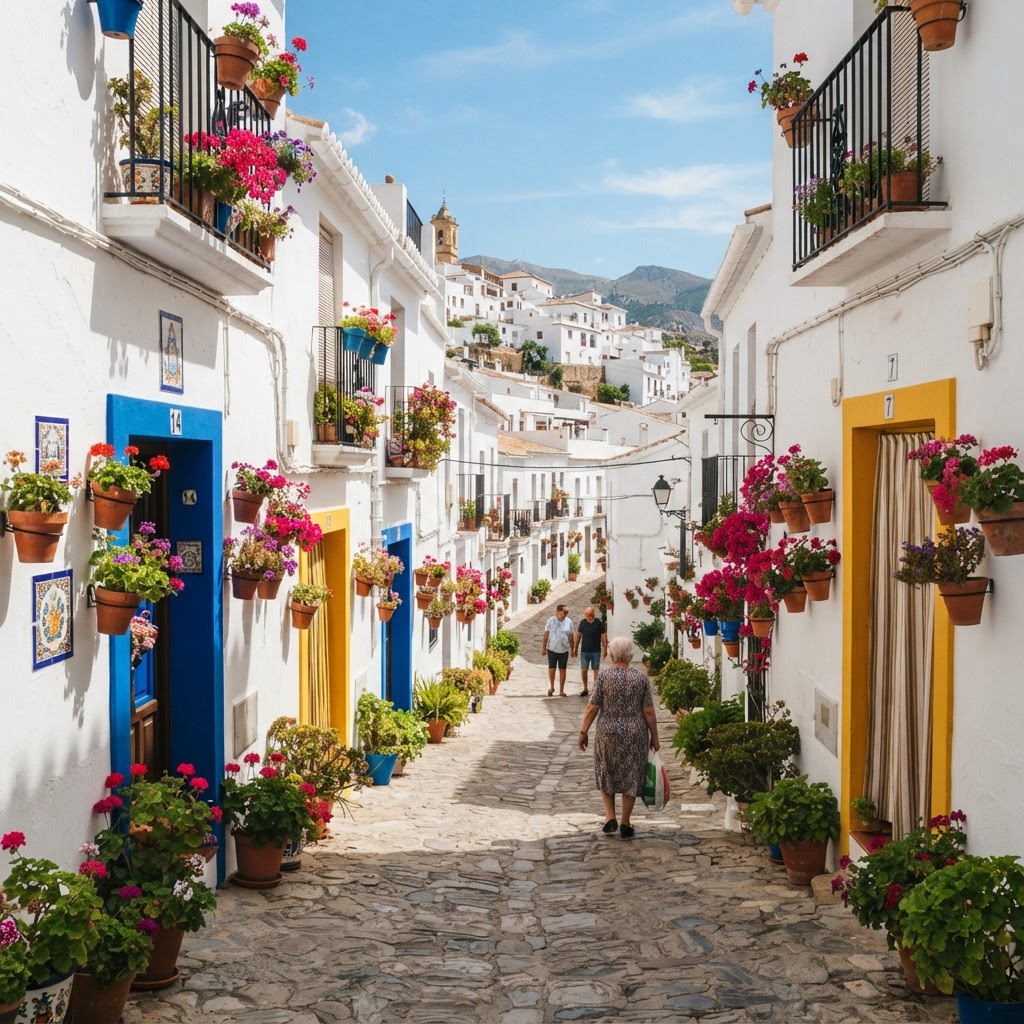
Just as the climate changes from the lush, green north to the arid, sun-baked south, so do the doors. In the north, you might find wider, more utilitarian doors meant to accommodate farm tools or livestock in older stone houses. In the central plains of Castile, the doorways are often grander, serving as markers of status for wealthy landowners or nobles.
The Coastal Mediterranean Aesthetic
Along the Mediterranean coast, color takes center stage. Doors painted in deep cerulean, bright ochre, or vibrant whitewashed frames reflect the intensity of the sun. These colorful entrances are designed to reflect heat and invite a sense of brightness that mirrors the shimmering sea nearby.
Symbolism and Superstition
Many historic doors in Spain feature carvings or items placed above the lintel that serve as talismans. It is not uncommon to see small ceramic tiles depicting saints or protective symbols meant to ward off bad luck or invite prosperity into the home. These small, thoughtful additions reveal the deep-seated spiritual and superstitious nature of rural Spanish life.
The Power of the Threshold
In folklore, the threshold is a liminal space. It marks the boundary between the chaos of the outside world and the safety of the hearth. Many traditions across Spain involve specific actions when entering a home for the first time, rituals that date back to ancient agrarian cultures that viewed the house as a protective shell against the elements and the unknown.
Preservation and Modern Interpretation
As Spain modernizes, there is a growing movement to preserve these historic architectural elements. Neighborhoods in cities like Seville, Granada, and Madrid are taking steps to ensure that historical facades remain intact, even when interiors are fully renovated. This balance between heritage and progress is crucial for maintaining the unique soul of Spanish urban landscapes.
How to Appreciate Spanish Doorways
If you are traveling through Spain, take a moment to slow down. Look past the main tourist attractions and focus on the details of the houses you pass. Examine the grain of the wood, the patina on the brass handles, and the way the shadows fall across the door frame in the afternoon light. You are witnessing hundreds of years of craftsmanship in a single glance.
Maintenance of Iconic Entrances
Maintaining these structures requires a unique set of skills. Specialized woodworkers and blacksmiths are often called upon to repair century-old doors, using traditional methods rather than modern adhesives or synthetic materials. This commitment to craftsmanship ensures that the doorways continue to hold their shape and their story for future generations.
Conclusion
Spanish doorways are far more than mere entry points; they are the weathered faces of buildings that have seen centuries of history unfold. Whether they are ornate, iron-clad, or simply painted with the vibrant colors of the Mediterranean, they invite us to pause, observe, and appreciate the artistry embedded in the mundane. The next time you find yourself wandering the cobblestone streets of Spain, remember that every doorway holds a secret waiting to be told. Have you ever encountered a doorway that stopped you in your tracks? Share your favorite architectural memories with us in the comments below, or start planning your next journey to experience these marvels in person.
Leave a Reply