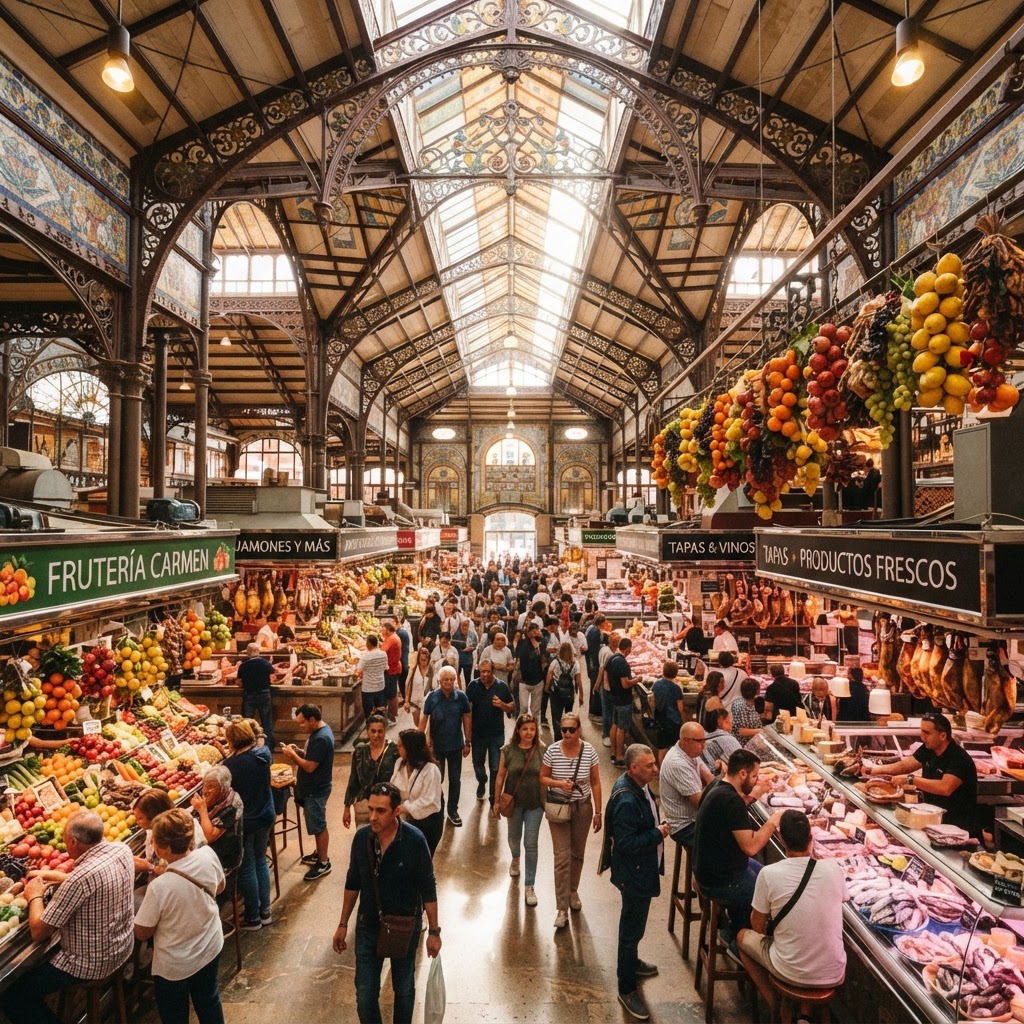
Stepping into a traditional Spanish market is like walking into the pulsating heart of the country’s culture. From the moment you cross the threshold, your senses are greeted by an explosion of color, the intoxicating aroma of freshly baked bread and cured ham, and the melodic chatter of vendors and locals bargaining over the freshest catch of the day. These markets are far more than mere places to buy groceries; they are social hubs, historical landmarks, and culinary cathedrals that define the identity of every city, town, and village in Spain.
The Cultural Significance of Spanish Markets
In Spain, the market is the center of community life. While modern supermarkets have become commonplace, the traditional ‘mercado’ remains an essential fixture of daily existence. For many Spaniards, visiting the local market is a morning ritual that goes beyond utility. It is a place to catch up on local news, exchange recipes, and maintain the strong social fabric that keeps neighborhoods connected.
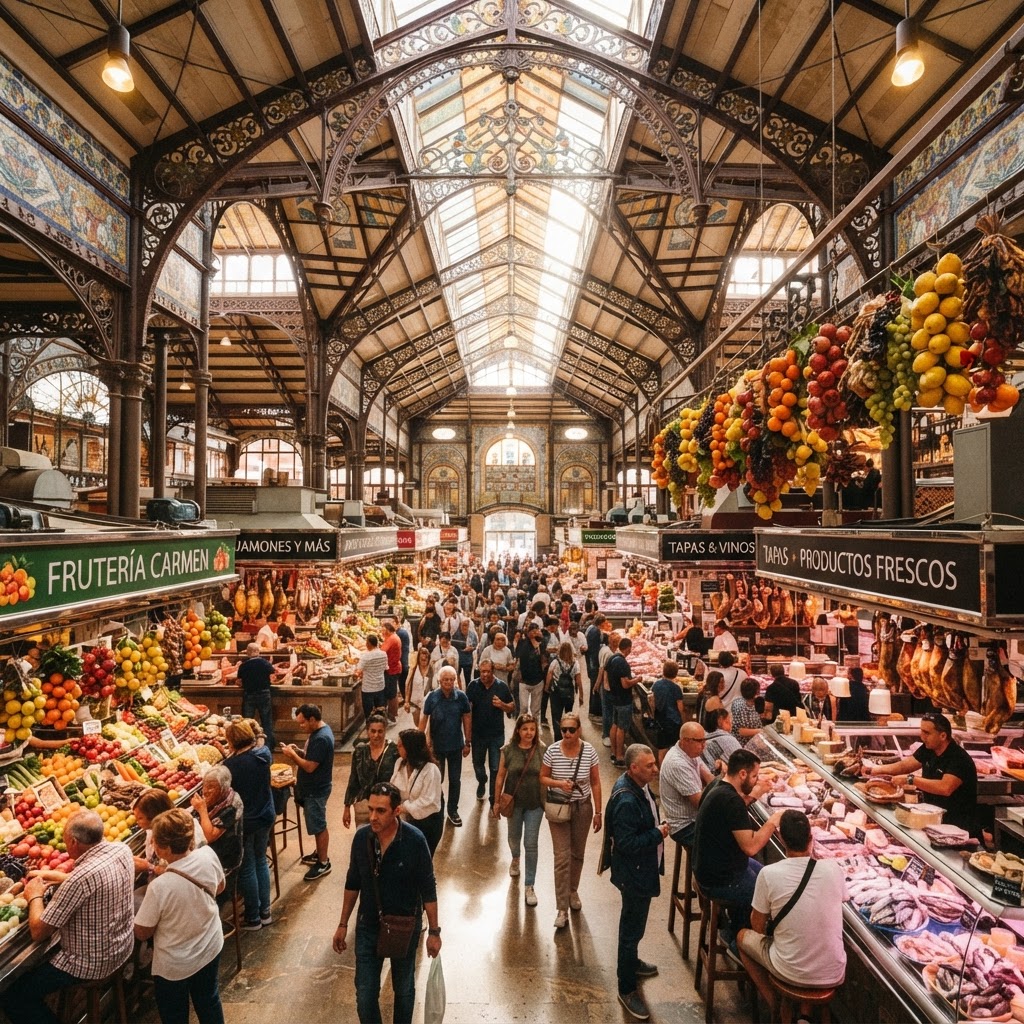
These structures, often housed in stunning 19th-century wrought-iron buildings or historic stone halls, represent a commitment to slow food and local commerce. By shopping at these markets, residents support local farmers, butchers, and cheesemakers, ensuring that the culinary traditions of their specific region remain vibrant and preserved for future generations.
Iconic Markets You Cannot Miss
Spain is home to thousands of markets, but a few stand out as true national treasures. Each offers a distinct glimpse into the soul of its respective city.
La Boqueria, Barcelona
Located just off the famous La Rambla, Mercat de Sant Josep de la Boqueria is perhaps the most famous market in the world. Its entrance is a kaleidoscope of fruit juices, hanging hams, and fresh seafood. While it has become a major tourist destination, it remains a working market where local chefs source their ingredients for the day.
Mercado de San Miguel, Madrid
Unlike traditional markets that focus on raw produce, the Mercado de San Miguel is a gourmet paradise. This historic iron-and-glass structure is dedicated to high-quality tapas, fine wines, and artisanal delicacies. It is the perfect spot for travelers looking to sample the very best of Spanish gastronomy in a single, refined location.
Navigating the Sensory Experience
If you have never visited a Spanish market, the experience can be overwhelming in the best way possible. The key to enjoying these spaces is to slow down and let yourself be drawn in by the environment.
The Art of the ‘Tapa’ and Tasting
One of the best ways to explore a market is to partake in the culture of ‘tapear’—eating small portions of various foods. Look for the stalls that have the longest lines of locals; this is usually the best indicator of where the highest quality items are kept. Whether it is a sliver of Jamón Ibérico or a freshly fried piece of cod, tasting as you go is the only way to fully understand the local food scene.
Managing the Crowds
Markets are busiest during the mid-morning hours when locals are completing their shopping before the afternoon siesta. If you want a more relaxed experience, aim to arrive right when the market opens. If you enjoy the chaotic, energetic atmosphere, head there around 11:00 AM on a Saturday morning.
Culinary Treasures: What to Buy
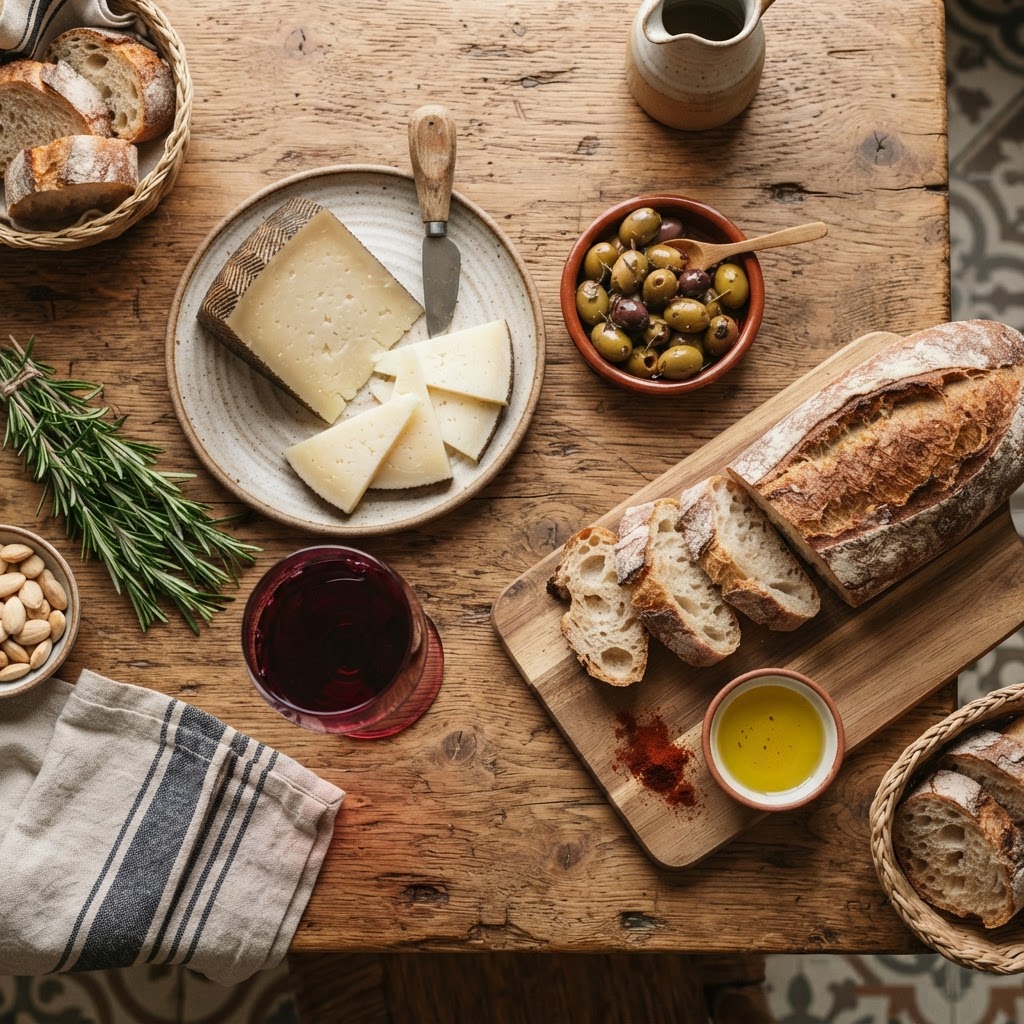
Spanish markets are a goldmine for food lovers, offering products that you simply cannot find in standard international grocery stores. Understanding what to look for will transform your shopping trip into an educational culinary adventure.
The King of Cured Meats
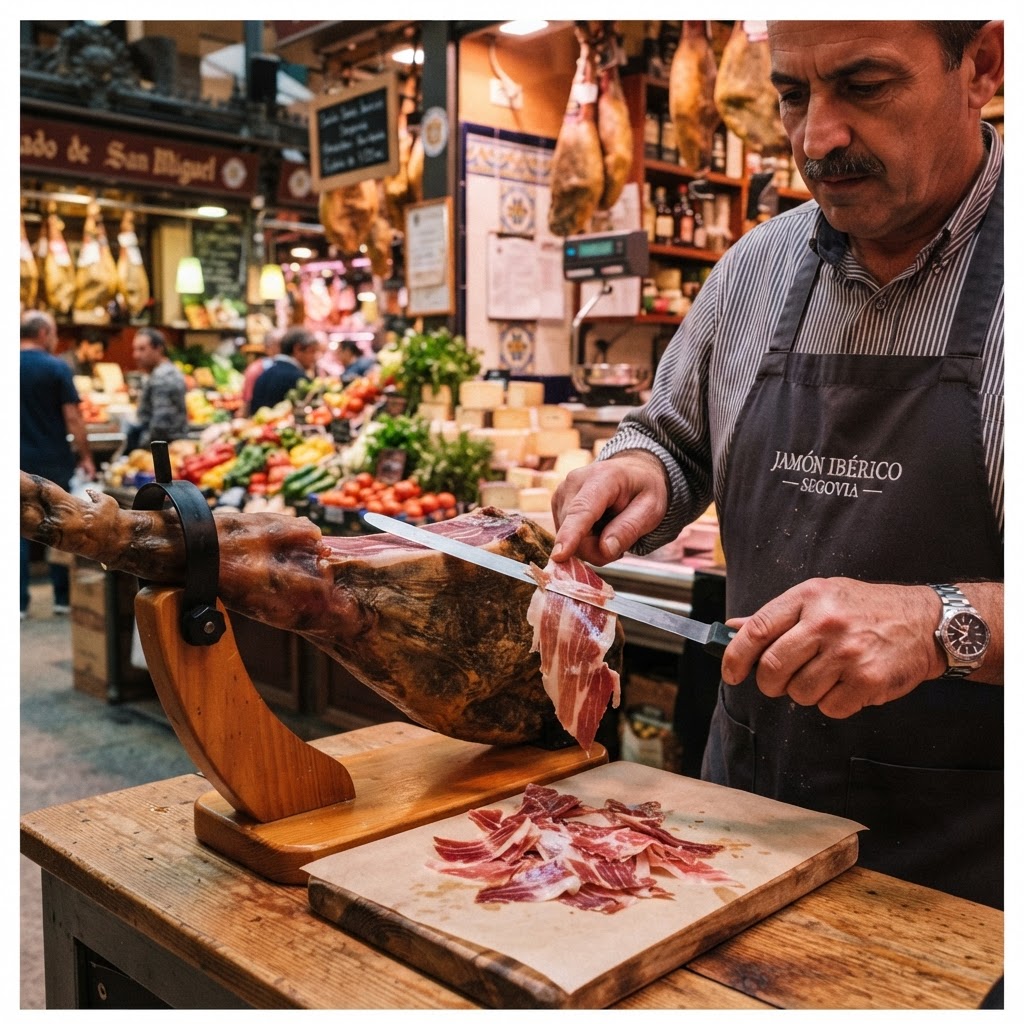
Jamón Ibérico is the pride of Spain. In most markets, you will find ‘jamonerías’ where experts slice the meat with surgical precision. Don’t be afraid to ask for a small sample; vendors are usually proud to show off the quality of their specific stock.
Seasonal Produce and Cheeses
Spanish markets are highly seasonal. You will see asparagus in the spring, stone fruits in the summer, and mushrooms in the autumn. Furthermore, the selection of cheeses—from the sharp Manchego to the creamy Tetilla—is unparalleled. Ask the vendor about the origin of the cheese; they are often local artisans who know the exact pasture where the milk was produced.
Sustainable Shopping and Local Economy
One of the most important aspects of these markets is their contribution to sustainability. Because the food is sourced from nearby regions, the carbon footprint is significantly lower than that of mass-produced goods sold in giant warehouse stores.
Reducing Food Miles
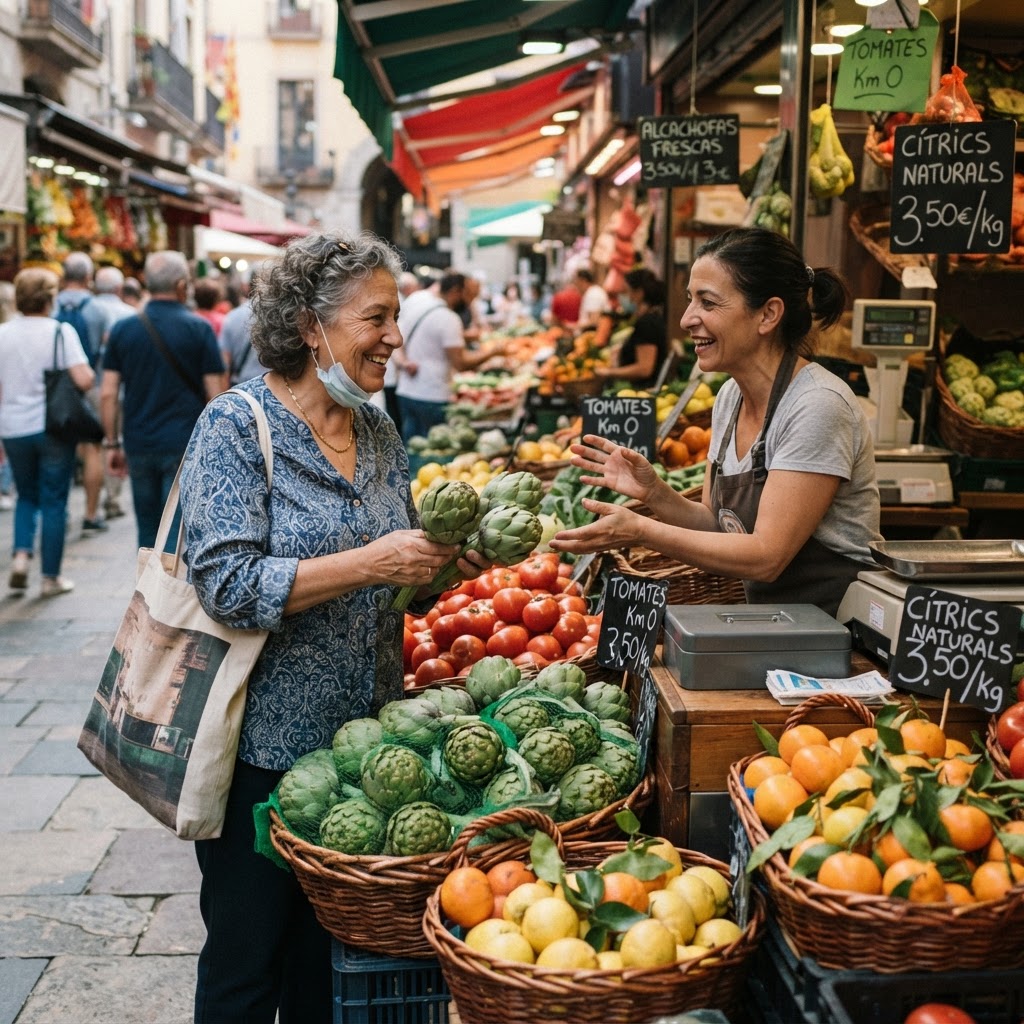
When you buy a head of lettuce or a bunch of grapes at a local mercado, those items often traveled less than 50 miles to reach your basket. This emphasis on ‘kilómetro cero’ (zero kilometer) products is a movement that has gained significant traction in Spain, ensuring that local farmers remain economically viable.
The Human Connection
There is something profoundly humanizing about buying your fish from the person who caught it or your vegetables from the person who pulled them from the soil. This connection fosters a sense of accountability and pride that is entirely absent in modern automated retail.
Tips for First-Time Visitors
To ensure you have a smooth and enjoyable trip to a Spanish market, consider these practical tips.
Table: Essential Market Phrases
| Phrase | Meaning | Context |
| :— | :— | :— |
| ¿Tiene…? | Do you have…? | Asking for a specific item |
| Un poco, por favor | A little, please | Requesting a sample or small portion |
| ¿De dónde es? | Where is it from? | Asking about product origin |
| La cuenta, por favor | The bill, please | Paying at a tapas bar |
A Few More Pointers
- Carry cash, as many smaller vendors do not accept cards.
- Bring a reusable bag; most vendors avoid plastic whenever possible.
- Don’t touch the produce unless you ask; vendors prefer to select the best items for you.
The Evolution of the Marketplace
While tradition is the bedrock of these spaces, they are also evolving. Many markets now incorporate modern food courts, cooking classes, and even late-night events. This flexibility allows them to remain relevant in a rapidly changing world while still preserving the charm that has defined them for centuries.
By embracing both the old and the new, Spanish markets have successfully avoided becoming museum pieces. Instead, they remain living, breathing entities that adapt to the needs of the modern consumer while never losing their colorful, noisy, and delicious character.
Conclusion
Spanish markets are the quintessential intersection of history, culture, and flavor. They offer travelers a way to engage with the local community that is both intimate and exhilarating. From the world-famous halls of Barcelona to the hidden gems in small mountain villages, every market tells a story of the land and the people who cultivate it.
Next time you visit Spain, skip the fancy restaurants for at least one meal and head straight for the nearest market. Buy some fresh fruit, a piece of local cheese, and a bottle of wine, and find a sunny spot to enjoy them. It is perhaps the most authentic way to taste the true spirit of Spain. Have you visited a Spanish market that left a lasting impression on you? Share your favorite finds in the comments below and start planning your next culinary adventure today!
Leave a Reply