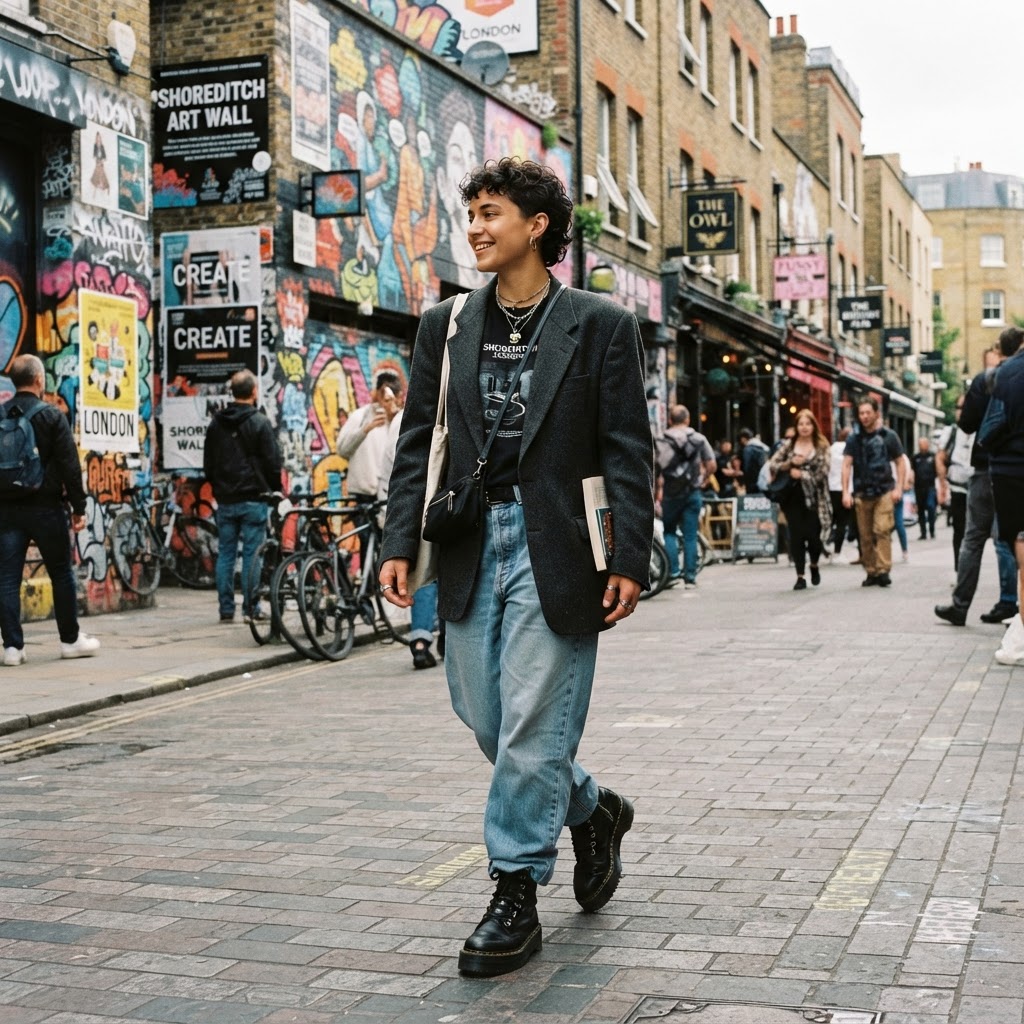
Street Style London Aesthetic: Where to Walk for the Vibes
To experience the authentic street style London aesthetic, prioritize walking tours in Shoreditch for vintage-grunge, Soho for high-low curation, and Chelsea for quiet luxury. Each neighborhood serves as a distinct fashion ecosystem where urban landscapes, historical architecture, and local subcultures dictate the sartorial trends of the season.
The East End: Where Creativity Meets Concrete
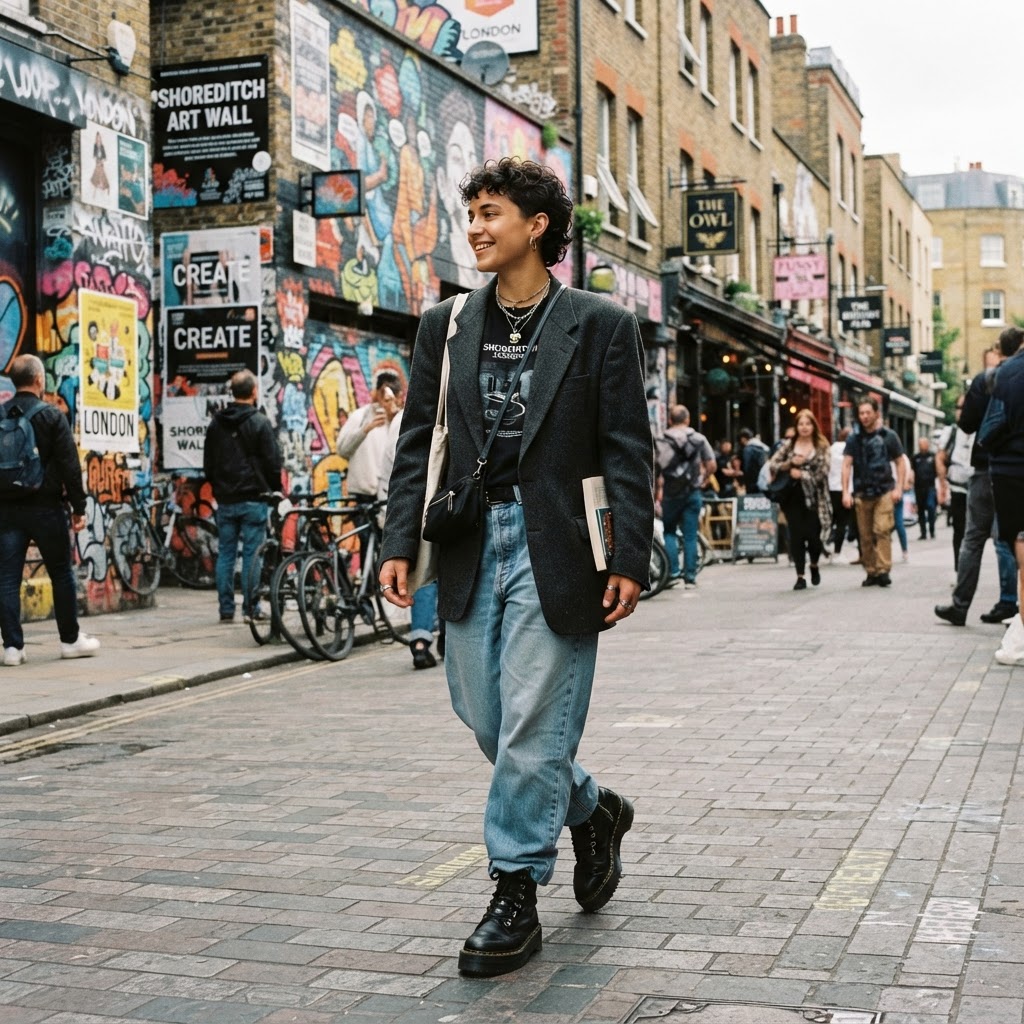
Shoreditch and Brick Lane function as the global epicenter for alternative street style, defined by a 365-day commitment to vintage curation and independent designer influence. This area serves as a laboratory for fashion-forward experimentation, where the average local outfit often combines three distinct subcultures: 90s rave, industrial punk, and modern digital minimalism. Because rent for physical retail in East London has historically been lower than in the West, the area hosts over 50 independent vintage boutiques within a one-mile radius of Brick Lane, allowing for a higher density of unique personal expression.
The Allure of Brick Lane
Brick Lane is globally recognized for its Sunday Market, which operates from 9:00 AM to 5:00 PM and attracts an estimated 40,000 visitors weekly. On these days, the street becomes a live runway for leather trench coats, platform combat boots, and deadstock designer denim. Photography enthusiasts benefit from the contrast between the rough brick Victorian industrial facades and the vibrant, ever-changing street art murals that provide a high-saturation background for outfit documentation.
Why East London Wins for Style
East London leads in fashion influence because it prioritizes “style-per-pound” rather than brand prestige. The demographic here is heavily influenced by the 1970s punk scene and modern digital aesthetic trends that prioritize layering over silhouette.
Soho: The Hub of Eclectic Energy
Soho serves as London’s high-low fashion headquarters, where the aesthetic is defined by the seamless blending of luxury accessories with accessible vintage streetwear. The neighborhood’s narrow streets, such as Berwick and Carnaby, host a mix of legacy record stores and boutique fashion houses that create a dense, walkable environment for trend spotting. Unlike the grit of the East, Soho’s style is curated, polished, and “effortless” in appearance, masking the significant hours of stylistic planning required to achieve the “I just threw this on” look.
Fashion observers in Soho frequently note the presence of “high-low” dressing, where individuals pair a $2,000 luxury handbag with a $15 thrifted graphic t-shirt. This juxtaposition is the defining characteristic of the Soho aesthetic. With over 200 bars and 500 restaurants within a 0.5-mile radius, the area acts as a constant fashion showcase, particularly during the weekday lunch hours when creative professionals from the nearby media offices emerge. For the best vantage point, position yourself near the intersection of Carnaby Street around 1:00 PM to observe how Londoners transition from professional tailoring to evening casual wear.
Chelsea and Kensington: Refined Elegance
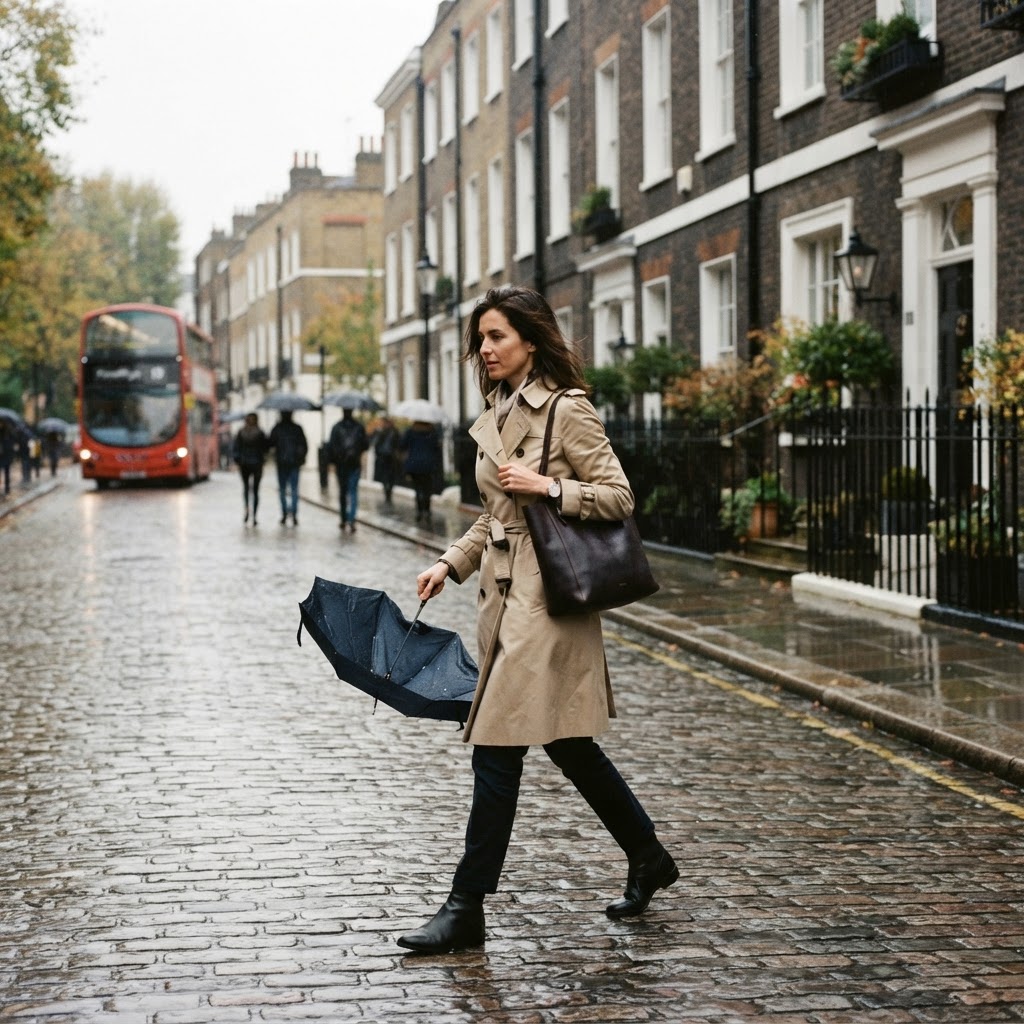
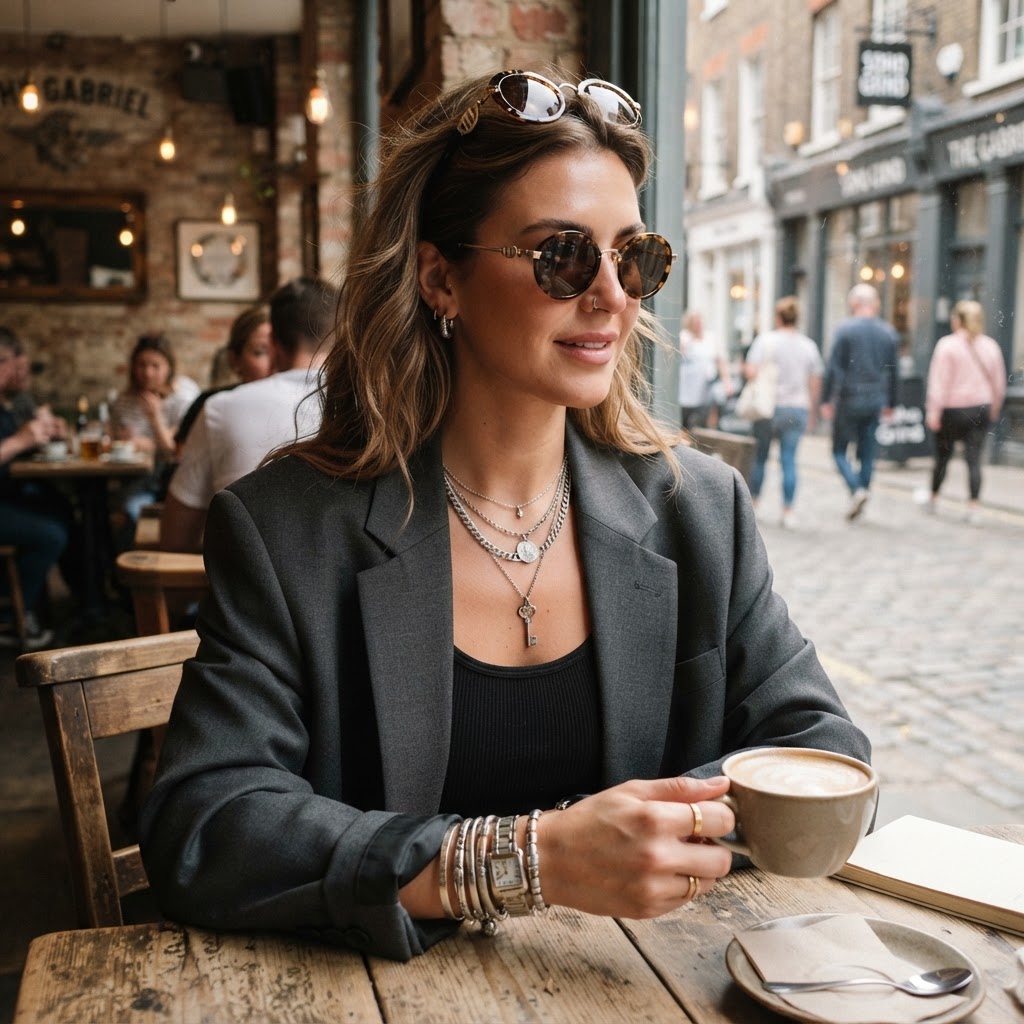
Chelsea and Kensington represent the pinnacle of London’s “Quiet Luxury” aesthetic, a style characterized by minimalism, neutral palettes, and high-quality materials. Walking along the King’s Road—a street historically synonymous with British fashion revolutions—reveals a commitment to timeless investment pieces such as wool trench coats, cashmere knitwear, and leather boots that last for decades rather than seasons. The architecture of the white-stucco Victorian houses serves as the perfect backdrop for this restrained, sophisticated style.
This aesthetic is heavily influenced by British heritage brands and the understated elegance that has defined London’s upper-crust for generations. Unlike the experimental nature of Camden, style in Chelsea is evolutionary; it relies on subtle shifts in tailoring—such as moving from slim-fit to wide-leg trousers—to keep the look current. The area is also home to a high concentration of high-end concept stores that prioritize tactile quality over fast-fashion cycles. For those documenting the scene, the quiet mews of South Kensington provide a serene, traffic-free environment where the fashion-conscious can be observed at a slower, more deliberate pace, away from the chaos of the city center.
Camden Town: The Alternative Frontier
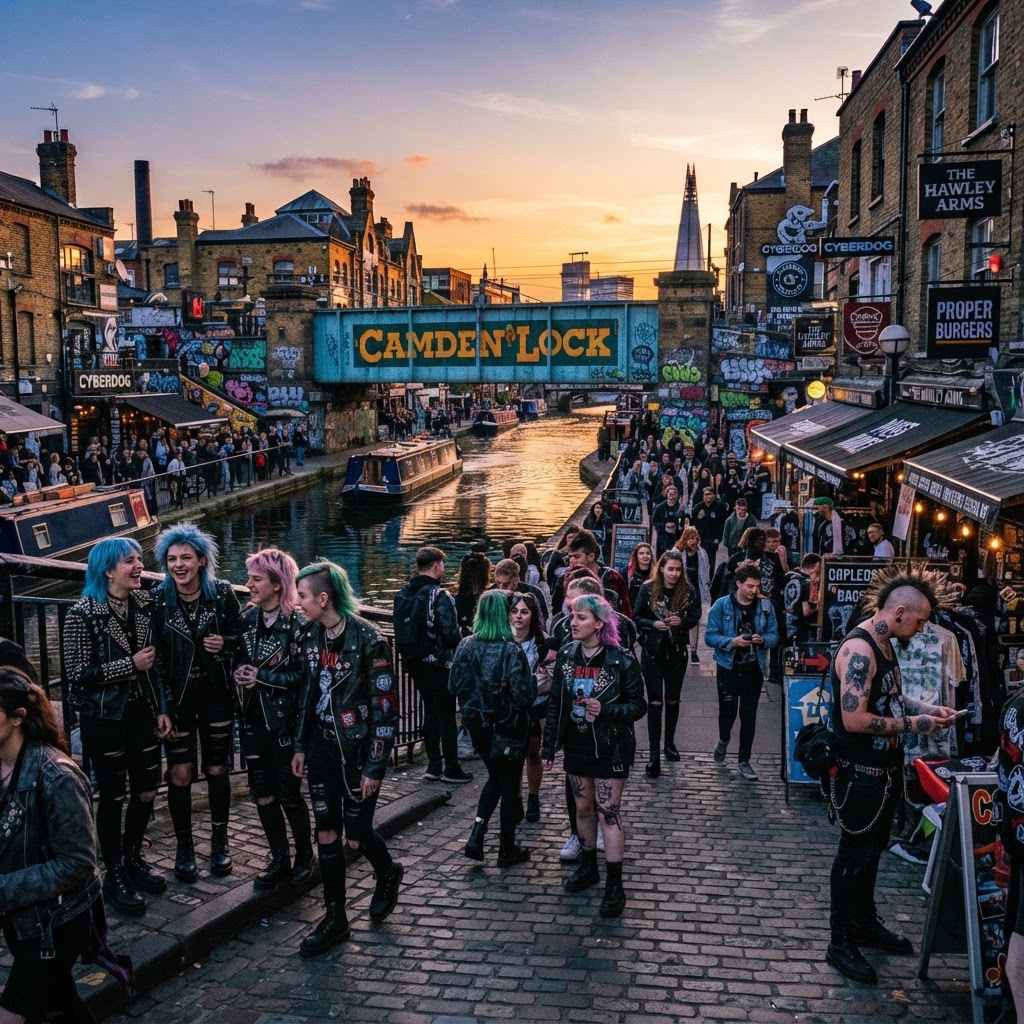
Camden Town remains the global headquarters for counter-culture fashion, with a history rooted in the punk, Goth, and grunge movements of the 1970s and 80s. The aesthetic here is intentionally provocative, featuring heavy hardware, neon-dyed hair, and distressed denim. Camden is unique in that it resists the homogenization of global fashion trends, instead opting for a DIY approach that celebrates individual rebellion. Visitors will find that the local style frequently incorporates Y2K influences blended with authentic rock-and-roll motifs, reflecting the area’s deep-seated musical heritage.
Navigating the Market Fashion
- Camden Lock: Start here at 10:00 AM to see the morning crowd before peak tourist volume.
- Stables Market: Navigate the labyrinthine corridors to find artisans crafting bespoke leather and silver jewelry.
- The Canal Path: This serves as a prime, non-congested location to observe locals who mix vintage 70s rock aesthetics with modern, chunky footwear.
- Photography Protocol: Locals in Camden are often used to street photography; always keep a respectful distance or ask for permission to capture portraits to maintain the authentic “punk” rapport.
The South Bank: Where Tourism Meets Urban Style
The South Bank offers a unique intersection of “commuter-chic” and tourist functionality, making it one of the most diverse areas for observing practical street style in London. Because the Thames-side walkway serves as a primary artery for corporate professionals, arts students, and international visitors, the dress code is a hybrid of high-end sneakers, weather-resistant technical gear, and layered wool tailoring.
[![Fitzrovia & Marylebone | Central London Summer Walk [4K HDR]](https://img.youtube.com/vi/hEZncHlBb1k/hqdefault.jpg)](https://www.youtube.com/watch?v=hEZncHlBb1k)
This location is the best place to observe how Londoners adapt to unpredictable weather without compromising style. You will frequently see the “London Uniform”: a high-quality raincoat layered over smart-casual attire. This area is particularly active during the transition periods of Spring and Autumn (April/May and September/October), when layering becomes a structural necessity. The architectural backdrop of the Royal Festival Hall and the National Theatre provides a modernist, brutalist edge to the street style captured here, distinguishing it from the residential vibes of Chelsea or the industrial decay of the East End.
Photography Tips for Your London Fashion Walk
To effectively capture the London aesthetic, utilize the city’s natural light and architectural variety to frame your subjects. Respectful engagement is essential; always ask for permission before taking a close-up portrait, and offer to share the photo with the subject afterward.
- Aperture: Set your lens to f/1.8 or f/2.8 to blur the busy background and emphasize the outfit.
- Timing: Aim for the “Golden Hour” (roughly one hour before sunset) when the low angle of light hits the grey stone of London architecture, adding warmth.
- Reflections: Use storefront windows, particularly in Soho, to add depth and layers to your composition.
- Motion: Capture the movement of commuters in transit hubs like Waterloo to provide a candid, authentic look at the city’s pulse.
The Role of Weather in London Style
Weather is the primary director of London fashion, forcing a creative approach to utility that defines the local aesthetic. Because rainfall can occur unexpectedly year-round, layering is non-negotiable. Trench coats, high-quality scarves, and water-resistant boots are the three staple items found in every Londoner’s wardrobe, regardless of neighborhood. The overcast “London grey” sky functions as a natural softbox for photography, diffusing light evenly and allowing bright color palettes or bold patterns on clothing to stand out more prominently against the neutral urban environment.
FAQ
Q: What is the best time of year to visit London for street style photography?
Spring (April to May) and Autumn (September to October) are ideal. During these months, the weather necessitates creative layering, allowing you to photograph the most iconic London fashion elements like trench coats, scarves, and leather boots without the bulk of heavy winter parkas.
Q: Do I need a permit to take street style photos in London?
Generally, no. You do not need a permit to photograph in public spaces, provided you are not obstructing traffic or using heavy equipment like tripods in busy thoroughfares. Always remain respectful of privacy and ask individuals for their consent before capturing close-up portraits.
Q: Where can I find the most “alternative” fashion in London?
Camden Town and Shoreditch are the two primary hubs for alternative fashion. Camden caters more to punk and rock-inspired aesthetics, while Shoreditch focuses on vintage, eclectic, and digital-era subcultures.
Q: How should I dress to blend in with the locals?
To blend in, focus on the “London Uniform”: a mix of high-low items. Pair a classic, well-structured coat with comfortable, durable footwear like clean white sneakers or leather ankle boots. Avoid looking too “brand-heavy”; instead, mix one luxury item with vintage or high-street basics.
Q: Is it considered rude to photograph people in the streets?
It is not rude if you are discreet and respectful. Always prioritize the comfort of the subject. If you want a clear portrait, make eye contact, smile, and ask for permission. Many Londoners appreciate the compliment, but be prepared for a “no” and move on politely if they decline.
Leave a Reply