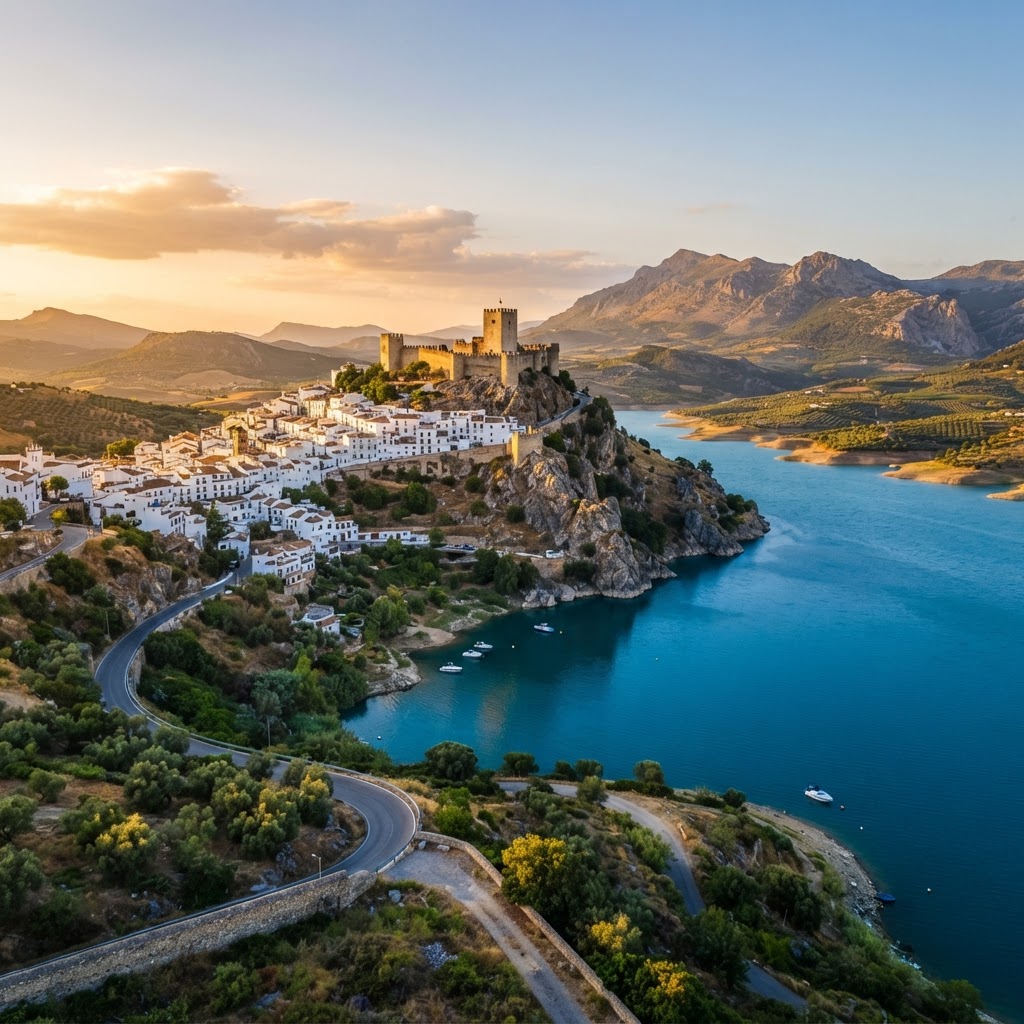
Stepping into the heart of southern Spain feels like wandering through the pages of a storybook. Across the rugged, sun-baked hills of the region, clusters of whitewashed houses cling to limestone cliffs, their brilliant facades reflecting the intense Mediterranean light. These iconic settlements, known as the pueblo blancos, are more than just architectural marvels; they are windows into a centuries-old way of life. As you traverse this historic landscape, you will find that the white villages of Andalusia offer a tranquil escape from the bustling pace of modern cities like Seville.
What Makes the White Villages So Special?
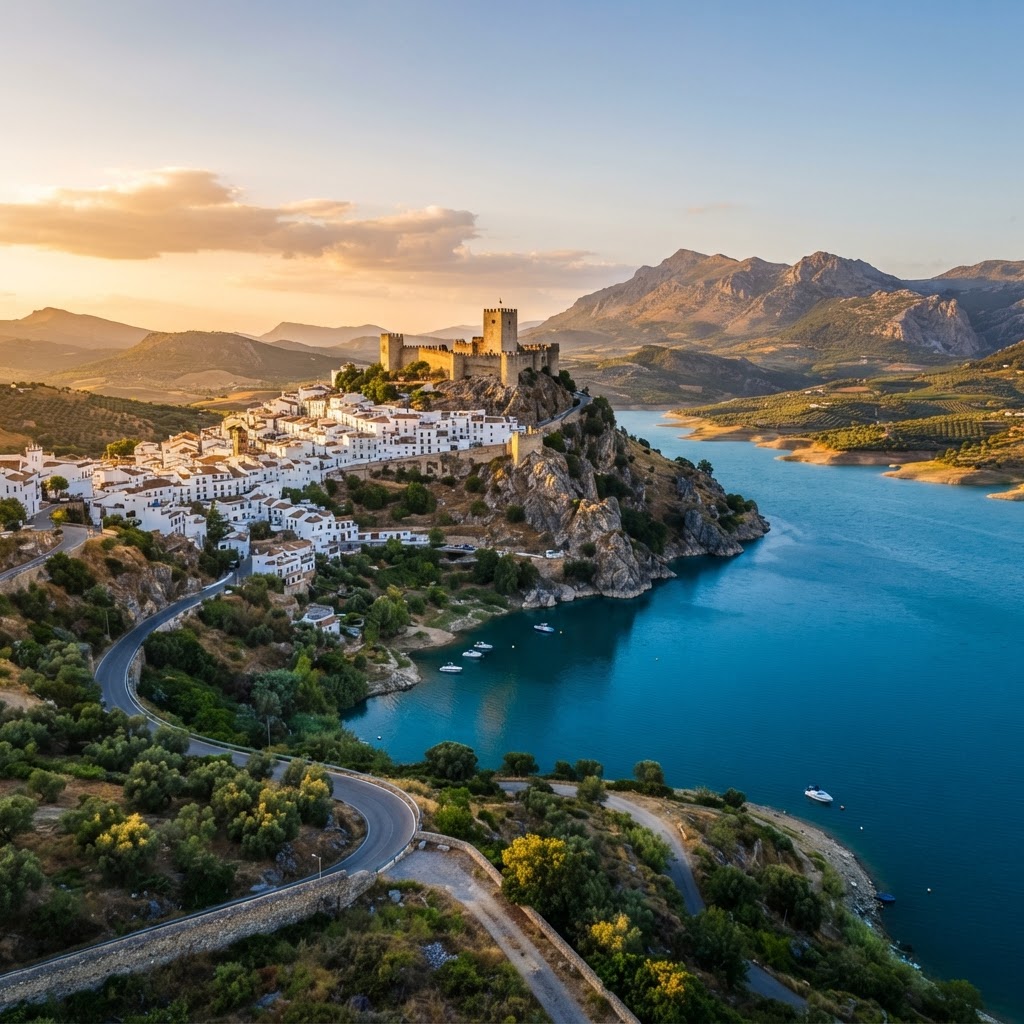
The tradition of painting houses in bright white serves a practical purpose as well as an aesthetic one. The white walls reflect the harsh sunlight, keeping the interiors cool during the sweltering summer months. Beyond their climate-controlled design, these white towns are often perched on strategic, jagged heights, providing residents with an elevated view of the surrounding valleys. When planning a trip through the province, you will quickly realize that each village holds its own distinct charm, local customs, and ancient legends.
The Allure of Tradition
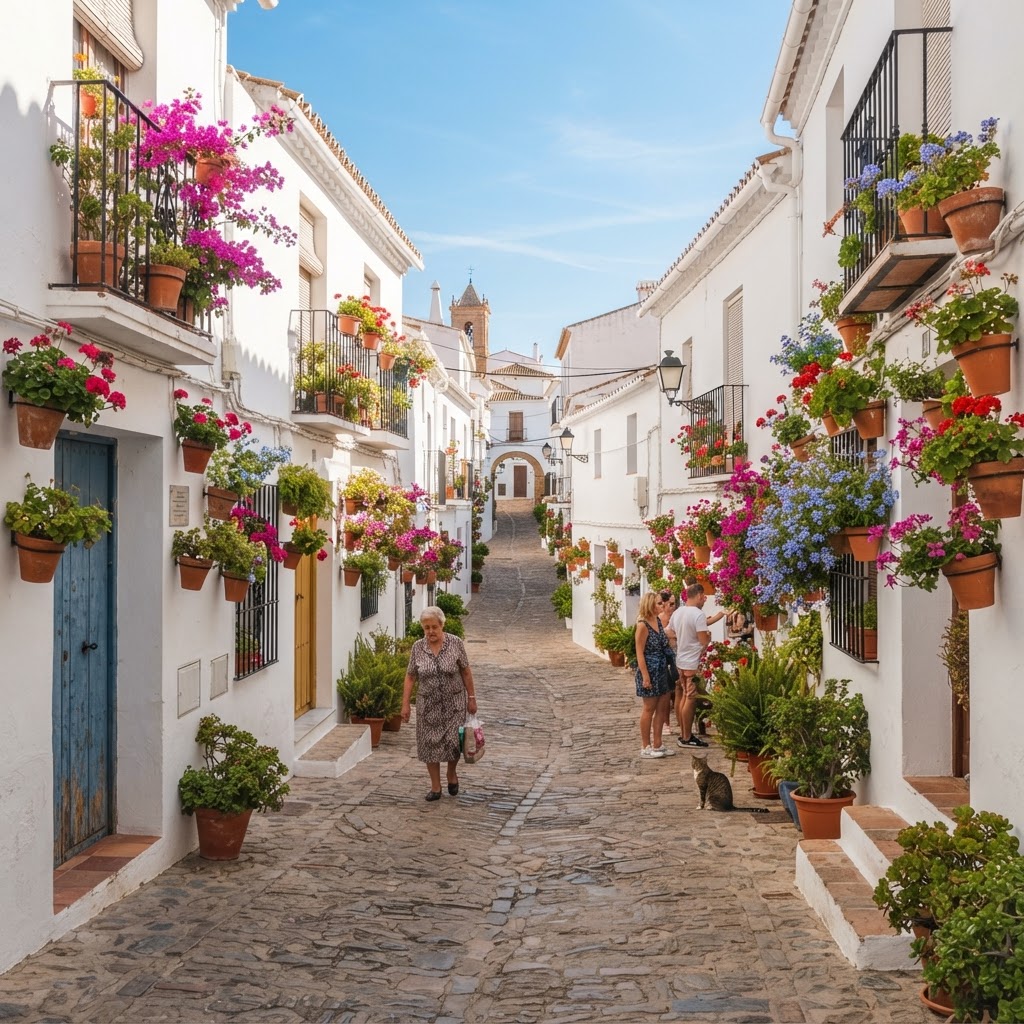
The beauty of these places lies in their preservation. Walking through the narrow, winding alleys, you might encounter flower-filled balconies, hidden courtyards, and ancient churches that have stood for hundreds of years. The contrast of the brilliant white against the deep azure of the sky is truly breathtaking. It is this combination of cultural heritage and visual impact that continues to enchant travelers from around the globe.
What are the most beautiful white villages in Andalucia?
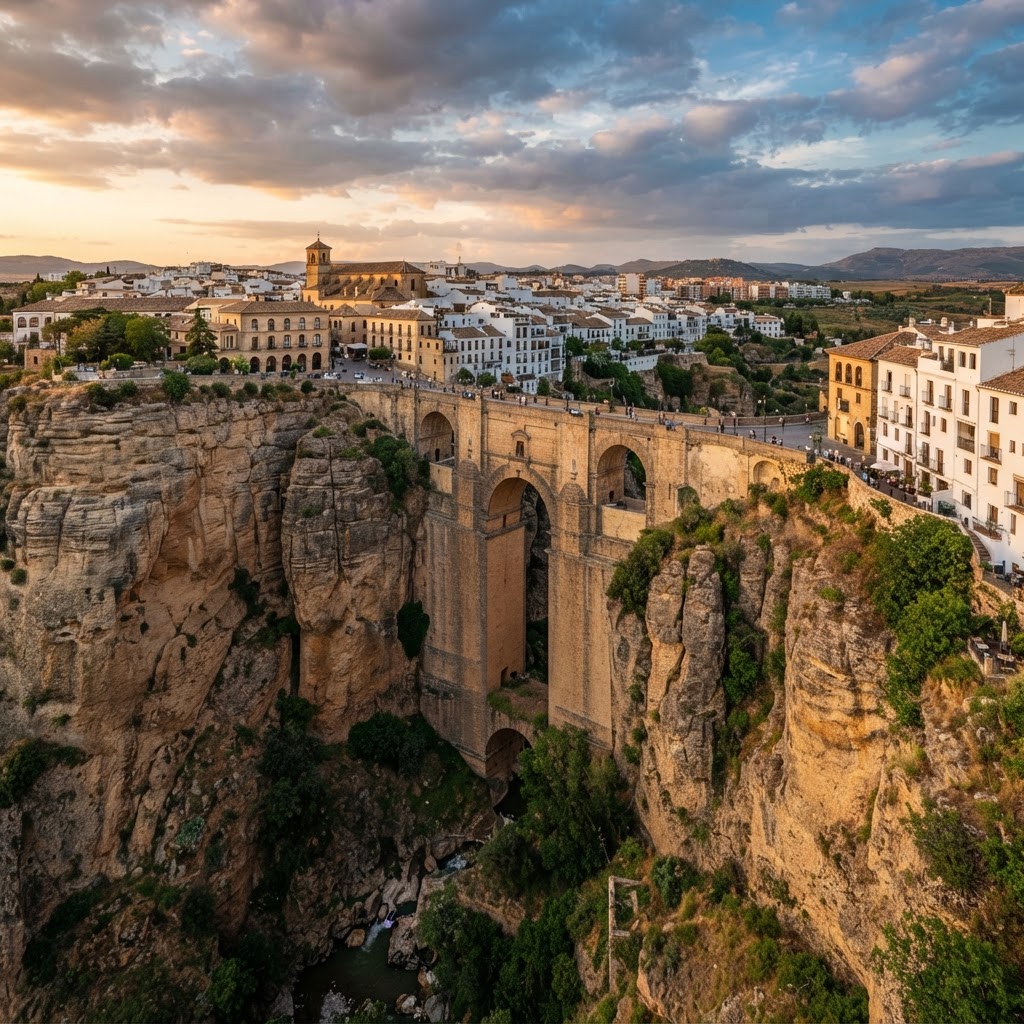
While personal preference varies, several spots consistently rank at the top for their scenery and historical integrity. Ronda is perhaps the most famous, known for its dramatic El Tajo gorge that splits the city in two. Its massive stone bridge, the Puente Nuevo, offers some of the most breathtaking views in the entire country. However, do not miss the smaller gems like Zahara de la Sierra, which overlooks a turquoise reservoir, or Arcos de la Frontera, a masterpiece of Moorish urban planning that spills down a rocky ridge.
What are the white towns in southern Spain?
The term pueblo blancos refers to a network of these settlements spread across the provinces of Cádiz and Málaga. These villages were historically important as defensive outposts during the Reconquista. Today, they form a scenic route that invites visitors to slow down and embrace the slow-paced lifestyle of the Andalusian countryside. Whether you are exploring the cliff-side dwellings of Setenil de las Bodegas or the high-mountain allure of Grazalema, you are seeing a side of Spain that feels untouched by time.
Discovering the Gems Between Seville and Ronda
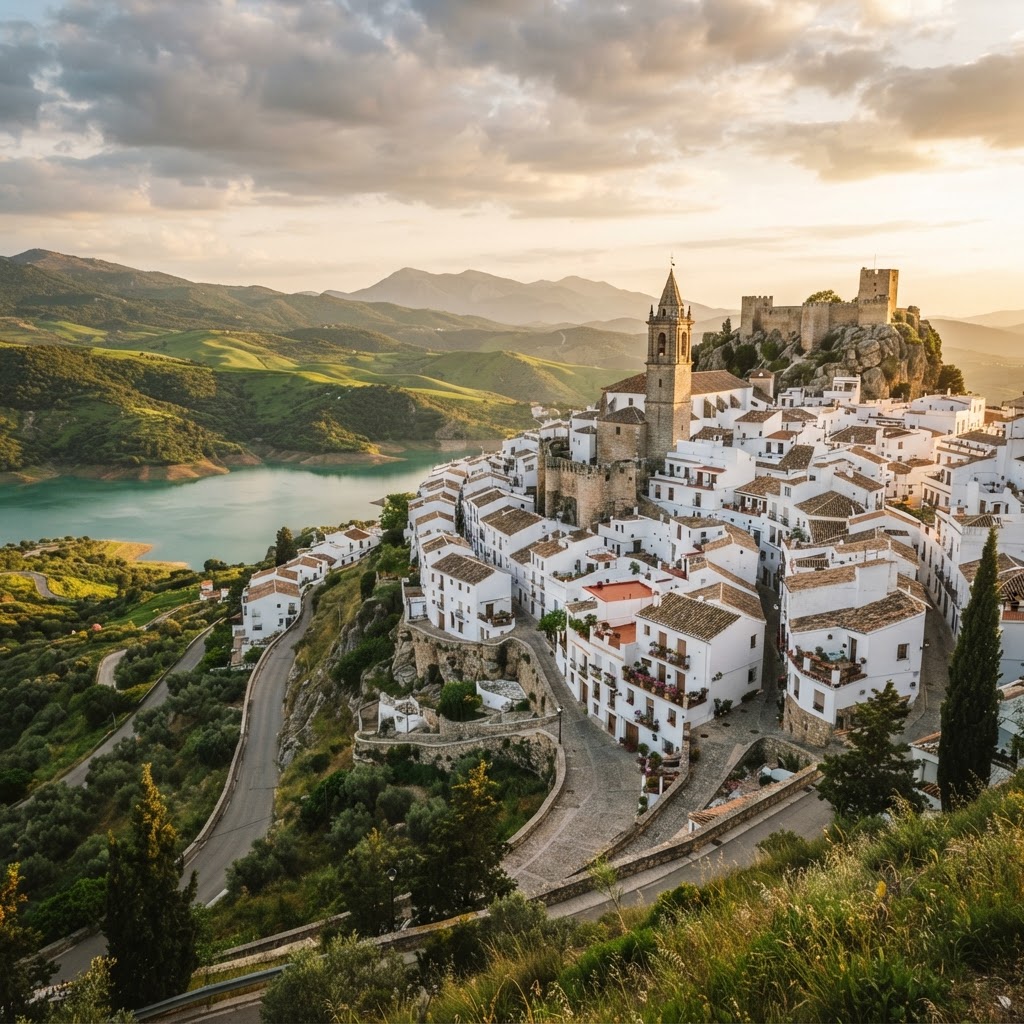
If you are traveling from Seville toward the mountains, the route is packed with stunning stops. The area surrounding the Sierra de Grazalema Natural Park is particularly rich in these sights. You might spend a day wandering through Olvera, with its imposing hilltop church, or stop by the village of Gastor for a taste of authentic local life. These routes are perfect for those who enjoy winding roads, panoramic vistas, and the quiet beauty of a picturesque rural landscape.
Exploring the Hidden Corners of Cadiz
The province of Cadiz is home to some of the most spectacular white villages in Andalusia. Vejer de la Frontera is a must-see for its fortified walls and perfectly preserved medieval streets. Vejer remains one of the most beloved spots for travelers who want to experience the deep history of the region. As you drive through the countryside, keep an eye out for Frigiliana as well, which, while further east, offers some of the most beautiful white houses and vibrant floral displays you will ever see.
Planning Your Ultimate Andalusia Road Trip
To make the most of your visit, it is best to rent a car and set aside at least four to five days. Trying to rush through these villages will strip away the magic. Instead, aim to stay overnight in at least two different towns to enjoy the quiet evenings once the day-trippers have returned to the coastal cities. Ensure your itinerary includes time for local gastronomy, such as olive oil tastings and traditional tapas, which are central to the culture of every white village you encounter.
Practical Tips for Travelers
Always carry comfortable shoes, as the cobblestone streets are steep and uneven. Pack light, as you will often be carrying your luggage over short distances to reach boutique hotels. Finally, check the weather before you go; the mountain air can be significantly cooler than the coast, especially during spring and autumn. Respect the quiet nature of these communities, and you will find the locals to be incredibly welcoming to those who take the time to appreciate their home.
What are the white villages in Spain?
Beyond just the main tourist trail, Spain contains dozens of hidden pockets where the white village aesthetic thrives. The term specifically refers to towns where lime-washing remains a tradition. When you visit these locations, you are connecting with a living history that predates modern tourism. They stand as a testament to the resilient spirit of the people who have lived in these rugged mountains for millennia, preserving the unique character of southern Spain for future generations to explore.
Conclusion
The white villages of Andalusia are more than just beautiful photo opportunities; they are places where time seems to slow down and life returns to its essentials. From the dramatic cliffs of Ronda to the serene charm of Vejer, these destinations offer a profound sense of peace and inspiration. Whether you are a history buff, a photography enthusiast, or simply someone looking to escape the ordinary, these enchanting towns are waiting for you. Start planning your trip today and experience the magic for yourself!
Leave a Reply