
Stepping into the White Villages of Andalusia feels like walking into a postcard painted in shades of blinding white and brilliant blue. These ‘Pueblos Blancos’ are scattered throughout the rugged Sierra de Grazalema Natural Park and the Serranía de Ronda, offering a glimpse into a slower, more traditional side of southern Spain. With their maze-like streets, flower-filled balconies, and rich Moorish history, these villages are an essential stop for any traveler exploring the Iberian Peninsula.
The Magic of the Pueblos Blancos
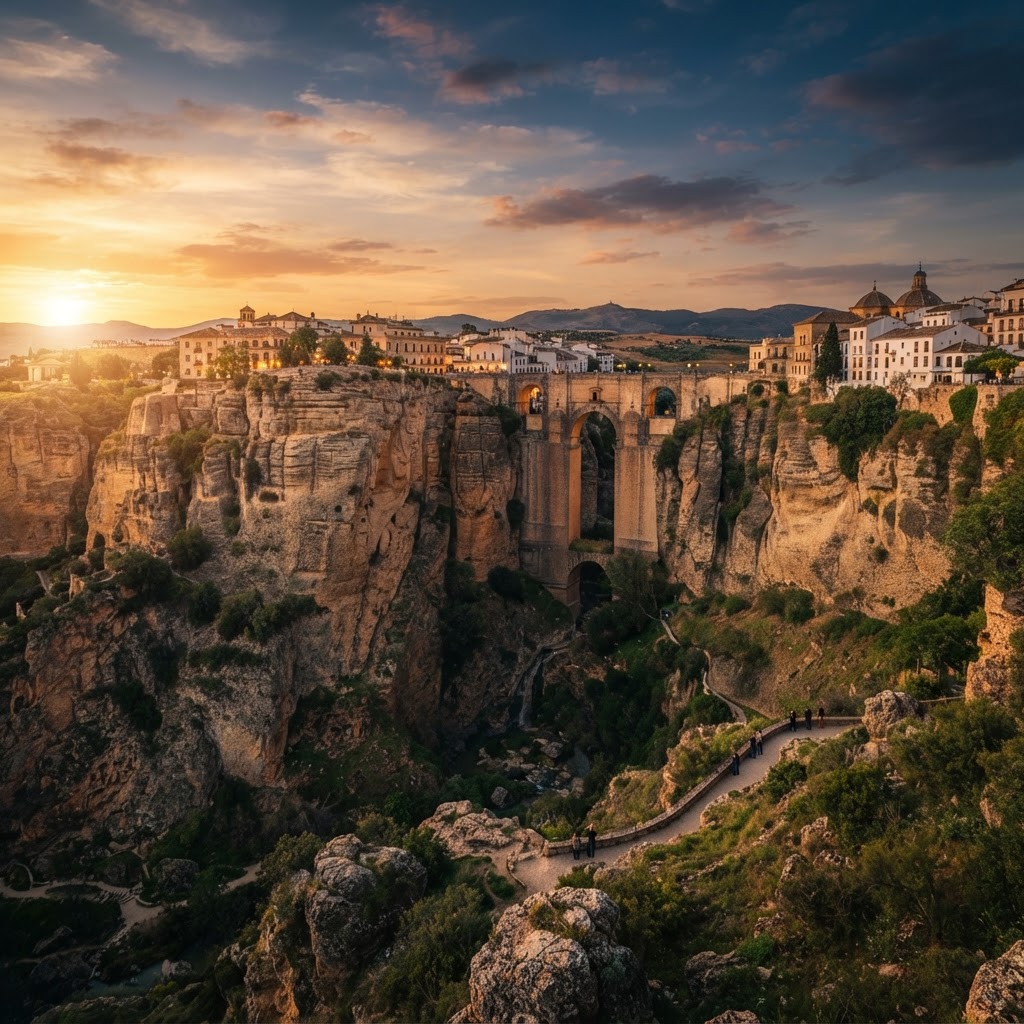
The phenomenon of the white villages dates back to the Moorish era when the region was a borderland between Christian and Muslim kingdoms. Locals painted their thick-walled stone houses with lime, a natural disinfectant and reflective material that keeps interiors cool during the scorching Andalusian summers. Today, this tradition persists, creating a unified aesthetic that makes the villages pop against the arid, mountainous landscape.
Why You Should Add Them to Your Itinerary
Beyond the aesthetic appeal, these villages serve as a living museum of architectural history. Each town offers something unique, from prehistoric caves to Renaissance cathedrals. Whether you are a photography enthusiast, a history buff, or someone simply looking for an authentic escape, the Pueblos Blancos provide an unparalleled travel experience.
Ronda: The Crown Jewel of the Villages
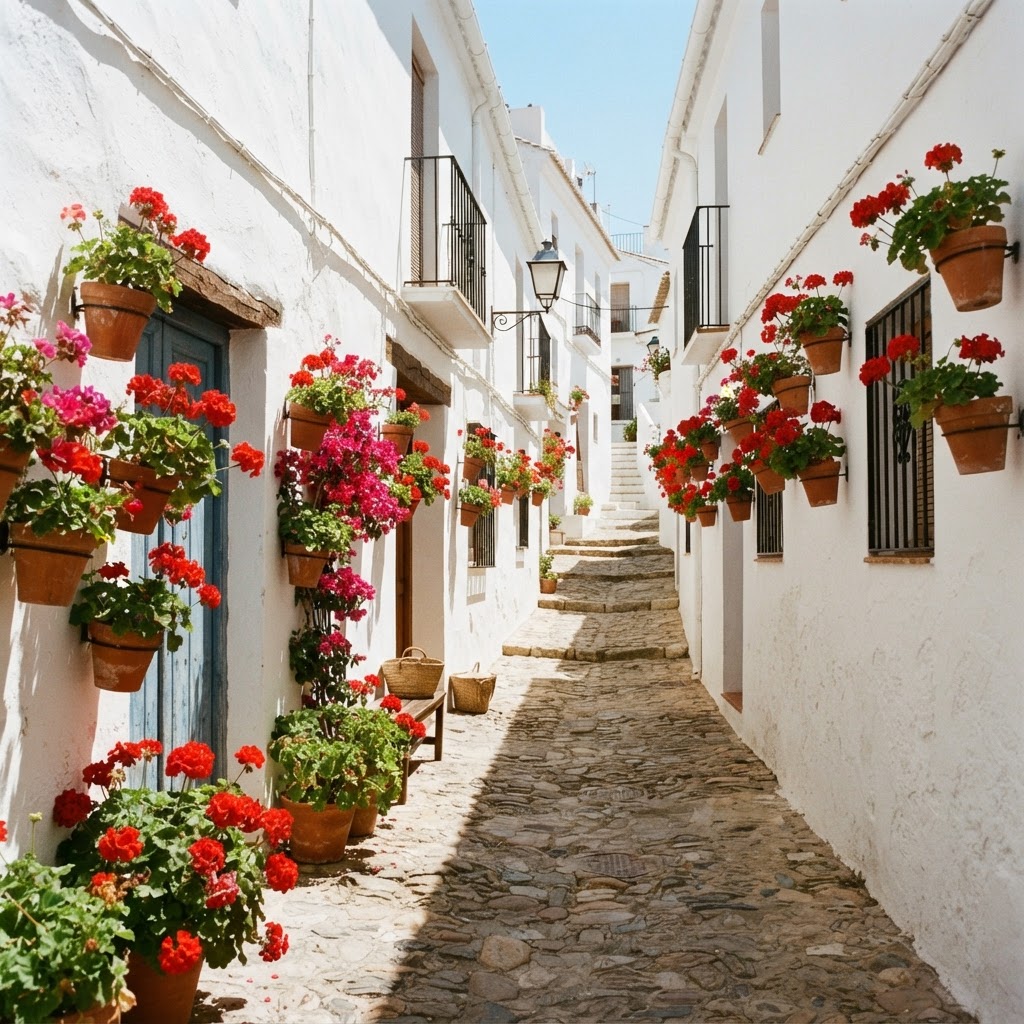
Ronda is perhaps the most famous of the white villages, dramatically perched atop a deep gorge known as El Tajo. The town is physically divided into two by this chasm, with the historic Moorish quarter on one side and the newer ‘El Mercadillo’ district on the other.
Must-See Sights in Ronda
The star attraction is undoubtedly the Puente Nuevo, an 18th-century stone bridge that connects both sides of the city. Walking across it provides vertigo-inducing views of the Guadalevín River far below. Don’t miss the Plaza de Toros, one of the oldest and most beautiful bullrings in Spain, which offers deep insights into the region’s complex cultural heritage.
Setenil de las Bodegas: Life Beneath the Rock
Unlike its cliff-clinging cousins, Setenil de las Bodegas is built directly into the massive rock overhangs of the Rio Trejo canyon. Residents have been using the natural rock formations as roofs and walls for their homes for centuries, resulting in a town that looks like it is being swallowed by the earth itself.
Tips for Visiting Setenil
The primary draw here is Calle Cuevas del Sol, a street where the cliff literally looms over the shops and terraces. It is a surreal experience to sit at a café and sip a glass of local wine while a giant stone slab acts as your ceiling. Wear comfortable shoes, as the village is a maze of steep, uneven cobblestone paths.
Grazalema: A Hiker’s Paradise
Located in the heart of the Sierra de Grazalema, this village is widely considered one of the most beautiful in the entire route. Because it receives more rainfall than most of the region, the area is surprisingly green, providing a lush backdrop for the bright white houses that characterize the town.
Outdoor Adventures in the Area
Grazalema is the perfect base for hikers looking to explore the limestone peaks of the surrounding mountains. The Pinsapar forest, home to a rare species of Spanish fir, is a protected UNESCO Biosphere Reserve that offers world-class trekking opportunities. After your hike, return to the village square to enjoy local goat cheese and payés bread.
Zahara de la Sierra: A View from the Top
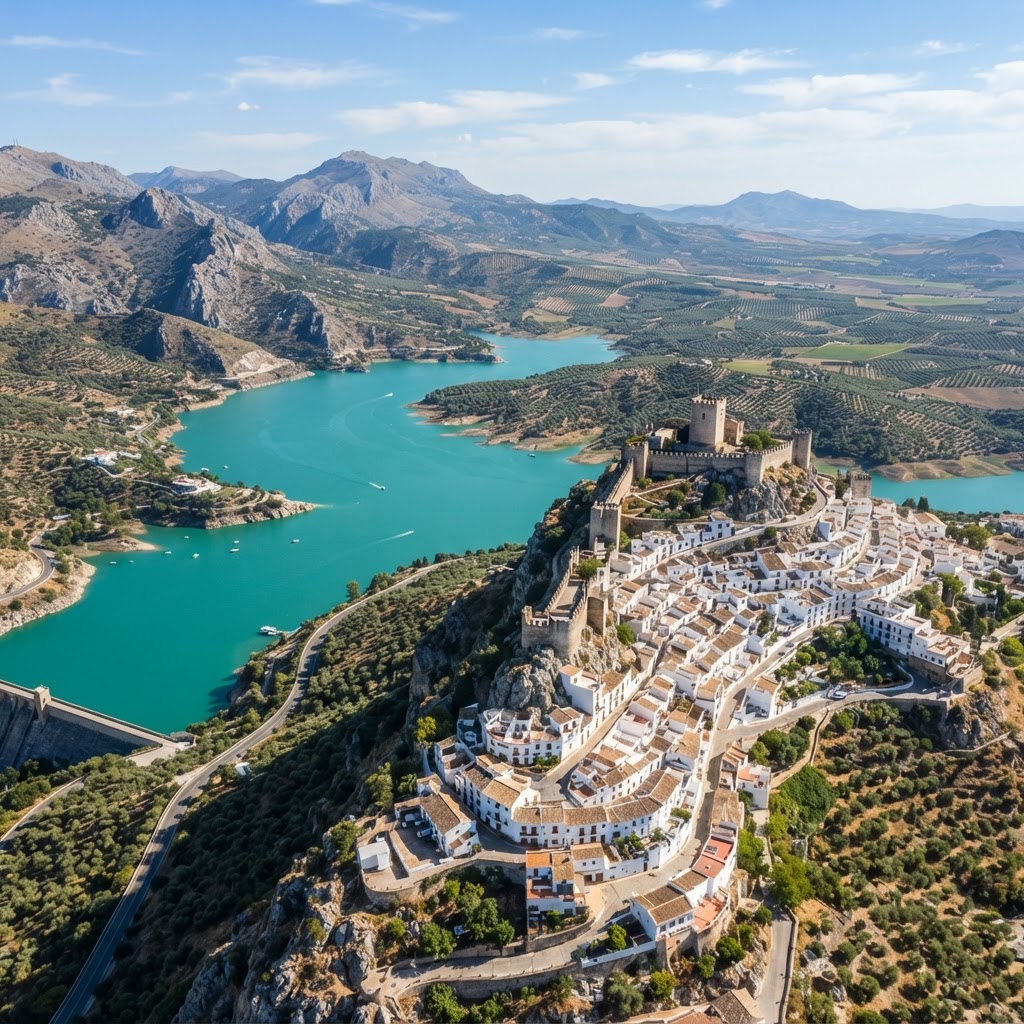
Zahara de la Sierra is dominated by the ruins of a medieval castle that overlooks the town and the vast turquoise reservoir below. The climb to the top is steep, but the panoramic views of the olive groves and the water are worth every drop of sweat. The village itself is impeccably maintained, with every balcony draped in vibrant red geraniums.
Planning Your Trip to Zahara
If you are driving, take your time approaching Zahara; the winding roads leading up the valley offer some of the best vistas in Andalusia. Plan your visit for the spring or autumn to avoid the intense summer heat, and try to arrive early in the morning to catch the mist clearing over the reservoir.
Arcos de la Frontera: The Gateway to the Route
Often called the ‘gateway to the white villages,’ Arcos de la Frontera is perched precariously on a high ridge overlooking the Guadalete River. It is a labyrinthine town with steep, narrow alleys that seem designed to confuse intruders. The architecture is a fascinating blend of Roman, Moorish, and Christian styles, reflecting the turbulent history of the border region.
Highlights of Arcos
Spend your time exploring the Basilica de Santa María de la Asunción and then head to the ‘Balcón de la Peña’ for breathtaking views of the surrounding countryside. The village is also famous for its vibrant holy week celebrations, which transform the narrow streets into an atmospheric stage of tradition and religion.
Practical Tips for Your Road Trip
Navigating the winding mountain roads of Andalusia requires patience and a reliable vehicle. Here is a quick guide to help you make the most of your journey through the white villages:
| Tip | Description |
| :— | :— |
| Rent a Small Car | Large vehicles are difficult to maneuver in narrow village streets. |
| Book Ahead | Popular villages like Ronda can get very crowded during peak season. |
| Respect Local Hours | Remember that ‘siesta’ is still a common practice; shops may close in the afternoon. |
| Use Offline Maps | Cellular signal can be spotty in the mountain valleys. |
| Taste the Tapas | Every village has its own regional specialties; don’t skip the local chorizo. |
Best Time to Visit
The ideal time for a road trip is during the shoulder seasons—specifically April to June or September to October. During these months, the weather is pleasant, and the flowers are usually in full bloom, adding a layer of color that contrasts perfectly with the white-washed walls.
Conclusion
The White Villages of Andalusia are more than just pretty scenery; they are the beating heart of southern Spanish culture. Whether you spend your time staring at the gorge in Ronda or ducking under the rocks in Setenil de las Bodegas, you are sure to leave with a deep appreciation for the ingenuity and resilience of the people who call these mountains home. Pack your camera, rent a car, and get ready to experience the most authentic side of Spain.
Have you ever visited the Pueblos Blancos? Share your favorite village or travel tip in the comments below, and don’t forget to sign up for our newsletter for more European travel guides!
Leave a Reply