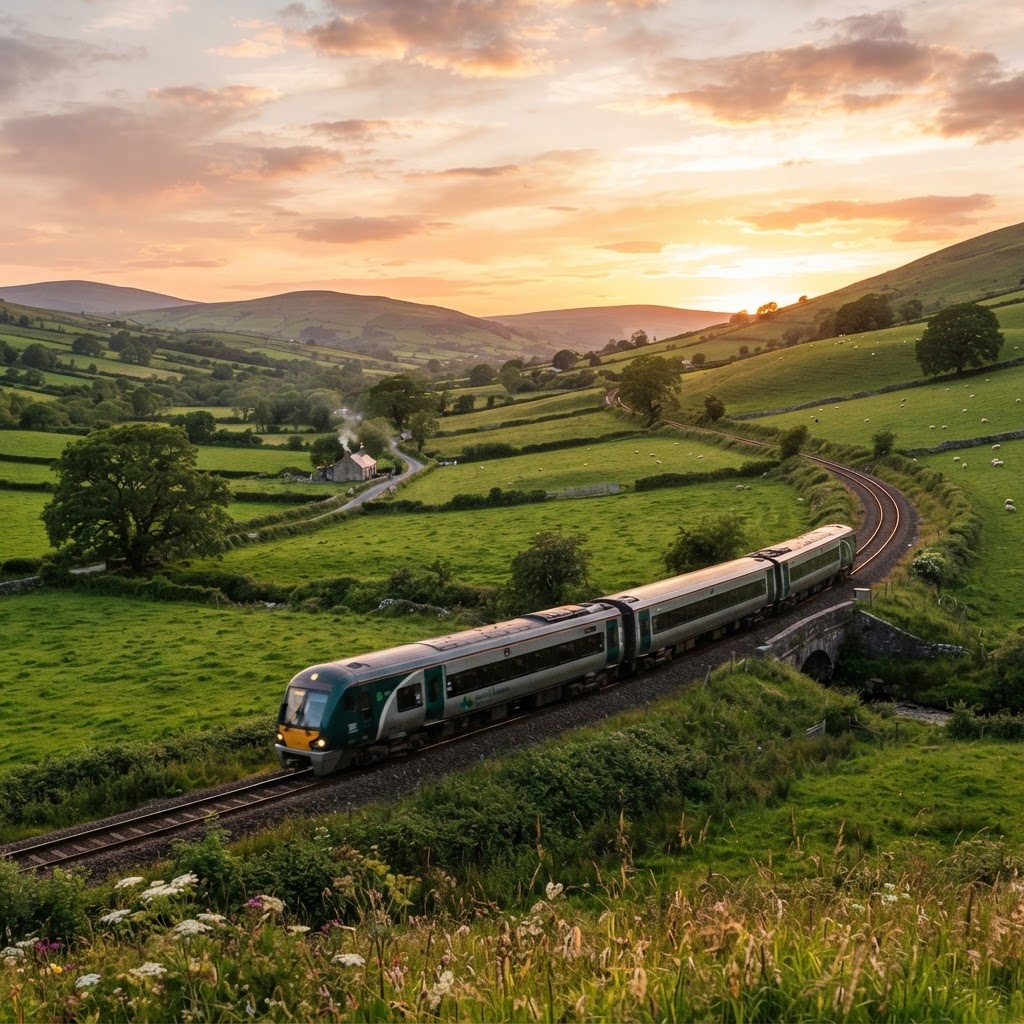
Planning 7 days in Ireland without a car is entirely possible by using the integrated Irish Rail and Bus Éireann networks, which connect major cities like Dublin, Galway, and Cork. Travelers can save between €400 and €700 per week on rental fees, fuel, and insurance while accessing top attractions through efficient public transit and organized day tours.
Navigating the Irish Transport Network
Mastering the public transport system is the secret to a successful car-free journey, with Irish Rail serving as the backbone for intercity travel and Bus Éireann providing vital regional coverage. For tourists, the Leap Visitor Card is an essential investment, offering unlimited travel on Dublin public transport and significant discounts on regional bus lines for periods of 1, 3, or 7 days. Booking train tickets online at least 14 days in advance via the Irish Rail website can secure savings of up to 40% compared to station kiosk pricing. The national rail network effectively links Dublin, Cork, Galway, and Belfast, creating a reliable “hub-and-spoke” travel model. When planning your logistics, prioritize early morning departures to maximize daylight hours, as rural bus frequencies decrease significantly after 6:00 PM. Always confirm your platform numbers via the “TFI Live” app, which provides real-time updates on departures and potential delays across all public transport modes.
Days 1-2: Dublin’s Historic Heart
Dublin serves as the perfect starting point for your 7 days in Ireland without a car due to its exceptional walkability and centralized transit infrastructure. Spend your first two days exploring iconic sites like Trinity College, the Guinness Storehouse, and the vibrant Temple Bar area, all within a 20-minute walking radius of the city center. Because the city is compact, you will rarely need a bus or taxi, allowing you to save your budget for local excursions. Ensure you visit the EPIC The Irish Emigration Museum before heading to Heuston Station for your first regional train journey. For a seamless experience, use the Dublin Express bus service for your airport transfers, which runs every 15-30 minutes and drops passengers directly at major transport hubs like Heuston and Connolly stations.
Day 3: The Journey to Galway
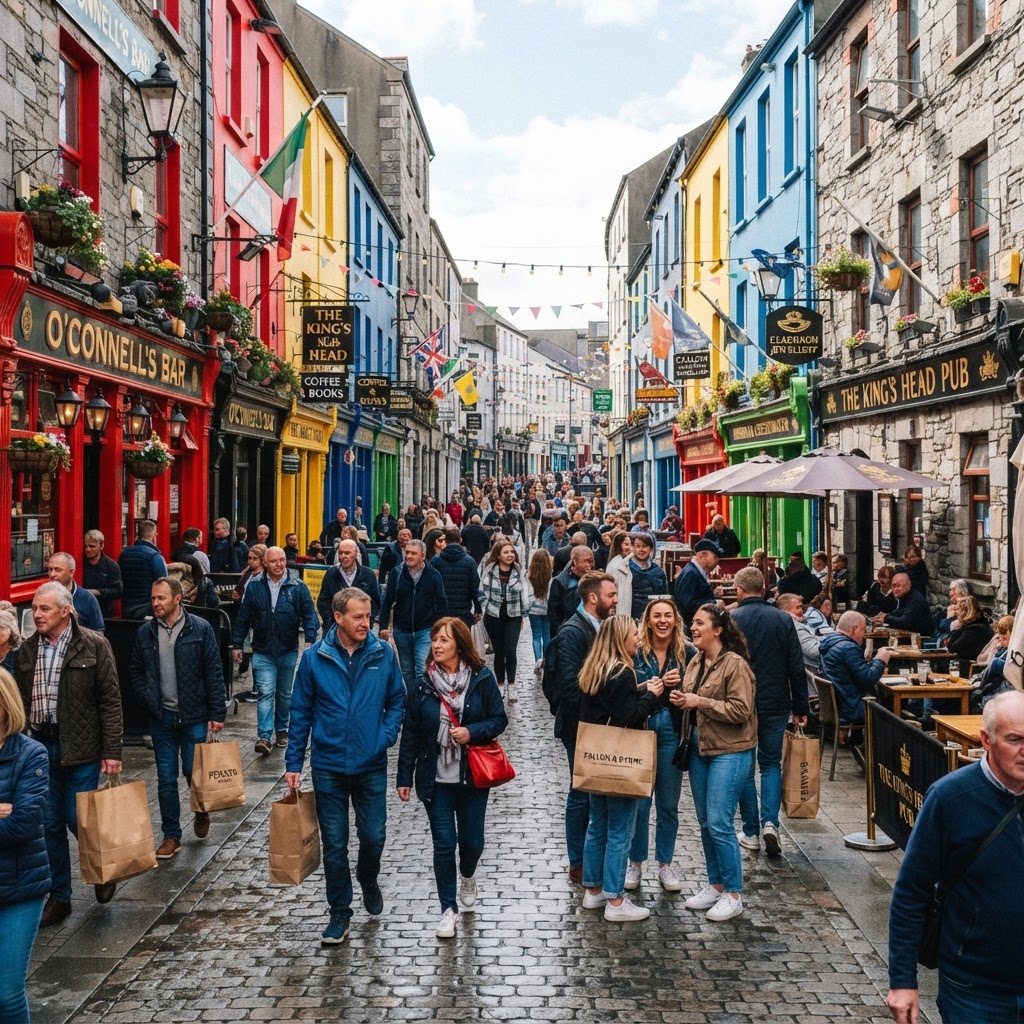
The route from Dublin to Galway is a quintessential part of any Ireland public transport itinerary, providing a stress-free transition from the capital to the rugged West Coast. Taking the train from Dublin Heuston to Galway Ceannt Station takes approximately 2.5 hours, offering stunning views of the lush Irish midlands as you traverse the country. While buses are often slightly cheaper, trains offer significantly more legroom, onboard toilets, and the ability to move around freely, which is vital for long-distance travel. Once you arrive in Galway, the city is incredibly pedestrian-friendly, allowing you to walk from the train station to Eyre Square and the Latin Quarter in under 10 minutes.
Day 4: Cliffs of Moher and the Burren
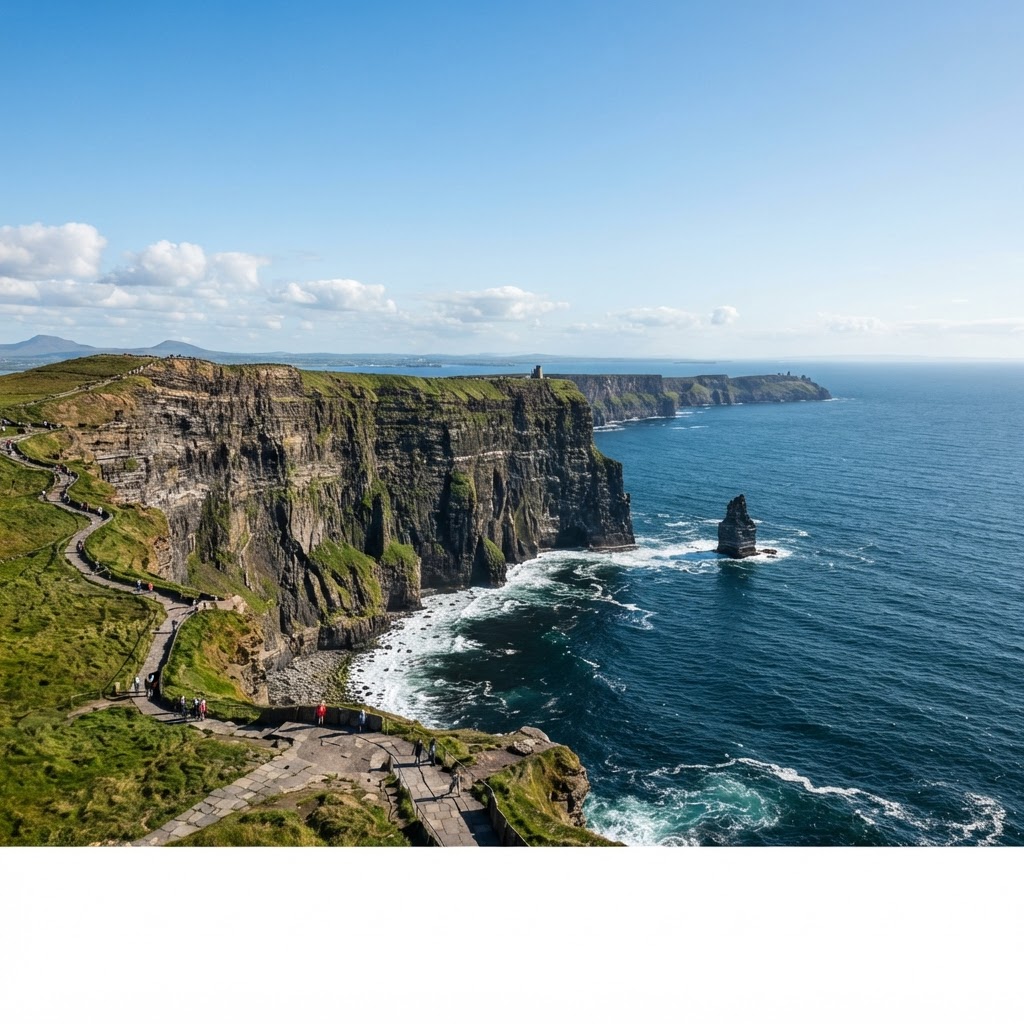
You do not need a rental car to witness the awe-inspiring Cliffs of Moher, as numerous tour operators depart daily from Galway Coach Station. These organized excursions provide seamless round-trip transport to the coast, often including stops in the Burren, a unique karst landscape, and the village of Doolin, which is world-famous for its traditional Irish music sessions. Booking these tours online ahead of time ensures you secure a seat during peak season, as they frequently sell out. This is a highly efficient way to cover large distances while gaining historical context from professional guides. The average cost for a day tour typically ranges from €35 to €50, which is far more economical than paying for a private taxi or day-long car rental.
Days 5-6: Cork and the Southern Charm
Taking the bus or train from Galway to Cork connects you directly to the “Rebel City,” known for its world-class food scene and proximity to major heritage sites. Use Cork as a base to take short, frequent trains to Cobh—the final port of call for the Titanic—and Blarney Castle, where the famous Stone of Eloquence awaits. Cork city center is quite compact, making it easy to traverse on foot, while the local bus network covers suburban areas reliably. To help you plan your regional movements, consult the following comparison table to choose the right mode for your specific trip type.
Day 7: Returning to Dublin
On your final day, take the direct train from Kent Station in Cork back to Dublin, a journey that takes roughly 2.5 to 3 hours through the beautiful Golden Vale region. This route provides a final scenic look at the emerald countryside before you reach the capital. Once back in Dublin, use your remaining time for souvenir shopping on Grafton Street or a final meal near St. Stephen’s Green. Ensure you book your airport transfer bus ticket at least 24 hours in advance to avoid long queues at the stop, especially during evening peak hours. Following this structured approach ensures you maximize your time without the logistical burden of driving on the left side of the road.
FAQ
Can I use contactless payment on all Irish trains?
No, you cannot use contactless payment for all journeys; while some city stations accept it, you should always book tickets online in advance. Online booking via the Irish Rail website guarantees a reserved seat, which is essential for busy intercity routes like Dublin to Cork.
Is it difficult to get around Ireland without a car in winter?
Public transport remains highly consistent throughout the winter months, though tourist-specific bus schedules may be reduced. It is important to check the “TFI Live” app for updated winter timetables, as some seasonal services to coastal attractions may operate on a limited weekend-only basis.
Are Irish buses reliable?
Major intercity bus routes in Ireland are generally very reliable and offer frequent daily departures. However, rural “Local Link” bus services can be infrequent, often running only a few times per day, so careful scheduling is required when traveling outside of major urban corridors.
How much money will I save by not renting a car?
Avoiding rental costs, daily insurance premiums, fuel, and parking fees can save the average traveler between €400 and €700 per week. By utilizing the rail network and pre-booked coach tours, you significantly lower your overall trip expenditure while reducing the stress of driving.
Do I need to book my bus tickets in advance?
Yes, it is highly recommended to book your bus tickets online at least 24 hours in advance to secure your seat. While you can often pay the driver with a Leap Card, major express routes between cities can sell out during peak weekend travel times and holidays.
Leave a Reply