
Barcelona’s Movie-Worthy Streets: A Cinematic Guide
Barcelona’s most cinematic streets include the labyrinthine alleys of the Gothic Quarter, the whimsical mosaic-filled pathways of Park Güell, and the bustling, world-famous boulevard of La Rambla. These iconic locations serve as frequent backdrops for major international film productions, offering directors a unique blend of medieval atmosphere and stunning modernist architecture.
The Gothic Quarter: Where History Meets the Camera Lens
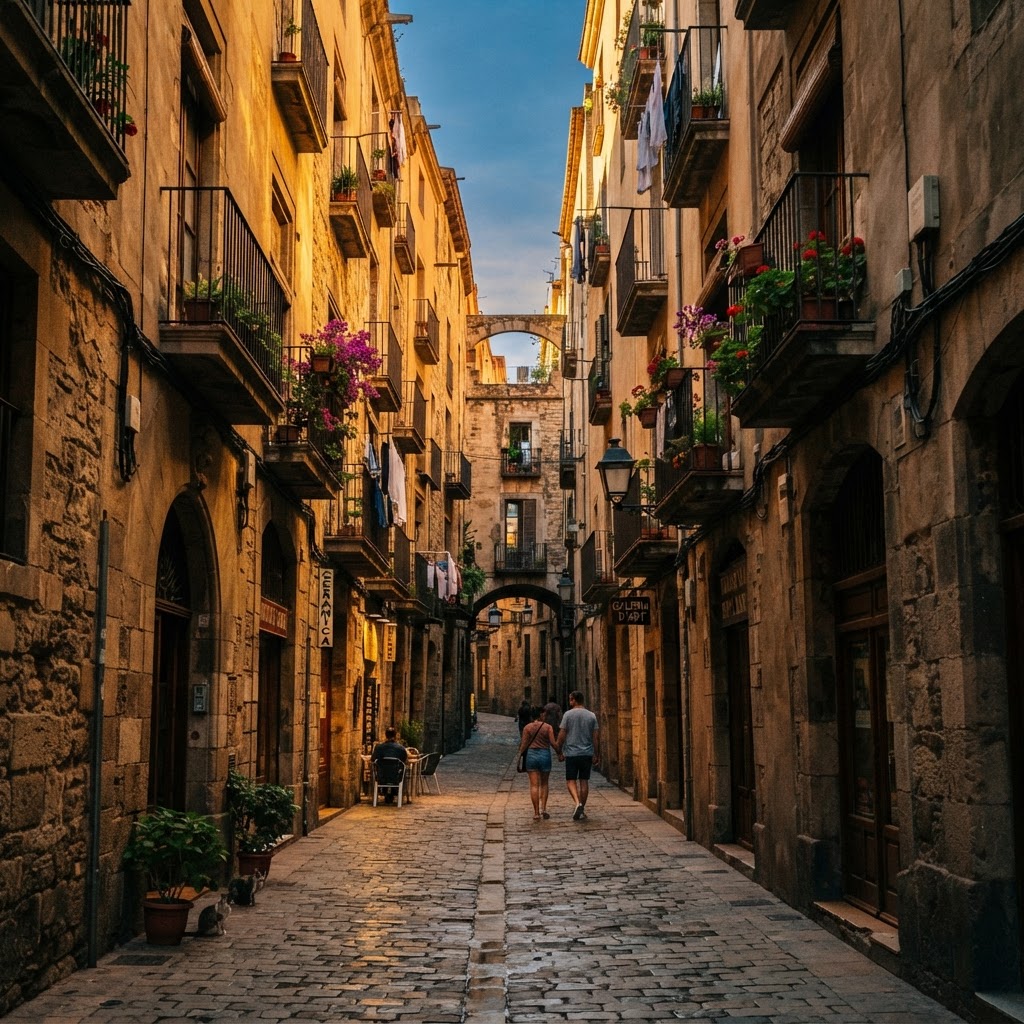
The Barri Gòtic, or Gothic Quarter, acts as a living film set due to its high concentration of 14th-century architecture and narrow, shadowy alleyways. Filmmakers frequently utilize this district when shooting period dramas or historical thrillers because the medieval stone facades and hidden plazas provide an authentic, century-spanning backdrop without the need for extensive set construction. Major films such as Perfume: The Story of a Murderer famously utilized these streets to recreate 18th-century Paris, proving that the quarter’s texture is versatile enough to stand in for various European historical eras.
Plaça Sant Jaume and Beyond
Within the Gothic Quarter, Plaça Sant Jaume serves as a grand focal point, while the surrounding hidden courtyards offer the intimacy required for smaller-scale cinematic moments. Beyond the main squares, look for specific details like the wrought-iron balconies and weathered wooden doors that define the area’s visual character. The interplay of light and shadow in these passages creates a naturally dramatic mood for high-stakes scenes. Visitors can explore these sites year-round, though dawn and dusk offer the best lighting conditions for photography, mimicking the professional “golden hour” settings preferred by cinematographers.
| Feature | Gothic Quarter | Eixample District |
|---|---|---|
| Architectural Style | Medieval/Gothic | Modernist/Art Nouveau |
| Street Layout | Narrow, labyrinthine | Wide, grid-based |
| Film Usage | Historical/Period Dramas | Contemporary/Architectural |
Modernist Marvels: Gaudí’s Dreamscapes as Film Sets
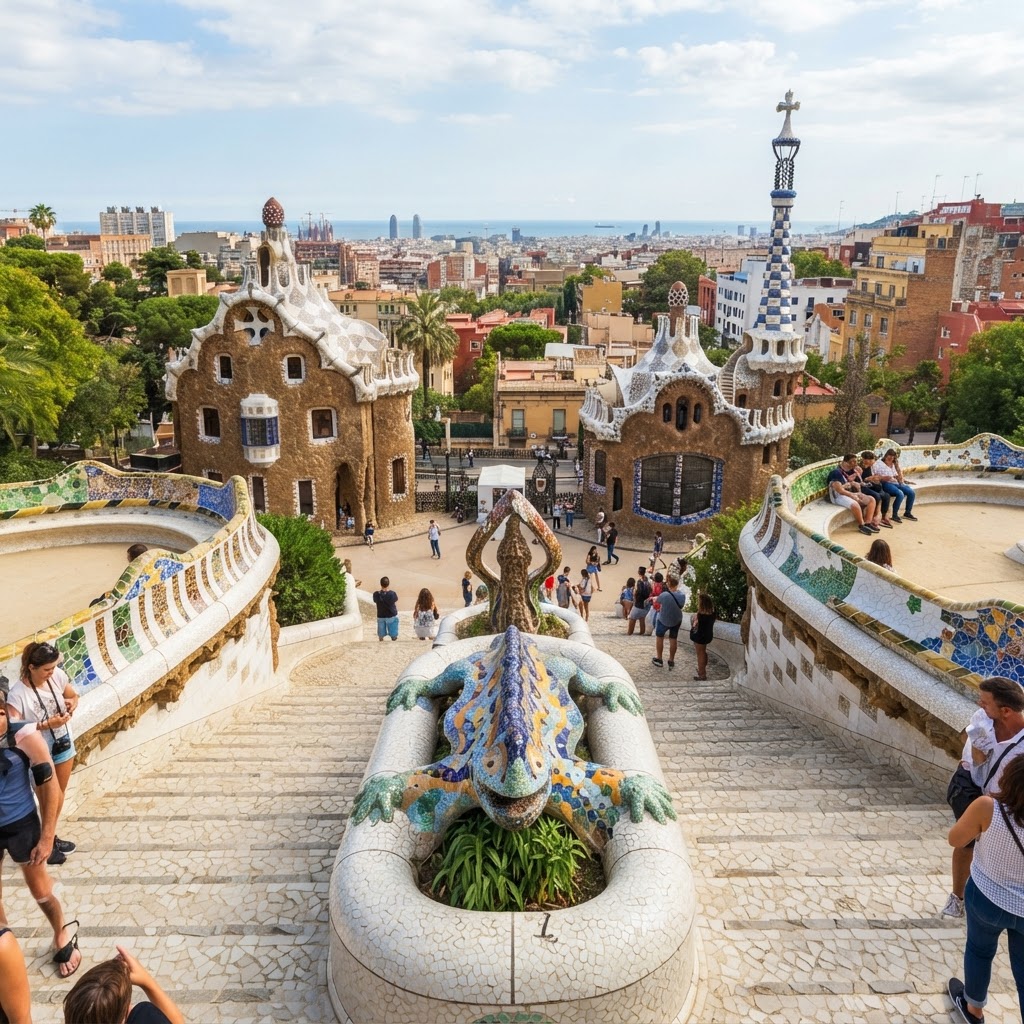
Antoni Gaudí’s surrealist architecture provides the most recognizable visual identity for Barcelona on screen, turning locations like Park Güell and Casa Batlló into fantastical, otherworldly settings. These structures, characterized by organic shapes and intricate mosaic work, are frequently selected for films involving fantasy, high-concept design, or stylistic visual storytelling. For instance, the unique geometry of Gaudí’s work allows directors to frame shots that feel completely removed from reality, giving films a distinct, non-traditional aesthetic that is impossible to replicate with modern urban design.
While globally famous landmarks attract the most attention, the Eixample district is equally vital for its broad, tree-lined avenues and grid-based planning that hosts countless fashion shoots and modern drama sequences. This area demonstrates the city’s “Modernist” evolution, representing a period of industrial wealth and architectural innovation between 1860 and 1930. These wider streets allow for more complex camera movements and equipment setup, making them more practical for large-budget international shoots than the tight, inaccessible quarters of the city’s older districts. When scouting, pay attention to the “Manzana de la Discordia,” a block where competing modernist architects created their most flamboyant works, serving as a masterclass in cinematic background design.
La Rambla and El Raval: Vibrant Urban Narratives
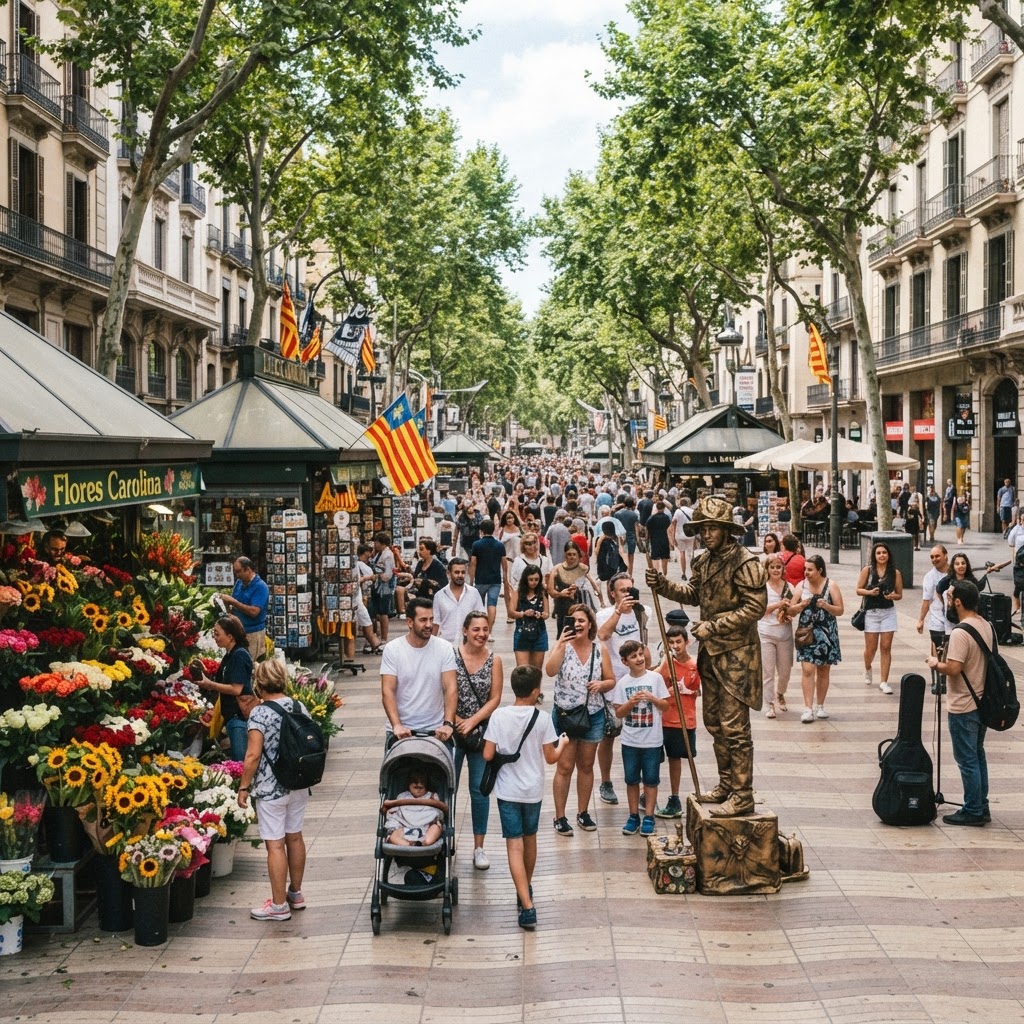
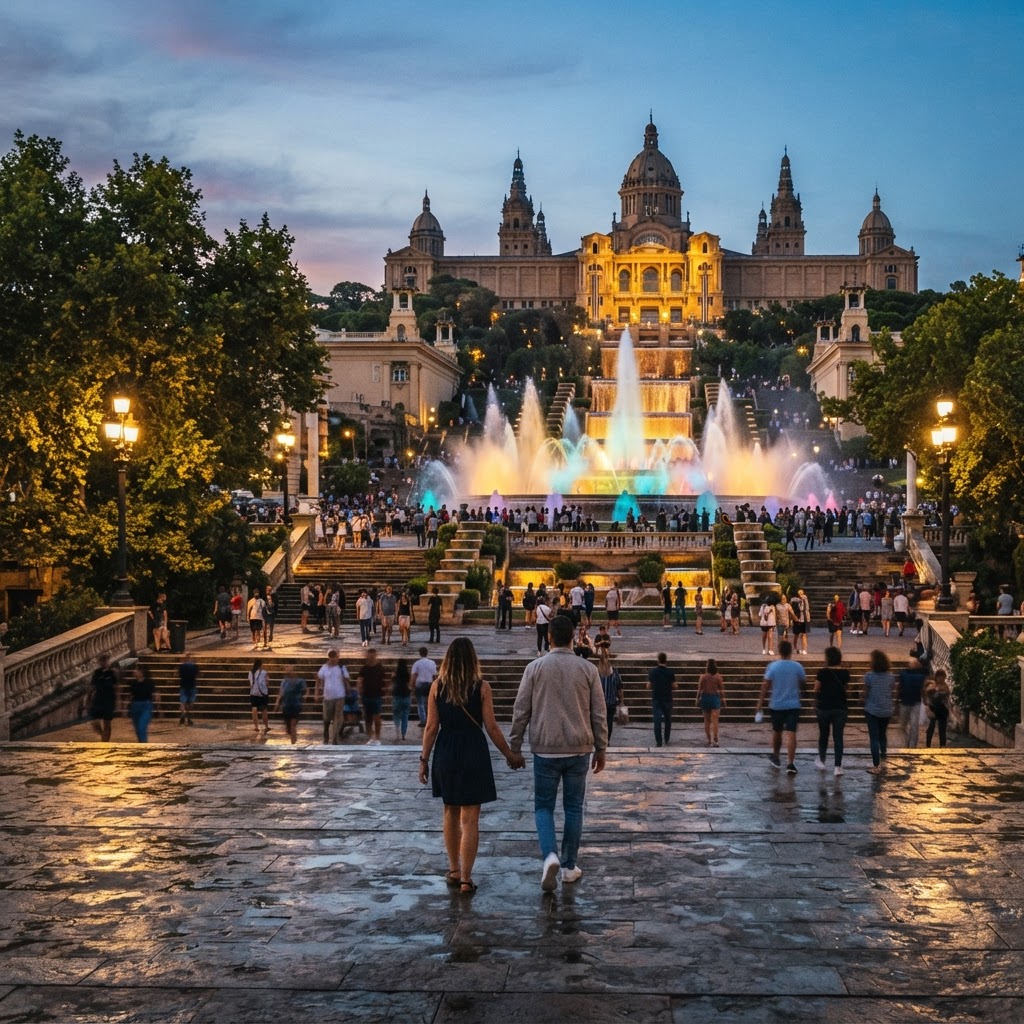
La Rambla functions as the pulse of Barcelona’s cinematic identity, offering a high-energy, pedestrian-heavy backdrop that captures the authentic, everyday chaos of Catalan life. This 1.2-kilometer-long street is ideal for directors needing to establish a sense of place, scale, and multicultural density. Unlike the quieter, historic districts, La Rambla provides a constant, kinetic energy that helps ground films in the contemporary reality of the city. Filmmakers utilize the street’s mix of street performers, flower stalls, and historic landmarks like the Gran Teatre del Liceu to add texture and “local flavor” to wide, establishing shots.
Adjacent to La Rambla, the Raval district offers a grittier, raw urban aesthetic that has been a staple in Mediterranean neo-realism and independent cinema. It is a dense, high-contrast environment that provides a sharp visual counterpoint to the polished elegance of the Eixample. The narrow lanes, vibrant street art, and diverse cultural mix here provide an essential narrative tool for stories involving urban grit or character-driven drama. Whether capturing the neon lights at night or the bustle of the Mercat de la Boqueria, this area delivers high-impact, authentic visuals. Production teams often visit early in the morning to capture the transition from the city’s nightlife to the opening of the markets, providing unique, high-value footage.
FAQ
Which Barcelona neighborhood is most popular for film shoots?
The Gothic Quarter is the most popular neighborhood for film shoots due to its preserved medieval architecture and narrow, atmospheric streets. Its ability to double for various historical European settings makes it a top choice for international period productions.
Can I visit all major movie locations in one day?
It is difficult to visit all major locations in one day, as they are spread across different districts like the Gothic Quarter, Eixample, and Park Güell. We recommend dedicating at least three days to cover the primary cinematic highlights comfortably.
Do I need a permit to film in Barcelona streets?
Professional filming in Barcelona’s public streets requires a formal permit from the Barcelona Film Commission for any production involving technical equipment. You should apply at least 15 to 30 days in advance depending on the scale of your production.
What time of day is best for filming in Barcelona?
Early morning, specifically between 6:00 AM and 9:00 AM, is the best time for filming to capture streets without heavy crowds. This window also offers soft, natural lighting that is highly preferred for professional cinematic photography.
Leave a Reply