
Turquoise water in the Norwegian mountains is created by the ‘glacial flour’ phenomenon, where fine mineral sediments from grinding glaciers scatter sunlight to produce a vibrant, milky-blue hue. These glacial lakes are best viewed in Norway between mid-July and late August, when peak seasonal meltwater maximizes sediment suspension in high-altitude basins.
The Science Behind the Vibrant Color
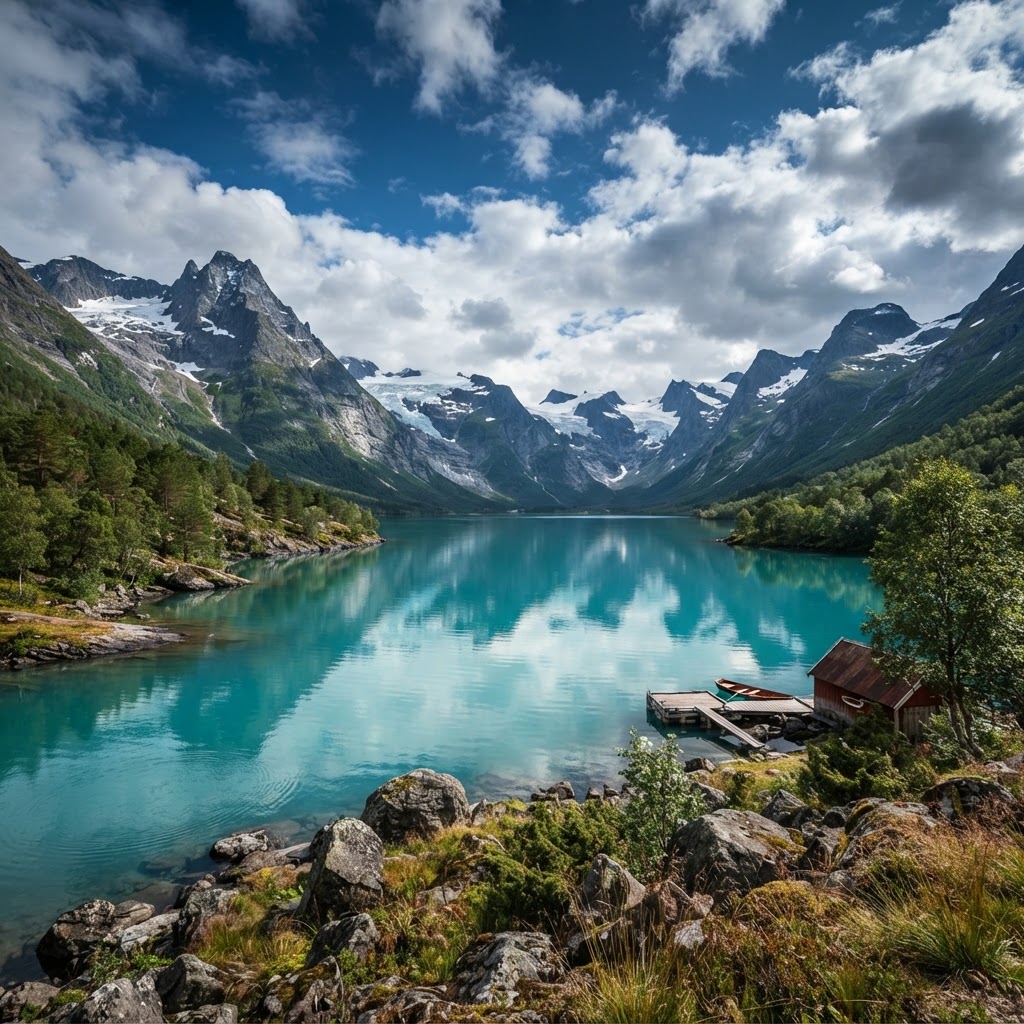
The phenomenon that turns these bodies of water into such brilliant shades is known as the glacial flour phenomenon. As massive glaciers move slowly over the mountainous terrain, they act like giant pieces of sandpaper, grinding the bedrock into an extremely fine, flour-like powder. This sediment, composed of silts and clays, eventually flows into lakes and fjords via meltwater streams. When sunlight hits these suspended particles, they scatter the blue and green wavelengths of light while absorbing the longer red and yellow wavelengths, resulting in the iconic, glowing turquoise water in the Norwegian mountains. This process is most active during the peak summer thaw when glacial runoff is at its highest. Scientists note that the intensity of the color depends on the concentration of suspended particles; high concentrations during warm spells in August produce the most vivid ‘electric blue’ appearance.
Best Regions for Finding Glacial Lakes
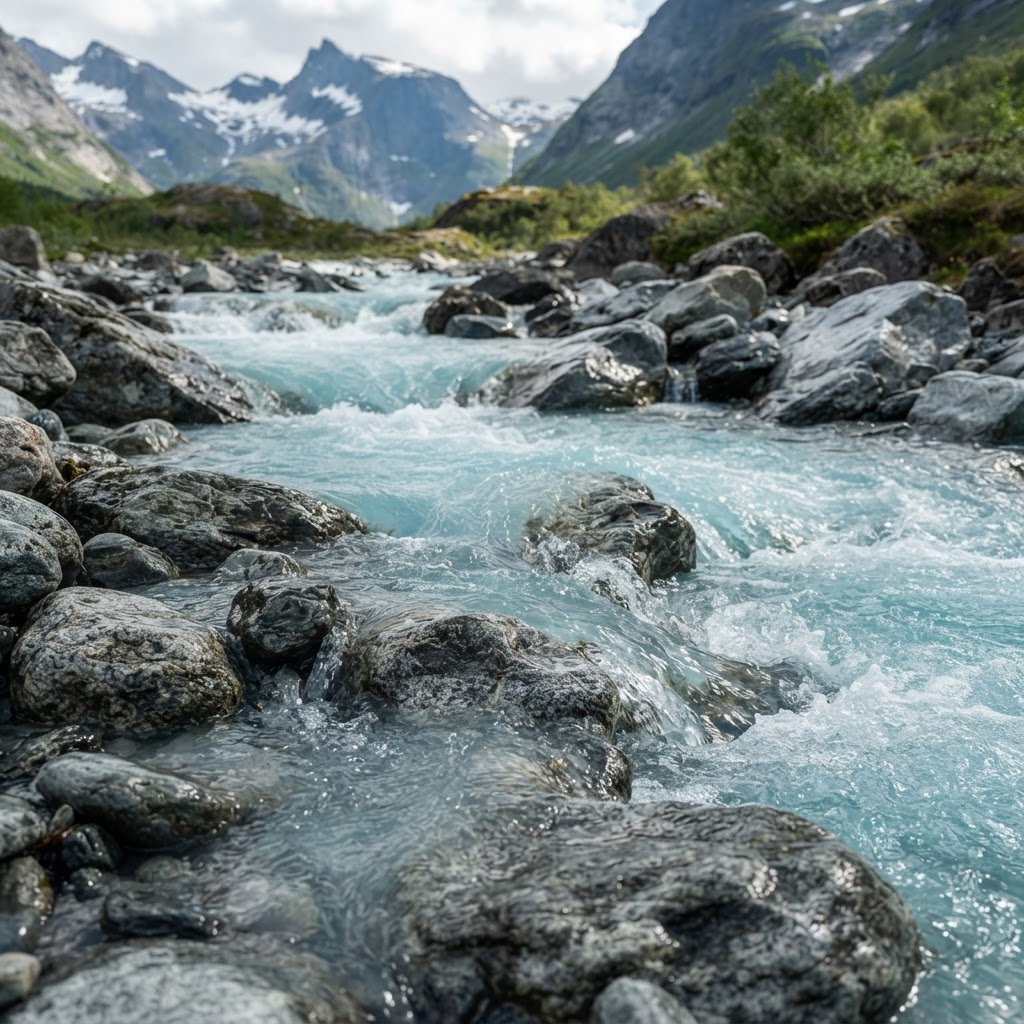
Norway is geographically diverse, but not every region offers the same geological conditions necessary for these vibrant lakes. The western fjords and the Jotunheimen National Park are the premier destinations for travelers hoping to photograph these vivid colors. Jotunheimen, often called the Home of the Giants, contains the highest peaks in Scandinavia and is home to over 2,000 glaciers and countless glacier-fed basins. Other notable areas include the Jostedalsbreen glacier surroundings and the high-altitude plateaus of Hardangervidda. When planning your route, focus on high-elevation trails that are situated directly downstream from active or receding glaciers. For optimal navigation, use the Ut.no app, which tracks trail conditions updated by the DNT.
| Region | Best For | Peak Season | Elevation |
|---|---|---|---|
| Jotunheimen | High peaks & glacier basins | July-August | 1,200m+ |
| Jostedalsbreen | Large glacial runoff | August | 800m-1,500m |
| Hardangervidda | Plateau hiking | Late July | 1,000m+ |
Essential Gear for High-Altitude Hiking
To safely reach these remote lakes, preparation is vital. The Norwegian weather is notoriously fickle, shifting from bright sunshine to hail in minutes. Ensure your pack includes:
- A waterproof shell jacket (Gore-Tex or equivalent) and trousers
- Sturdy, broken-in hiking boots with good ankle support (Vibram soles recommended)
- A detailed 1:50,000 topographic map and a physical compass
- A portable water filter to drink the glacier runoff
- High-energy snacks and a thermal base layer (Merino wool)
Photography Tips for Capturing the Blue
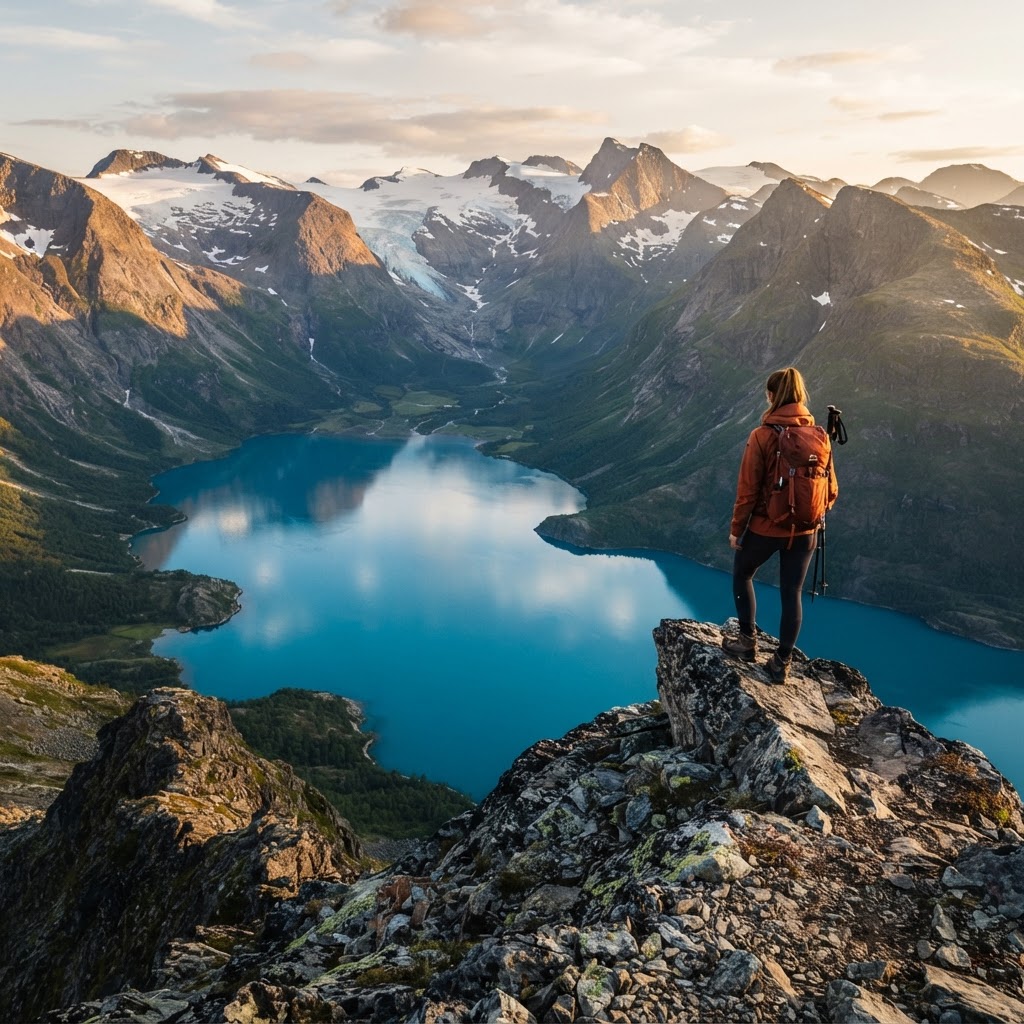
Capturing the intense color of the turquoise water in the Norwegian mountains requires careful attention to light and exposure. Because the water is often surrounded by dark, jagged rock, your camera’s light meter might get confused, leading to overexposed skies or muddy shadows. Use a circular polarizer to cut down the glare on the surface of the water, which will help saturate the blues and greens. If you are shooting during the middle of the day, the light will be harsh; wait for the ‘golden hour’ or the softer light of an overcast day to achieve a more moody and dramatic aesthetic for your photography. Additionally, consider using a neutral density (ND) filter if you intend to shoot long-exposure shots of glacial streams, as this smooths out the water flow while retaining the vibrant color profile.
Responsible Tourism and Preservation
With the rise of social media, many of these fragile environments are experiencing increased foot traffic. It is imperative that all visitors adhere to the principles of Leave No Trace. The ecosystem surrounding these lakes is incredibly delicate, and the vegetation often takes decades to recover from a single trampling. Stay on marked trails, avoid walking on fragile moss, and carry all your waste back with you to the trailhead. By protecting these pristine landscapes, we ensure that future generations can continue to enjoy the breathtaking turquoise water in the Norwegian mountains. Always check for local ‘Ferdsel’ signs that may restrict access in certain areas during bird nesting season (May through early July).
Seasonal Planning and Travel Tips
Timing is everything when visiting the Norwegian high country. The lakes are typically frozen solid and covered in snow until late June or even July, depending on the altitude. The ideal window to view the intense turquoise hues is between mid-July and late August. During this period, the glaciers are melting rapidly, feeding the lakes with fresh sediment. Always check local trail reports on the DNT (Den Norske Turistforening) website before heading out. Keep in mind that Scandinavia travel tips usually emphasize the ‘Allemannsretten,’ or the right to roam, which allows you to camp in the wild, provided you respect the land and keep a distance of at least 150 meters from private dwellings.
FAQ
Q: Why is the water in Norwegian mountain lakes turquoise?
It is caused by the ‘glacial flour’ phenomenon. As glaciers grind bedrock, they create fine sediment that suspends in the water, scattering blue and green light wavelengths while absorbing others.
Q: When is the best time to see turquoise lakes in Norway?
The best time is between mid-July and late August. This window aligns with the peak glacial melt, ensuring the highest concentration of sediment creates the signature vibrant color.
Q: Is it safe to drink water from these glacial lakes?
Generally, yes, but you should always use a portable water filter. While the water is pristine, high-altitude streams can occasionally contain bacteria from wildlife roaming in the mountains.
Q: What gear do I need for hiking to these lakes?
You need waterproof layers, sturdy hiking boots with ankle support, a compass and physical map, and a high-quality water filtration system. Weather in the mountains can change instantly, so pack for cold and rain regardless of the forecast.
Q: Can I camp near these turquoise lakes?
Yes, under the ‘Allemannsretten’ (Right to Roam), you can camp almost anywhere in the Norwegian mountains. You must stay at least 150 meters from occupied houses and follow all Leave No Trace principles.
Leave a Reply