
7 Fjords That Look Unreal: A World Traveler’s Guide
Fjords that look unreal are deep, narrow coastal inlets carved by ancient glaciers, defined by vertical cliffs, cascading waterfalls, and mirror-like waters. The most visually stunning examples include Geirangerfjord in Norway, Milford Sound in New Zealand, and the ice-laden Ilulissat Icefjord in Greenland, each offering unique geological and climatic spectacles for travelers.
The Majesty of Geirangerfjord, Norway
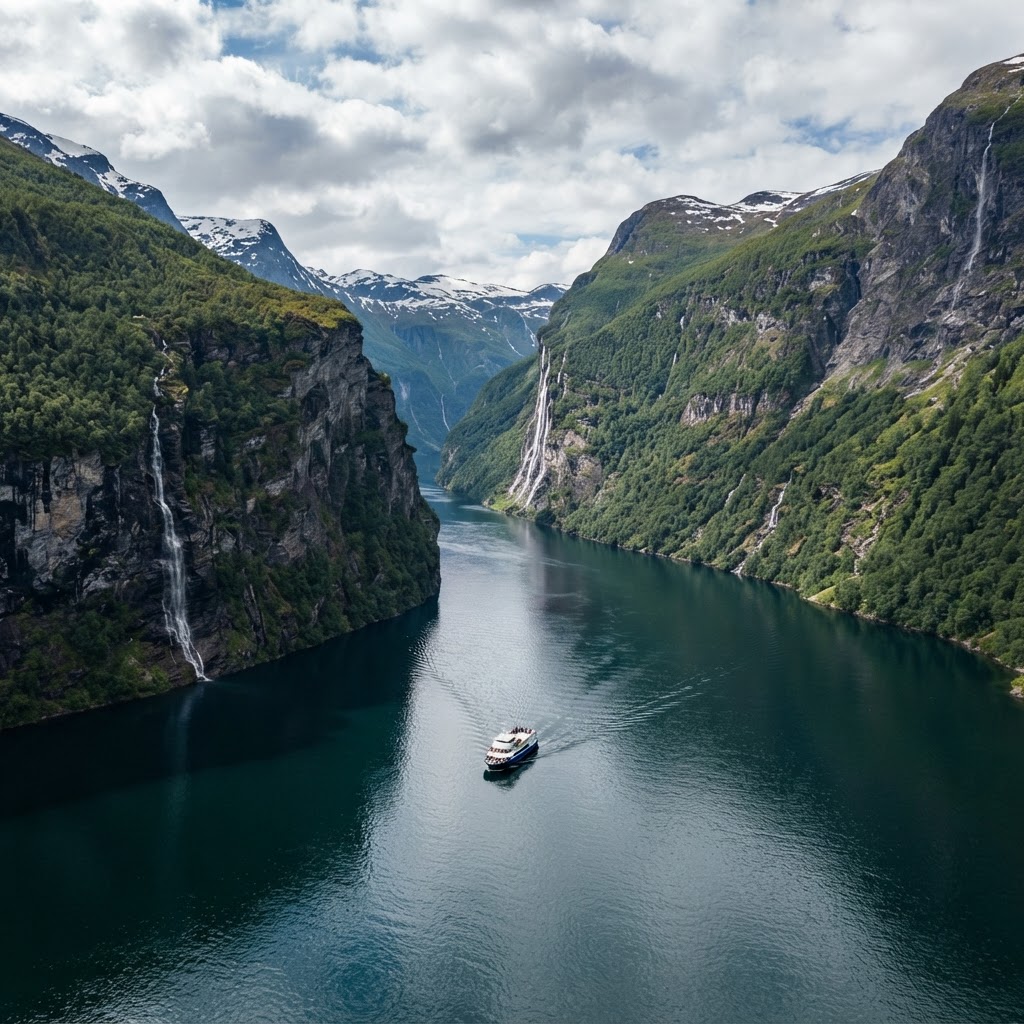
Norway is synonymous with the very concept of a fjord, and Geirangerfjord stands as its crown jewel, recognized as a UNESCO World Heritage site for its geological significance. The fjord is characterized by impossibly steep mountain walls that rise up to 1,500 meters above sea level, framing the deep blue water below. The iconic Seven Sisters waterfall features seven separate streams that plunge from 250 meters into the fjord, creating a scene that feels plucked from a fantasy novel. Exploring this region by ferry is the preferred method to appreciate the sheer verticality of the cliffs and the scale of the landscape. Unlike other fjords, Geirangerfjord is known for its unique “S” shape, which ensures that as you navigate the waterway, the mountains seem to shift and loom closer, creating a sense of intimacy within such a massive, imposing landscape. It is widely considered one of the best fjords in the world for those seeking solitude and raw natural power. Travelers often visit between June and August to see the waterfalls at their peak volume due to snowmelt.
| Feature | Geirangerfjord | Milford Sound |
|---|---|---|
| Location | Norway | New Zealand |
| Primary Feature | Cascading Waterfalls | Rainforest Peaks |
| Best Month | July | January |
| Climate | Cool/Temperate | Humid/Rainy |
Milford Sound, New Zealand
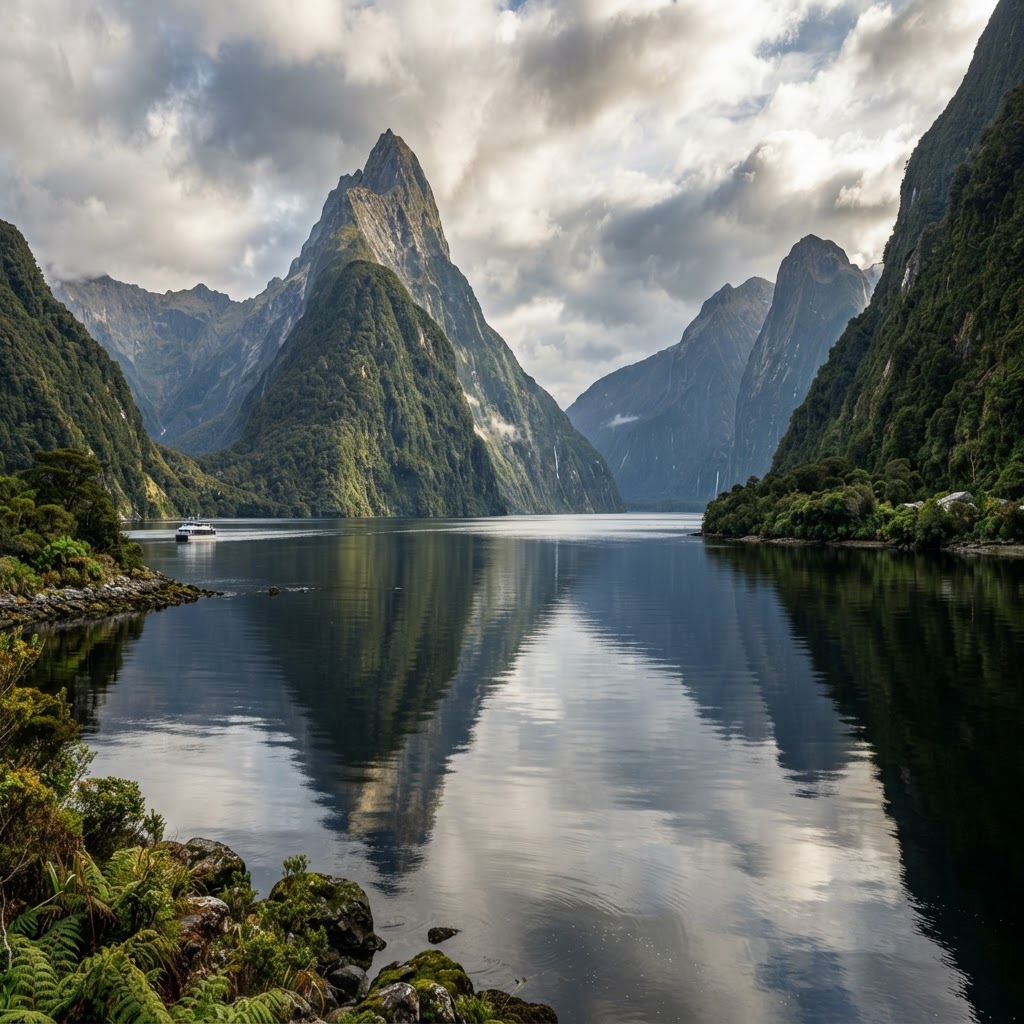
Milford Sound is often hailed for its mythical quality, where lush, temperate rainforest-covered peaks rise directly from the dark, reflective waters of the Tasman Sea. This is the definition of fjords that look unreal, as the high annual rainfall—averaging 6,813 mm per year—creates hundreds of temporary waterfalls that snake down the cliffs after a storm. Rudyard Kipling famously dubbed this area the “eighth wonder of the world,” and it remains a bucket list nature travel destination for anyone venturing to the South Island of New Zealand. The fjord is home to a diverse marine ecosystem, where visitors can spot fur seals, dolphins, and rare Fiordland crested penguins. Because the peaks reach heights of 1,692 meters at Mitre Peak, the scale of the terrain is difficult to comprehend from the water. Travelers should note that the most dramatic photography opportunities occur immediately following heavy rainfall, when the mountain walls become alive with thousands of ephemeral cascades. Planning a trip here requires advance booking, especially during the peak summer months of December through February.
Lysefjord: The Pulpit Rock Experience
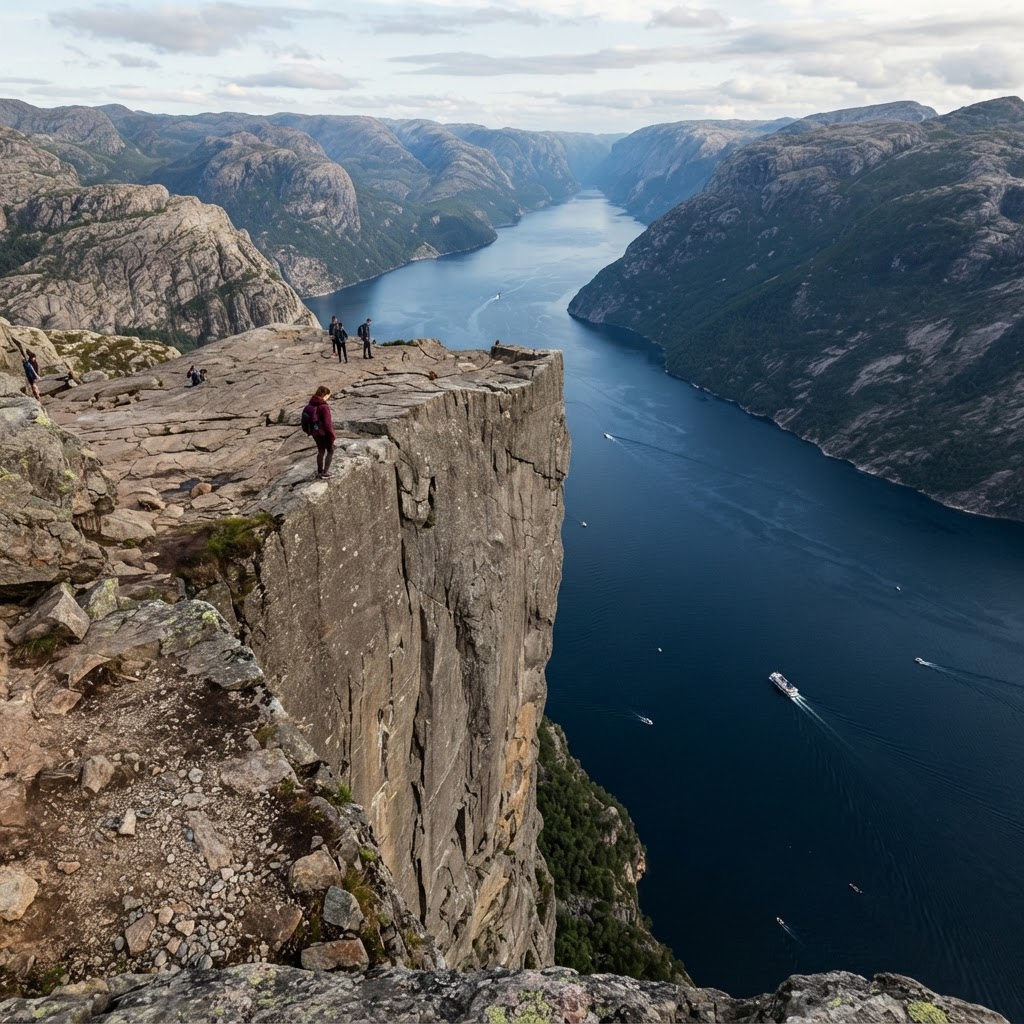
Lysefjord offers a distinct, high-intensity experience characterized by dramatic granite cliffs and the world-famous Preikestolen, or Pulpit Rock. This iconic plateau hovers 604 meters directly above the water, attracting thousands of hikers annually who seek the ultimate vantage point. Standing on the edge of this natural platform provides a perspective that is truly humbling, offering a view of the narrow, 42-kilometer-long fjord that stretches into the horizon. The geological contrast between the deep, dark, reflective water and the light-colored, jagged granite cliffs makes this one of the most stunning examples of fjords that look unreal. Hiking to the summit typically takes four to five hours round-trip, covering 8 kilometers with a 350-meter elevation gain. Safety is paramount; the trail is well-marked, but weather conditions can shift rapidly, so proper gear is essential. Photographers favor the “golden hour” when the sun hits the granite walls, illuminating the rock with a warm, ethereal glow that amplifies the depth of the valley.
The Quiet Grandeur of Kenai Fjords, Alaska

Alaska offers a rugged, icy alternative to European fjords in Kenai Fjords National Park, where the landscape is defined by the massive Harding Icefield and tidewater glaciers that actively calve into the sea. This is not just a scenic trip; it is an expedition into a wild, changing environment where geological history is visible in real-time. Seeing massive ice chunks float past your boat provides a tactile reminder of the forces that shaped our world. The park covers over 600,000 acres, and its glaciers, such as the Aialik Glacier, are known for the thunderous sound of ice breaking away, a process known as calving. Visitors can take boat tours from Seward to observe sea otters, harbor seals, and humpback whales in the nutrient-rich waters. The best window for visiting is between May and September, as winter conditions make the fjords largely inaccessible. It serves as a reminder that these geological features are living, breathing systems that continue to evolve annually through glacial melt and seismic activity.
Exploring Ilulissat Icefjord, Greenland

Greenland is home to the spectacular Ilulissat Icefjord, where massive icebergs break off from the Sermeq Kujalleq glacier, one of the most active glaciers in the world. These aren’t just your typical fjords that look unreal; they are floating museums of frozen history, with icebergs that can reach heights of over 100 meters above the water line. The sheer size of these ice masses creates a crystalline, shifting landscape that is unlike anywhere else on Earth. The fjord is a UNESCO World Heritage site and serves as a vital point for monitoring climate change impacts on Arctic ice.
- Take a guided boat tour to witness calving.
- Hike the coastal trails during the midnight sun.
- Visit the local Inuit heritage sites for cultural context.
- Bring a long-range lens for wildlife photography.
The Mystery of Doubtful Sound, New Zealand

Often called the “Sound of Silence,” Doubtful Sound is significantly larger, deeper, and more remote than its neighbor, Milford Sound. Its remoteness is its greatest asset, as it requires a multi-stage journey—a boat trip across Lake Manapouri followed by a coach transfer over Wilmot Pass—to reach the water, which effectively keeps the massive crowds away. The stillness here is profound, and the lush temperate rainforest covering the surrounding mountains creates an emerald-colored haven that feels untouched by time. The fjord reaches depths of up to 421 meters, and its unique stratification allows a layer of freshwater from rainforest runoff to sit atop the saltwater, creating a unique habitat for deep-sea corals that grow at unusually shallow depths. It is a hidden gem for those truly committed to scenic fjord travel who prefer tranquil exploration over busy tourist hubs.
Kotor Bay: The Mediterranean Fjord

While technically a submerged river canyon, the Bay of Kotor in Montenegro is frequently cited among the most beautiful fjords that look unreal due to its towering limestone cliffs that drop into the Adriatic Sea. The combination of historic medieval towns, fortified walls, and dramatic mountains creates a unique blend of culture and geology. Unlike the glacial fjords of the north, Kotor offers a Mediterranean climate, allowing visitors to enjoy the scenery while walking through cobblestone streets of UNESCO-listed towns like Kotor and Perast. The bay is composed of four smaller gulfs, and the narrowest point, the Verige Strait, adds to the dramatic sense of enclosure. With a history dating back to the Roman Empire, the area offers as much cultural value as it does natural beauty. The best time to visit is in the shoulder seasons of May or September to avoid summer cruise ship congestion.
FAQ
Q: What is the primary difference between a fjord and a sound?
A: A fjord is specifically a long, deep, narrow inlet carved by glacial activity, characterized by steep cliffs. A sound is typically a broader sea or ocean inlet, often formed by a submerged river valley or tectonic movement, usually lacking the sheer vertical walls of a glacier-carved fjord.
Q: Which country has the most fjords in the world?
A: Norway holds the title for the most fjords, with over 1,000 inlets along its expansive coastline. The combination of its rugged geography and glacial history provides the most concentrated collection of these geological wonders on the planet.
Q: Is it safe to hike to Pulpit Rock in Norway?
A: Yes, it is safe, but it requires moderate fitness and proper preparation. The trail is approximately 8 kilometers round-trip, takes about 4-5 hours to complete, and should only be attempted during the summer months when the path is free of snow and ice.
Q: Do I need a permit to visit Kenai Fjords National Park?
A: You do not need a permit to enter the park, but you must arrange for commercial boat transport or water taxis to access the fjord waters. Most visitors book guided tours departing from the harbor in Seward to ensure they can safely navigate the icy, remote waters.
Q: When is the best time to see waterfalls in a fjord?
A: The best time to see waterfalls at their peak volume is late spring to early summer, typically May through July. This period coincides with the melting of high-altitude snow, which feeds the cascades and turns even small streams into impressive, dramatic waterfalls.
Leave a Reply