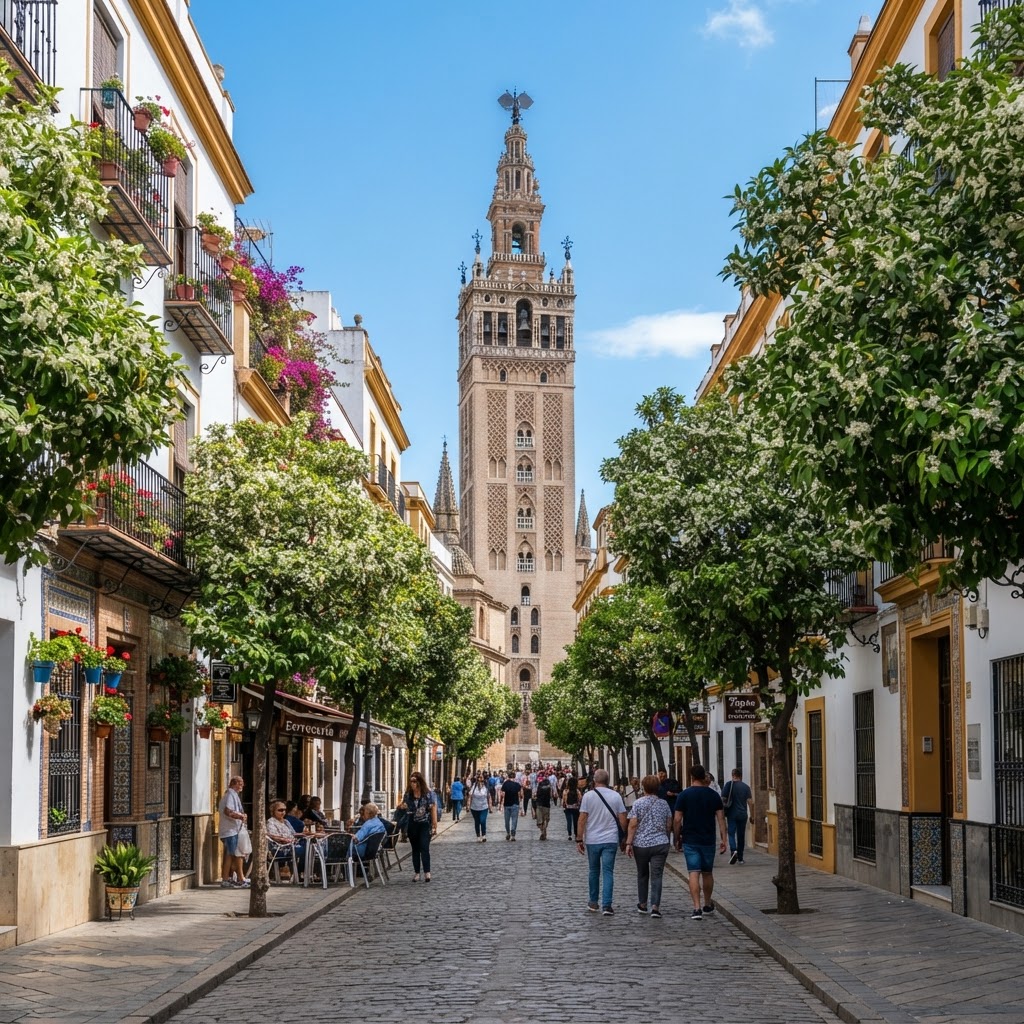
Seville in Spring: Experience the Magic of Orange Blossom
Seville in spring is best experienced from mid-March to mid-April, when over 40,000 bitter orange trees bloom with azahar, filling the city with a sweet, intoxicating scent. This peak window offers mild temperatures ranging from 15°C to 24°C, perfect for exploring the historic center, experiencing Holy Week traditions, and enjoying the vibrant Feria de Abril.
The Sensory Awakening of Springtime in Seville
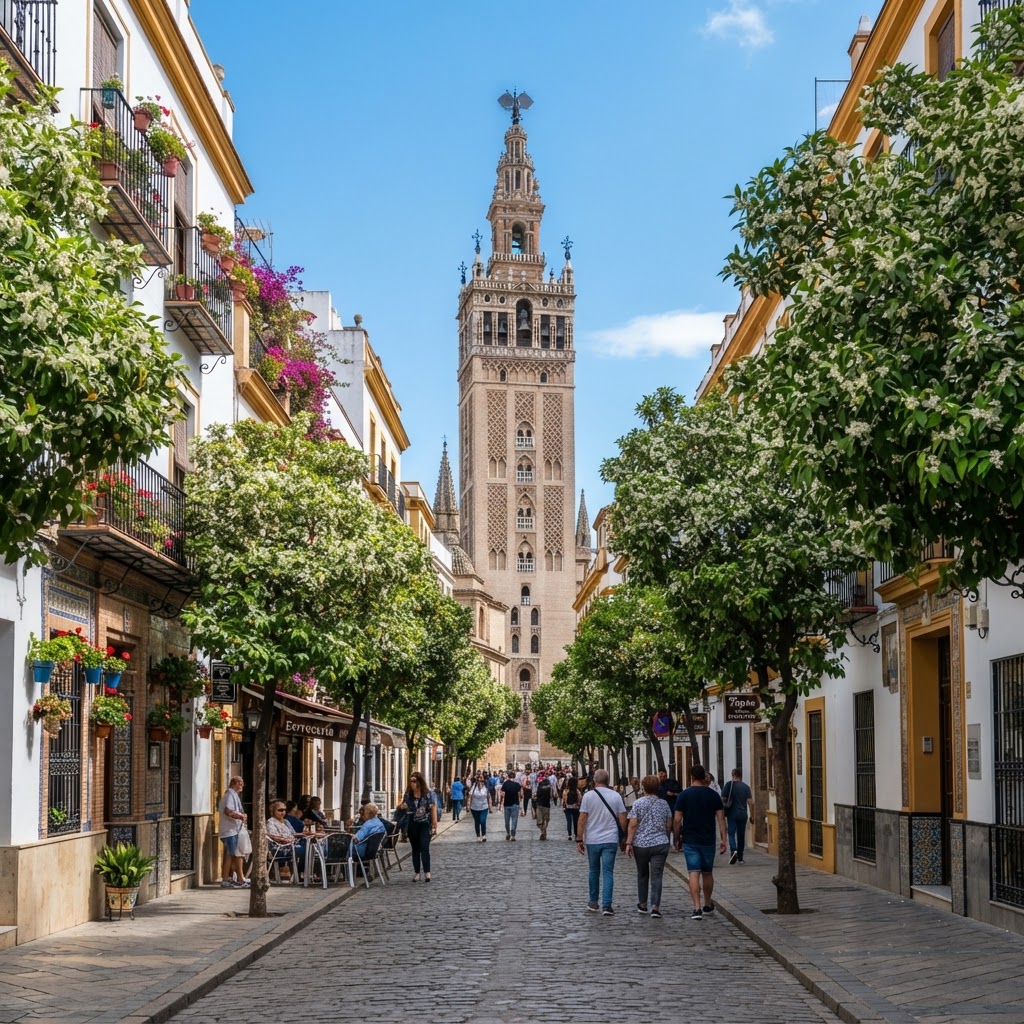
When you first arrive in Seville during the transition from March to April, the scent is the first thing you notice. It is a heady, jasmine-like aroma that clings to your clothing and follows you through the historic Barrio Santa Cruz. The sight of thousands of trees heavy with blossoms against a backdrop of deep blue sky is nothing short of breathtaking.
Understanding the Azahar Phenomenon
The orange trees in Seville are not mere decorations; they are the soul of the urban landscape. These trees, brought by the Moors centuries ago, were chosen for their hardiness and the fragrance of their flowers. In the spring, the city’s maintenance crews work around the clock to ensure the streets remain tidy, yet the sheer volume of falling petals creates a ‘snowfall’ effect of white and pale green that carpets the cobblestones. The city specifically monitors the bloom peak, which generally occurs between March 15 and April 10, depending on the severity of the winter rainfall. Managing these 40,000 trees requires an extensive municipal operation, ensuring the “fragrant paradise” remains accessible to millions of annual visitors who flock specifically for this botanical phenomenon.
Why Spring is the Best Time to Visit
Beyond the flowers, the climate in Seville during the spring is Goldilocks-perfect. You avoid the scorching, bone-dry heat of the summer months, which can easily reach 45 degrees Celsius, while missing the rainy outbursts of late winter. It is the ideal season for walking tours of the Alcázar gardens or leisurely tapas crawls through the Triana neighborhood.
| Feature | Spring (March-May) | Summer (June-August) |
|---|---|---|
| Average High | 22°C – 28°C | 35°C – 45°C |
| Flora | Full Azahar Bloom | Greenery Only |
| Crowd Levels | Very High (Peak Season) | Low (Heat Season) |
| Best Activity | Outdoor Sightseeing | Indoor Museums/Nightlife |
Navigating the Historic Center Among the Blooms
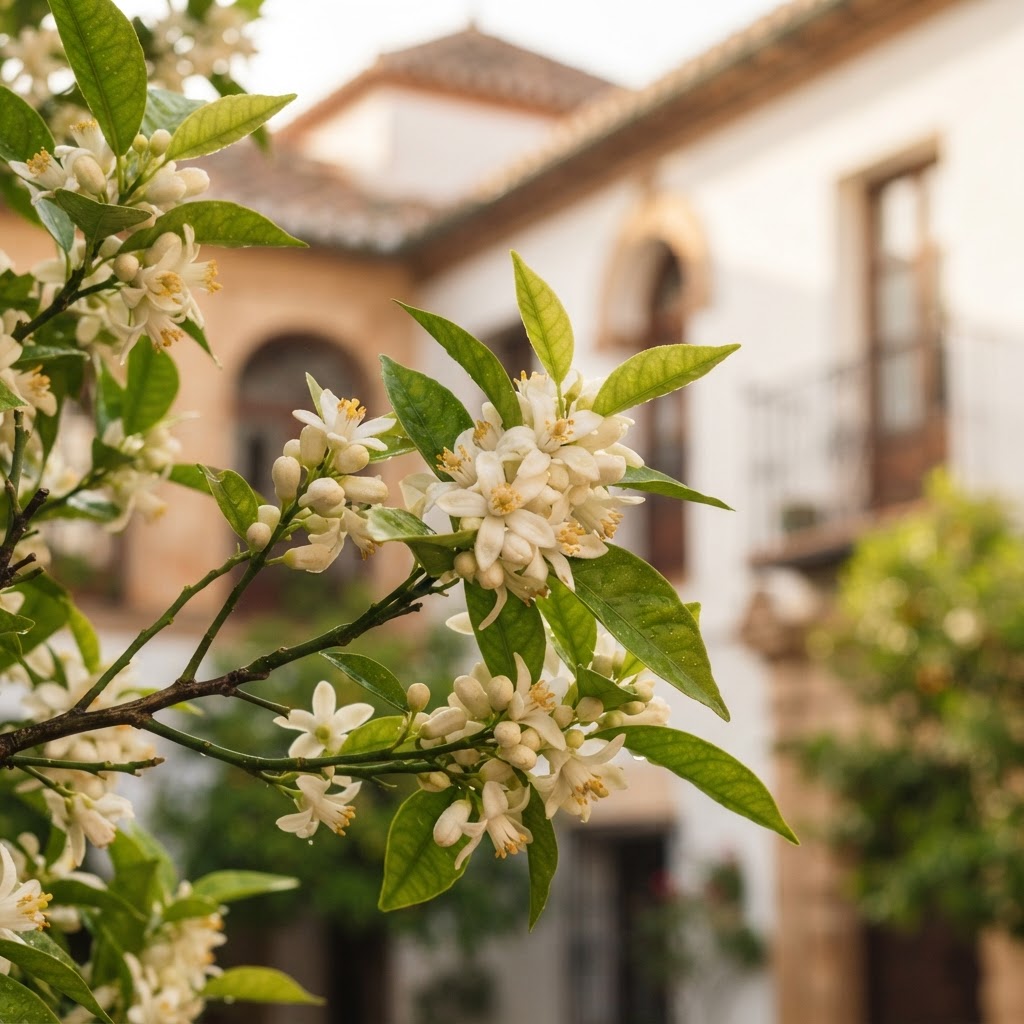
The historic core of Seville is a labyrinthine masterpiece of Mudéjar architecture, and it serves as the primary stage for the spring spectacle. As you wander from the Cathedral of Seville toward the Plaza de España, the overhead canopy of orange trees provides both visual delight and dappled shade. For the best photography, visit the Plaza de España at 8:30 AM before the tour buses arrive, as the light hits the orange petals against the yellow and red architecture with perfect saturation. The walk from the Cathedral to the Barrio Santa Cruz takes roughly 15 minutes, but the fragrance density is highest along the Calle Mateos Gago, where the trees create a literal tunnel of scent. Be sure to look for the “Naranjo Amargo” (Bitter Orange) signs, which indicate the specific variety that defines the city’s unique olfactory map.
Must-Visit Parks and Gardens
While the streets are beautiful, the true density of the floral experience is found in the city’s green spaces. The Maria Luisa Park is a botanical paradise where the orange blossoms mingle with palms and jacaranda trees. Taking a horse-drawn carriage ride through these paths is a quintessentially Sevillian experience that feels as if you have stepped back into the 19th century. Carriage prices are regulated by the city and typically cost between €45 and €60 for a 45-minute tour.
| Location | Best Time to Visit | Key Feature |
|---|---|---|
| Plaza de España | Early Morning | Reflecting pool and tiles |
| Real Alcázar | Mid-Morning | Royal gardens and fountains |
| Barrio Santa Cruz | Sunset | Intimate alleys and scents |
| Maria Luisa Park | Afternoon | Lush botanical variety |
Cultural Festivals Linked to the Season
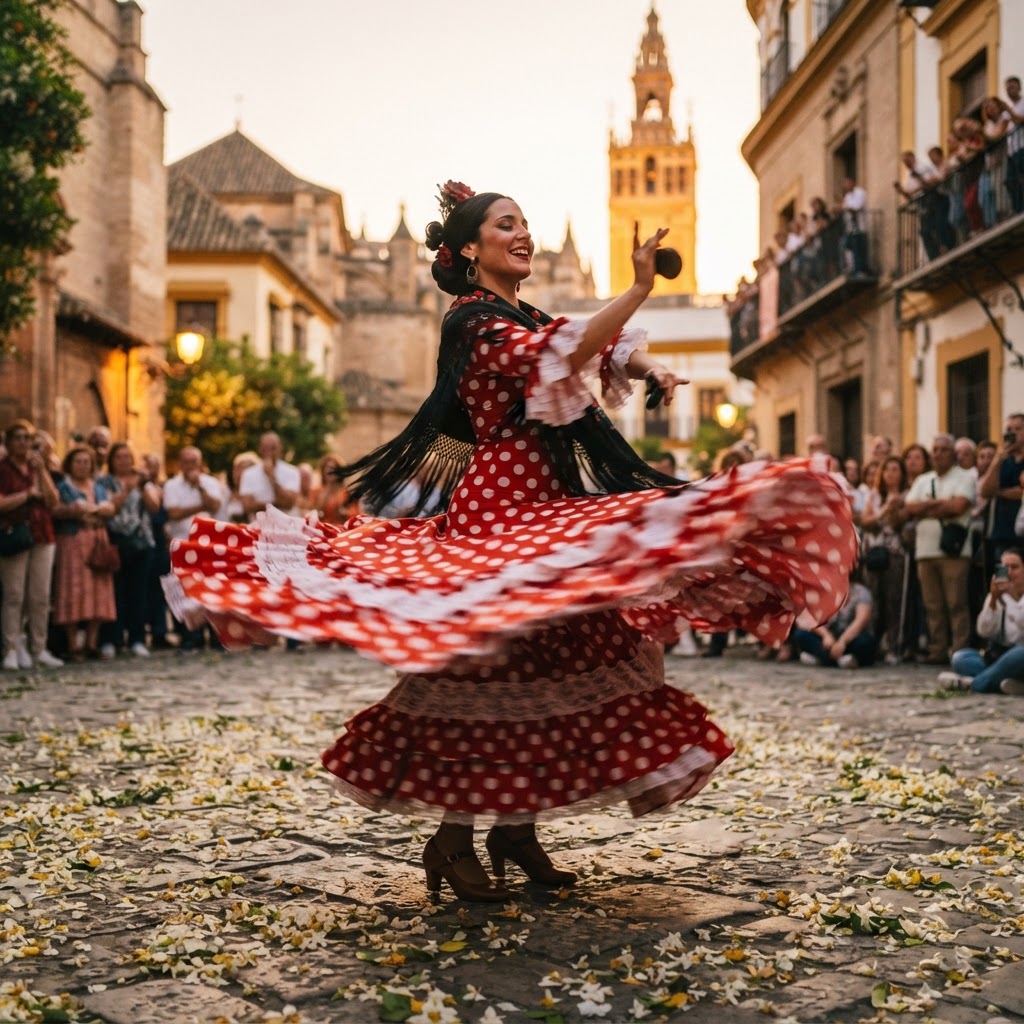
Seville in spring is synonymous with two major pillars of Andalusian culture: Semana Santa and the Feria de Abril. These events are not just holidays; they are deeply ingrained social rituals that turn the entire city into a massive, open-air stage. During Semana Santa, the city hosts over 60 brotherhood processions, attracting crowds of up to 500,000 visitors who line the narrow streets to witness the paso movements. The Feria de Abril, occurring two weeks later, features over 1,000 casetas where the city’s elite and local families celebrate with fino sherry. If you are visiting to enjoy the orange blossom, you will inevitably find yourself swept up in the energy of these celebrations. Booking for these dates should be finalized by November or December of the previous year to secure any availability within the central districts.
Semana Santa (Holy Week)
The week leading up to Easter Sunday is a somber yet visually spectacular affair. Massive floats depicting religious icons are paraded through the narrow, flower-scented streets. The silence of the crowd, punctuated only by the occasional mournful saeta sung from a balcony, creates a powerful emotional resonance that stays with you long after you leave.
The Joy of Feria de Abril
Two weeks after Easter, the mood shifts from solemnity to pure, unadulterated joy. The Feria is a celebration of flamenco dancing, horsemanship, and endless servings of rebujito—a refreshing drink made of fino sherry and lemon-lime soda. The fairgrounds are lined with casetas, private and public tents where the city comes together to celebrate the bounty of the season.
Gastronomy: Tasting the Spring
While the orange blossoms provide the scent, the local cuisine provides the taste of Seville. Spring is the season for artichokes, asparagus, and the freshest catch from the nearby Guadalquivir River. You will find that many local dishes incorporate the subtle essence of the citrus trees, from orange-infused desserts to traditional marmalades. Traditional Seville marmalade is world-renowned because it uses the specific bitter orange (Citrus × aurantium) that grows on the street trees. During the harvest period in January and February, before the flowers bloom, the city harvests these fruits to produce thousands of jars for export and local sale. In spring, menus across the city shift to focus on “productos de la huerta” (garden products), highlighting the freshness of local legumes.
Top Spring Delicacies to Try
- Gazpacho and Salmorejo: While available year-round, these cold soups are best enjoyed when the afternoon temperatures begin to climb.
- Espinacas con Garbanzos: A traditional spinach and chickpea dish with deep Moorish roots.
- Naranjas de Sevilla: Sample local marmalade, which is often made from the bitter oranges harvested from the very trees you are admiring.
- Pescaíto Frito: Freshly fried fish, a staple at the Feria de Abril, best served with a crisp glass of manzanilla.
Practical Tips for Your Spring Journey
Planning a trip to Seville during this peak season requires foresight. Because the city is so popular during the spring festivals, accommodation prices surge, and availability disappears months in advance. To make the most of your trip, consider these strategic tips. Expect to pay a 20-40% premium on hotel rates during Holy Week compared to standard spring pricing. Public transport remains efficient, but street closures for processions often make walking the only viable way to navigate the historic center.
Booking and Logistics
If you want to experience the peak bloom without the extreme crowds of Holy Week, aim for the mid-to-late part of March or the period between the religious celebrations and the April Fair. You should also book your transport and lodging at least four to six months in advance to secure the best rates. Public transit in Seville is excellent, but during the spring, walking remains the best way to soak in the atmosphere.

Sustainable Travel Habits
As a visitor, respect the environment that provides such beauty. Do not pluck the oranges—they are bitter and inedible for raw consumption, and they are essential for the city’s ecosystem and urban maintenance programs. Stick to marked walking paths in the gardens and support local businesses, such as family-run tapas bars, to ensure your travel dollars have a positive impact on the community.
FAQ
Q: When is the best time to see the orange blossoms in Seville?
The peak bloom for the Seville orange trees typically occurs between mid-March and early April. While the exact timing depends on winter temperatures and rainfall, visiting during the last two weeks of March provides the highest probability of seeing the trees in full, fragrant flower.
Q: Can you eat the oranges growing on the street trees in Seville?
No, the oranges grown on Seville’s street trees are a bitter variety known as ‘naranjas amargas’ and are not meant for raw consumption. They are highly acidic and used primarily for commercial marmalade production or as decorative urban foliage throughout the city.
Q: Is Seville expensive during the spring season?
Yes, Seville experiences its highest prices of the year during spring, particularly during Holy Week and the Feria de Abril. Travelers should expect significantly higher accommodation rates and limited availability; booking four to six months in advance is essential for securing reasonable pricing.
Q: How do I get around Seville during the spring festivals?
Walking is the most effective way to navigate the historic center, as many streets are closed to vehicles for processions and fair events. The city also operates an extensive tram and bus network, though schedules change frequently during festival dates to accommodate road closures.
Q: What should I pack for a spring trip to Seville?
Pack layers, as temperatures fluctuate between cool mornings and warm afternoons. Light jackets or sweaters are necessary for evenings, while comfortable walking shoes are critical for the cobblestone streets of the Barrio Santa Cruz and the extensive walking required for major city sites.
Leave a Reply