
Historic Streets of Bergen: A Walking Guide
Exploring the historic streets of Bergen is best achieved by focusing on the UNESCO-listed Bryggen wharf, the residential alleys of Nordnes, and the hillside staircases leading to Mount Fløyen. These areas offer the most authentic look at Norway’s 18th-century wooden architecture, maritime heritage, and coastal urban design within a compact, walkable city center.
The Iconic Legacy of Bryggen
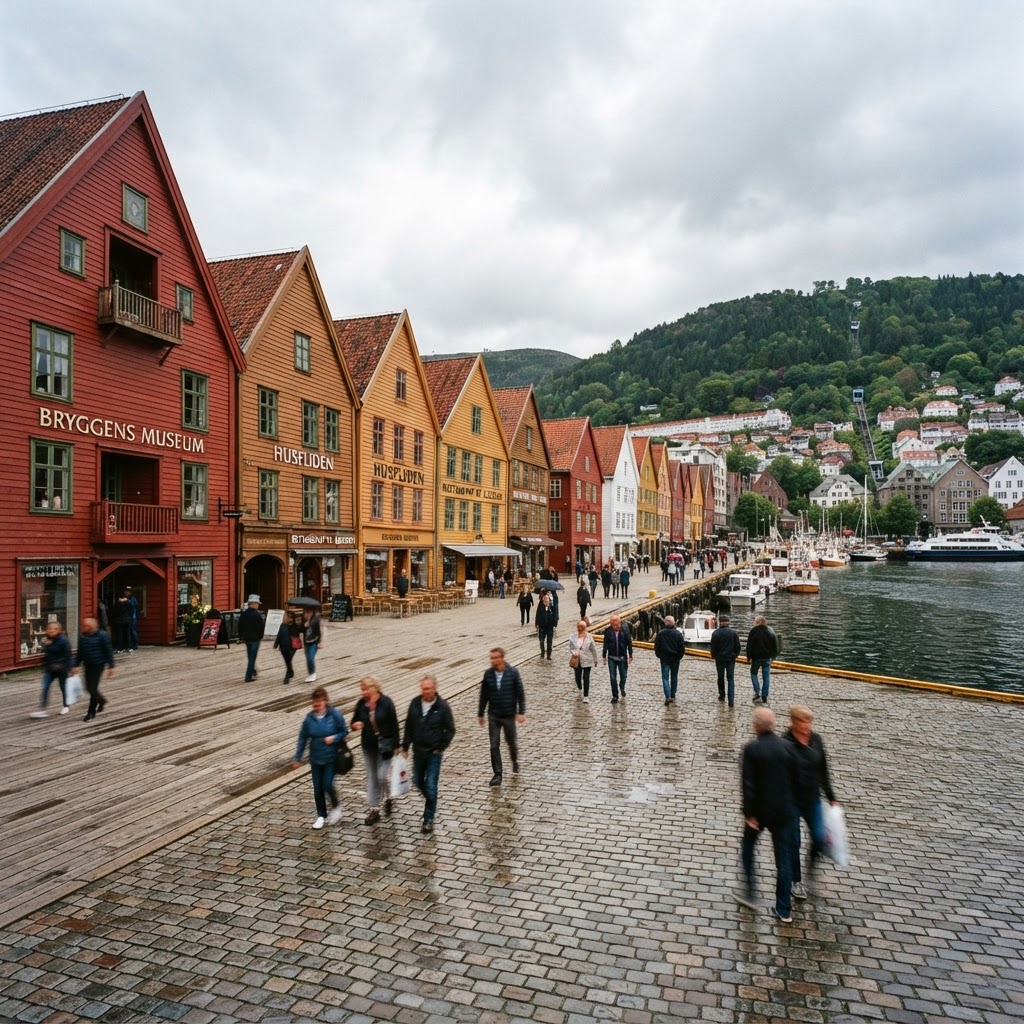
No walking tour of Bergen is complete without spending significant time at Bryggen, the city’s most famous landmark. These narrow, gabled wooden structures have stood as a testament to the city’s trade history since the time of the Hanseatic League, which established a “kontor” here in 1360. Walking between the dark, timber-paneled buildings, you can almost hear the echoes of merchants bartering for stockfish and salt hundreds of years ago.
While the main thoroughfare is often crowded, the true magic lies in ducking into the narrow, dark passages between the buildings known as “smau.” These corridors are the heart of the historic streets of Bergen, leading you to hidden artisan workshops and cozy courtyard cafes that are often missed by casual tourists. Exploring these passages is essential to understanding how the city was structured to maximize protection against fire and wind, with original timber-log construction techniques still visible in the architecture today.
Architectural Wonders of Nordnes
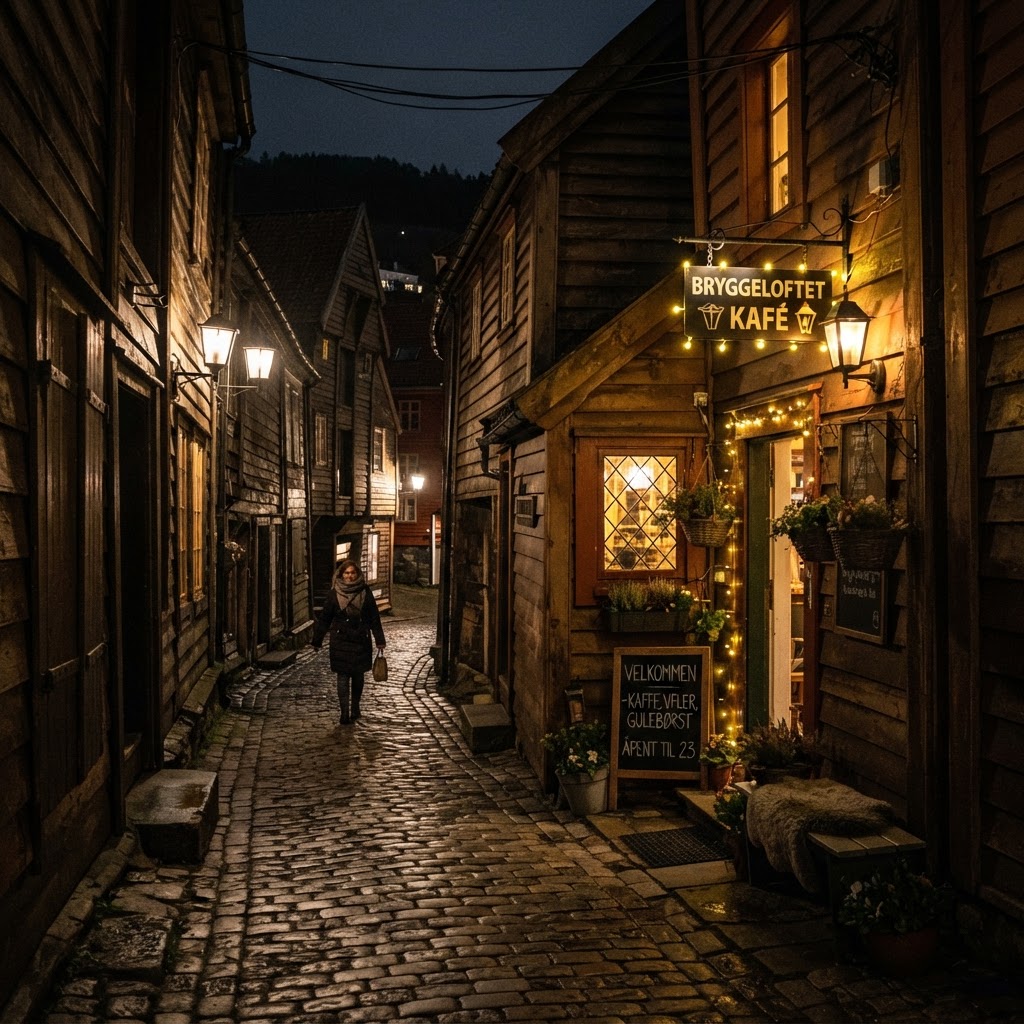
After leaving the bustling wharf, head toward the Nordnes peninsula, which contains the finest preserved examples of 18th and 19th-century white-painted wooden houses. This neighborhood captures the intimate, community-driven design of historical Bergen, characterized by narrow lanes and flower-lined garden fences. The preservation of these streets is strictly monitored by local building codes to ensure the historic aesthetic remains intact for future generations.
The Gardens and Views of Nordnesparken
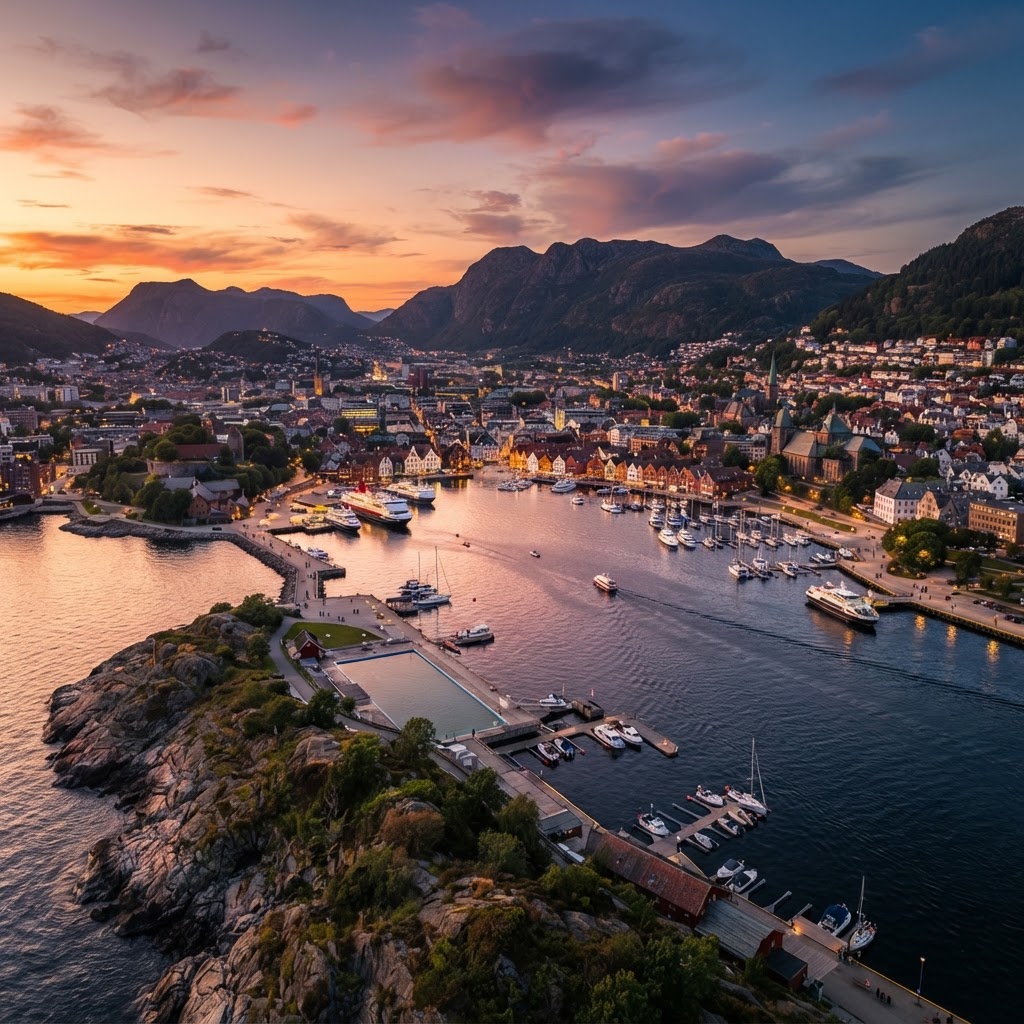
As you walk to the very tip of the peninsula, you will reach Nordnesparken, a tranquil 30-acre park established in 1888. This green space provides a perfect contrast to the dense urban fabric of the city center. Here, you can sit on the benches, watch the ships enter the harbor, and reflect on the history you have just traversed. It is a favorite spot for locals and serves as an excellent vantage point for photography enthusiasts looking for unobstructed views of the Byfjorden. While exploring the city’s vantage points, you might also be inspired to seek out other iconic destinations known for their breathtaking panoramic vistas, such as those found while planning a trip to see the best Santorini balcony views in Oia.
Navigating the Hidden Alleys
One of the best ways to experience the authentic vibe of this city is to explore the hidden residential alleys where local life unfolds behind historic wooden facades. Unlike the main tourist streets, these smaller paths contain independent galleries, boutique coffee roasters, and private gardens that define the city’s character. Getting “lost” intentionally in the streets around Knøsesmauet is highly recommended for those seeking a quiet, authentic Bergen experience.
To make the most of your stroll, consider these tips for navigating the city:
- Wear comfortable, water-resistant footwear as the cobblestones can be uneven.
- Always bring a light rain jacket, as Bergen is famous for its sudden coastal showers.
- Don’t be afraid to walk up the steep staircases; they often lead to the best panoramic views.
- Respect the privacy of local residents living in these historic neighborhoods.
- Take breaks in the small public plazas found throughout the city center.
The Cultural Heart of the City
Moving away from the waterfront, the historic streets of Bergen lead you toward the cultural center, including the famous Fish Market and the surrounding historic squares. The transition from the wooden structures of the wharf to the more robust stone architecture of the city center highlights the various influences that have shaped Norway’s second-largest city. Visiting these areas allows you to connect with the modern culinary scene while remaining grounded in the past. The Fish Market, originally established in the 1200s, remains a hub for regional trade and fresh North Sea delicacies.
Exploring the Mountainside Trails
Bergen is famously surrounded by seven mountains, and the historic streets of Bergen often bleed into the steep trails leading up to these peaks. A unique aspect of a walking tour here is the seamless transition from urban history to mountain wilderness. Taking the time to climb even a small portion of the paths leading to Mount Fløyen provides a perspective of the city’s layout that is impossible to achieve from the street level alone. The trailheads are accessible within a 15-minute walk from the city center.
FAQ
How much time is needed to walk Bergen’s historic streets?
Plan for at least three to four hours to properly explore the Bryggen area and the Nordnes peninsula at a relaxed pace. Adding a walk up to the mountain viewpoints will require an additional two hours of travel time.
Is it free to walk through the Bryggen wharf area?
Yes, walking through the outdoor alleys and passages of Bryggen is completely free to the public at all hours. Some museums or specific buildings within the complex may charge an entry fee for indoor exhibitions.
Are the historic streets of Bergen wheelchair accessible?
Due to the steep inclines, uneven cobblestone surfaces, and narrow stairs, many of the historic alleyways are not wheelchair accessible. The main waterfront promenade and certain parts of the city center are easier to navigate for travelers with limited mobility.
When is the best time of year to visit Bergen?
May through August offers the best weather for walking, with long daylight hours and the lowest average precipitation. If you visit during the shoulder season of September, you can enjoy fewer crowds and vibrant autumn colors on the hillsides.
Can I find guided walking tours of these areas?
Multiple local tour operators offer daily guided walking tours that focus on the history of the Hanseatic League and the architectural evolution of Bergen. Booking these tours online in advance is recommended during the peak summer tourist season.
Mastering the Bergen Weather and Logistics
Bergen is famously known as the city of rain, recording nearly 200 days of precipitation annually. Do not let the weather forecast dictate your plans, but pack a lightweight, waterproof shell and sturdy walking shoes. Locals embrace the moisture, so you should too; heavy umbrellas are often useless in the coastal gusts. Always carry a spare pair of wool socks in your day bag to ensure your feet stay dry throughout your urban hike.
How Long Should You Stay?
While the city center feels compact, you need at least three full days to experience its rhythm. One day is sufficient for the main tourist attractions, but two extra days allow for deeper exploration of the residential hills. Allocate your first morning to the wharf before the cruise ship crowds arrive by 10:00 AM. Dedicate your second day to the mountain trails, and use your third day to simply wander without a map or a rigid itinerary.
Common Pitfalls and How to Avoid Them
Many travelers make the mistake of staying exclusively in the immediate hotel district near the fish market. Prices here are inflated and the food quality rarely justifies the cost. Instead, look for boutique guesthouses within the Nordnes or Sandviken neighborhoods for a quieter, more authentic experience. You will save money while getting a genuine taste of Bergen residential life.
Another frequent error is underestimating the verticality of the city. Bergen is built against steep hillsides, and the walking surfaces are often uneven stone cobbles. Avoid wearing fashion footwear like heels or thin-soled dress shoes. If you have mobility issues, prioritize the funicular for reaching high vantage points rather than attempting the steep staircases on foot.
Essential Gear Checklist
- A high-quality waterproof jacket with a hood.
- Sturdy sneakers with good grip for slick, wet cobblestones.
- A reusable water bottle to fill up at public fountains.
- A portable battery pack for your phone, as GPS usage drains power quickly.
- Lightweight wool layers, even in the summer months.
Comparing the Neighborhoods
Sandviken offers a more industrial, quiet charm compared to the polished look of Nordnes. While Nordnes is famous for its white wooden houses and lush parks, Sandviken features older, red-painted warehouses turned into unique residential lofts. Choose Nordnes if you prefer proximity to the harbor and cafes, or Sandviken if you want a local, peaceful retreat away from the noise.
Practical Budgeting Tips
Norway is expensive, but you can minimize costs by leveraging the city’s natural amenities. Skip the overpriced harbor restaurants and buy fresh supplies at the local grocery stores like REMA 1000. Use the Bergen Card for free public transportation and discounted entry to museums if you plan on seeing more than two sites. Always drink tap water; it is among the cleanest in the world and tastes better than any bottled brand.
Frequently Asked Questions
Is it worth hiking the Stoltzekleiven trail instead of taking the Fløibanen funicular?
Yes, if you are physically fit and crave a challenge. Stoltzekleiven is a steep, iconic stone staircase that offers a much more intense workout than the funicular ride. It provides a rewarding, local perspective on the mountainside, but avoid it if you have knee issues or if it is actively pouring rain, as the stones become very slippery.
What is the absolute best time of year to visit these historic streets?
May and June are ideal because of the long daylight hours, allowing you to walk until 10:00 PM in natural light. September is a secret favorite for locals, as the summer crowds thin out significantly and the autumn colors begin to appear. Avoid July if you dislike sharing narrow lanes with thousands of cruise passengers.
Are the historic alleys safe to walk at night?
Bergen is incredibly safe by international standards, even in the late hours. The wooden alleys are well-lit and quiet, though you should remain mindful of your footing. Stick to the main residential paths and enjoy the eerie, beautiful atmosphere of the city after the sun sets.
Leave a Reply