The Real Spain Beyond Barcelona and Madrid
To experience the real Spain beyond Barcelona and Madrid, travelers should explore the lush northern regions of Asturias and Cantabria, the historical heartland of Castile and León, the Roman heritage of Extremadura, and the intimate coastal villages of Andalusia. These regions offer authentic cultural immersion, lower costs, and preserved landscapes untouched by mass tourism.
The Emerald North: Cantabria and Asturias
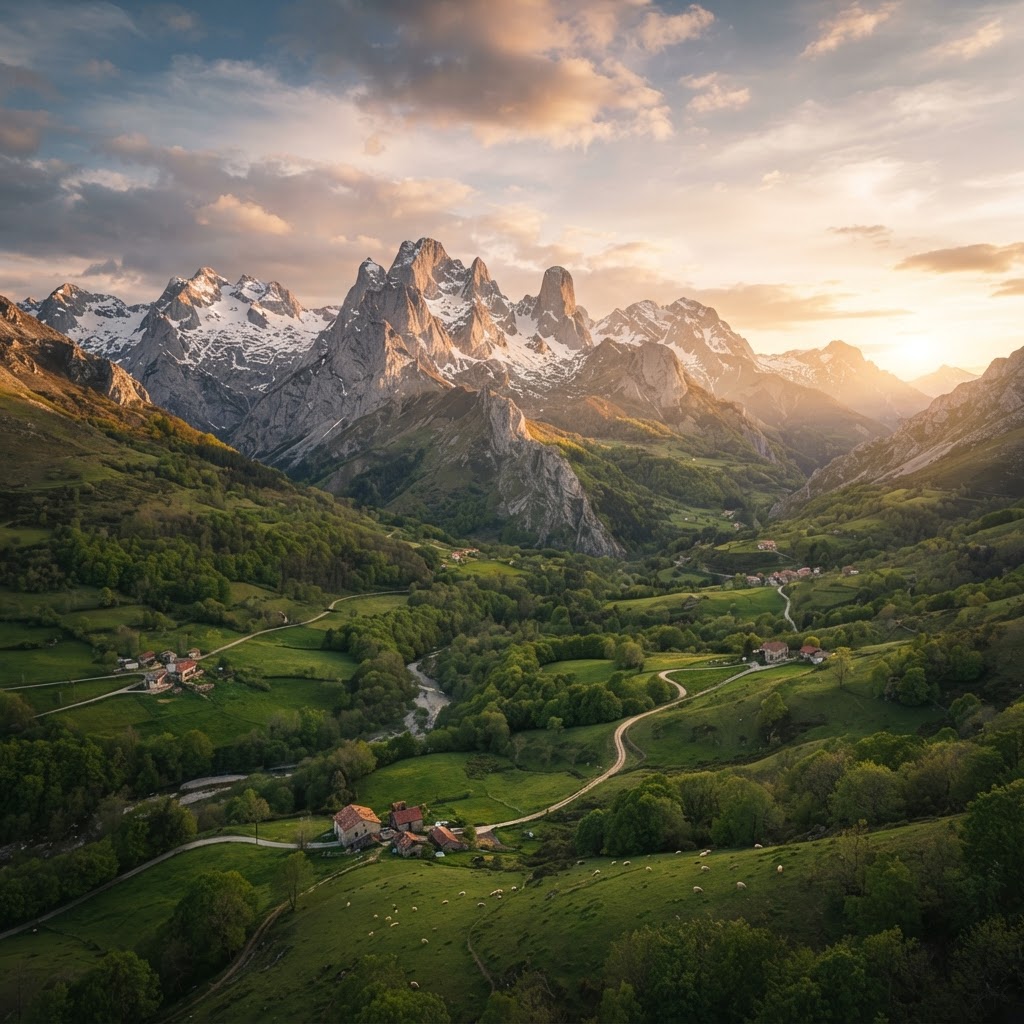
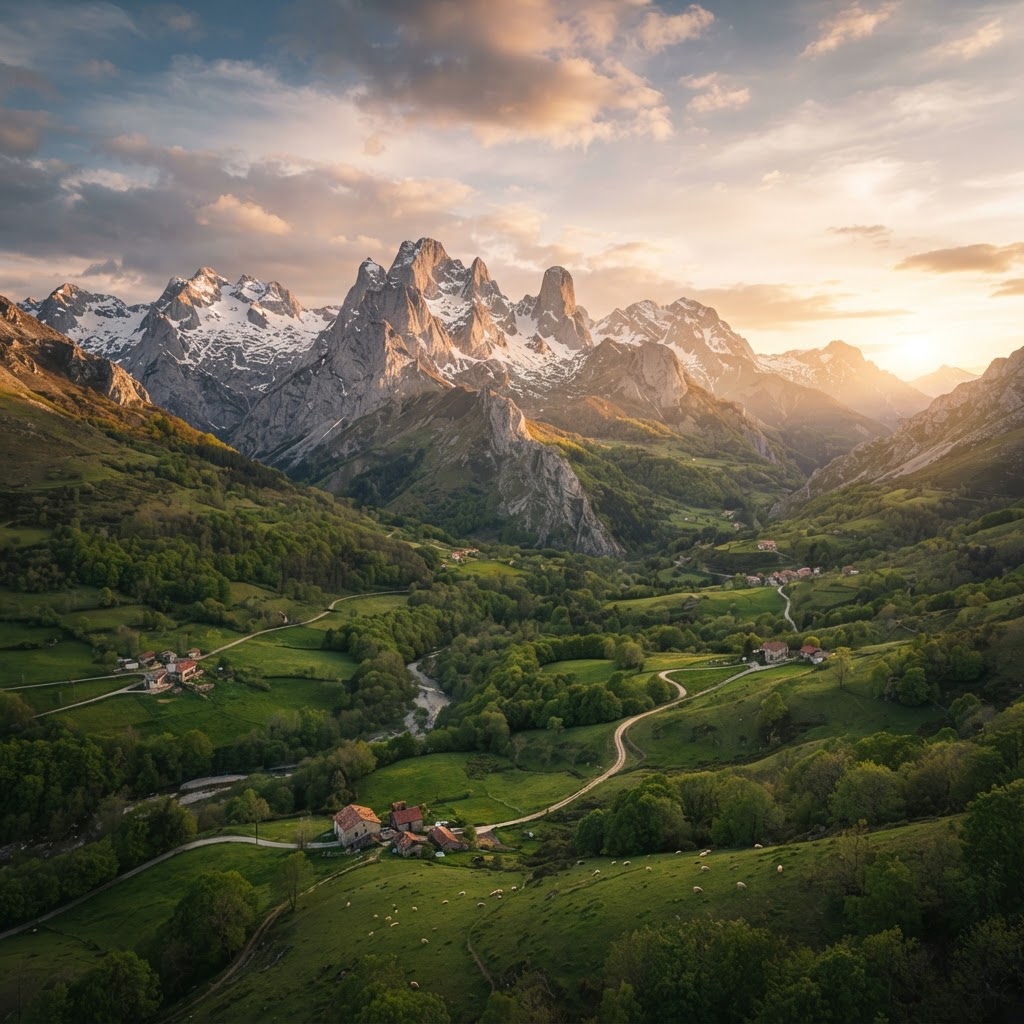
Unlike the dry, arid plains often associated with Spanish postcards, the northern coast is a lush, vibrant green paradise. Often referred to as ‘Green Spain,’ this region offers a completely different aesthetic experience defined by the Atlantic climate, which keeps temperatures moderate even in mid-July. This environment supports a distinct agricultural and culinary identity, heavily focused on mountain livestock and seafood.
Why the North Should Be Your Next Stop
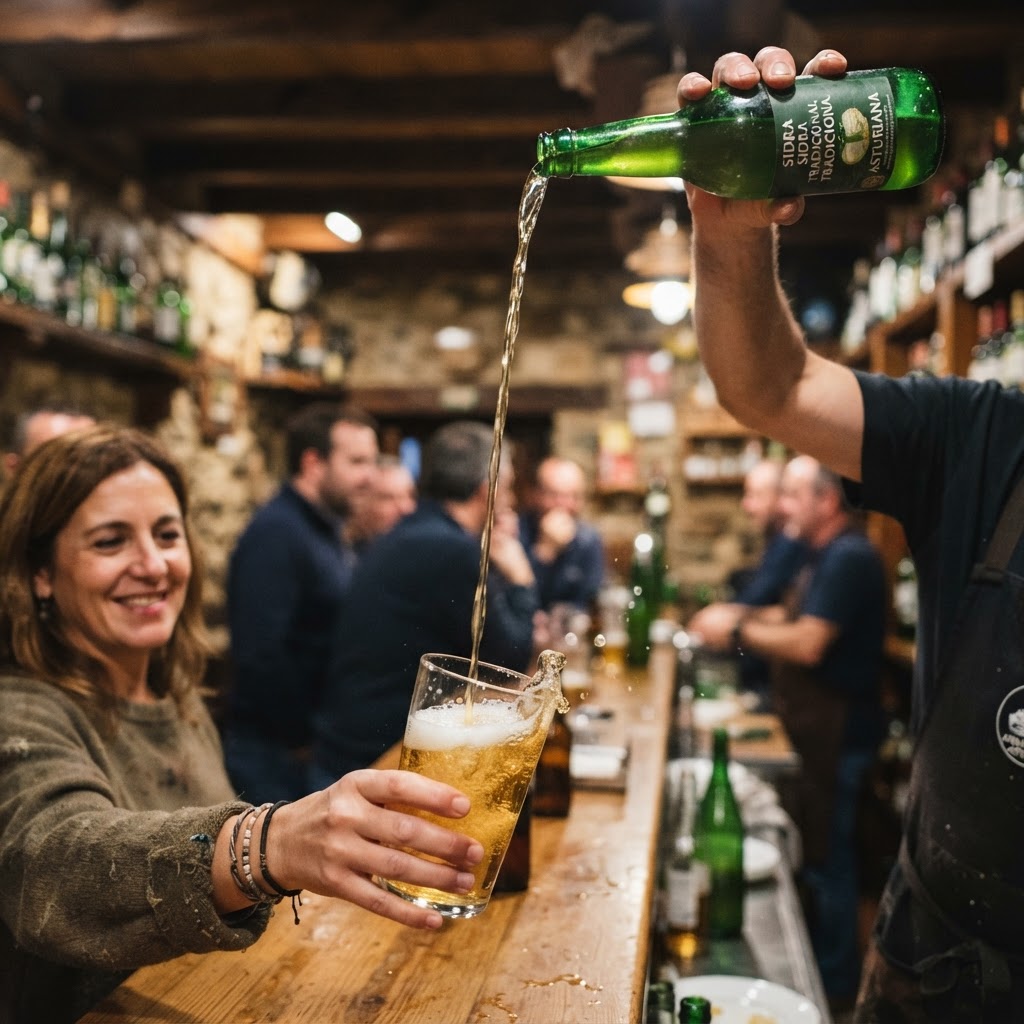
In Cantabria, you can explore the prehistoric cave art of Altamira, a UNESCO World Heritage site featuring paintings dating back over 36,000 years, or wander the medieval streets of Santillana del Mar. Meanwhile, Asturias is home to the Picos de Europa, a jagged mountain range with peaks reaching 2,648 meters. This region is famous for its unique cider culture, where “escanciadores” pour cider from heights above their heads to achieve the perfect aeration. The culinary scene is dominated by “fabada asturiana,” a rich bean stew, and over 40 varieties of locally produced artisanal cheeses. Expect to pay roughly 30-40% less for meals and lodging compared to the high-demand urban centers of Barcelona.
| Region | Best For | Typical Climate | Highlight |
|---|---|---|---|
| Asturias | Hiking & Nature | Temperate/Rainy | Picos de Europa |
| Cantabria | Prehistoric History | Oceanic | Altamira Cave |
The Medieval Majesty of Castile and León
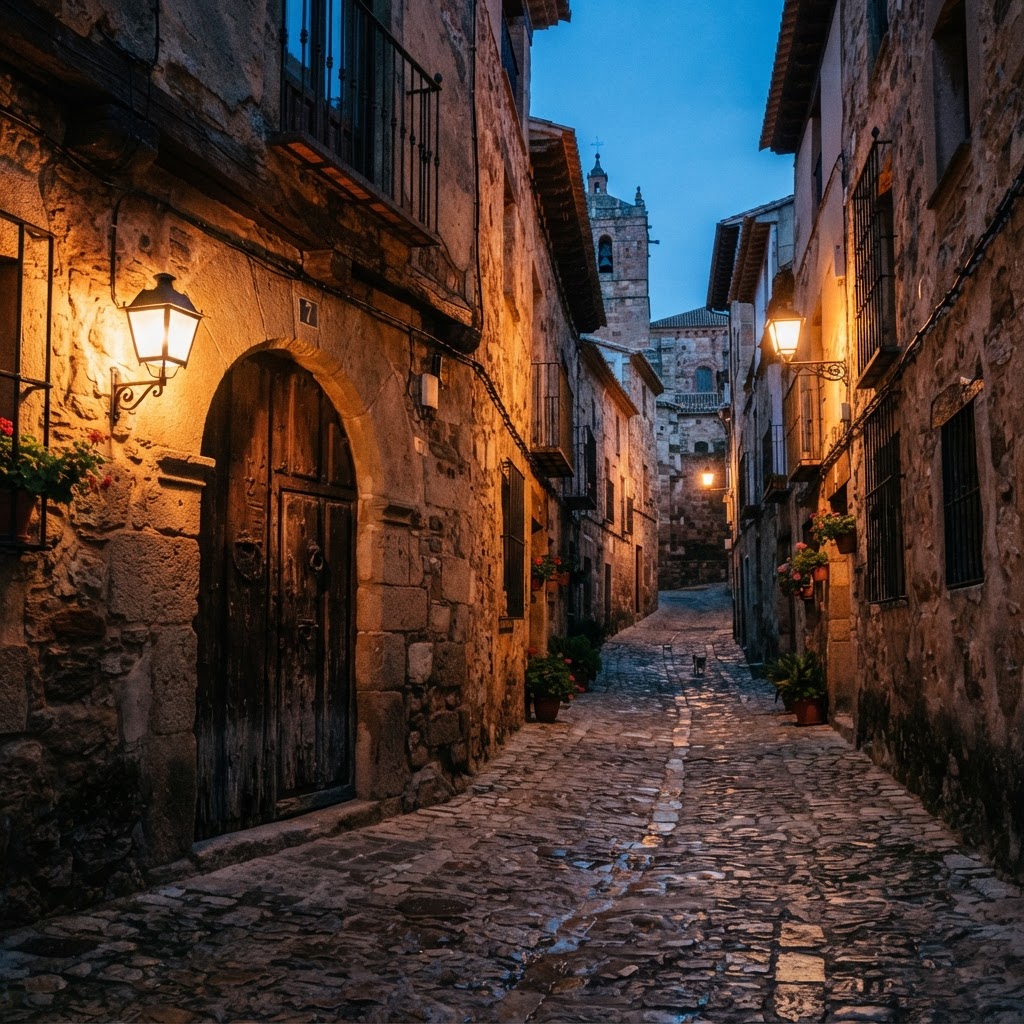
If your interest lies in history and architecture, the region of Castile and León is an essential destination representing the heartland of old Spain. This landlocked territory is defined by high-altitude plateaus and a profound sense of historical gravity, serving as the crucible where the Castilian language—modern Spanish—was standardized during the Middle Ages.
Cities That Time Forgot
Segovia, located just 30 minutes from Madrid by high-speed train, serves as a gateway with its Roman aqueduct consisting of 167 arches built without mortar. Further west, Salamanca offers a vibrant academic atmosphere, anchored by the University of Salamanca, founded in 1218, making it one of the oldest in the Western world. Zamora and León offer even quieter experiences; the former boasts the highest concentration of Romanesque churches in Europe. Walking through these cities, you will encounter far fewer international tourists, allowing for genuine interactions with locals in traditional plazas. The architectural preservation here is maintained strictly by local heritage boards, ensuring that the visual landscape remains largely unchanged since the 16th century.
Cultural Highlights
- The Roman Aqueduct of Segovia: An engineering marvel still standing after two millennia.
- Salamanca University: One of the oldest universities in the world, founded in 1218.
- Ávila’s Walls: The most complete medieval fortifications in Spain, encircling the entire old town with 88 towers.
The Sun-Kissed Soul of Extremadura
Extremadura is one of Spain’s most underrated regions, offering a raw, authentic landscape of rolling plains and cork forests. Because it remains largely bypassed by major international tour groups, it provides an unfiltered look at Spanish provincial life, particularly in the historic centers of Mérida and Cáceres, both of which are protected UNESCO sites.
Walking Through History
Mérida features one of the best-preserved Roman theaters in the world, built in 15 BC, which still hosts the annual International Classical Theatre Festival. Cáceres is equally impressive, with a “Ciudad Monumental” that blends Roman, Moorish, and Renaissance architectural styles. The region is particularly quiet during the heat of July and August, when temperatures can exceed 40°C, making shoulder seasons like April-May or October-November ideal for visiting. Prices in Extremadura are among the lowest in the country, with high-quality local wine available for under 15 euros a bottle in most restaurants. Unlike the rapid pace of the capital cities, life in Extremadura is governed by tradition, with long afternoon breaks and a strong focus on community dining.
The Vibrant Traditions of Andalusia’s Lesser Cities
While the tourist corridors of Seville and Granada draw millions, smaller Andalusian cities preserve a more intimate look at southern Spanish life and the distinct Moorish legacy. These towns are not just historical sites but active hubs of industry and culture, particularly regarding the production of Sherry wine and high-end olive oil.
Beyond the Popular Circuits
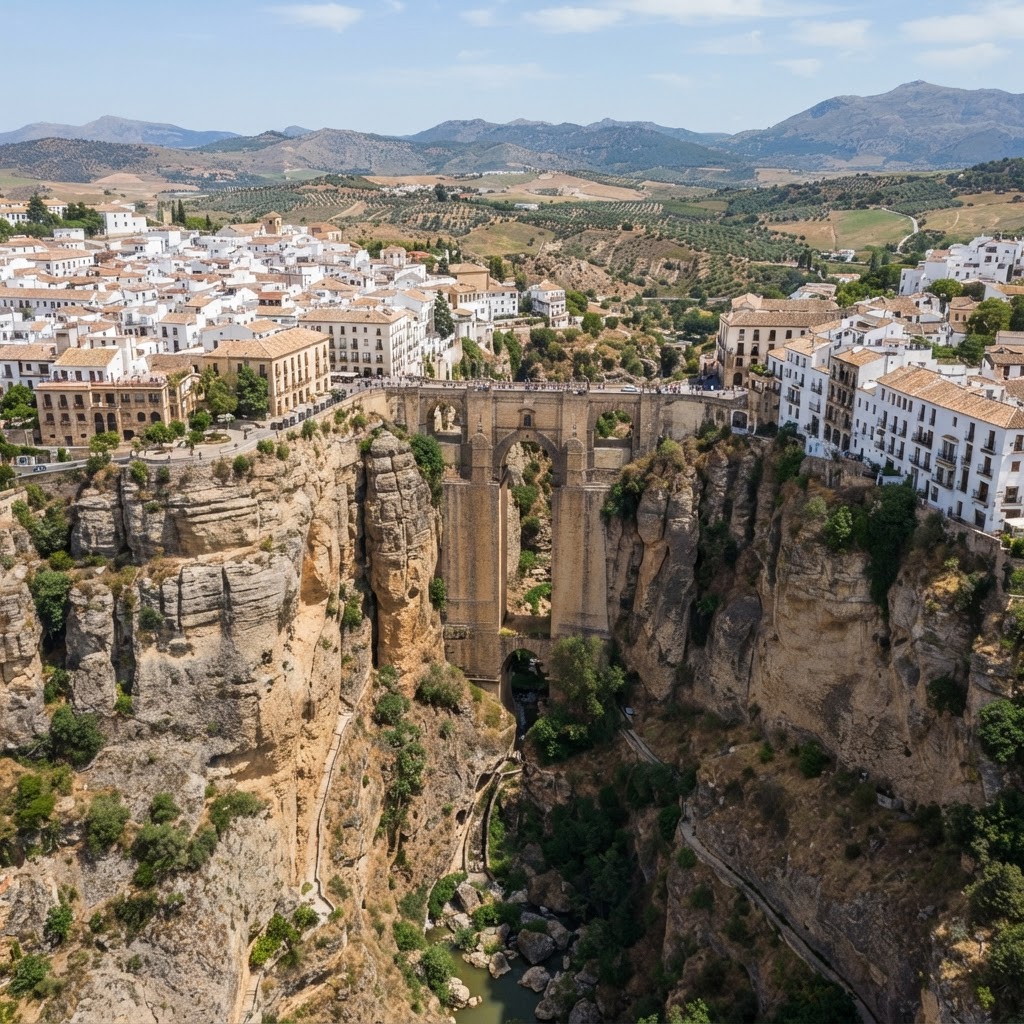
Jerez de la Frontera is the global capital of sherry and home to the Royal Andalusian School of Equestrian Art, where you can watch performances of “dancing horses.” Ronda, situated atop a 120-meter gorge called El Tajo, provides views that rank among the most spectacular in Europe. Travelers seeking the authentic Spanish ‘feria’ experience should visit these towns during their patron saint celebrations, where local dress and traditional music define the atmosphere. In these smaller cities, the practice of serving complimentary tapas with beverage orders is still common, providing significant value and a chance to sample local specialties like ‘jamón ibérico’ or fried ‘cazón’ (dogfish).
Gastronomic Delights
- Sherry Wine Tastings: Explore the historic ‘bodegas’ in Jerez, some operating since the 18th century.
- Tapas Culture: Smaller Andalusian bars often provide free, high-quality tapas with every drink purchase.
- Olive Oil Routes: Visit the vast, rolling hills of Jaén, which produces over 20% of the world’s olive oil.
Coastal Retreats: Beyond the Costa Brava
Many travelers flock to the famous Mediterranean coasts, but there are stretches of shoreline that remain relatively pristine. The Costa de la Luz in the southwest, for instance, offers massive, wind-swept sand dunes and golden sunsets that are perfect for those who dislike the high-rise hotel culture of other tourist areas.
Finding Your Private Beach
In the province of Almería, the Cabo de Gata-Níjar Natural Park offers a volcanic landscape that meets crystal-clear waters. It is a place for slow travel, where you can rent a small house in a sleepy fishing village and spend your days swimming in hidden coves. The contrast between the stark, desert-like hills and the turquoise sea creates a photographer’s dream environment. Unlike the crowded beaches of the north-east, these coastal areas offer solitude and natural beauty, with many coves accessible only by hiking or private transport.
Practical Tips for Your Off-the-Beaten-Path Journey
Traveling to the real Spain requires a slightly different approach than visiting major cities, primarily due to the logistical challenges of rural transportation. Renting a car is highly recommended as it provides the flexibility to reach remote villages that are not serviced by the Renfe train network or regional bus lines.
Respecting Local Life
When you leave the big cities, remember that the ‘siesta’ is still very much a part of the daily rhythm. Many shops and local businesses will close between 2:00 PM and 5:00 PM. Embrace this; it is the perfect time to enjoy a long, leisurely lunch or to rest before the evening’s activities. Learning a few basic phrases in Spanish will also go a long way in these regions where English is less commonly spoken. Locals generally appreciate the effort and will be far more willing to share their recommendations for the best hidden restaurants and scenic overlooks.
| Feature | Major Cities (Madrid/BCN) | Rural/Hidden Spain |
|---|---|---|
| Transport | High-speed rail / Metro | Car rental essential |
| Cost | Premium | Budget-friendly |
| Language | English common | Spanish preferred |
| Pace | Rapid/Tourist-heavy | Relaxed/Local |
FAQ
Q: Is it necessary to speak Spanish to travel in rural Spain?
While English is widely spoken in major tourist hubs, learning basic conversational Spanish is essential for navigating rural areas. Locals in smaller towns rarely speak English, and knowing key phrases for ordering food or asking for directions will significantly improve your travel experience.
Q: What is the best time of year to visit non-tourist Spain?
The ideal time to visit is during the shoulder seasons, specifically from April to June or September to October. During these months, you avoid the extreme summer heat of central and southern Spain while benefiting from smaller crowds and more manageable prices for accommodation.
Q: Are there high-speed train options for rural areas?
While Spain has an extensive high-speed rail network (AVE), it primarily connects major metropolitan areas like Madrid, Barcelona, Seville, and Valencia. For exploring smaller towns and hidden regions, you will likely need to rely on local bus services or, preferably, a rental car.
Q: How much should I budget per day in smaller Spanish towns?
You can comfortably travel in rural Spain on a budget of 70-100 euros per person per day. This budget covers mid-range hotel accommodation, daily meals at local restaurants including wine, and small activity fees, which is significantly lower than the daily cost in Barcelona or Madrid.
Leave a Reply