
10 Most Photogenic Streets in Valencia You Must Visit
The most photogenic streets in Valencia are found in the historic El Carmen district, the vibrant Ruzafa neighborhood, and the elegant Carrer de la Pau, offering a mix of medieval alleys, colorful bohemian street art, and grand 19th-century architecture perfect for high-quality photography.
The Charm of the El Carmen District
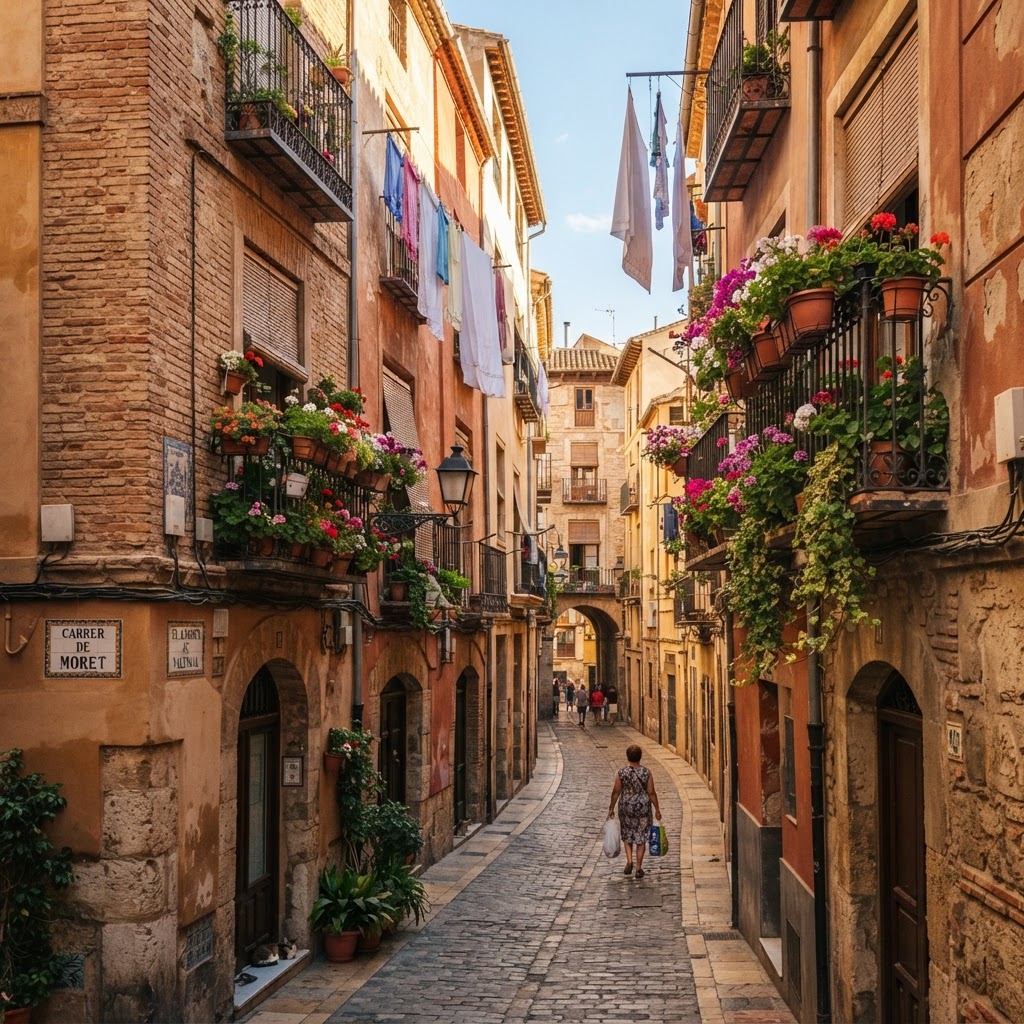
The El Carmen neighborhood serves as the beating heart of Valencia’s Ciutat Vella, providing the highest concentration of photogenic streets for those seeking authentic medieval aesthetics. Within these labyrinthine alleys, photographers encounter a striking juxtaposition between 14th-century stone walls and modern, high-contrast murals. The district is defined by its narrow passages, where building density creates a “canyon effect” that funnels light uniquely during different times of the day.
Capturing the Medieval Essence
One of the best ways to photograph El Carmen is to visit during the “golden hour,” when the soft sunlight spills into the tight spaces, highlighting the textures of the old brick walls. Focus on the details: the iron-wrought balconies overflowing with geraniums, the intricate ceramic tile work (azulejos) on doorway arches, and the weathered textures of centuries-old shutters. These small elements define the character of the city. For optimal results, aim for a shutter speed of at least 1/250s to capture street movement while maintaining clarity on static architectural details.
Recommended Streets to Explore
If you are looking for specific spots, start by walking down Carrer de Quart. It is one of the most significant historic streets, leading you right up to the famous Quart Towers. The scale of the towers against the narrow street creates a sense of grandeur that is difficult to capture elsewhere. The street remains open to foot traffic for the majority of the day, allowing for unobstructed wide-angle shots of the twin gothic towers.
Ruzafa: A Burst of Color and Creativity
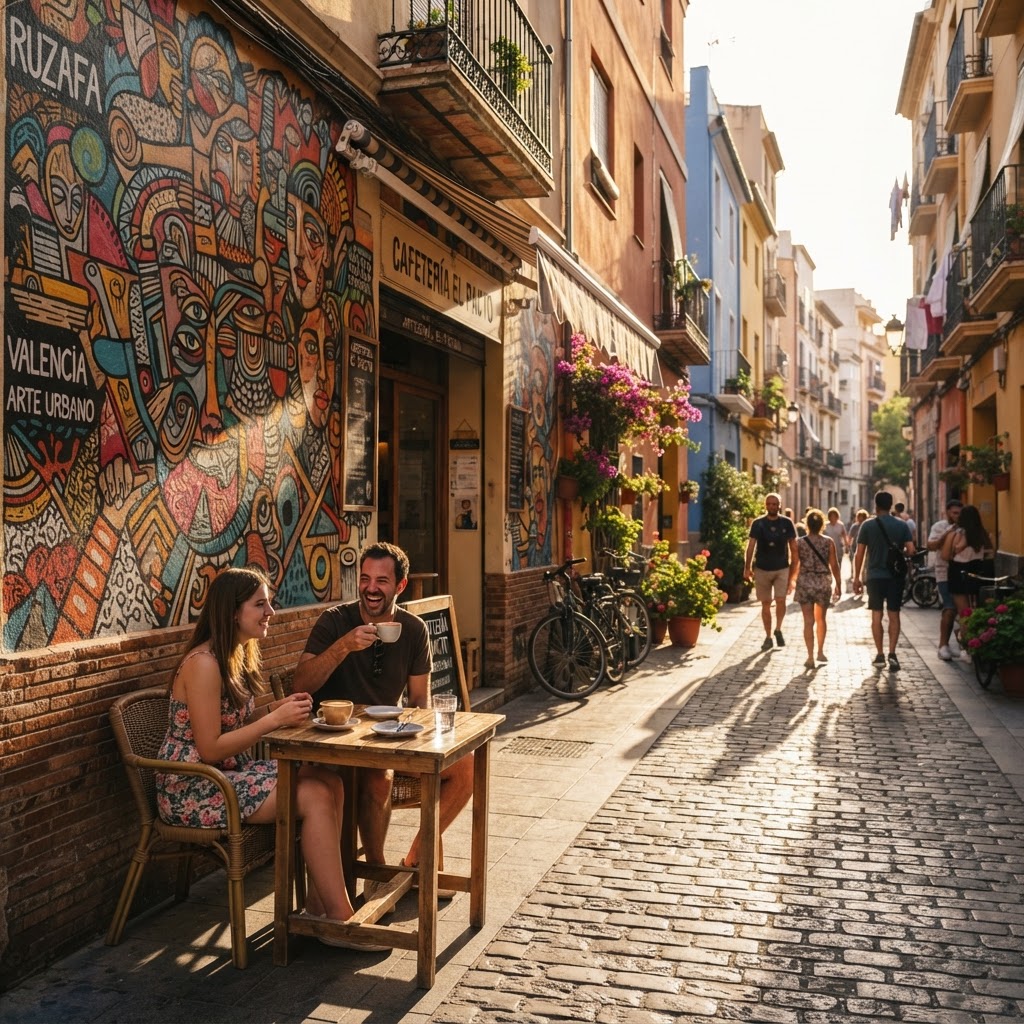
Ruzafa is Valencia’s premier creative hub, characterized by wider boulevards, pastel-hued townhouses, and a high density of street art that makes it a prime location for vibrant, modern lifestyle photography. Unlike the medieval core, Ruzafa features late 19th-century urban planning, which offers better angles for wider focal lengths. The neighborhood is particularly noted for its eclectic mix of concept stores and specialty cafes, which provide dynamic foreground elements for your street shots.
The Mural Culture
Ruzafa is famous for its ever-changing street art. Many of the walls are treated as canvases by local and international artists, making every visit a fresh experience. When framing your shots, try to incorporate the local architecture—the pastel-colored houses with bright green or yellow shutters make for a quintessentially Spanish street photography look. Look for the murals near Carrer de Cadis, which often feature large-scale political and social commentary that makes for compelling visual storytelling.
Why Photographers Love Ruzafa
The neighborhood feels alive and dynamic. By capturing the people interacting with the space—a barista opening their shop, a local resident riding a bike, or sunlight hitting a colorful storefront—you can tell a compelling story through your images. It is not just about the buildings; it is about the energy that defines these photogenic streets in Valencia. Local cafes here typically open around 8:30 AM, offering a 90-minute window for quiet photography before the midday crowds arrive.
Plaza Redonda and Its Surrounding Alleys
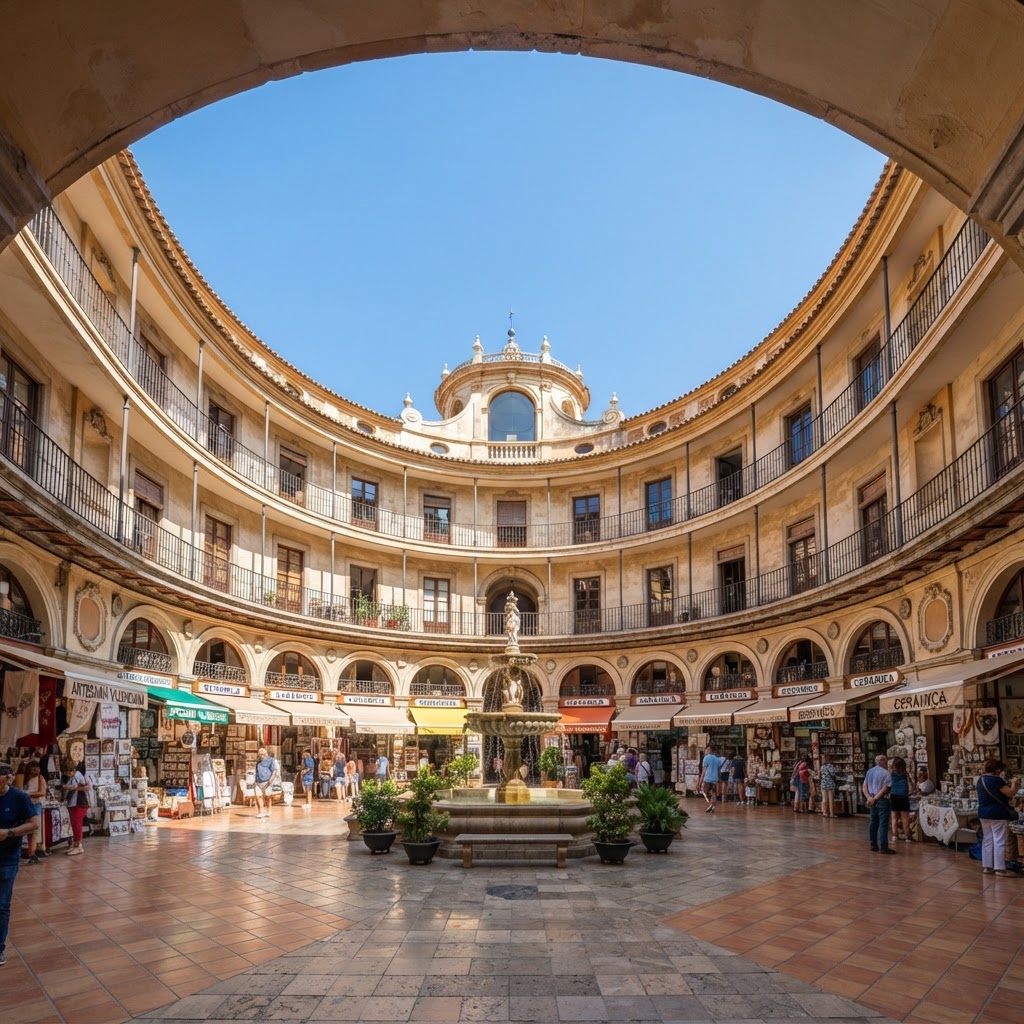
Plaza Redonda, or the Round Square, serves as an architectural anomaly in Valencia, offering perfect geometric symmetry that is ideal for structured, minimalist photography. Originally designed in 1840, this space is surrounded by a four-story building perimeter, creating a “well” of light that provides soft, diffused illumination during most of the daylight hours. It is an ideal location to practice centering and radial composition.
Architecture and Symmetry
The inward-facing balconies and the circular fountain in the center provide a balanced composition for your photos. When walking through the covered passages that lead into the square, the light creates interesting shadows that can be used to add depth and drama to your portraits. It is a quiet oasis of calm, perfect for capturing a more traditional side of Spanish life. Visitors should note that the central market stalls in the plaza usually begin operating around 10:00 AM, so arriving earlier is best for clean, structural shots.
The Artistic Vibe of the Jewish Quarter
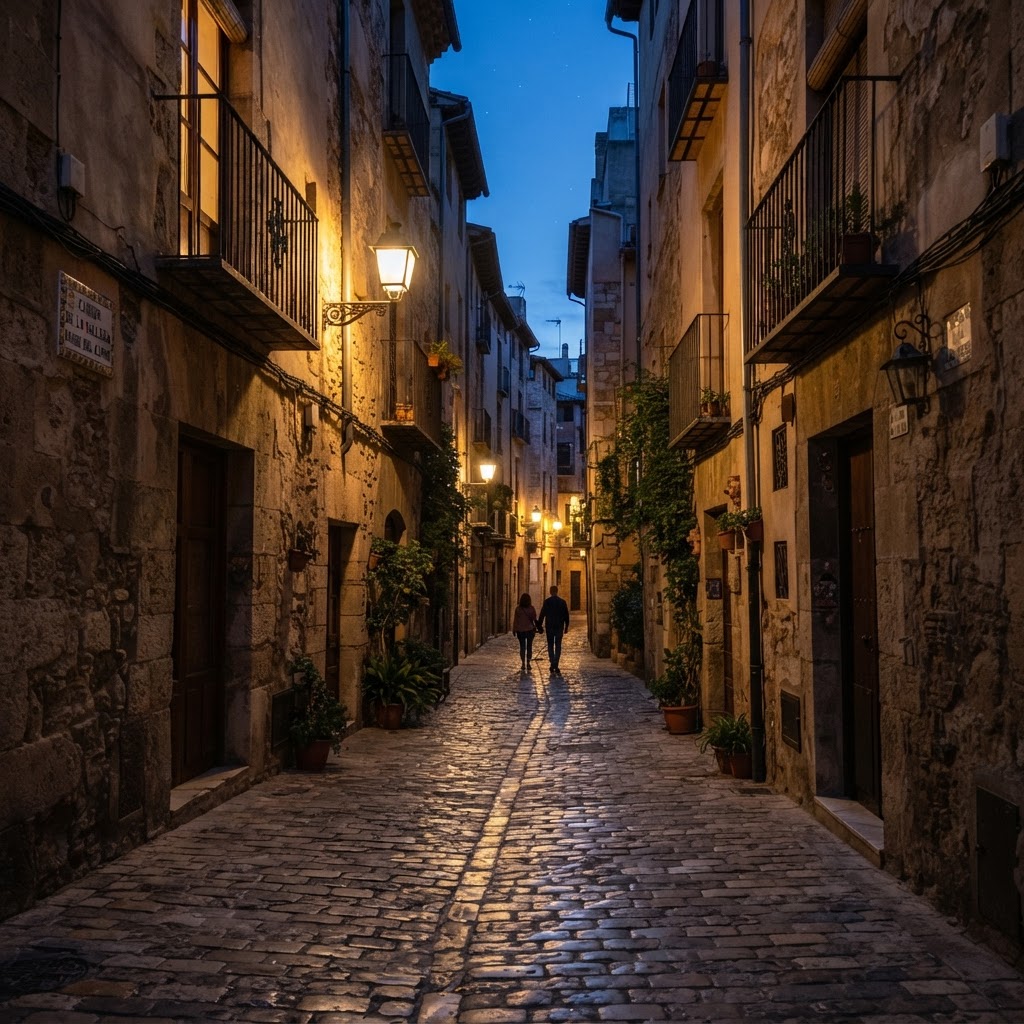
The Jewish Quarter, or the Barrio de la Judería, provides the most atmospheric and mysterious photography conditions in Valencia due to its dense, winding layout and preserved medieval stonework. The streets here are significantly narrower than in other parts of the city, often measuring less than three meters in width, which creates dramatic light-dark contrasts that are perfect for black and white photography.
Focusing on Hidden Details
In this part of the city, look for the subtle decorative elements on the house fronts. Many buildings here retain original stone carvings that date back hundreds of years. Using a wider aperture to blur the background while keeping the crisp details of a stone archway in focus will result in high-quality, professional-looking images. Pay close attention to the street level, as the original cobblestones often feature unique patterns that add a sense of history to your frame.
Carrer de la Pau: Elegance and Grandeur
Carrer de la Pau is the city’s primary artery for grand, 19th-century European-style architecture, offering a sophisticated backdrop characterized by ornate balconies and expansive, light-filled streetscapes. The street’s width allows for high-quality architectural shots that don’t suffer from the distortion often found in tighter historic alleys. This is the ideal location for portrait photography that requires a clean, upscale, and uniform backdrop. If you enjoy capturing picturesque cityscapes, you might also want to check out the best Santorini balcony views for inspiration on how to frame iconic architectural settings.
The Golden Hour Advantage
Because this street is wider and more open, it captures the afternoon light beautifully. The grand buildings reflect the sun, creating a warm, golden glow that is incredibly flattering for portraits. Whether you are photographing the architecture or doing a fashion-style shoot, the scale of Carrer de la Pau offers a clean and elegant backdrop. The street is generally best shot between 5:00 PM and 7:00 PM in the summer months for the best light reflection off the cream-colored facades.
Photography Planning Guide
Tips for Perfect Street Photography in Valencia
To ensure you capture the best images, follow these professional tips:
- Wake up early: The streets are empty at 7:00 AM, allowing for clean shots without crowds.
- Look up: Many beautiful architectural details are above eye level.
- Use natural light: The Mediterranean sun can be harsh; avoid midday if possible.
- Wear comfortable shoes: You will walk for miles discovering these hidden gems.
- Bring a prime lens: A 35mm or 50mm lens is ideal for street photography.
FAQ
Q: What is the best time of year to visit Valencia for photography?
Spring (April to May) and Autumn (September to October) are the best times for photography in Valencia. During these months, the Mediterranean light is softer, and the temperature is mild, allowing you to spend more time outdoors without the harsh heat or summer crowds.
Q: Do I need a permit to take professional photos in the streets?
For casual photography, you do not need a permit in public spaces in Valencia. However, if you are conducting a large-scale commercial shoot with tripods and professional lighting equipment, you may need to apply for a permit through the Valencia City Council (Ayuntamiento de Valencia).
Q: What lens focal length is best for the narrow streets of El Carmen?
A 35mm lens is the gold standard for the narrow streets of El Carmen. It is wide enough to capture the tall, cramped buildings without excessive distortion, but tight enough to isolate details like decorative balconies or vintage doorways.
Q: Are there any specific safety tips for photographers in the city?
Valencia is generally a safe city, but always keep your camera bag zipped and in front of your body in crowded areas like the Central Market or major tourist plazas. Avoid leaving expensive gear unattended on the ground while setting up tripod shots.
Q: Is drone photography allowed in the historic center?
Flying drones is strictly prohibited in the historic center (Ciutat Vella) of Valencia due to its proximity to urban density and historical heritage sites. Always check the official ENAIRE drone map before attempting any aerial photography in the region.
Leave a Reply