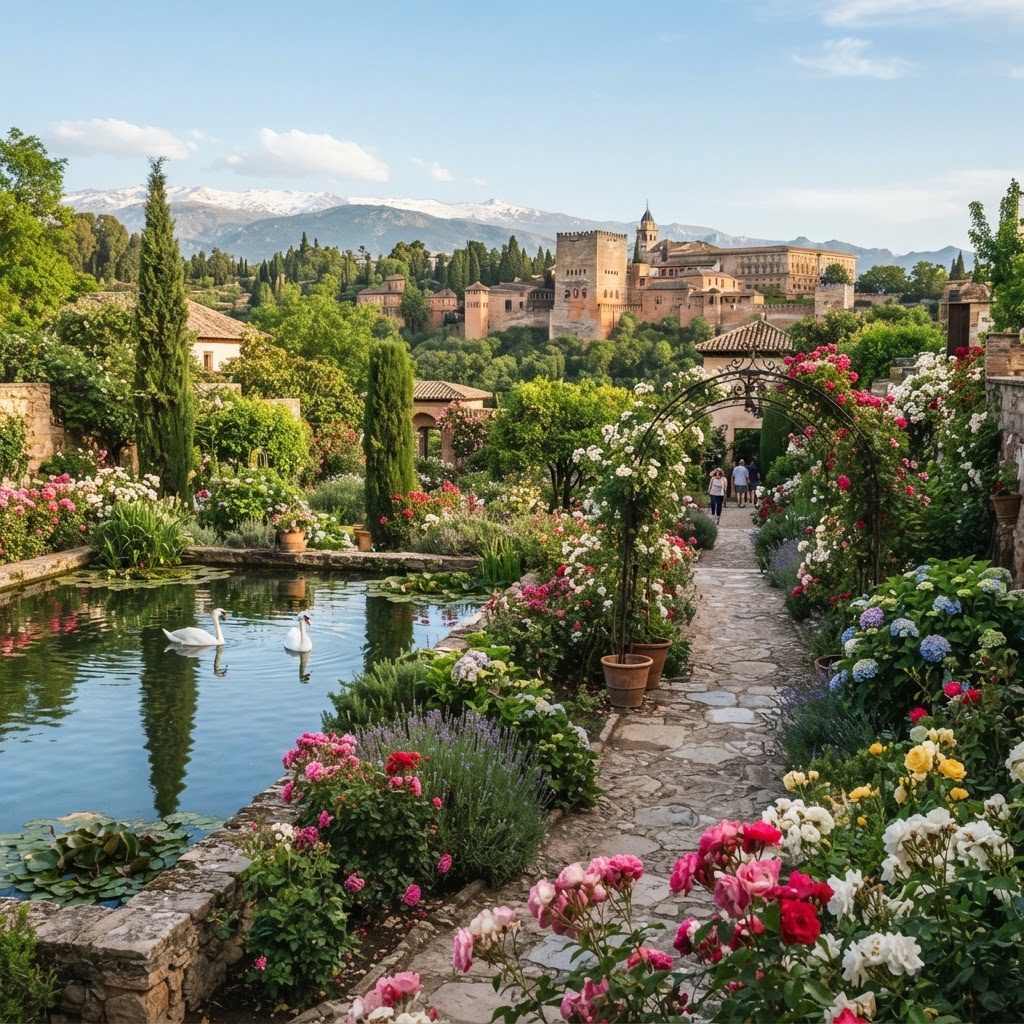
Granada’s most tranquil hidden gems include the lush Carmen de los Mártires, the historical Corral del Carbón, the peaceful Monastery of San Jerónimo, the local Jardines de la Victoria, and the evocative Huerta de San Vicente. These sites offer a necessary escape from the city’s dense tourist crowds while providing deep cultural immersion and authentic Andalusian serenity.
The Serene Beauty of Carmen de los Mártires
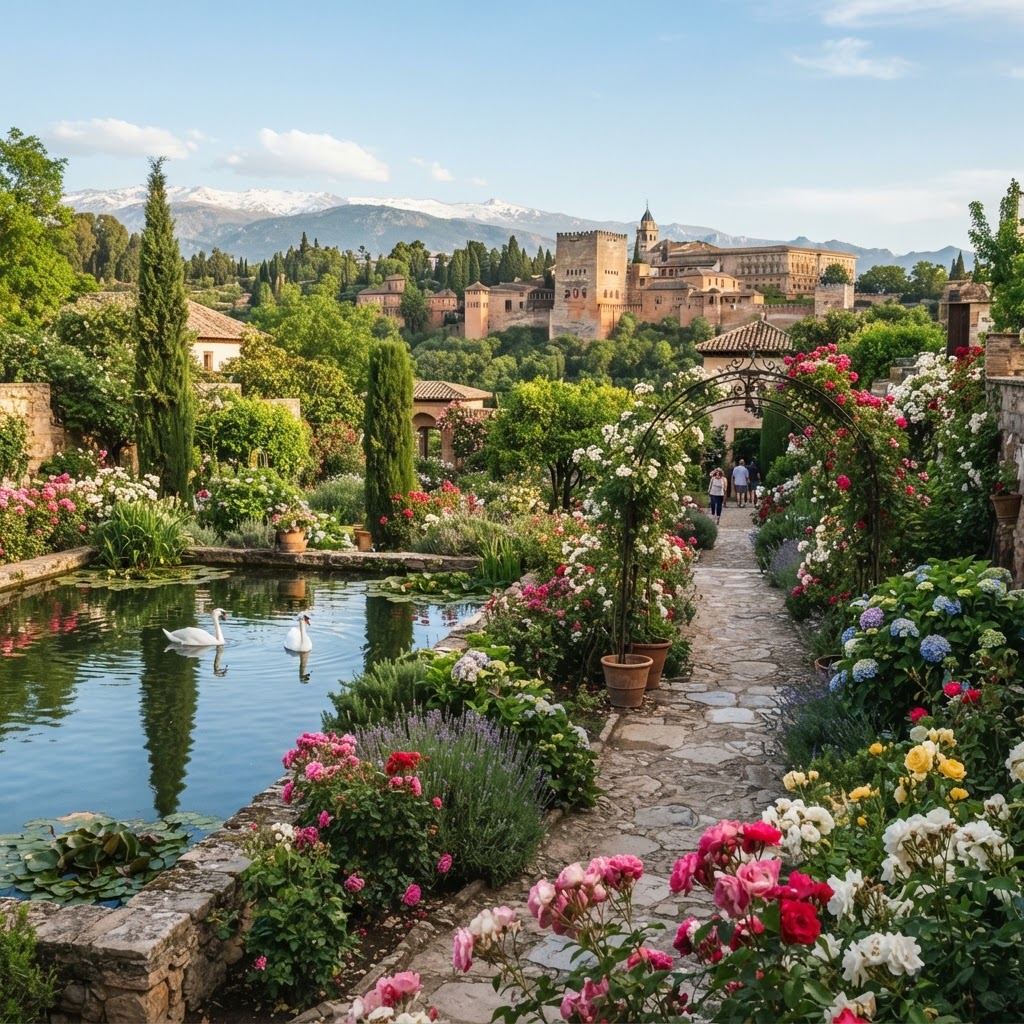
Nestled above the Generalife gardens, Carmen de los Mártires serves as an expansive public garden that stands as a sanctuary of peace, offering panoramic views of the Alhambra and the city below. The garden is perfectly situated for sunset visits when the light hits the ancient trees and the Alhambra walls with a golden glow. Spanning approximately 7 hectares, the grounds feature a complex design mixing French, English, and Nasrid garden styles.
The layout includes intricate pathways, fragrant rose gardens, and tranquil ponds home to graceful swans. Historically, the site was associated with the Catholic Monarchs; today, it is free to enter, making it a highly accessible peaceful place in Granada. Visitors can explore the romantic English-style gardens or find a secluded bench near mythological sculptures for quiet contemplation. The silence here is a sharp contrast to the nearby Alhambra, allowing for an intimate connection with the landscape. Whether you are reading a book or enjoying the sound of water features, this site remains one of the most underrated green spaces in the province.
| Feature | Details |
|---|---|
| Entry Fee | Free |
| Best Time to Visit | 9:00 AM or Sunset |
| Key Attraction | Alhambra Lookout Point |
| Accessibility | Moderate (some inclines) |
Uncovering the Secrets of Jardines de la Victoria
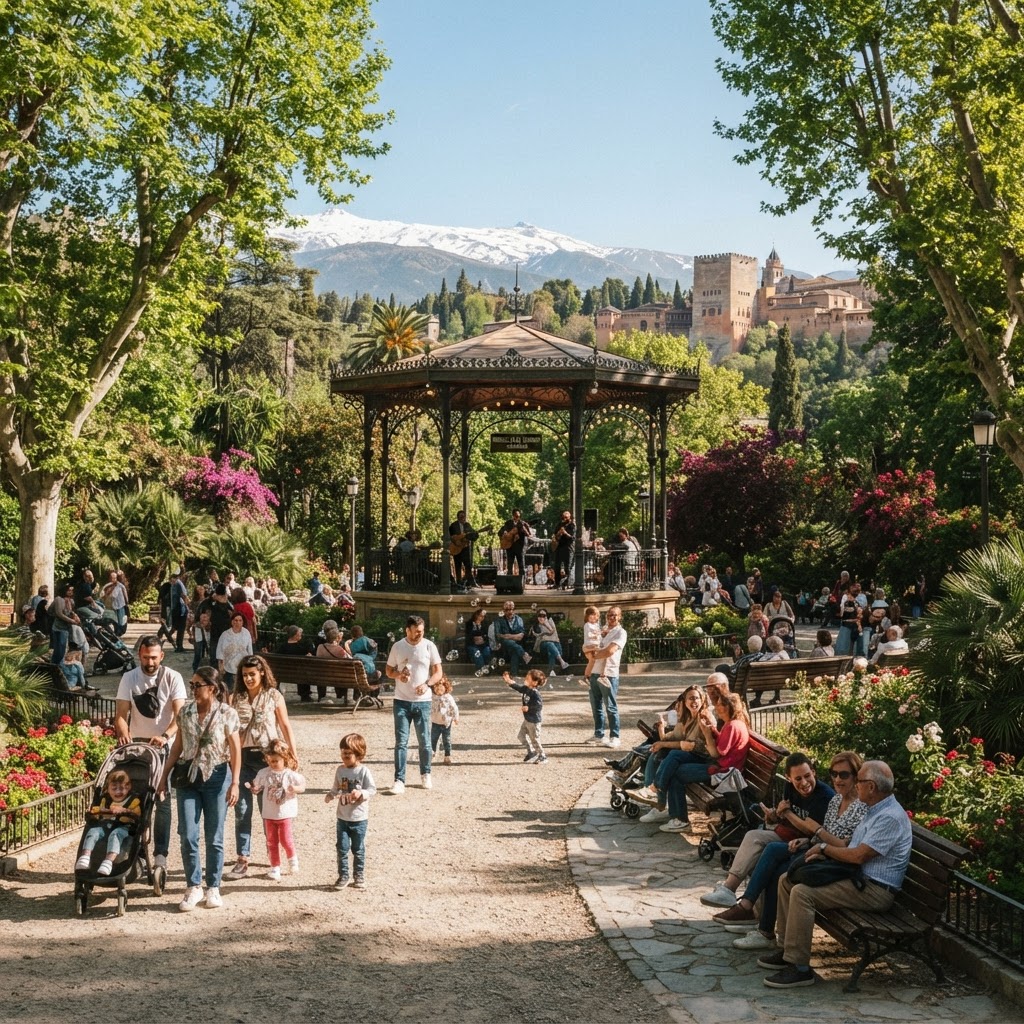
Jardines de la Victoria is a charming urban park located near the city center that functions as a vital local hub for relaxation, far removed from the primary tourist circuits. This garden acts as a ‘green lung’ for the area, featuring a diverse array of flora including mature palm trees, seasonal flowerbeds, and sprawling lawns that remain a quintessential hidden gem Granada residents frequent daily.
The park offers a variety of amenities, including children’s play areas, open spaces for picnics, and historical kiosks that serve refreshments. During certain seasons, the central bandstand hosts local music performances, providing an authentic slice of Spanish culture. Because it is positioned outside the historic Albaicin, it receives significantly fewer visitors than other sites, making it an ideal off the beaten path Granada experience. You can easily spend an afternoon here observing local life, listening to birdsong, and enjoying the shade of ancient trees. It represents the everyday beauty of the city, offering a quiet, unpretentious atmosphere that feels both welcoming and distinctly local.
Exploring the Enigmatic Corral del Carbón
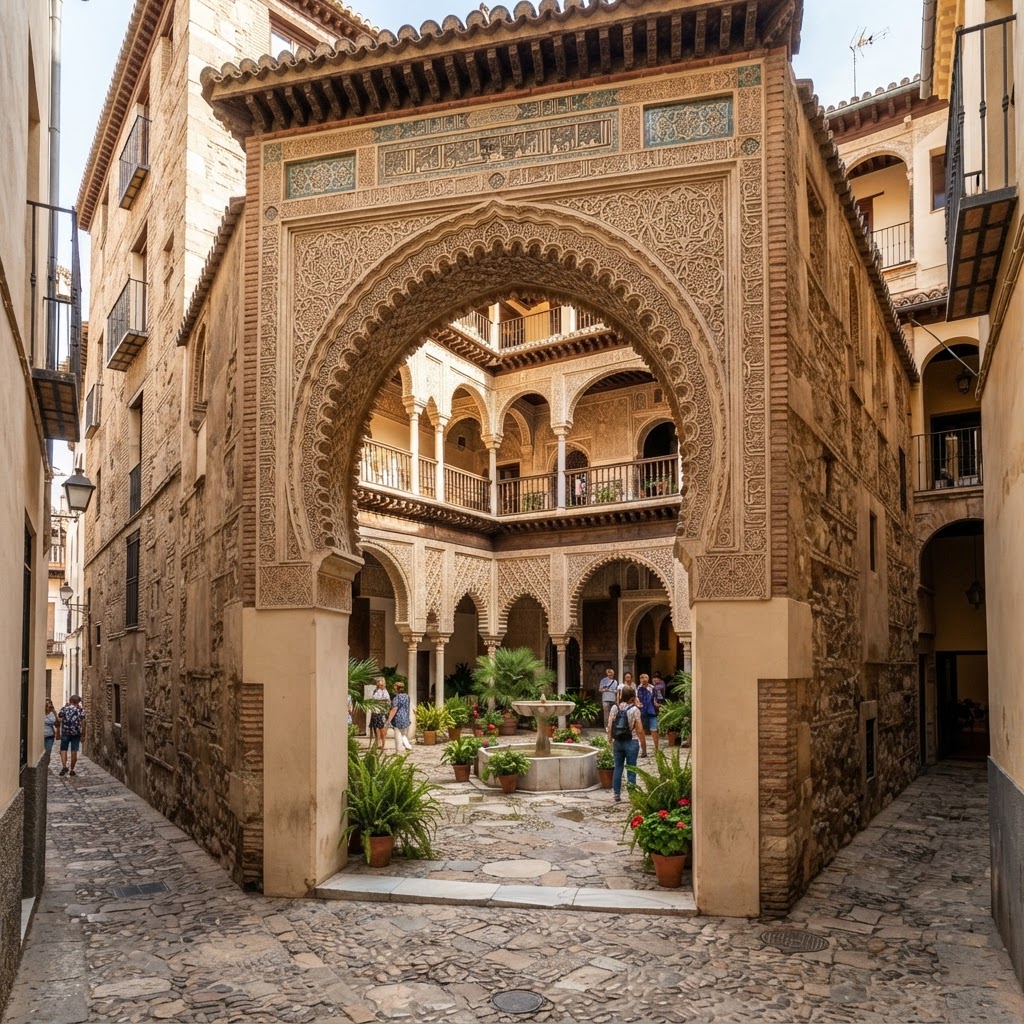
Corral del Carbón, dating back to the 14th century, is the oldest and best-preserved medieval caravanserai in Spain, serving as a rare monument to Granada’s rich mercantile history. This structure was designed as an inn for traveling merchants, and its imposing horseshoe-arched entrance is a masterpiece of Nasrid architectural design that transports visitors directly into the medieval era.
The three-story courtyard is surrounded by rooms that once stored goods and housed travelers; today, it is used as a cultural center, offering free entry for exhibitions and summer performances. The central fountain provides a calming acoustic backdrop, while the intricate brickwork and decorative stucco offer immense artistic value. Often overlooked by travelers rushing to the Cathedral nearby, this hidden gem Granada provides a fascinating look at Islamic structural influence. Adjacent to the site, remnants of an old Hammam offer a quiet moment of reflection, as the ruins suggest the social importance of these public baths during the Moorish period. It is a must-visit for history enthusiasts who value architectural integrity and atmospheric, quiet surroundings.
The Whispering Walls of the Old Hammam
Adjacent to the Corral lies the archaeological remnants of an old Arab bathhouse (Hammam). These stones tell a story of 11th-century social life and are essential for those studying the evolution of water management and social gathering spaces in ancient Andalusia.
The Tranquil Allure of the Albaicin’s Secret Courtyards
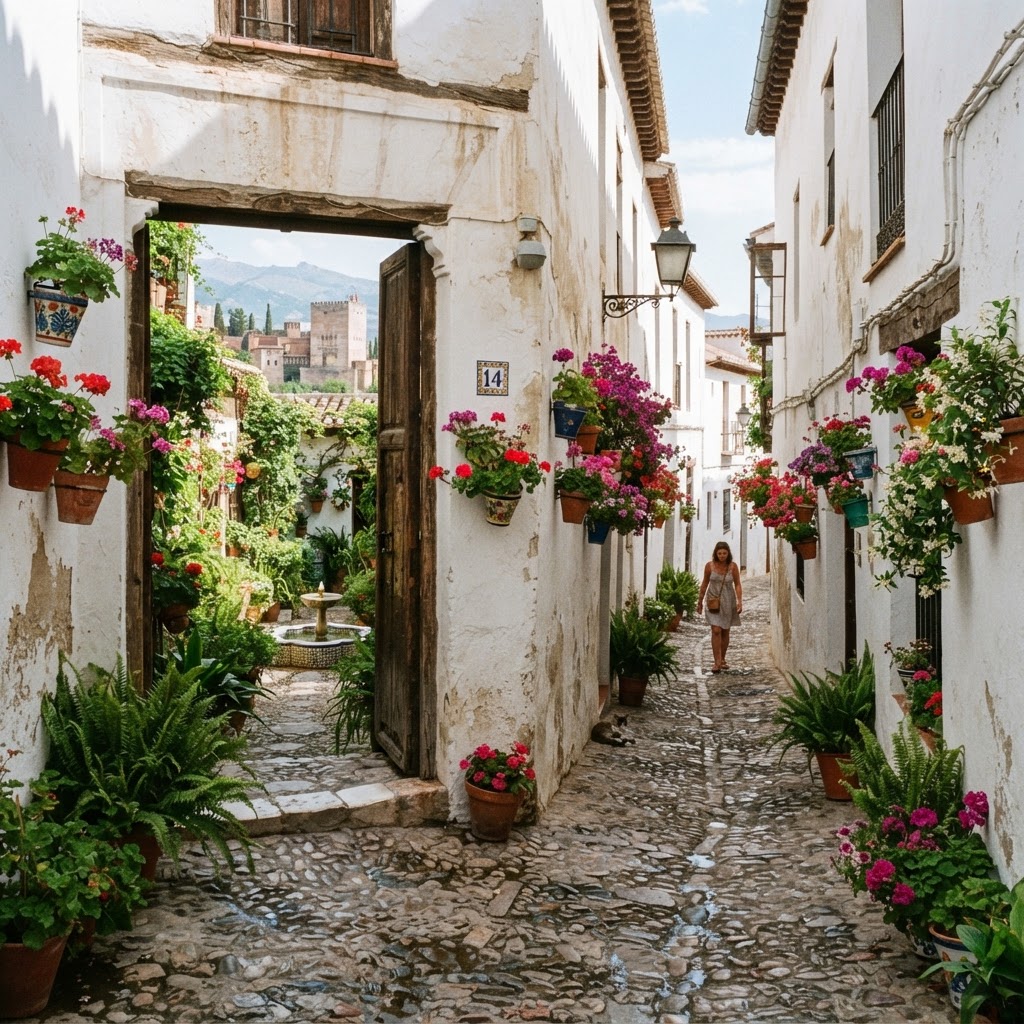
The Albaicin is famous for its labyrinthine streets, but its true magic resides in the ‘cármenes,’ or private courtyard gardens, which are the epitome of quiet corners of Granada. These houses are designed according to Islamic concepts of privacy, where the beauty of the home is directed inward toward a lush, water-filled garden rather than outward toward the street.
While most are private, visitors can identify these secret spots in Granada by looking for doorways adorned with jasmine and listening for the trickle of water, which is a hallmark of traditional Moorish landscape architecture. The design of a typical carmen includes fruit trees like pomegranate and orange, combined with shaded benches that create a microclimate of cooling peace. Exploring this area requires wandering off the main tourist drags to experience the authentic Albaicin architecture and the stillness behind the walls. It is highly recommended to visit in the morning when the scent of blooming flowers is at its peak and the streets are free from the mid-day rush of guided tours.
Finding Peace at the Monastery of San Jerónimo
Founded in 1492 by the Catholic Monarchs, the Monastery of San Jerónimo is a grand Renaissance masterpiece that offers a profound sense of spiritual and architectural tranquility. Unlike the overwhelming crowds at the Alhambra, this site provides a rare opportunity to explore massive cloistered courtyards and ornate baroque chapels without the constant noise of mass tourism.
The church features intricate carvings and high altarpieces, while the two-story cloister is known for its perfect geometric proportions and quiet orange tree gardens. The monastery also functions as a site of historical study, showcasing the power shift during the Reconquista era. It remains one of the most serene peaceful places in Granada, with well-preserved art that documents the city’s complex religious history. Because it is slightly removed from the central downtown core, visitors can enjoy a quiet, contemplative walk through its historical galleries, making it a hidden treasure for anyone looking to understand the deeper layers of Granada history.
| Site | Primary Appeal | Crowd Level |
|---|---|---|
| Alhambra | World Heritage Views | High |
| San Jerónimo | Renaissance Art/Silence | Low |
| Corral del Carbón | Medieval History | Low |
The Artistic Haven of the Huerta de San Vicente
Huerta de San Vicente served as the summer residence of Federico García Lorca and acts today as a living museum dedicated to the poet’s life and artistic process. The estate, located within Federico García Lorca Park, features a preserved 19th-century farmhouse surrounded by gardens that once inspired some of Lorca’s most famous works.
The interior displays the family’s original furniture and personal artifacts, while the surrounding grounds offer a quiet, shaded refuge from the city heat. This site is considered one of the most significant quiet corners of Granada, as it captures the emotional depth and creative energy of a literary icon. It is one of the essential secret spots Granada has for travelers interested in the intersection of poetry, art, and nature. By visiting this garden, you step into a tranquil space that feels removed from the modern city, perfectly mirroring the solitude the poet sought while writing here.
FAQ
Q: What is the best time of year to visit Granada’s hidden gems?
Spring (April to June) and Autumn (September to October) are ideal. The weather is mild, typically between 18°C and 25°C, making walking through outdoor gardens and historical sites significantly more comfortable than the intense heat of the summer months.
Q: Are these hidden gems accessible to tourists on a budget?
Most of these locations are either free to enter or charge a very nominal fee. For instance, the Corral del Carbón is free, and the gardens of Carmen de los Mártires provide a high-value, cost-free experience for any budget-conscious traveler visiting Andalusia.
Q: How do I find the best hidden courtyards in the Albaicin?
To find hidden courtyards, stick to the upper streets of the Albaicin away from the main shops. Listen for the sound of running water or look for open wooden doors that reveal lush interior greenery; always respect that these are private, occupied homes.
Q: Is the Monastery of San Jerónimo crowded?
Compared to the Alhambra, the Monastery of San Jerónimo receives very low foot traffic. It is an excellent alternative for visitors who want to enjoy Renaissance architecture and peaceful cloisters without waiting in long queues or dealing with large tour groups.
Leave a Reply