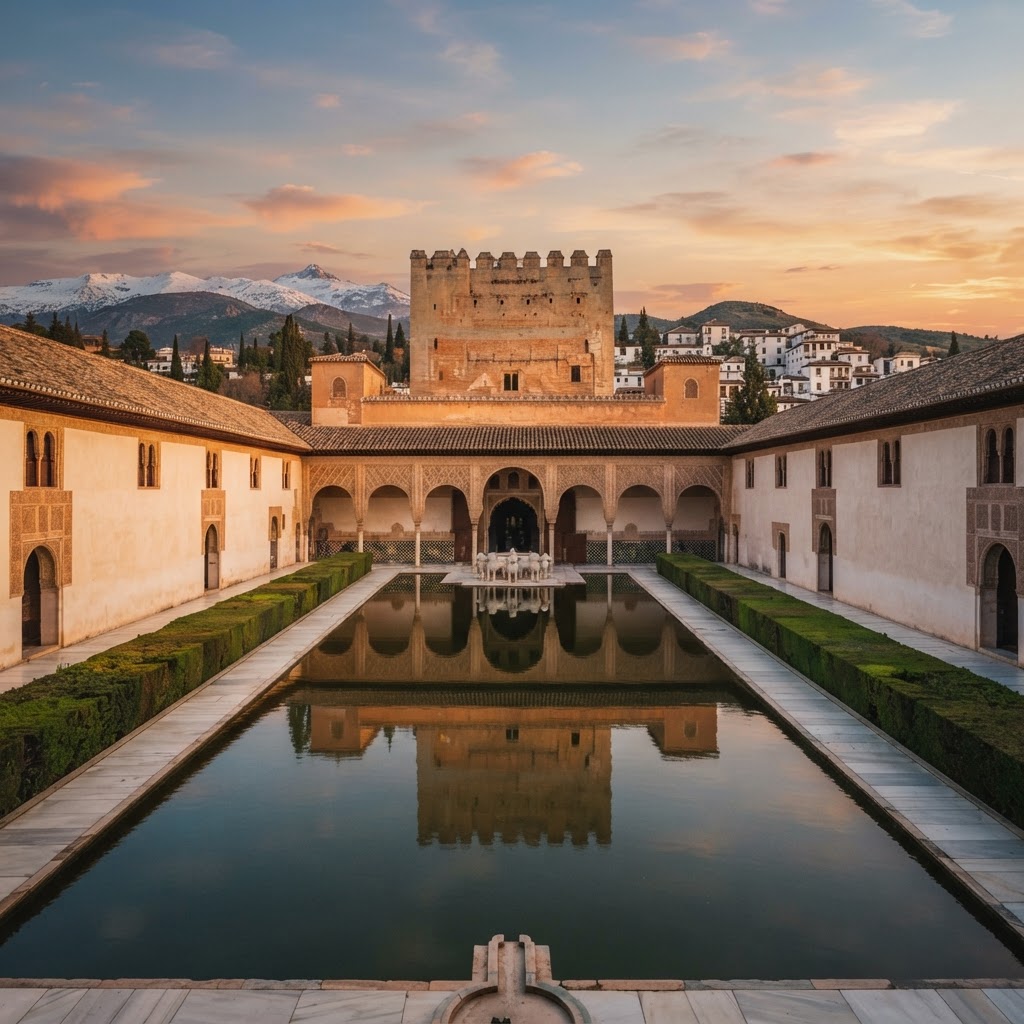
The study of Spain architecture reveals a tapestry of history woven into stone, brick, and tile. From the rugged arches of Roman aqueducts to the ethereal spires of Catalan Modernism, the built environment of the Iberian Peninsula stands as a testament to the diverse civilizations that have called this land home. Understanding the depth of Spain architecture is essential for any traveler looking to connect with the soul of the country. Whether wandering through the narrow alleys of a medieval village or standing beneath the soaring vaults of a grand basilica, visitors are constantly reminded that the landscape is a living museum of human ingenuity and cultural fusion.
The Roman Legacy and Early Foundations
The foundation of monumental building in the country began with the Roman Empire. Roman ruins scattered across the peninsula serve as the first major influence on the local aesthetic. The Aqueduct of Segovia remains one of the best-preserved examples of ancient civil engineering in the world. Its massive granite blocks, held together without mortar, show the precision that characterized Roman design. These structures laid the groundwork for future builders, introducing the use of arches and durable stonework that would become hallmarks of later regional styles.
The Golden Age of Moorish Design
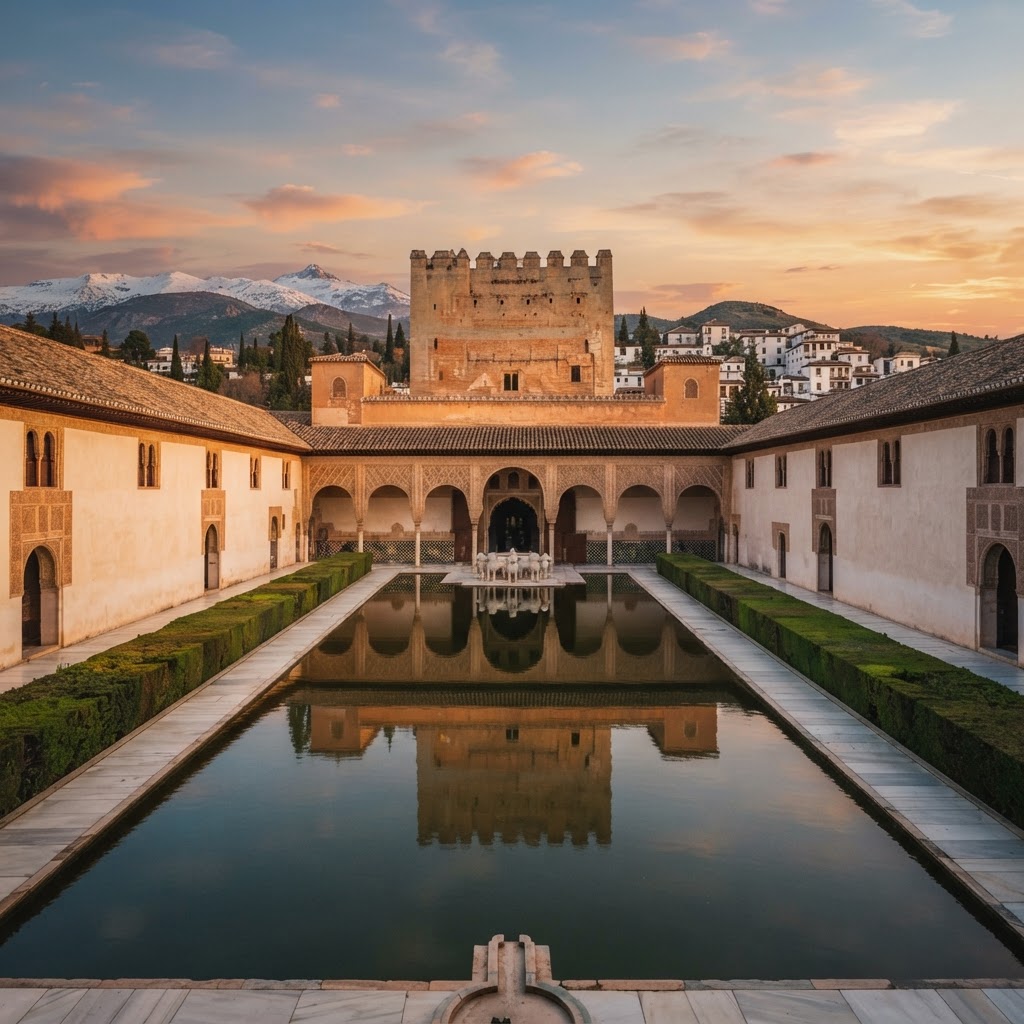
Perhaps no era transformed the landscape as dramatically as the centuries of Moorish influence. The introduction of intricate geometric patterns, horseshoe arches, and lush courtyard gardens shifted the focus from purely structural to highly decorative and atmospheric spaces. The Alhambra in Granada represents the pinnacle of this period, where water features and ornate stucco work combine to create a sensory experience unlike any other. The interplay of light and shadow within these palaces is a hallmark of Moorish design, proving how architecture could serve as a bridge between the physical and the spiritual.
The Mezquita-Catedral de Córdoba
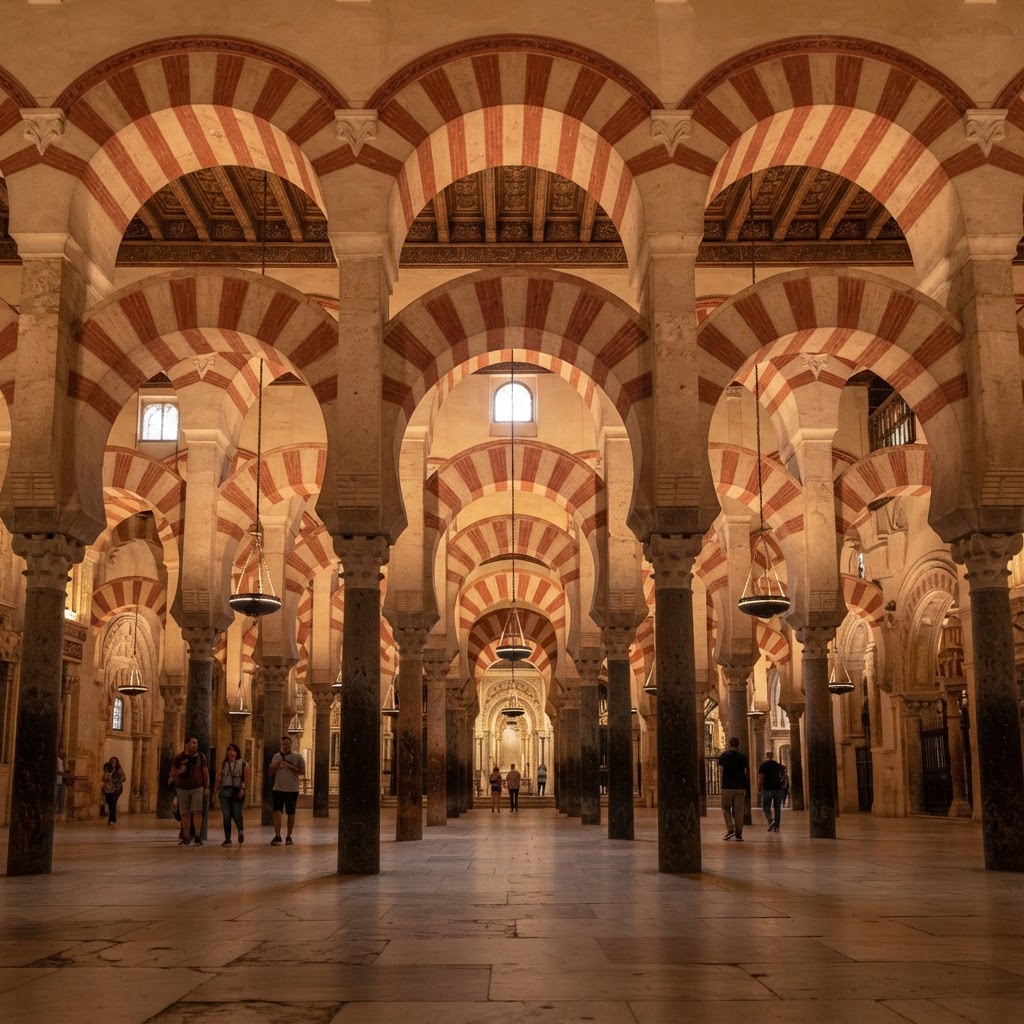
The Mezquita in Córdoba offers a unique look at religious transition. Originally a mosque built during the Caliphate of Córdoba, the structure was later transformed into a cathedral. This blending of Islamic prayer halls and Christian chapels is an architectural paradox that showcases the layered history of the region, creating a space where history remains visible in every column and arch.
The Majesty of Gothic Cathedrals
As the Reconquista unfolded, the architectural language shifted toward the grand Gothic style. Gothic cathedrals in Spain are characterized by their verticality, flying buttresses, and expansive stained-glass windows that flood interiors with celestial light. The cathedrals in Seville, Toledo, and Burgos stand as icons of this period. Each structure was designed to dominate the skyline, symbolizing both religious devotion and the growing wealth of the medieval kingdoms.
The Artistic Vision of Antoni Gaudí
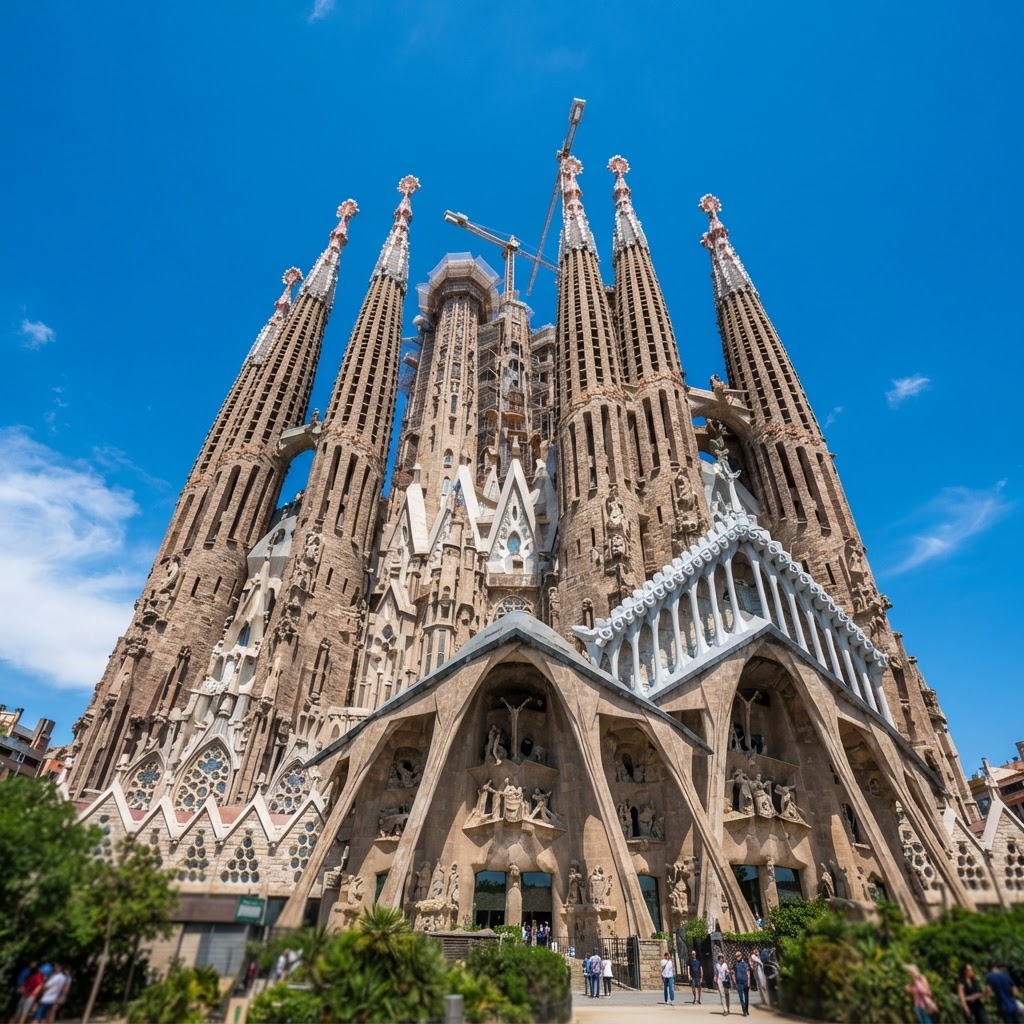
No discussion of national design would be complete without highlighting the work of Antoni Gaudí. As the most prominent figure of Catalan Modernism, Gaudí’s work defied the rigid norms of his time. He utilized organic shapes, colorful “trencadís” mosaics, and structural innovations that mimicked the natural world.
Key examples of his genius include:
- La Sagrada Família: An ongoing project that pushes the boundaries of sacred geometry.
- Casa Batlló: A marine-inspired facade that feels more like a sculpture than a residential building.
- Park Güell: A park that harmonizes human-made structures with the hilly landscape of Barcelona.
Renaissance and Baroque Influences
Following the Middle Ages, the arrival of the Renaissance brought a focus on balance and proportion, followed by the dramatic flair of the Baroque period. The Royal Palace of Madrid serves as a prime example of the transition toward grand, palace-focused design. These periods introduced symmetry and classical columns, reflecting the power of the Spanish Empire at its height. Buildings from this era are designed to impress, utilizing vast scale and ornate detail to communicate authority and prestige to all who enter their gates.
Regional Modernism and Contemporary Trends
Today, modern architects continue to respect traditional Spain architecture while incorporating sustainable materials and bold new geometries. Santiago Calatrava is a leader in this movement, known for futuristic designs that blend engineering with organic form, often found in cities like Valencia. The juxtaposition of glass, steel, and ancient stone creates a dialogue between the past and the future.
Conclusion
To travel across this nation is to experience a timeline of structural evolution. From the Roman ruins to the daring visions of Gaudí, Spain architecture provides a window into the values and ambitions of every era it touches. It is this diversity of style and the persistent dedication to craftsmanship that ensure the nation remains an unforgettable destination for architecture lovers. By understanding the layers of history preserved in stone, travelers gain a deeper appreciation for the beauty that defines the spirit of Spain.
Leave a Reply