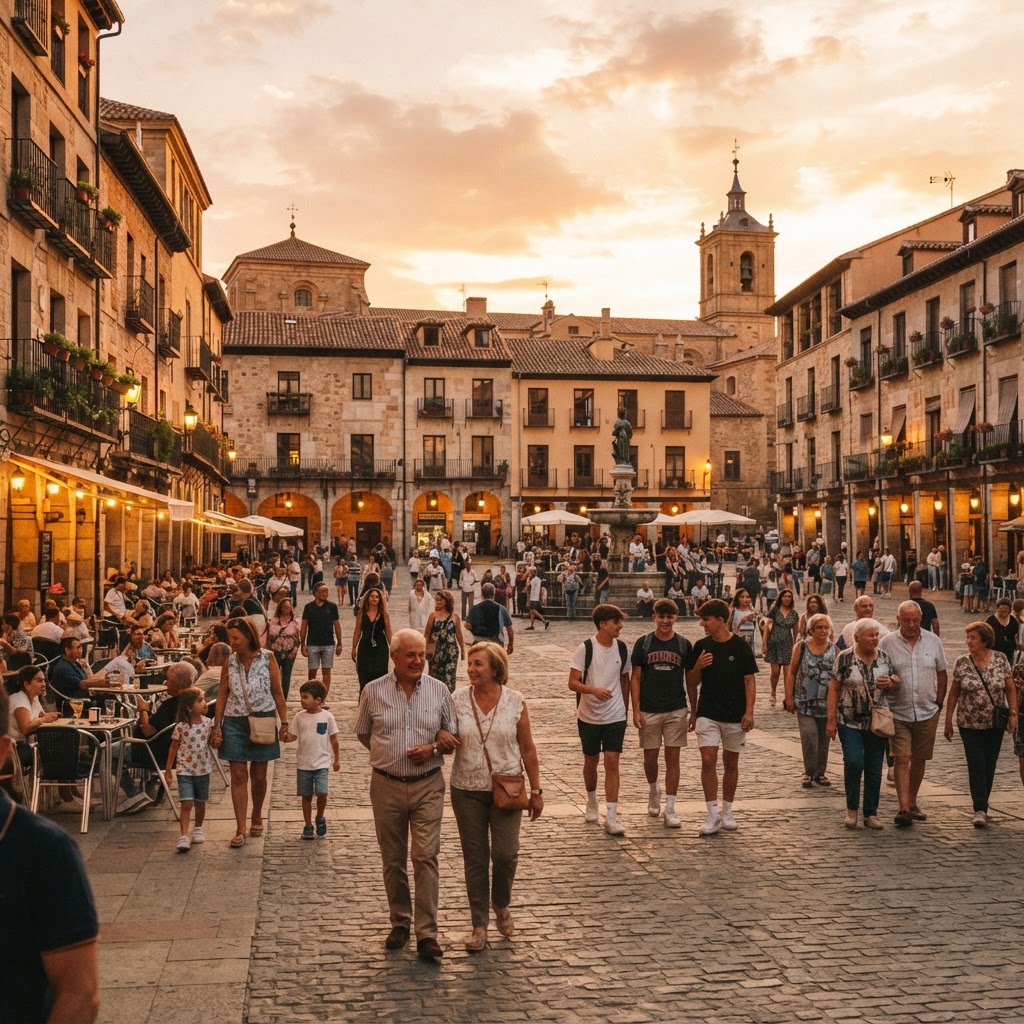
The Perfect Spanish Afternoon Walk: A Cultural Guide
The Spanish paseo is a traditional late-afternoon social stroll where locals walk through town squares and pedestrian streets to connect with their community and enjoy the evening air. Typically occurring between 6:00 PM and 9:00 PM, this ritual is a cornerstone of Spanish social life, emphasizing slow living and intergenerational bonding.
The History of the Paseo
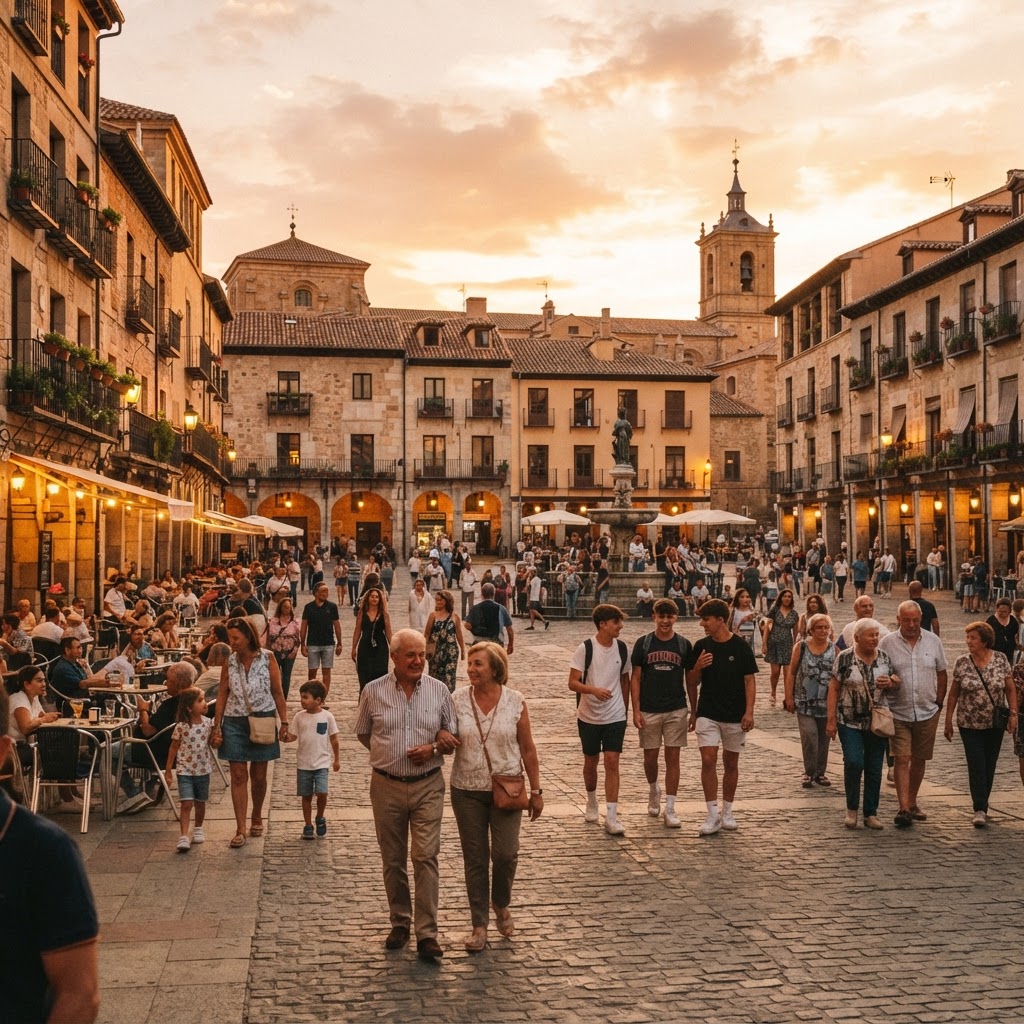
The roots of the paseo are deeply intertwined with the social structure of historic Spanish towns. In times past, when housing was often cramped and lacked outdoor space, the village square or the main boulevard served as the collective living room. The perfect Spanish afternoon walk evolved as a way to see and be seen, to exchange local news, and to solidify communal bonds. It was an era before digital connectivity, where the physical presence of one’s neighbors was the primary source of information and social validation. Understanding this history is key to appreciating why the walk remains so vital today.
Historically, the paseo served as a formalized social network. Before the advent of the internet, nearly 90% of local news, matrimonial arrangements, and communal planning happened during these walks. As urban planning in Spain evolved, town squares (plazas) were specifically designed with wide perimeters to accommodate the flow of pedestrians, a tradition that persists even in modern cities like Madrid or Barcelona. Understanding that this ritual functioned as the primary community database explains why it is still protected by culture today.
Understanding the Etiquette of the Stroll
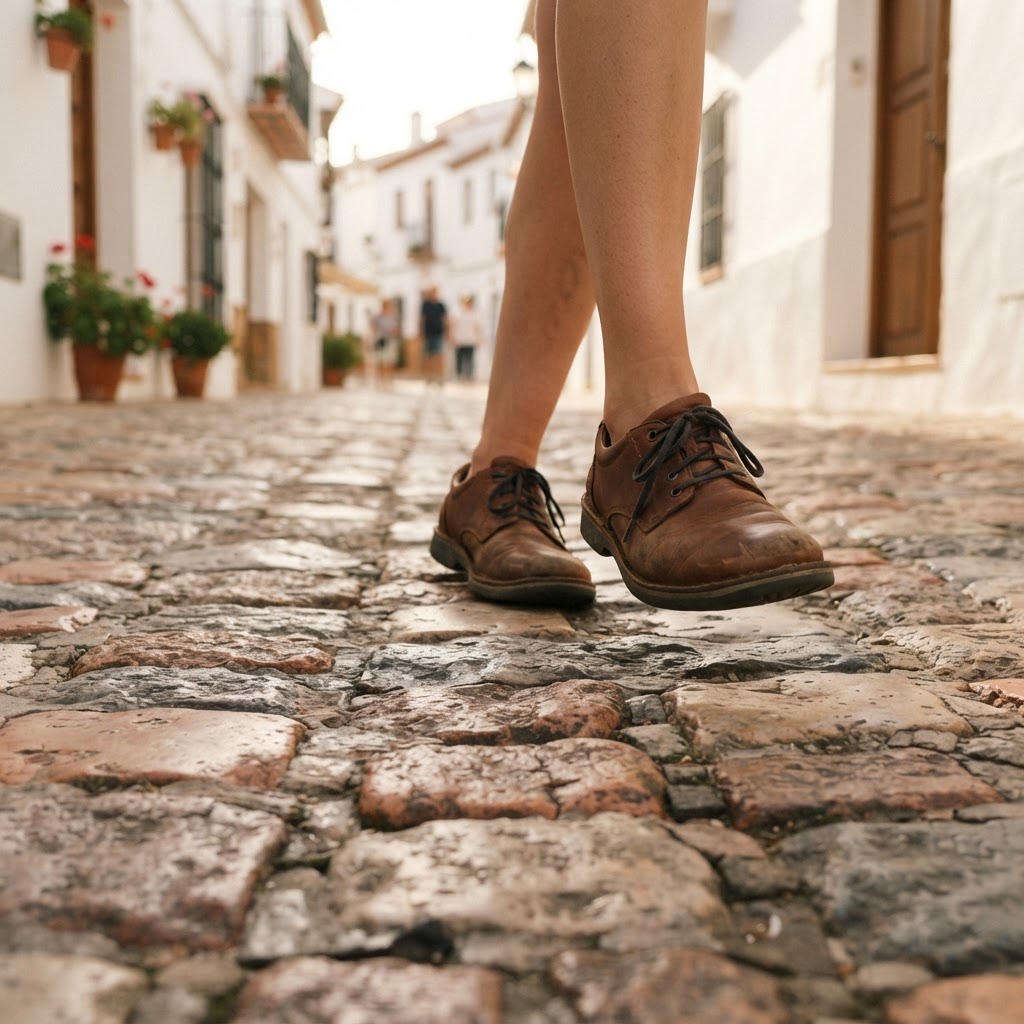
The beauty of the paseo lies in its unwritten rules of conduct that prioritize social harmony over personal efficiency. While it may appear casual, there is a distinct flow to how locals participate. First and foremost, the pace is leisurely—what the Spanish call ‘pasear’ is never rushed, usually averaging 2-3 kilometers per hour. You should never be seen running or walking with intense purpose during this time. Additionally, this is a social activity; while solo walks are common, the primary function of the ritual is to engage with one’s community. If you see a friend, you stop, you chat, and you linger. It is the antithesis of the ‘time is money’ mentality often found in more industrialized cultures.
To participate effectively, one must understand the hierarchy of the walk. Generally, the center of the walkway is reserved for groups in conversation, while those walking solo or moving faster stay to the periphery. Eye contact is a key social signal; a brief nod or “buenas tardes” is the standard greeting for acquaintances. Respecting these non-verbal cues ensures you blend in rather than stand out as an outsider.
Essential Tips for Your Walk
- Dress the part: Opt for smart-casual attire. While not formal, the paseo is a time for people to look their best.
- Be observant: Watch how the locals interact; the subtle nods and greetings are part of the charm.
- Engage your senses: Take in the scent of orange blossoms, the sound of distant chatter, and the golden hour light hitting the architecture.
- Leave the phone behind: To fully embrace the perfect Spanish afternoon walk, you must disconnect from digital distractions.
The Role of the Paseo in Modern Social Life
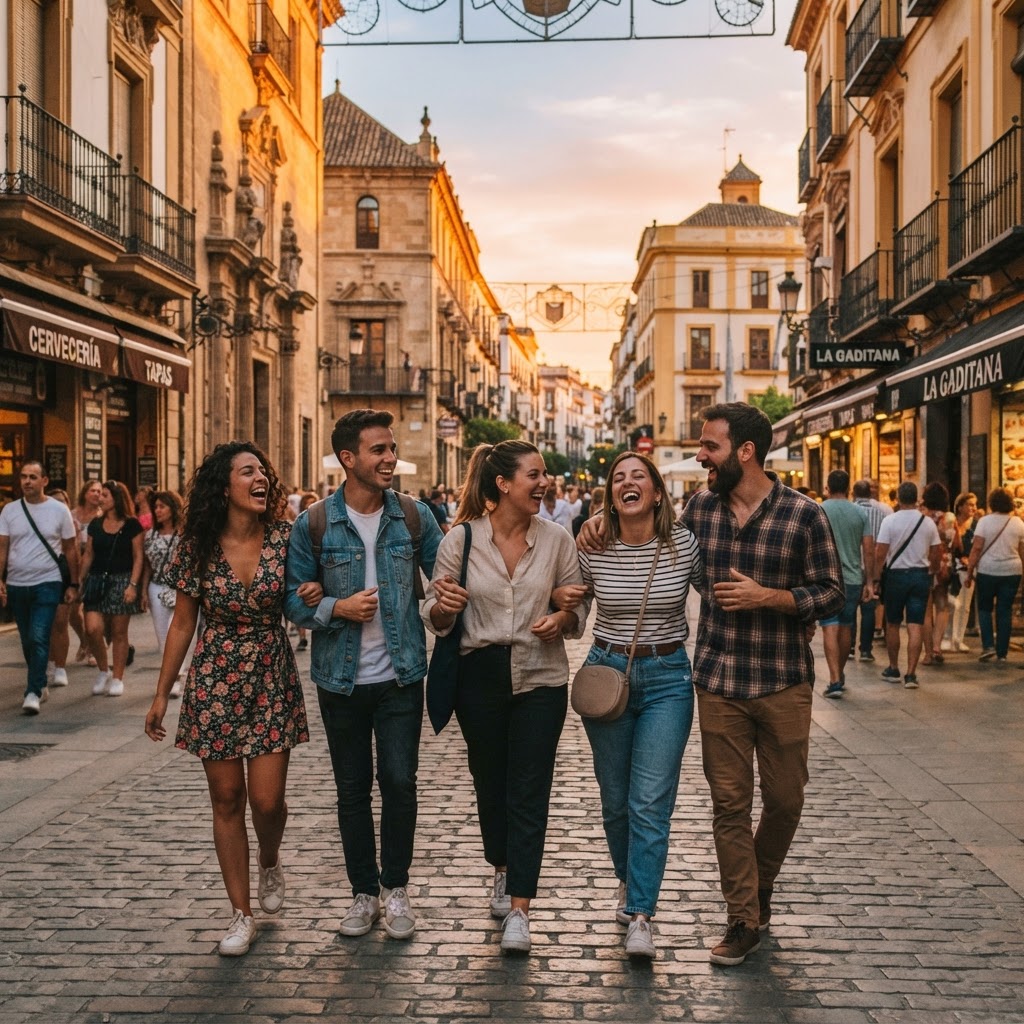
In the modern era, the paseo acts as a crucial anchor for Spanish social life, bridging the gap between high-speed professional demands and the need for human connection. Amidst the stresses of globalized work and high-tech distractions, this daily walk provides a necessary psychological reset. It is a time when the generations mingle; you will often see elderly couples arm-in-arm alongside groups of teenagers and young families with toddlers. This intergenerational connection is perhaps the most beautiful aspect of the practice. By walking together, the community reinforces its shared identity, ensuring that traditional values of hospitality and togetherness are passed down to younger citizens. If you are looking to balance your Spanish itinerary with other European adventures, consider planning the best day trip from Rome to Tuscany for a similarly enriching experience.
Psychologically, the paseo functions as a “social buffer.” Research indicates that in cities where the paseo is practiced daily, residents report higher levels of community trust and lower rates of social isolation. Even in a metropolitan hub like Madrid, the paseo remains a protected time. Most shops in smaller towns still adhere to closing during the siesta, reopening around 5:00 PM, which naturally facilitates the 6:00 PM to 8:00 PM walking window. This structural support from local businesses ensures the ritual survives despite modern pressures.
Where to Experience the Best Paseos
While every town in Spain hosts its own variation of this ritual, some locations are particularly iconic. In cities like Seville or Granada, the narrow, winding streets of the historic quarters create a naturally intimate atmosphere. In coastal towns, the seaside promenade, or ‘paseo marítimo,’ offers a cooling breeze and sweeping views of the Mediterranean. If you enjoy the slow-paced coastal movement found in the Spanish paseo, you might also appreciate exploring the best Cinque Terre hiking paths with sea views, which offer a similar emphasis on leisurely discovery and breathtaking vistas. No matter where you are, seek out the main plaza or the primary pedestrian thoroughfare shortly after the siesta ends. This is where the magic happens, and it is the ideal place to begin your own journey into Spanish slow living.
The Psychological Benefits of Slow Living
Participating in the perfect Spanish afternoon walk is a profound exercise in mindfulness that directly impacts mental health. By slowing down one’s physical pace to the average human gait of 5 kilometers per hour, you naturally force the mind to shift gears from “doing” to “being.” This practice encourages a state of mindfulness, reducing cortisol levels and fostering a greater sense of well-being. Studies in slow travel suggest that immersing oneself in local customs like the paseo reduces stress by up to 30% compared to traditional, itinerary-heavy tourism.
When you stop obsessing over your itinerary and instead focus on the simple act of walking through a historic square, you unlock a deeper, more authentic connection to the destination. This physical engagement allows the brain to process environmental stimuli—like the scent of jasmine or the echo of church bells—which strengthens memory formation. The paseo effectively turns a walk into a meditation, proving that in Spain, the journey truly is the destination.
FAQ
Q: What time does the Spanish paseo usually start?
The paseo typically begins in the early evening, generally between 6:00 PM and 7:00 PM, once the heat of the day has subsided. In the summer months, it may start as late as 8:00 PM to take advantage of the cooler dusk temperatures.
Q: Is it considered rude to walk fast during the paseo?
Yes, walking quickly or with obvious intent can be seen as contrary to the spirit of the paseo. The tradition is centered on relaxation and social interaction, so a leisurely, meandering pace is expected and encouraged for all participants.
Q: Should I wear formal clothing for a paseo?
You do not need formal wear, but locals typically opt for “smart-casual” attire. It is considered a social event, so people generally avoid gym clothes or overly disheveled outfits to show respect for the communal space.
Q: Can tourists participate in the paseo?
Absolutely, tourists are welcomed to participate in the paseo as it is a public, open-air activity. Simply walking at a slow pace, observing the surroundings, and maintaining a polite demeanor will help you blend in seamlessly with the local flow.
Q: Do all Spanish cities have a paseo?
While the specific name may change or the setting may vary from a coastal boardwalk to a city square, the concept exists in almost every Spanish town. It is a fundamental social institution present in virtually every region across Spain.
Leave a Reply