Colorful facades in Southern Spain, particularly in Andalusia, are defined by a centuries-old tradition of using lime wash (cal) for heat reflection and vibrant ceramic accents reflecting Moorish architectural heritage. These distinct color palettes, ranging from brilliant whites to deep ochres, serve both as a natural climate control system and a vibrant expression of cultural identity. ## The History Behind the Hue 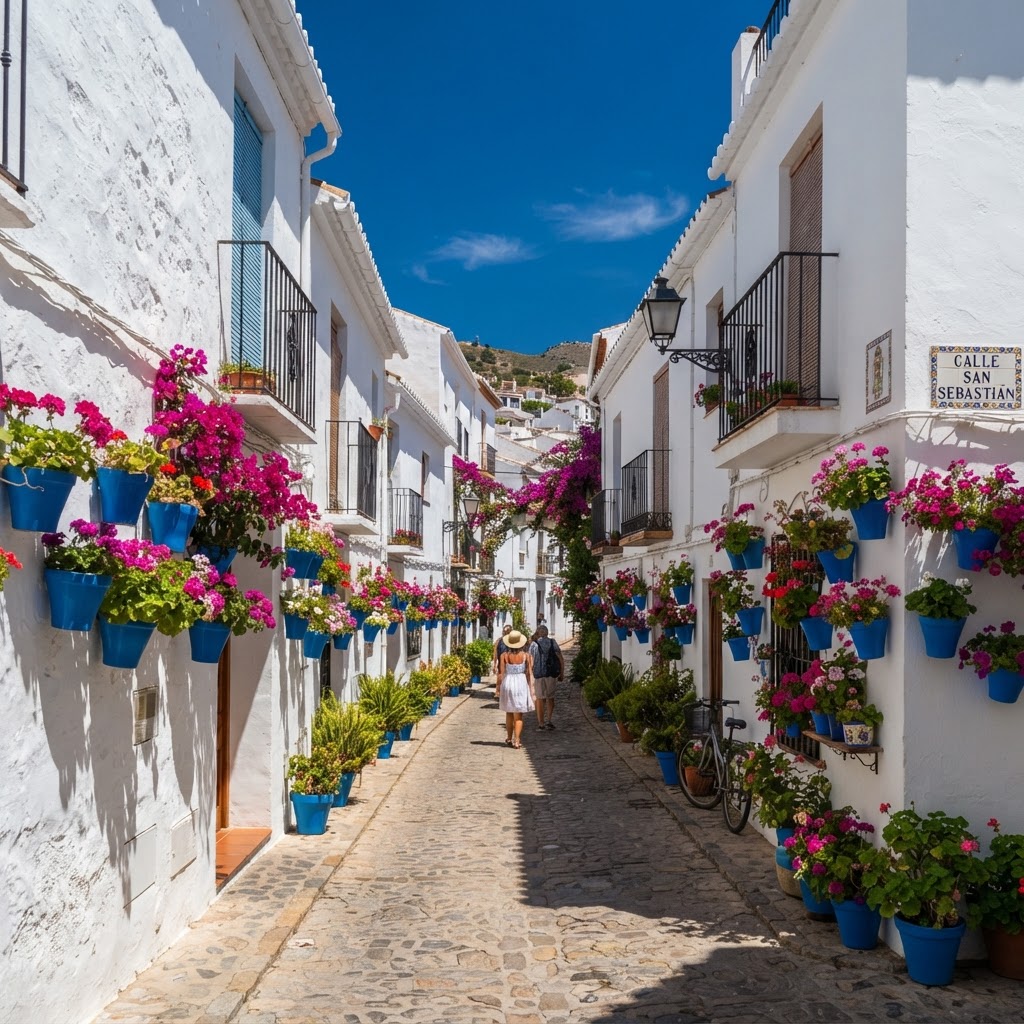 The tradition of painting houses in Southern Spain is deeply rooted in practical necessity as much as aesthetic preference, dating back over 800 years. For centuries, the people of Andalusia have utilized lime wash, or ‘cal’, to protect their homes from the blistering Mediterranean summer heat, which can often exceed 40°C (104°F). By reflecting up to 90% of the sun’s rays, these brilliant white exteriors keep interiors significantly cooler, creating a sustainable, natural climate control system that predates modern electricity. The application of lime wash also serves as a natural disinfectant, preventing mold and bacteria buildup in the humid, narrow alleyways of historic centers. Beyond the functional white, the integration of azulejos—ceramic tiles introduced during the Moorish period—was a deliberate design choice. These tiles, often featuring geometric patterns in cobalt blue, emerald green, and manganese brown, serve as insulation buffers while adding intricate visual rhythm to the architecture. This fusion of thermal engineering and artistic flair has ensured that Andalusian streets remain both habitable and visually stunning across generations. ### Moorish Influence and Geometric Harmony Beyond simple cooling, the architectural heritage of the region is heavily defined by the legacy of Al-Andalus, which is further explored in our guide to Andalusian style art and architecture. The Moorish influence brought a sophisticated understanding of how light interacts with building materials. You will often see these whitewashed walls accented by vibrant ceramic tiles known as ‘azulejos,’ which add intricate geometric patterns and bursts of color that mimic the gardens and fountains found within the Moorish palaces. ## The Iconic Pueblos Blancos
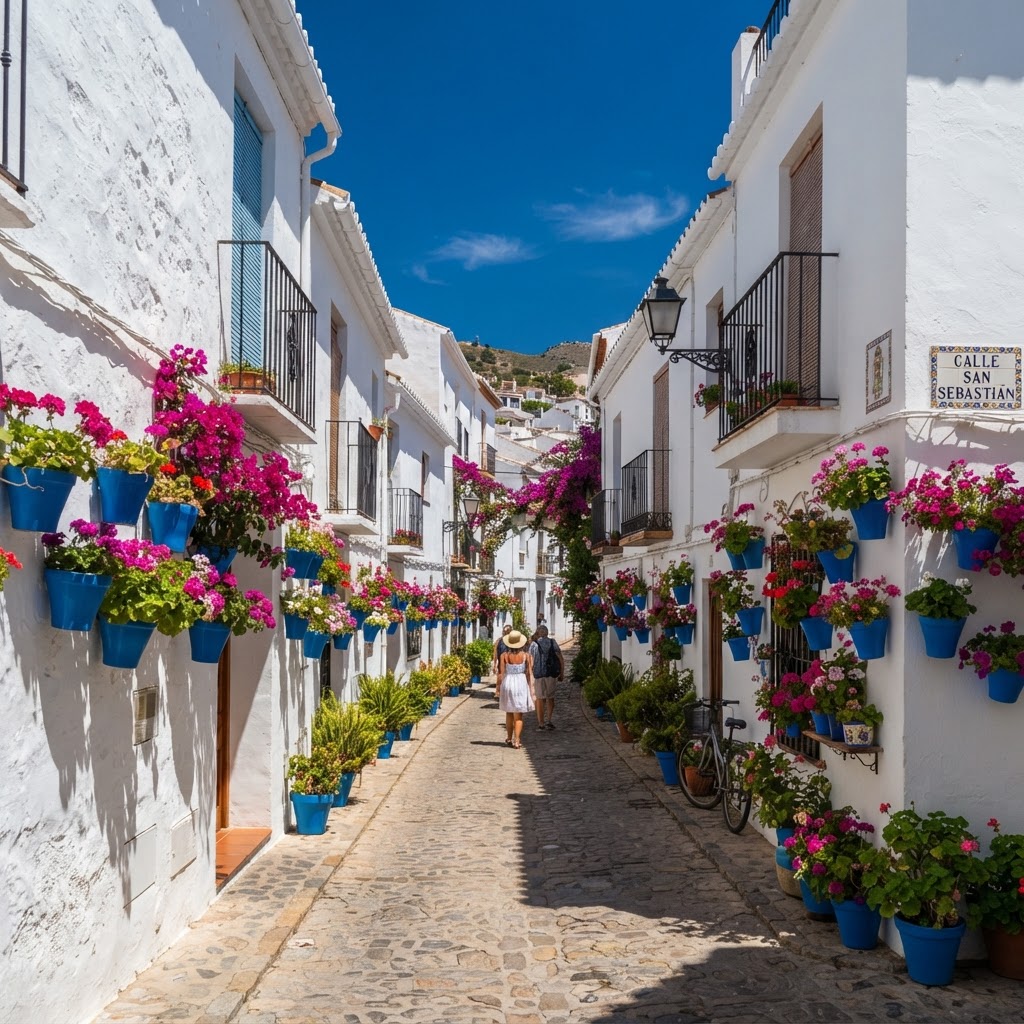
 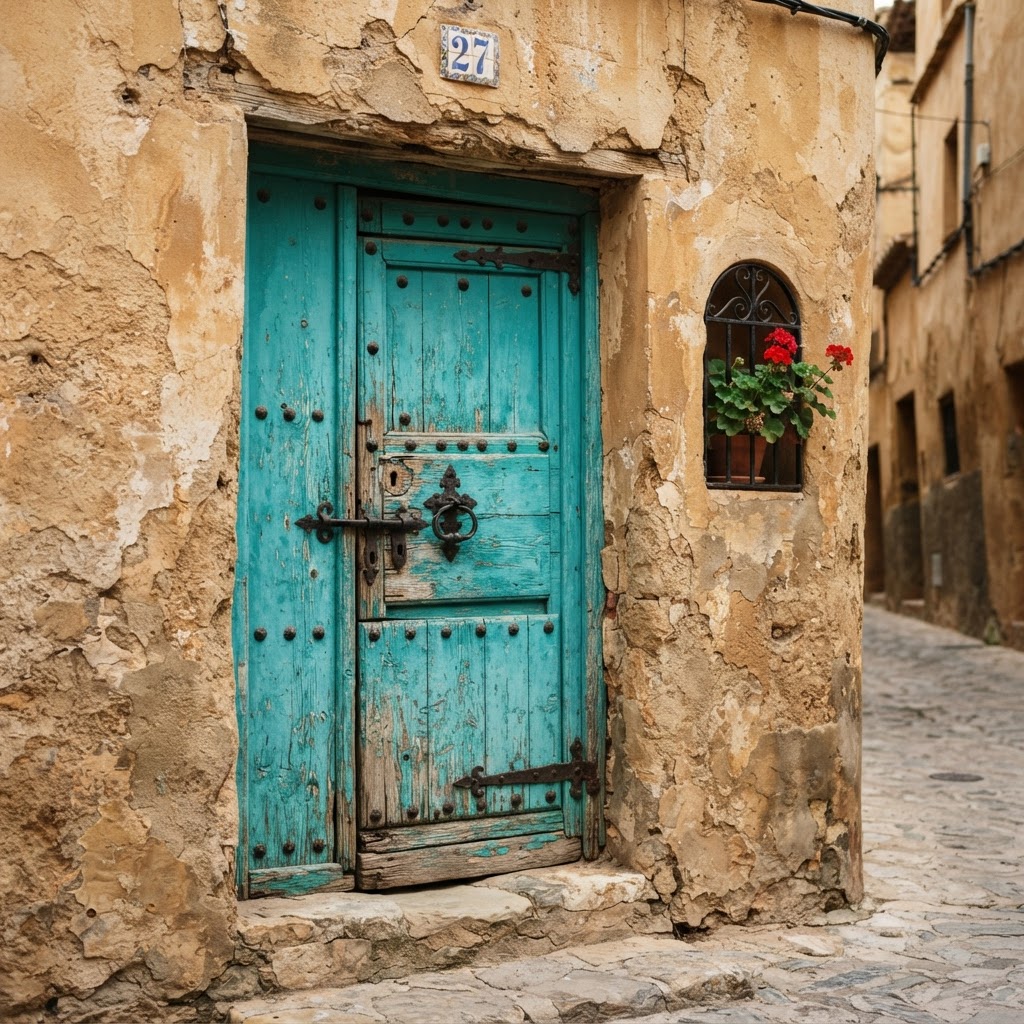 The ‘Pueblos Blancos,’ or White Villages, are perhaps the most recognizable example of the colorful facades of Southern Spain, with over 30 distinct villages forming this famous tourist route. If you are interested in exploring other stunning regional architectural landscapes, taking a day trip to Tuscany offers a similarly captivating experience characterized by historic stone villages and rolling hills. If you enjoy wandering through historic villages and appreciate the marriage of landscape and architecture, exploring some scenic coastal hiking paths with sea views is another rewarding way to experience the beauty of the Mediterranean. These hilltop settlements, such as Ronda, Grazalema, and Zahara de la Sierra, seem to cling to the rocky outcrops like bright blossoms against a rugged mountain landscape. While ‘white’ is the primary descriptor, the reality is a nuanced spectrum of ivory, cream, and brilliant chalk, often interrupted by cascading bougainvillea in shades of shocking magenta and deep violet. Walking through these villages is an exercise in appreciating the play of shadows on textured walls. As the sun moves throughout the day, the white surfaces absorb and reflect ambient colors from the sky, the foliage, and the pavement. It is a photographer’s dream, providing a clean, minimalist canvas that makes every small detail—a rusted iron lantern, a blue-painted door, or a terracotta roof tile—stand out in sharp relief. Travelers should note that these villages are often located at elevations exceeding 600 meters, which provides a welcome breeze during the warmer months, making them perfect destinations for mid-spring exploration. | Feature | Pueblos Blancos | Urban Centers (Seville/Málaga) | | :— | :— | :— | | Primary Palette | White, Cream, Bougainvillea | Ochre, Terracotta, Yellow | | Architectural Focus | Hilltop Defense / Cooling | Religious & Administrative Wealth | | Typical Material | Lime-washed stone | Brick, Clay, Hand-painted Tile | | Vibe | Quiet, Rural, Panoramic | Bustling, Historic, Vibrant | ## Color Theory in Andalusian Architecture
 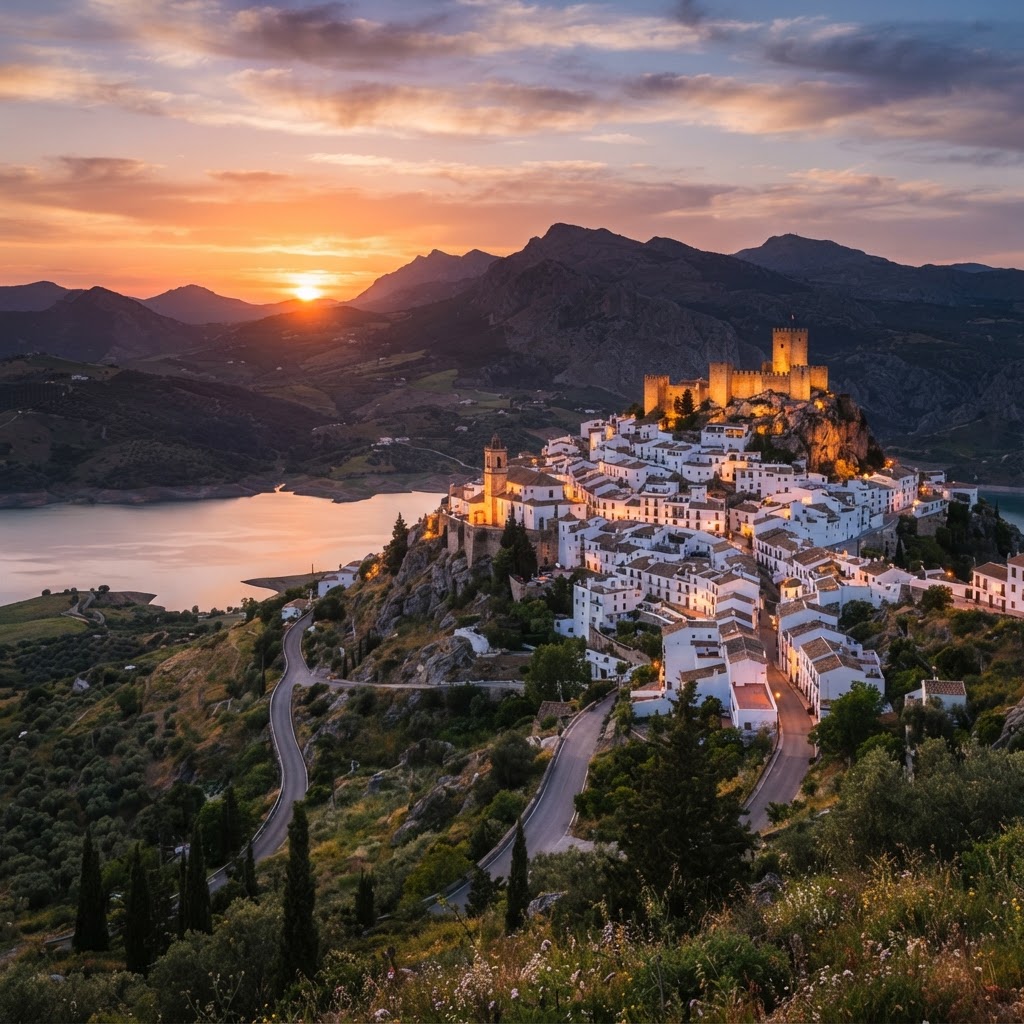 While white remains the dominant tone for rural dwellings, the urban centers of Seville, Cadiz, and Malaga showcase a more diverse palette, frequently dictated by historical socioeconomic status. You will often encounter deep ochre, burnt orange, and terracotta red, which were historically derived from local iron-oxide rich clay soils. These warm tones were often reserved for wealthy merchant homes or municipal buildings, signaling status through the cost of the pigments. Today, this variation is protected by municipal codes, such as the specific “Almagra” red seen in historic districts, which provides a striking contrast to the deep, unsaturated blue of the Andalusian sky. This color theory is not merely aesthetic; it is a visual map of the region’s economic history, where blue paint often historically warded off insects and heat, while ochre hues signaled proximity to trade routes where specialized pigments were imported. The interplay between these colors creates a sense of depth and scale that defines the urban experience of the region. ### The Meaning of Traditional Paint Colors – White (Blanco): Used for sun reflection and signifies purity. – Ochre/Yellow (Almagra): A historic symbol of status and wealth in coastal trading cities. – Blue (Azul): Historically associated with warding off evil and cooling the exterior. – Terracotta (Arcilla): Reflects the natural clay earth of the region and offers durability. ## Living in a Living Museum
 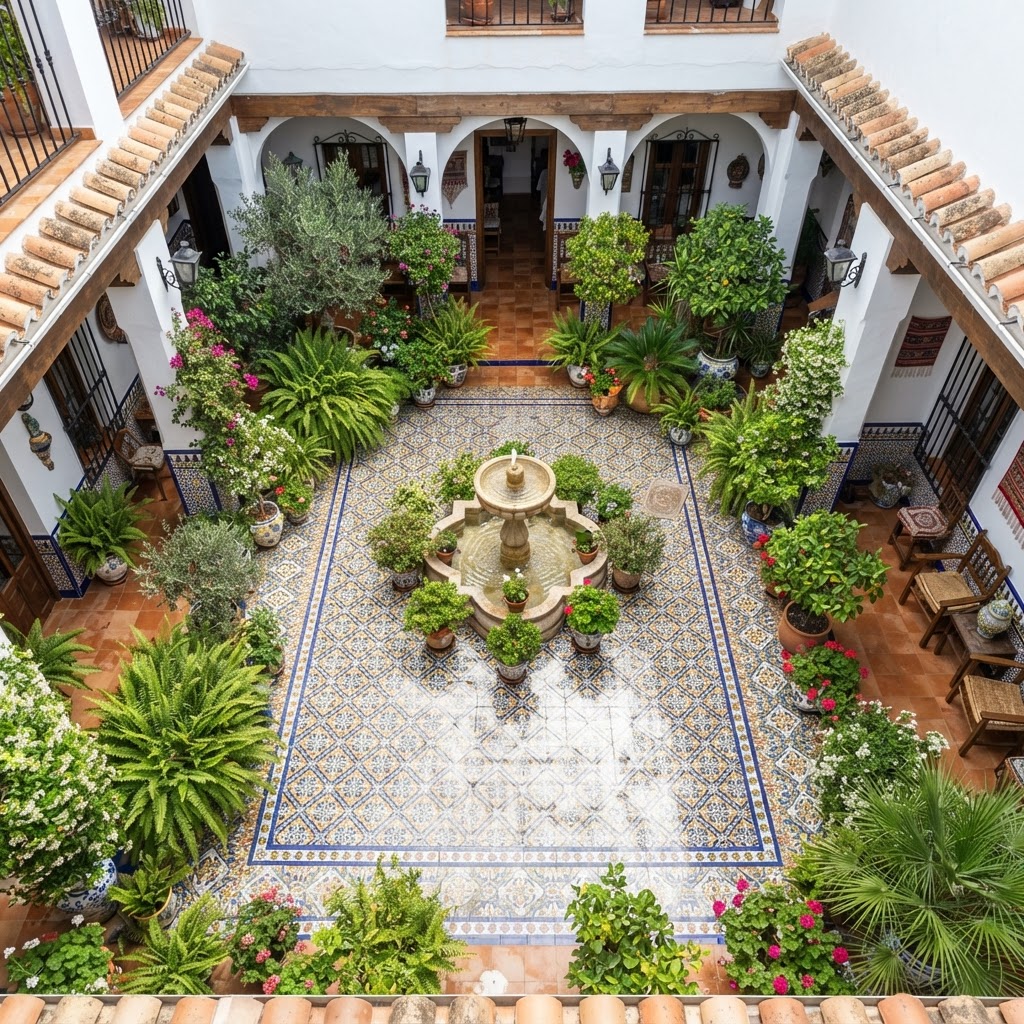 One of the most engaging aspects of visiting the colorful facades of Southern Spain is witnessing how these structures are actively maintained through communal efforts. Many of these buildings are over 200 years old and require annual attention, typically performed during the ‘limpieza’ season before major local festivals. Residents often scrub exterior walls and repaint doors with vibrant oil-based enamels to combat the bleaching effects of the intense summer sun. This maintenance cycle is not just about tourism; it is about community identity and pride. When visitors walk these streets, they are viewing functional homes, not static museum exhibits. The presence of jasmine and geraniums in interior courtyards—which are often opened to the public during the ‘Patios de Córdoba’ festival in May—adds a sensory layer to the architectural experience. This ongoing renewal ensures that the vibrant colors remain vivid rather than fading into the dusty background of the landscape, keeping the region’s aesthetic alive and evolving year after year. ## Capturing the Magic Through Photography For those interested in capturing the essence of these streets, the timing of your visit is crucial to avoid flat, high-contrast imagery. The harsh midday sun between 1:00 PM and 4:00 PM creates deep, pitch-black shadows that hide the textures of the lime-washed walls. Instead, aim for ‘golden hour’—approximately 60 minutes after sunrise or before sunset—when the light is soft, low-angled, and warm. This light turns white surfaces into soft shades of pastel pink and gold, while blue shadows add a rich, painterly contrast. Focus on ‘macro’ elements rather than just wide shots to capture the grit and character: look for chipped paint revealing older pigment layers, the intricate wrought iron patterns on balconies that date back to the 19th century, or the contrast of green vines against cobalt-trimmed doorways. These intimate details often tell a more compelling story of resilience than a panoramic shot of the village. ## Essential Tips for Travelers | Tip Category | Recommendation | | :— | :— | | Best Travel Window | April to May (Wildflower Season) | | Peak Temperature | July/August (Exceeds 40°C) | | Accommodation | Boutique ‘Casas Rurales’ | | Photography Gear | Polarizing filter for bright walls | If you are planning to travel through Southern Spain to see these beautiful vistas, keep a few things in mind to ensure a smooth trip. Avoid visiting during the peak heat of July and August if you intend to do a lot of walking, as the heat reflecting off the white walls can lead to rapid dehydration. Spring, particularly April and May, is the ideal time when the flowers are in full bloom and the weather is temperate. Stay in locally-owned boutique hotels or ‘casas rurales’ when possible; these are often situated in restored historic buildings. Staying in these structures gives you a chance to experience the architectural beauty of these colorful facades from the inside, often featuring central stone patios with fountains that provide a necessary sanctuary of quiet and cool air after a long day of exploring under the sun. ## Preserving the Architectural Heritage There is a rigorous movement to preserve the authentic character of these historic towns against the encroachment of modern, uncharacteristic development. Local councils have introduced strict municipal guidelines regarding building materials, requiring the use of traditional lime-based paints rather than modern acrylics, which trap moisture and damage historic stone. This dedication to heritage is what keeps Southern Spain feeling timeless. Supporting local artisans who work with traditional materials—such as ceramics, wrought iron, and lime wash—is a vital way to contribute to this preservation. When you purchase locally crafted items, you are investing in the specialized skills that keep these beautiful streets alive. It is a symbiotic relationship where responsible, slow tourism sustains the very traditions that make the destination so appealing, ensuring that the visual landscape remains unchanged for the next century of visitors. ## FAQ ### Why are houses in Southern Spain painted white? Houses are painted white using lime wash to reflect the intense Mediterranean sun, which helps keep indoor temperatures significantly lower during the hot summer months. The lime also acts as a natural, eco-friendly disinfectant that keeps the narrow village streets clean and hygienic. ### What is the best month to visit the Pueblos Blancos? The best months to visit are April and May, when temperatures are mild and the landscape is lush with spring wildflowers. Avoiding the peak summer heat of July and August ensures a more comfortable experience for walking through hilly, steep village streets. ### Can I photograph the houses without being intrusive? Yes, you can photograph the homes as long as you respect the privacy of residents and avoid blocking doorways or stairwells. Always aim to capture architectural details like windows, balconies, or tiles, and smile or nod if you happen to encounter locals during your shoot. ### Are the colors of the houses regulated by the government? Yes, many municipalities in Andalusia have strict heritage guidelines that regulate the colors and materials allowed for building renovations. These laws are intended to preserve the uniform historic aesthetic of the towns and prevent the use of modern, non-traditional materials. ### What are ‘Azulejos’ and where can I find them? ‘Azulejos’ are traditional, colorful ceramic tiles often featuring geometric patterns that were heavily influenced by Moorish design. You can find them commonly adorning building facades, interior courtyards, and plazas in major cities like Seville and Córdoba.
Colorful Facades of Southern Spain: A Visual Guide
Leave a Reply