Why Everyone Falls in Love With Seville: A Travel Guide
People fall in love with Seville because it perfectly balances world-class UNESCO architectural wonders like the Real Alcázar with a vibrant, late-night tapas culture and the raw emotional intensity of authentic flamenco. This Andalusian capital offers an immersive experience where ancient history, sensory delights, and a relaxed, social lifestyle create an unforgettable atmosphere.
The Architectural Marvels of Seville
Seville’s architectural identity is defined by a unique fusion of Mudéjar, Gothic, and Renaissance styles that reflect the city’s diverse cultural history. The Real Alcázar remains the most significant site; this palace complex, which dates back to the 10th century, features intricate stucco work and expansive gardens that receive over 1.5 million visitors annually. Entry tickets typically cost around €14.50, and booking at least two weeks in advance is essential during peak seasons.
Just a short walk away, the Seville Cathedral stands as the largest Gothic cathedral in the world. Visitors climb the Giralda bell tower, a former minaret from the Almohad period, to enjoy panoramic views of the city at a height of 104 meters. The Cathedral also houses the tomb of Christopher Columbus, attracting history enthusiasts from across the globe. These structures serve as more than just tourist sites; they anchor the city skyline and provide the dramatic backdrop that contributes to the city’s legendary allure. Below is a comparison of these major landmarks to help prioritize your visit:
Unveiling the Soul of Seville Tapas Culture
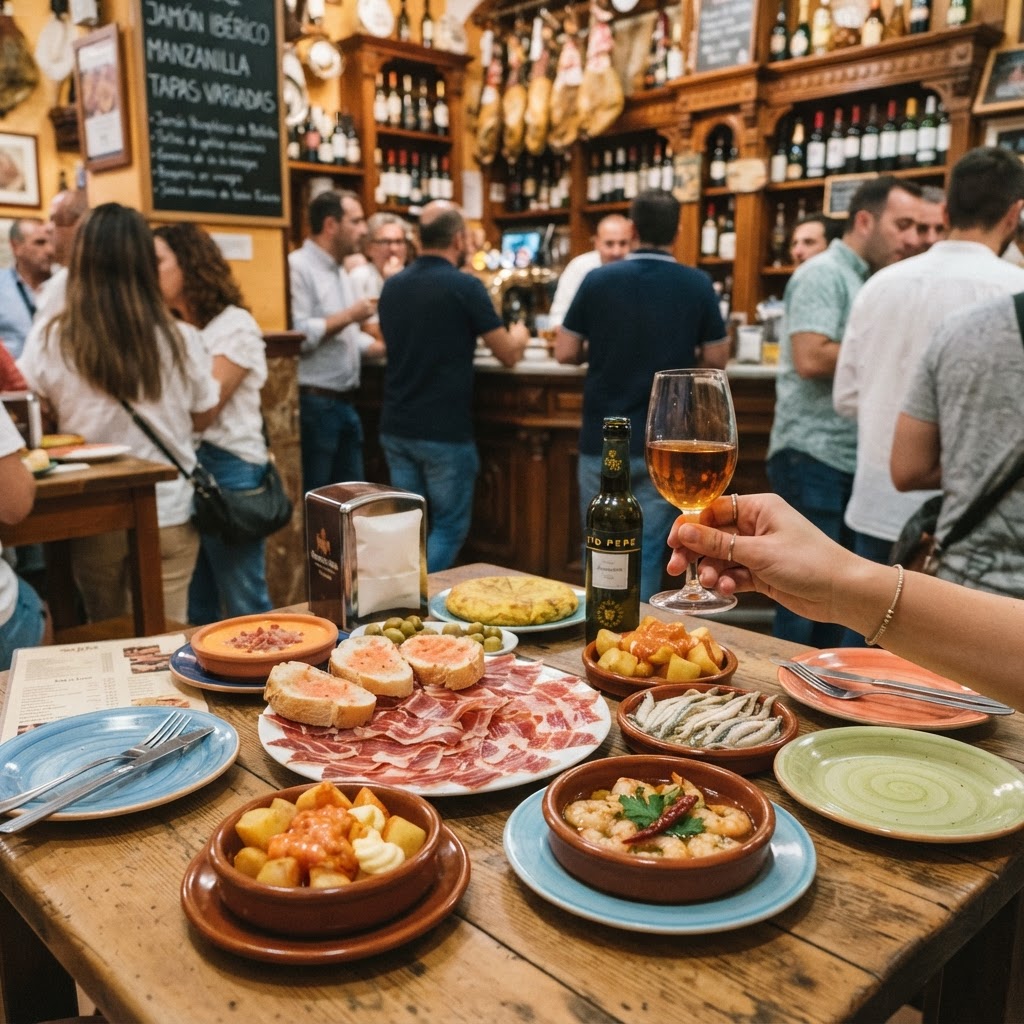
Seville’s tapas culture is an essential social ritual where locals prioritize movement and conversation over static, formal dining. Rather than consuming a single large meal, residents participate in “tapeo,” the practice of visiting multiple bars in one night to sample small, expertly prepared plates. This social fabric is why everyone falls in love with Seville; the experience of standing at a crowded wooden bar, enjoying a drink for roughly €2.50 to €4.00, allows travelers to integrate into the local rhythm. Popular hubs like the El Rinconcillo—the city’s oldest bar founded in 1670—provide an authentic glimpse into this enduring tradition.
Must-Try Local Delicacies
To truly experience the authentic flavor profile of the region, consider trying these staples during your visit:
- Salmorejo: A thick, creamy tomato soup topped with hard-boiled eggs and ham.
- Rabo de Toro: A succulent oxtail stew that represents traditional Andalusian cooking.
- Montadito de Pringá: A small sandwich filled with slow-cooked, tender meats.
- Sherry Wine: A glass of chilled fino or manzanilla is the perfect accompaniment to any tapa.
The Rhythm of Flamenco and Local Festivals
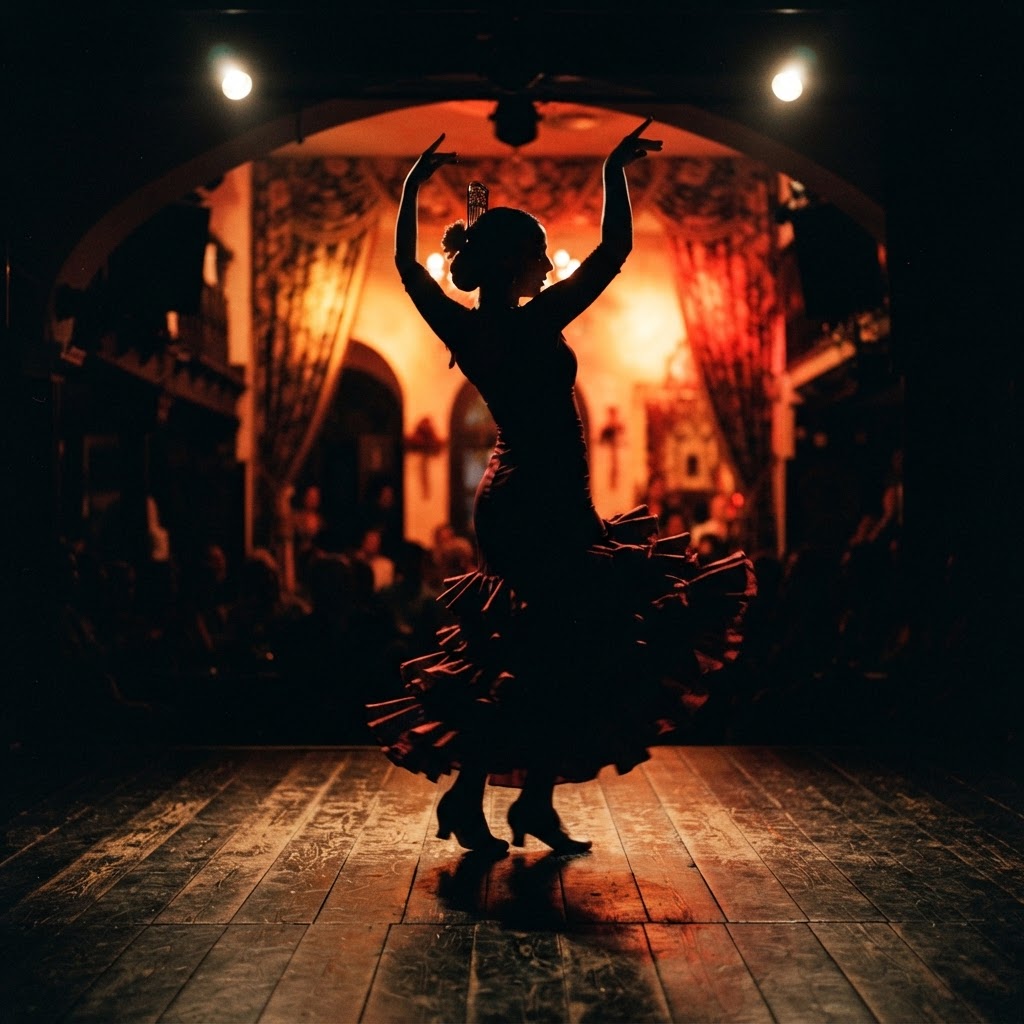
Authentic flamenco in Seville is a visceral, unscripted performance found in small “tablaos” in the Triana neighborhood, far removed from commercialized tourist shows. This art form, recognized by UNESCO as Intangible Cultural Heritage, combines cante jondo (deep song) with complex percussive footwork that reflects the resilience of the local spirit. Visitors often pay between €20 and €35 for an intimate hour-long performance. The connection to heritage reaches its peak during the Feria de Abril, a week-long festival featuring traditional dress and horse-drawn carriages.

Wandering Through the Plaza de España
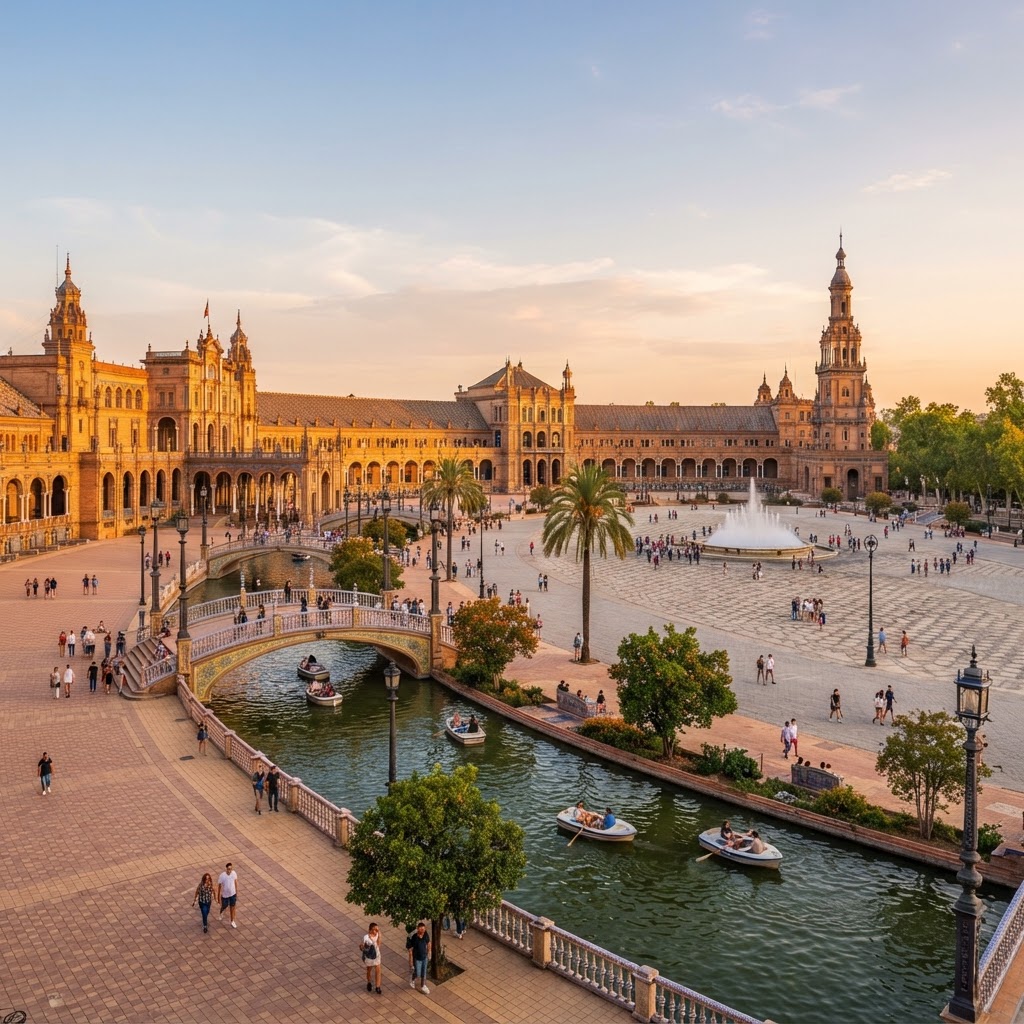
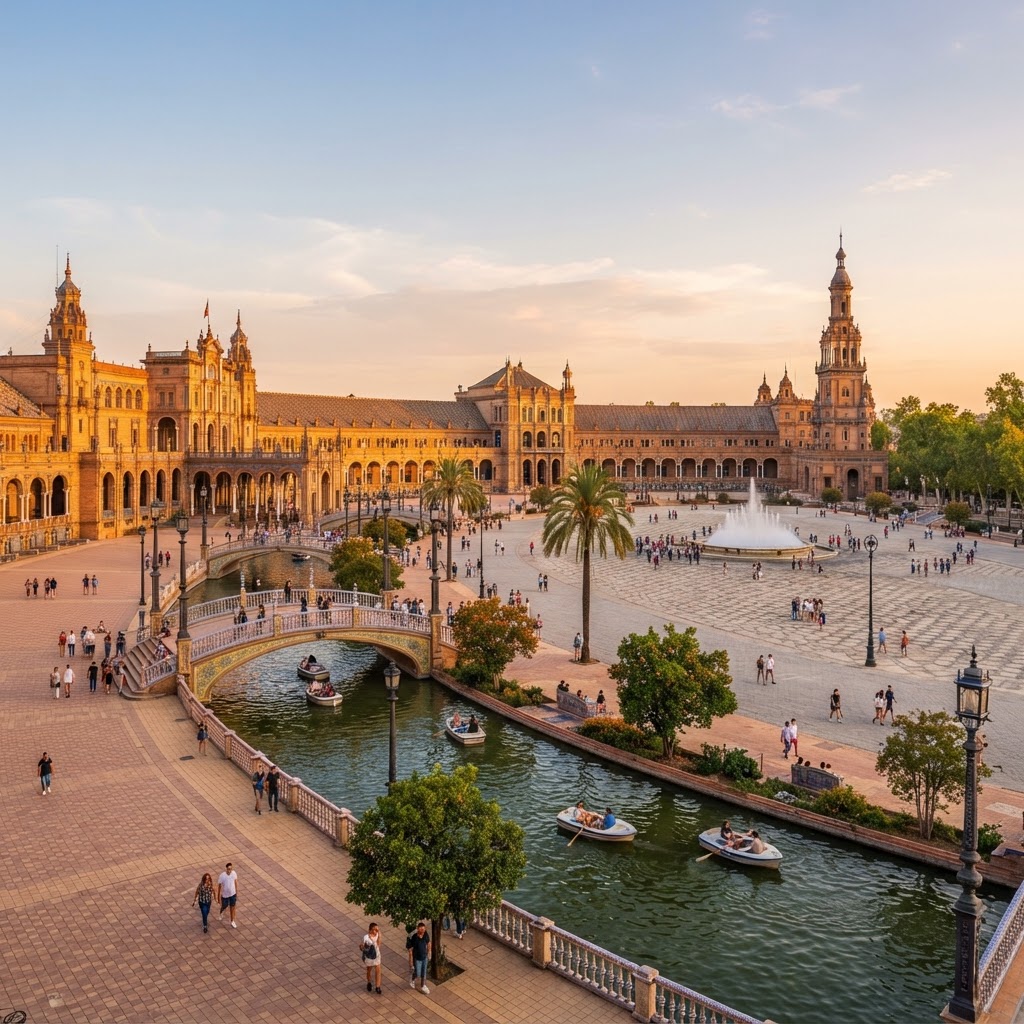
Plaza de España serves as the city’s grandest architectural statement, showcasing the regionalism architecture popularized for the 1929 Ibero-American Exposition. Spanning 50,000 square meters, the complex features a massive moat and a series of ornate tiled alcoves that represent each of the 48 Spanish provinces. Visitors can rent rowboats for approximately €6 to €10 per half hour, offering a unique perspective of the bridges and buildings from the water. This site acts as both a tourist highlight and a functional urban space where locals congregate during weekends, providing a quiet respite from the narrow streets of the city center. The tile craftsmanship is a masterpiece of early 20th-century design, featuring intricate Moorish-inspired patterns that remain in pristine condition today. If you are seeking other European destinations known for their breathtaking scenery, you might consider our guide to the stunning balcony views in Oia, which offer an equally mesmerizing perspective of the Caldera and legendary sunsets. If you enjoy scenic urban respites and want to venture beyond the city, you might also appreciate exploring the English countryside by train for a peaceful escape. If you enjoy scenic urban respites, you might also appreciate exploring some of the beautiful English countryside walks located just a short distance from the bustle of London.
Practical Tips for Your Andalusia Travel Adventure
Maximizing your Seville trip requires adjusting to the local Mediterranean climate and late-night temporal schedule. Summers are intensely hot, with temperatures frequently exceeding 40°C (104°F) in July and August; therefore, the ideal travel window is March through May or late September through October. Walking is the preferred mode of transport for the historic center, though the TUSSAM bus network and Seville’s extensive bike lanes provide excellent alternatives. Much like planning an unforgettable Italian getaway, exploring the distinct regions of Spain offers a similar richness of culture and history. If you are a fan of coastal exploration, you might also be interested in discovering stunning Mediterranean hiking paths that offer breathtaking sea views similar to the beauty found along the Spanish coastline. Visitors should adjust their dining expectations, as dinner typically begins after 9:00 PM. Embracing this relaxed tempo—often termed the “siesta lifestyle”—is the most effective way to engage with the city’s authentic pulse and local lifestyle.

FAQ
When is the best time to visit Seville?
The best time to visit is during the spring (April to May) or autumn (September to October) when the weather is mild. You will avoid the extreme summer heat while being able to enjoy outdoor dining and local festivals like the Feria de Abril.
How many days do you need in Seville?
You need at least three full days to experience the major sites like the Cathedral and Alcázar without rushing. This duration allows for a proper exploration of the different neighborhoods, including Triana and Santa Cruz, plus time for authentic tapas bar hopping.
Is Seville expensive for tourists?
Seville is generally more affordable than major hubs like Barcelona or Madrid, with average daily costs ranging from €80 to €150. You can find high-quality tapas for under €5 per plate and reasonably priced accommodation if you book in advance.
What is the most famous dish in Seville?
Salmorejo is the city’s most famous dish, which is a cold, creamy tomato-based soup served with hard-boiled eggs and Serrano ham. It is a staple on almost every traditional menu and is especially refreshing during the warmer months of the year.
Mastering the Logistics: How to Plan Your Visit
Most travelers make the mistake of visiting Seville during the height of summer. From June through August, temperatures consistently soar above 40°C, effectively shutting down the city streets until long after sunset. To truly enjoy the outdoor atmosphere, visit during late March or early April. You will catch the pleasant spring breeze and the intense energy of Holy Week, or Semana Santa. If you prefer smaller crowds, late October offers mild weather and lower accommodation prices.
For a meaningful experience, plan to stay for at least four full days. Two days are insufficient to balance the high-traffic monuments with the necessary pace of local life. Use your first two days for the major sights and your final two for exploring the neighborhoods like Triana or Macarena, where the pace slows down significantly.
Common Pitfalls and How to Avoid Them
Avoid eating at restaurants with picture menus or staff waving you inside near the Cathedral. These spots cater exclusively to one-time visitors and lack the authentic quality found in neighborhood spots just three streets over. Always look for the bars where local office workers crowd the counters around 2:00 PM. If the floor is littered with discarded napkins, you have found a local favorite. This is not a sign of poor hygiene, but a badge of honor for a busy bar.
Another common mistake is attempting to walk everywhere. While the center is compact, the heat and cobblestones are punishing. Utilize the Sevici public bike system or the efficient tram network to save your energy for the late-night walking that defines the culture. Do not rent a car; parking is a nightmare and the city center is mostly pedestrian-only.
Navigating the Neighborhoods
Each barrio in Seville offers a distinct character. Understanding where you stay will dictate your experience.
- Santa Cruz: This is the heart of the tourist district. It is incredibly beautiful but feels disconnected from modern residential life. Stay here only if you are on a very tight schedule and want to walk to the Alcázar at sunrise.
- Triana: Located across the river, this is the historic home of flamenco and pottery. It feels like a village within the city. Cross the Isabel II bridge to find smaller markets and authentic taverns that rarely see international crowds.
- Macarena: This area provides the most affordable authentic experience. It is slightly north of the center, filled with local bars, traditional bakeries, and fewer souvenir shops. It is the best place to witness the city as a local.
The Practical Checklist for Your Arrival
- Buy your monument tickets online at least two weeks before your trip. The lines at the Real Alcázar can exceed two hours if you show up without a reservation.
- Carry a small amount of cash. While cards are widely accepted, many of the best, most traditional tapas bars only take cash.
- Learn the local schedule. Lunch happens from 2:00 PM to 4:00 PM, and dinner rarely starts before 9:00 PM. Showing up at a restaurant at 7:00 PM for dinner will likely find the kitchen closed.
- Pack comfortable walking shoes. The classic Sevillian stone streets are unforgiving on heels or thin-soled sandals.
Frequently Asked Questions
Is it possible to see Seville on a budget?
Yes, prioritize free attractions like the Plaza de España and the Metropol Parasol. Most of the city’s beauty is found simply by walking through the narrow streets of the Jewish Quarter. Stick to house wine and daily tapa specials to keep your food costs under €30 per day.
Do I need to speak Spanish to enjoy the city?
You do not need to be fluent, but learning basic phrases goes a long way. English is common in the major tourist hubs, but in the deeper neighborhood bars, a friendly ‘hola’ and ‘gracias’ will significantly improve the quality of service you receive.
What is the most overrated site in the city?
While iconic, the Metropol Parasol can be disappointing for some. Unless you are specifically looking for a sunset view from above, it is often enough to just walk through the plaza underneath. Spend your limited time at the Cathedral or a local Flamenco show instead.
Leave a Reply