
Last updated: October 2026
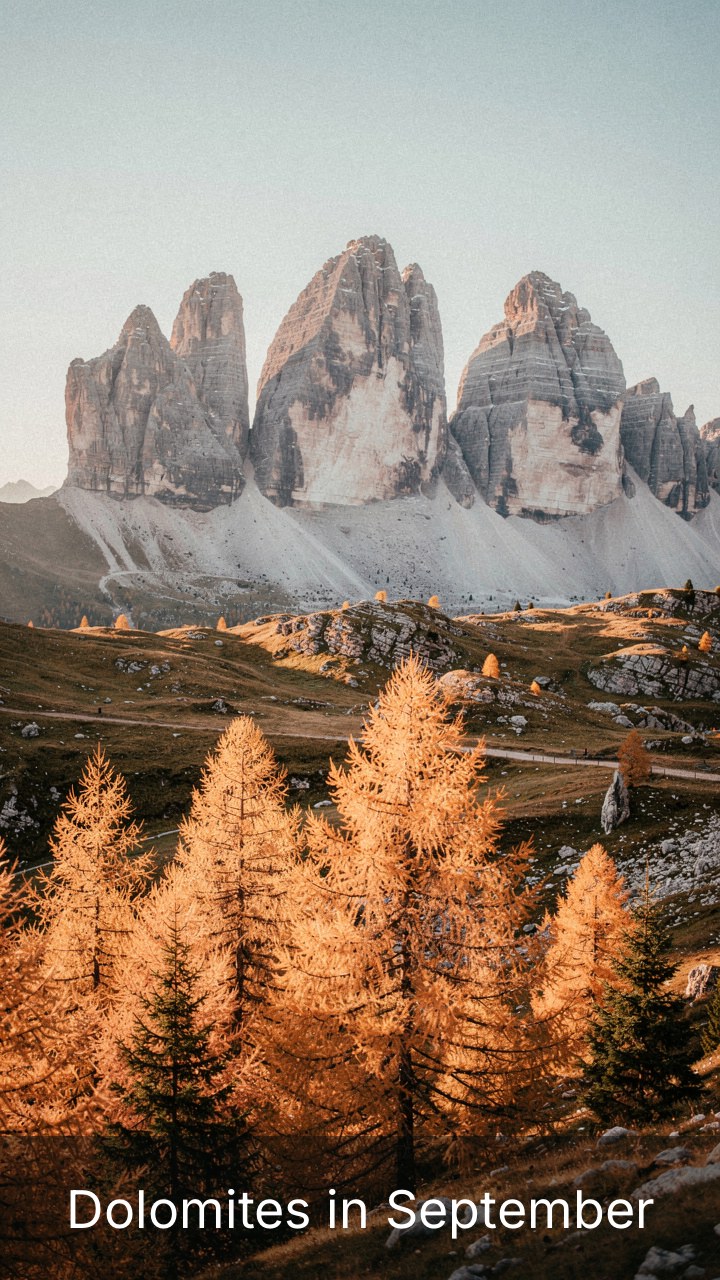
The ideal Dolomites hiking season runs from late June through mid-September. This window offers the most stable weather and ensures high-altitude mountain huts remain open. While July and August bring peak summer conditions, September remains the local favorite for crisp air and quieter trails.
Plan your journey during these months to guarantee access to the iconic jagged peaks and verdant alpine meadows.
Table of Contents
- Understanding the Hiking Season
- Early Season Hiking in June
- The Peak Month of July
- Exploring August Conditions
- The September Sweet Spot
- The Late Season in October
- Weather and Safety Essentials
- Lift and Hut Logistics
- Managing Crowds and Bookings
Key Takeaways
- Late June to mid-September is the primary window.
- Book popular huts six months in advance.
- Expect afternoon thunderstorms throughout July and August.
- September offers the most stable weather and fewer crowds.
Understanding the Hiking Season
The official Dolomites hiking season begins once the winter snow melts from high-altitude passes. This typically occurs in mid-June but varies depending on the previous winter snowfall. You must check local conditions before setting out on high trails.
The South Tyrol tourism portal provides excellent seasonal updates on trail status.
Mountain huts, known locally as rifugi, serve as the backbone of your trekking experience. These facilities operate on strict schedules, usually opening in late June and closing by late September. You cannot rely on these services outside of this specific window.
Always verify opening dates for individual huts before mapping out your multi-day routes.
Planning requires a realistic view of the changing environment. Early season treks often encounter lingering snow patches, while late season brings shorter days. Balance your desired difficulty with the calendar to maximize safety.
By adhering to these seasonal norms, you ensure a rewarding trek through one of the most stunning mountain ranges in the world.
Early Season Hiking in June
June is a month of transition for the high mountains. Lower valleys turn vibrant green while upper elevations still hold significant snow. High-altitude trails above 2,500 meters may remain impassable without proper gear.
If you visit early, focus on mid-altitude paths near forests and alpine villages to avoid dangerous icy patches on north-facing slopes.
You will find far fewer tourists during this period than in July. It is a fantastic time for those who prefer solitude and don’t mind slightly colder temperatures. Mornings are often crisp and bright, perfect for photography.
However, you must be prepared for variable weather that can shift from sunshine to icy rain within an hour.
Lifts typically begin their summer operations in mid-June. Check schedules carefully, as many cable cars stay closed until the last week of the month. Use Meteo Alto Adige to track current conditions before finalizing your daily itinerary.
With patience and flexibility, June can be a truly magical time to witness the mountain awakening.
- Expect lingering snow above 2,500 meters.
- Many cable cars operate on reduced schedules.
- Fewer crowds offer a peaceful mountain experience.
- Pack layers for cold morning temperatures.
The Peak Month of July

July is the true heart of the summer season. All lifts are fully operational, and most high-altitude trails become accessible to hikers of all skill levels. You will see the famous wildflowers in full bloom during this month.
It is the most popular time to visit, so expect busy trails on iconic routes like the Tre Cime di Lavaredo loop.
Warm weather brings a higher risk of afternoon thunderstorms. These storms develop quickly after midday heat, often bringing heavy rain and occasional lightning. Plan to start your hikes early, ideally before sunrise, to reach your destination by early afternoon.
Checking weather forecasts daily is essential to keep yourself safe while navigating exposed mountain ridges.
Accommodations fill up months in advance during July. If you plan to stay in popular huts, secure your beds early in the year. Prices are at their highest during this peak period.
If you can manage the crowds, the infrastructure and trail accessibility during this month are truly unbeatable for a first-time hiker.
Exploring August Conditions
August mirrors July but with an added challenge: the Italian summer holiday period. During the week of Ferragosto in mid-August, domestic tourism spikes significantly. You will find towns and popular trailheads bustling with locals and visitors alike.
To escape the biggest crowds, seek out lesser-known valleys away from the primary tourist hotspots of Cortina and Ortisei.
Weather remains warm, with daytime highs often reaching 25 degrees Celsius in the valleys. Nights remain cool, especially at higher altitudes. You still need to watch for those classic afternoon convective storms.
Carry a reliable waterproof shell and a lightweight mid-layer in your pack at all times, even if the morning sky looks perfectly clear.
Trails are in prime condition, and all high-altitude paths are typically clear of snow. This is the best time for ambitious hikers aiming for high-alpine traverses and long-distance routes. Just ensure your logistics are locked in tight, as spontaneous bookings in August are nearly impossible.
Enjoy the energy of the mountains during this peak summer peak.
The September Sweet Spot

September is widely considered the best month for serious hikers. The summer heat subsides, leaving behind crystal-clear blue skies and pleasantly cool temperatures. Crowds thin out significantly after children return to school, providing a quieter and more intimate experience.
The light becomes soft and golden, making it an incredible time for landscape photography throughout the region.
Most mountain huts stay open until late September, allowing for multi-day traverses without losing support. Trails are generally dry and free of snow, providing excellent traction on rocky limestone paths.
You will find the mountain atmosphere much more relaxed compared to the frantic pace of August. It is truly the gold standard for hikers.
While the weather is generally stable, the nights grow progressively colder. You might even encounter the first light dusting of snow on the highest peaks by the end of the month. Always carry a warmer jacket and hat for your evening stops.
September offers the perfect balance of accessible infrastructure and rugged, untamed natural beauty.
The Late Season in October
October brings a sharp drop in temperature and a shift in operations. Most high-altitude huts and lift systems shut down during the first or second week. If you plan to hike in October, you must be self-sufficient.
You will need to carry your own food and water, as reliable mountain hospitality is no longer guaranteed across the range.
Nature puts on a stunning show as the larch forests turn vibrant gold. The contrast between the turning trees and the pale grey rock is breathtaking. Hiking during this time feels like having the mountains to yourself.
However, you must be physically prepared for shorter days and potential early-season snowstorms that can obscure trail markers.
Check local CAI mountain reports for specific trail conditions before heading out. Safety becomes a more significant concern as winter approaches. Stick to lower altitude trails and avoid high-exposure routes that require technical gear.
October is a beautiful month, but it requires a high degree of mountain experience to enjoy safely and effectively.
Weather and Safety Essentials
Mountain weather in the Dolomites is notoriously unpredictable. Even in the peak of summer, you can experience a drop in temperature of ten degrees in minutes. Always dress in layers, starting with a moisture-wicking base layer.
A windproof and waterproof outer layer is non-negotiable for your kit, regardless of the forecast shown on your weather apps.
Lightning is a genuine risk during summer afternoons. Avoid being on high, exposed ridges when clouds begin to bank up vertically. If you hear thunder, descend to lower ground immediately and find shelter.
Familiarize yourself with emergency signals and keep a physical map of the area, as digital devices can fail in cold or wet conditions.
Local mountain guides and shelters provide the best real-time advice. Don’t hesitate to ask locals about the specific trail ahead. They possess an intimate knowledge of the changing terrain that no map can replicate.
By prioritizing safety and staying informed, you keep your focus on the incredible views instead of managing unnecessary risks.
Lift and Hut Logistics
Understanding lift operation is crucial for saving energy on steep ascents. Lifts generally run from 8:30 AM to 5:00 PM, with slight variations by region. Check the official tourism websites for your specific valley to avoid getting stranded after a long trek.
Some cable cars offer full-day or multi-day passes that can save you significant money over the trip.
Huts function as both restaurants and hostels. Reservations are required for overnight stays, especially on weekends and high-season dates. Be prepared to pay a deposit to hold your bed.
Most huts provide half-board options, including dinner and breakfast, which is recommended for multi-day treks. Bring a silk sleeping bag liner, as most huts require them for hygiene.
Cash is king in many of the more remote mountain huts. While larger rifugi accept cards, technical issues with network connections are common in the high peaks. Carry enough Euros to cover your meals and emergency costs.
Keeping your finances organized ensures you can focus entirely on the trail rather than worrying about payment logistics.
Managing Crowds and Bookings
The Dolomites have become a global destination, so crowd management is a vital part of your planning. Avoid the most famous spots like Lago di Braies during the middle of the day. Instead, visit at dawn to experience these wonders without the throngs of tourists.
Smart timing allows you to see the highlights while avoiding the peak congestion.
For accommodation, book as early as possible. If a specific hut is full, look for alternatives in adjacent valleys. The extensive network of trails allows you to create custom loops without sacrificing the quality of your experience.
Flexibility is your best friend when navigating the booking landscape of these popular and rugged alpine mountains.
Consider visiting outside of the peak August window to find better availability. Shoulder months often offer the same breathtaking scenery with significantly less pressure on lodging. By choosing your timing wisely, you ensure a peaceful connection with nature.
Remember that the mountains are vast, and there is always an empty trail if you look hard enough.
FAQ
What is the absolute best month for a hiking trip?
September is widely regarded as the best month for hiking. You will encounter the most stable weather, clear skies, and significantly fewer crowds compared to the peak of summer.
Are mountain huts open in October?
Most mountain huts close by the first or second week of October. It is essential to check the specific status of your planned stops before heading into the mountains.
How should I handle afternoon thunderstorms?
Plan to start your hikes early to ensure you are off high ridges before the midday heat builds up. If you hear thunder, seek lower ground and find shelter immediately.
Do I need to book my mountain huts in advance?
Yes, you should definitely book your huts well in advance, often six months or more. Popular routes fill up very quickly during the peak summer months.
Is hiking safe in late June?
Hiking in late June is safe provided you avoid high-altitude trails that may still hold snow. Stick to lower elevations and verify trail conditions with local authorities first.
Conclusion
Choosing the right time for your Dolomites hiking season makes all the difference between a frustrating trip and the journey of a lifetime. By balancing the warm accessibility of mid-summer with the quiet, stable perfection of September, you can guarantee a memorable experience.
Start researching your specific trail objectives and booking your huts today. The mountains are waiting, so prepare your gear and get ready to walk among the world’s most beautiful peaks.
Leave a Reply