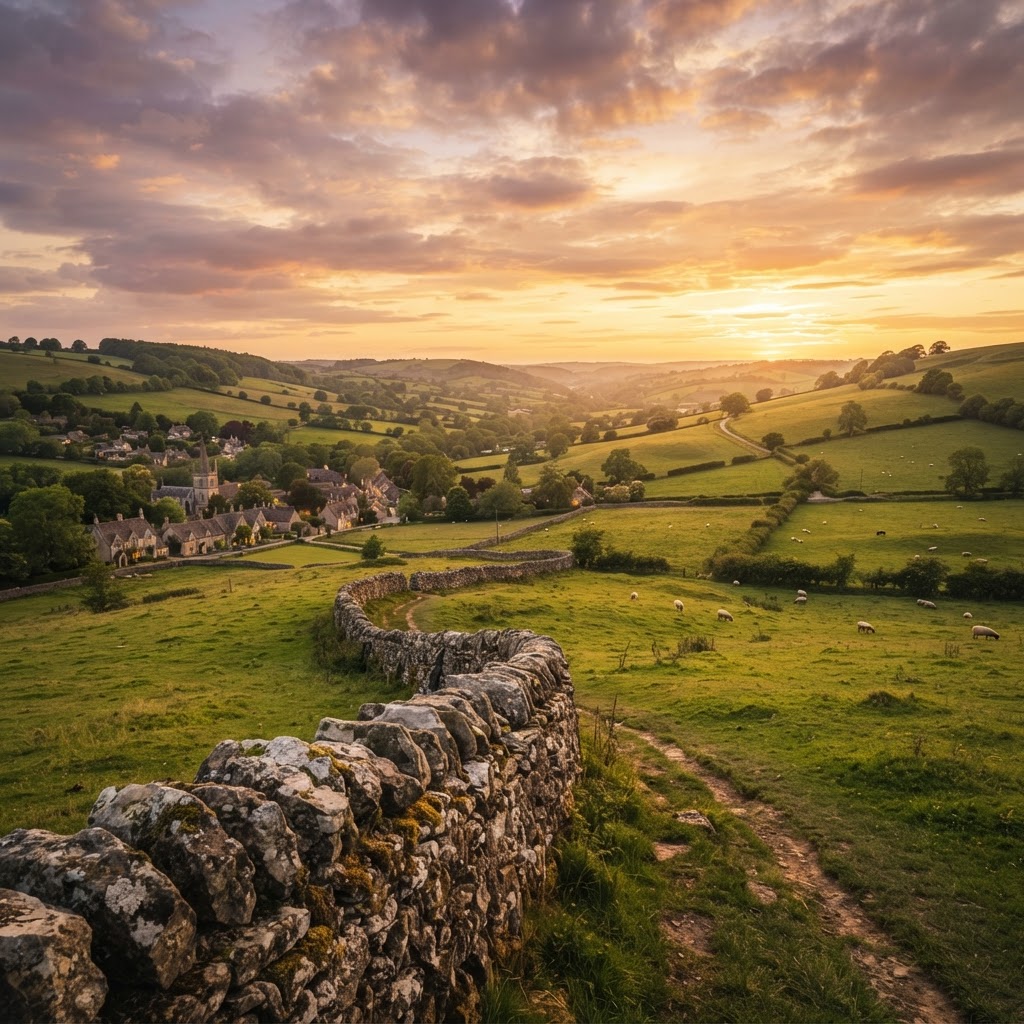
Traveling to the Cotswolds by train from London is best achieved by taking the GWR service from London Paddington to Moreton-in-Marsh, a journey of approximately 90 minutes. From this central rail hub, you can easily access iconic villages like Stow-on-the-Wold and Bourton-on-the-Water using reliable local bus services, taxis, or by walking through the scenic countryside.
The Rail Strategy: Picking Your Gateway
The secret to a car-free trip lies in choosing the right arrival station, as the Cotswolds is a vast area connected by specific rail lines that pierce the heart of the region. The primary route from London Paddington leads to Moreton-in-Marsh, a quintessential market town serving as the ultimate jumping-off point. Travelers prioritizing accessibility should note that Moreton-in-Marsh offers the most frequent bus connections to major tourist hotspots, while Kemble is the strategic choice for those visiting Cirencester or Stroud for its bohemian, artistic atmosphere. When planning your journey, booking tickets 8-12 weeks in advance via the GWR app can reduce costs by up to 60% compared to “on-the-day” walk-up fares.
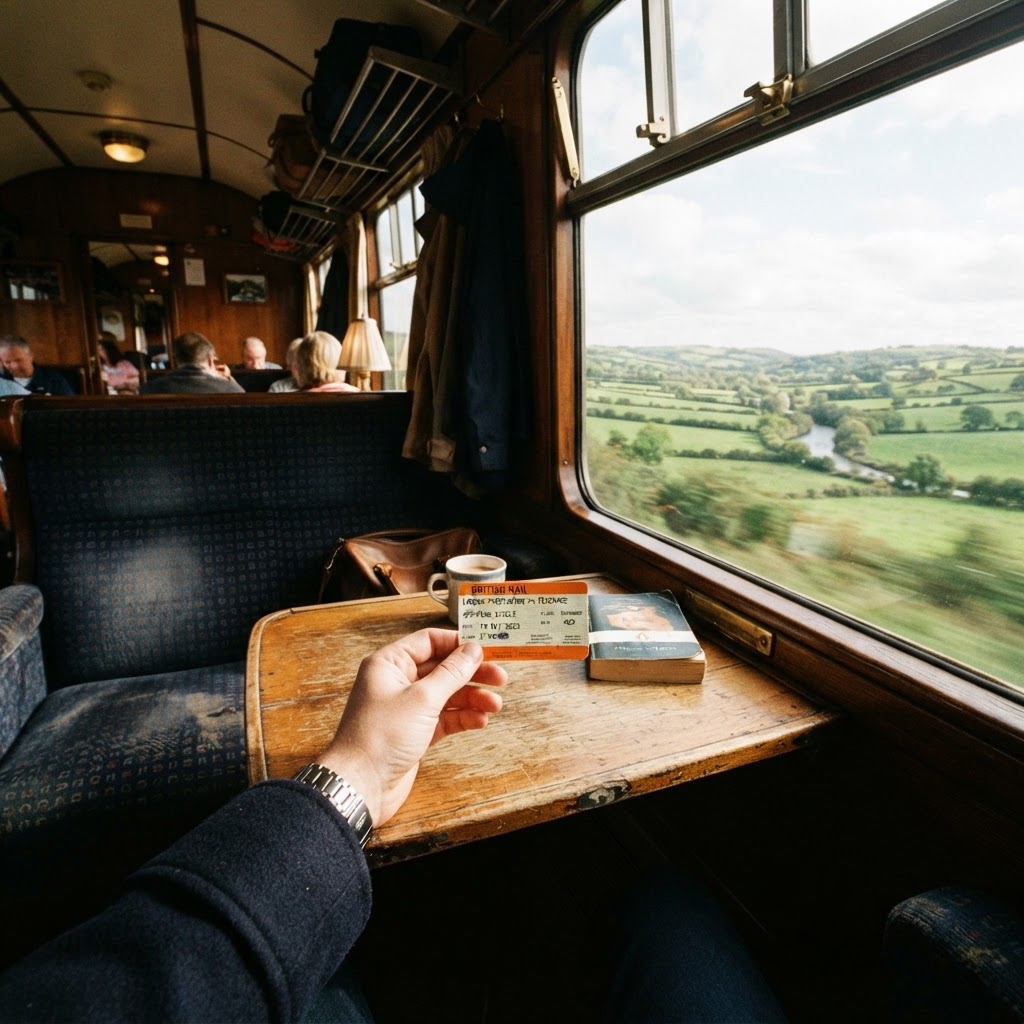
London Paddington to Moreton-in-Marsh
This is arguably the most popular route for visitors wanting the classic Cotswolds experience, typically taking 90 minutes. Once you arrive at Moreton-in-Marsh, you are within 10-15 miles of the most iconic villages. Buses and local taxis are readily available at the station, ensuring you aren’t stranded upon arrival. Below is a comparison of primary rail gateways to help you decide which fits your itinerary best.
Getting Around Without a Car
Navigating the region without a vehicle relies on a combination of scheduled bus routes and pre-arranged private transfers. The Cotswolds transport network is primarily supported by Pulhams Coaches and Stagecoach, which operate critical inter-village services. It is essential to download the “Stagecoach Bus” app or check the “Pulhams Coaches” website, as rural services often operate on restricted schedules—typically running hourly on weekdays and less frequently on Sundays. For “last mile” travel between remote hamlets where buses do not run, budgeting for a local taxi is a practical necessity. Pre-booking these private transfers at least 48 hours in advance is highly recommended, as local operators have limited capacity and taxi ranks at stations like Moreton-in-Marsh are not continuously staffed.
Utilizing Local Taxis and Private Transfers
While buses are the most cost-effective solution, private transfers provide the flexibility needed for hidden gems like Upper Slaughter. Expect to pay between £20 and £40 for a standard village-to-village transfer, depending on distance and time of day. Always secure the phone number of a reliable local driver upon arrival; they are often happy to provide a card for return journeys. By coordinating your arrival train time with a pre-booked taxi, you eliminate the stress of searching for transport in remote areas with limited cell signal.
Top Car-Free Villages to Visit
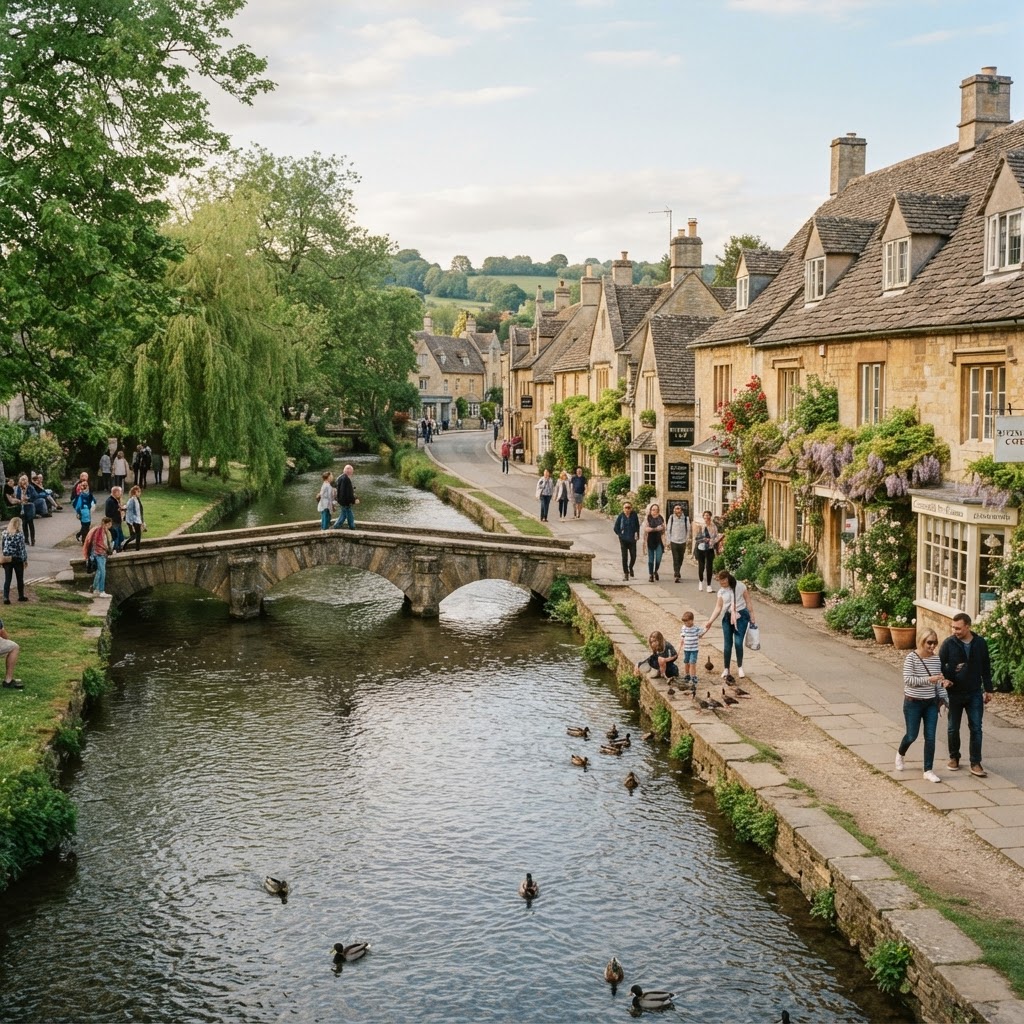
Focusing your itinerary on well-connected villages ensures you spend more time exploring and less time commuting. Bourton-on-the-Water, often called the “Venice of the Cotswolds,” is the most accessible destination, featuring the Model Village and the Motor Museum all within walking distance of the main bus drop-off points. When planning your visit, keep in mind that peak season (July–August) sees high foot traffic; visiting on a Tuesday or Wednesday provides a significantly more peaceful experience compared to weekends. These locations are perfectly situated for a car-free base, allowing you to maximize your time in the heart of the Area of Outstanding Natural Beauty.
Moreton-in-Marsh and Stow-on-the-Wold
These two towns are gems of the northern Cotswolds, linked by a frequent 15-minute bus ride on the 801 route. Moreton-in-Marsh is famous for its Tuesday market, which has been operating since 1227, while Stow-on-the-Wold is perched on a hill, offering historic architecture and a dense concentration of antique shops. This pairing is ideal for a half-day excursion, allowing you to easily manage travel between the two without needing a private vehicle.
Walking and Cycling as Primary Transport
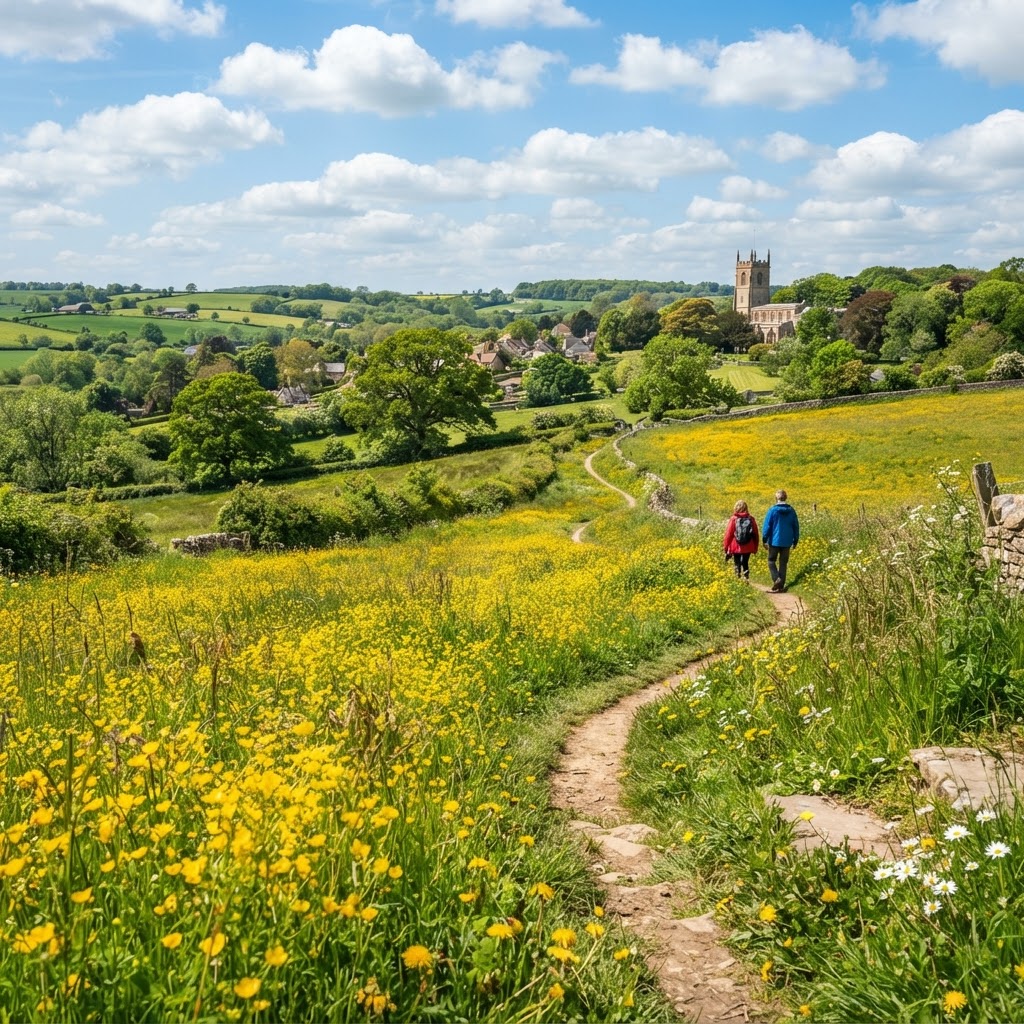
Choosing to explore via walking or cycling allows you to experience the region at an authentic pace, often finding paths that are inaccessible to motor vehicles. The Cotswold Way spans 102 miles, but short sections between Chipping Campden and Broadway offer the most dramatic escarpment views. For those who prefer two wheels, e-bike rentals are available in Moreton-in-Marsh, typically starting at £40 per day. E-bikes are highly recommended because they allow you to easily conquer the steep, rolling terrain that characterizes the region, making the distance between quiet villages manageable even for casual cyclists.
Bike Rentals for the Adventurous
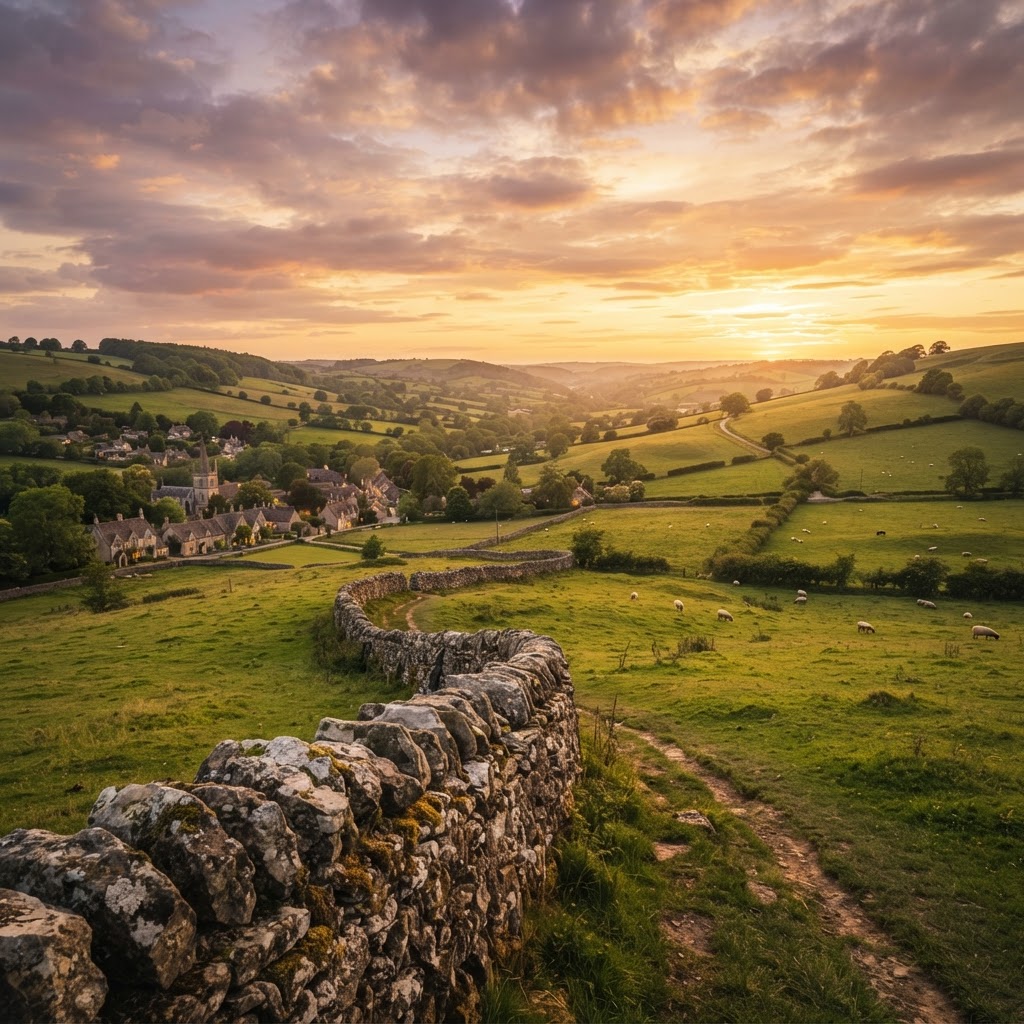
Cycling provides the freedom to pause at any picturesque dry-stone wall or hidden sheep pasture, removing the “parking stress” that plagues drivers during peak summer months. Most rental shops provide helmets, locks, and basic repair kits, ensuring you are equipped for your journey. Check the weather forecast before booking; the Cotswold hills can be exposed, making windy days more challenging for cyclists.
Practical Tips for Success
Successful car-free travel in the Cotswolds requires strategic packing and timing your transit to avoid peak congestion. Travel light with a single daypack or a carry-on size bag, as maneuvering large luggage onto local buses or rural footpaths is physically taxing. Always download offline maps, such as Google Maps or OS Maps, because rural mobile connectivity remains intermittent in the valleys. To maximize your budget and comfort, aim for off-peak train travel—after 9:30 AM on weekdays—which can save you significant money compared to peak morning commuter tickets. Visiting during the “shoulder months” of May, June, or September offers the best balance of reliable bus service frequencies and pleasant walking weather, far away from the crowded weekend spikes.
The Importance of Off-Peak Travel
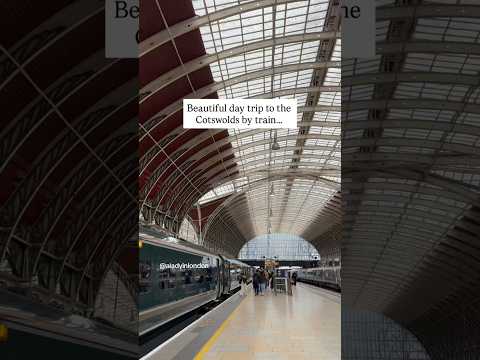
Traveling by train during off-peak hours is essential for both your wallet and your comfort. Use the GWR (Great Western Railway) website or mobile app to monitor real-time fare pricing and seat availability. By avoiding the typical “rush hour” surges, you ensure a comfortable, stress-free journey from Paddington directly to the doorstep of the countryside.
Suggested 3-Day Itinerary
Day 1: Arrive in Moreton-in-Marsh via London Paddington. Drop your bags at your hotel, grab a coffee in the town center, and take a local bus to Bourton-on-the-Water. Spend the afternoon by the river and enjoy dinner at a local pub.
Day 2: Take a morning bus or taxi to the Slaughters (Upper and Lower Slaughter), the most peaceful villages in the region. Spend the day walking between them, enjoying a cream tea at a local mill, and return to Moreton-in-Marsh in the evening.
Day 3: Take a train or bus toward Broadway. Explore this elegant village, visit the Broadway Tower for a panoramic view of the Cotswolds, and head back to the rail station for your journey home.
FAQ
Is it difficult to visit the Cotswolds without a car?
It is not difficult, provided you plan your base near major train stations like Moreton-in-Marsh or Kemble. By utilizing pre-scheduled bus services and local taxis for the “last mile” of travel, you can comfortably navigate the most popular villages without needing a rental vehicle.
How long is the train ride from London to the Cotswolds?
The train journey from London Paddington to the main gateway of Moreton-in-Marsh takes approximately 90 minutes. Other stations like Kemble or Stroud may vary slightly in duration, usually ranging between 75 and 95 minutes, depending on the specific service and number of stops.
Do I need to book my Cotswolds bus tickets in advance?
No, you generally do not need to book local bus tickets in advance. You can purchase your bus fare directly from the driver using a contactless card or cash, making it easy to hop on and off during your day of exploration.
Are there bike rentals near the train stations?
Yes, there are several bicycle and e-bike rental shops located within walking distance of the major train stations in the Cotswolds. It is recommended to contact these shops via email a few days before your trip to confirm availability and reserve your equipment for the day.
What is the best month to visit the Cotswolds by train?
The best months are May, June, and September because they offer mild weather and consistent public transport schedules. During these shoulder months, you avoid the extreme heat and peak crowds of August while enjoying long daylight hours perfect for walking between villages.
Essential Timing and Seasonal Trade-offs
Visiting the Cotswolds by train requires careful timing. The region feels completely different depending on the month you choose. Summer offers long, golden days perfect for walking, but expect crowded narrow streets in Bourton-on-the-Water. Spring and autumn provide the best balance of manageable crowds and temperate weather.
Avoid bank holiday weekends if you dislike large crowds. Trains from Paddington become extremely busy, and local buses struggle to stick to their timetables. If you visit in winter, stick to towns like Moreton-in-Marsh or Cirencester. Rural bus services are even more limited during the colder months, making exploration difficult.
How Long to Stay
Don’t try to rush the Cotswolds in a single day. You will spend too much time sitting on a bus or waiting at a station. Stay at least two nights to truly experience the atmosphere once the day-trippers head home. Three nights allow you to explore a deeper cluster of villages without feeling constantly rushed.
Common Mistakes to Avoid
- Assuming buses run everywhere: Most bus routes focus on major towns. Many smaller, picturesque villages like Castle Combe have zero public transit access.
- Forgetting the Sunday schedule: Sunday service in rural areas is drastically reduced. Always check your return train and bus connections before leaving your hotel.
- Relying on station taxi ranks: You might find zero cabs at the station upon arrival. Always pre-book a local taxi operator before you arrive at the platform.
- Packing too much: You will likely carry your bags through cobblestone streets. Pack light and use a backpack if possible to keep your hands free.
A Step-by-Step Planning Checklist
Follow this order to build your itinerary effectively. This ensures you do not get stuck without a way to reach your final destination.
- Book your rail tickets first: Secure your GWR tickets early to save money and ensure a seat on popular morning trains.
- Select your base town: Choose a town with rail access, such as Moreton-in-Marsh or Kemble, to serve as your hub.
- Check local bus maps: Visit the official operator websites to map your village-to-village connections.
- Confirm taxi numbers: Save two local taxi company numbers in your phone before you leave London.
- Download offline maps: Rural areas often have poor mobile signal. Download Google Maps for the area so you never lose your way.
Frequently Asked Questions
Can I bring a bicycle on the train to the Cotswolds?
Yes, but you must reserve a space for your bike when buying your rail ticket. Bikes are not guaranteed on every service, and space is limited. Be aware that the Cotswolds is very hilly, which can be challenging for casual cyclists.
Are there any villages I should skip?
Bourton-on-the-Water is stunning but incredibly touristy. If you prefer a quiet, authentic experience, skip the main square there and head to the smaller Slaughters or the quieter corners of Winchcombe. You will find better food and fewer queues for tea rooms.
Is it cheaper to buy an off-peak return ticket?
Absolutely. Always aim for off-peak tickets, which allow travel after 9:30 AM on weekdays. You will pay significantly less than for a standard anytime ticket. Check the GWR app to see exactly when off-peak hours begin for your specific travel date.
Budgeting for Your Trip
Budget about £60 to £100 per day if you rely on public transport and one daily taxi. Trains cost roughly £30 to £50 return if booked in advance. Food in the Cotswolds is high quality but pricey, so account for £25 for a decent pub lunch. Keep a small amount of cash, as some tiny rural cafes still prefer coins for small purchases.
Leave a Reply