Romantic Montmartre Streets: A Guide for Your Moodboard
To capture the essence of romantic Montmartre for your travel moodboard, prioritize visiting the ivy-covered Rue de l’Abreuvoir, the tranquil Place Dalida, and the historic Rue Cortot. These specific locations offer the most authentic Parisian aesthetics, characterized by 19th-century architecture, winding cobblestone paths, and timeless bohemian charm that define this artistic hilltop district.
The Charm of Rue de l’Abreuvoir
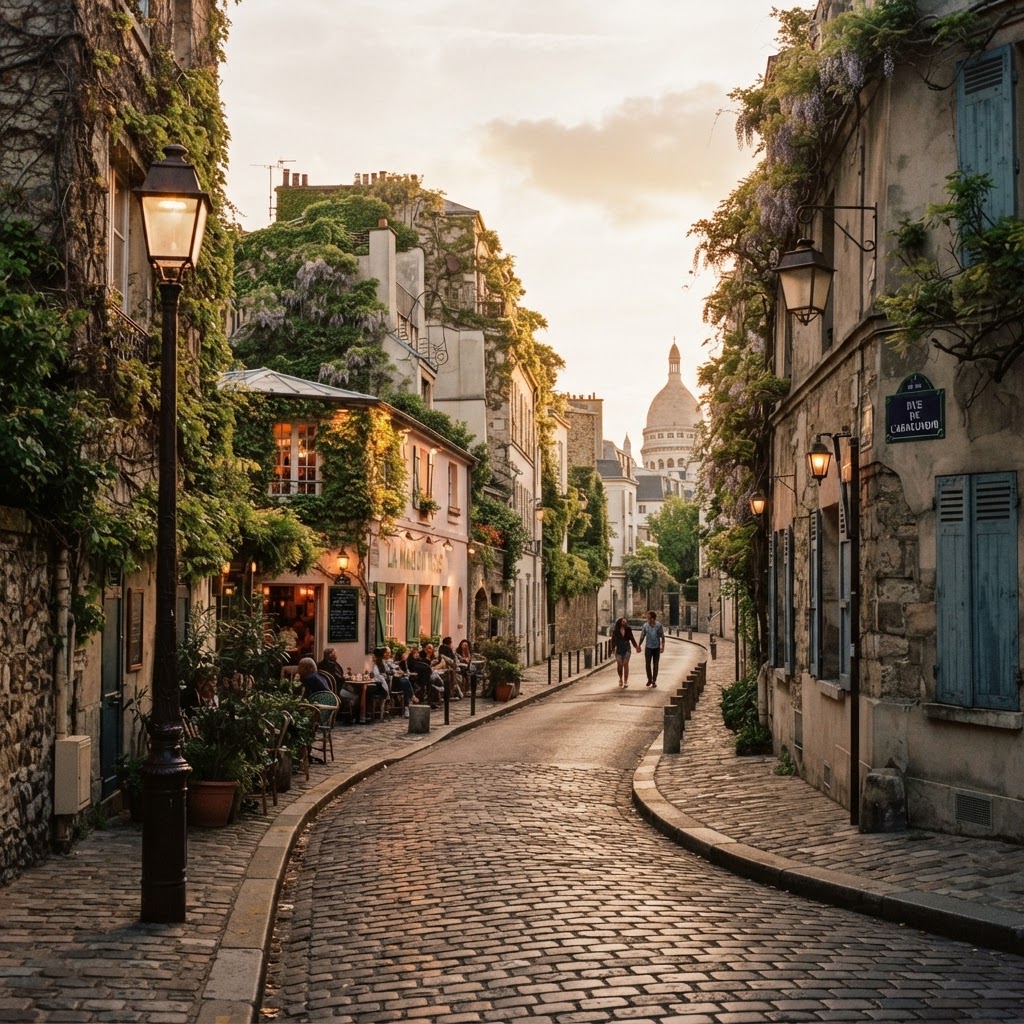
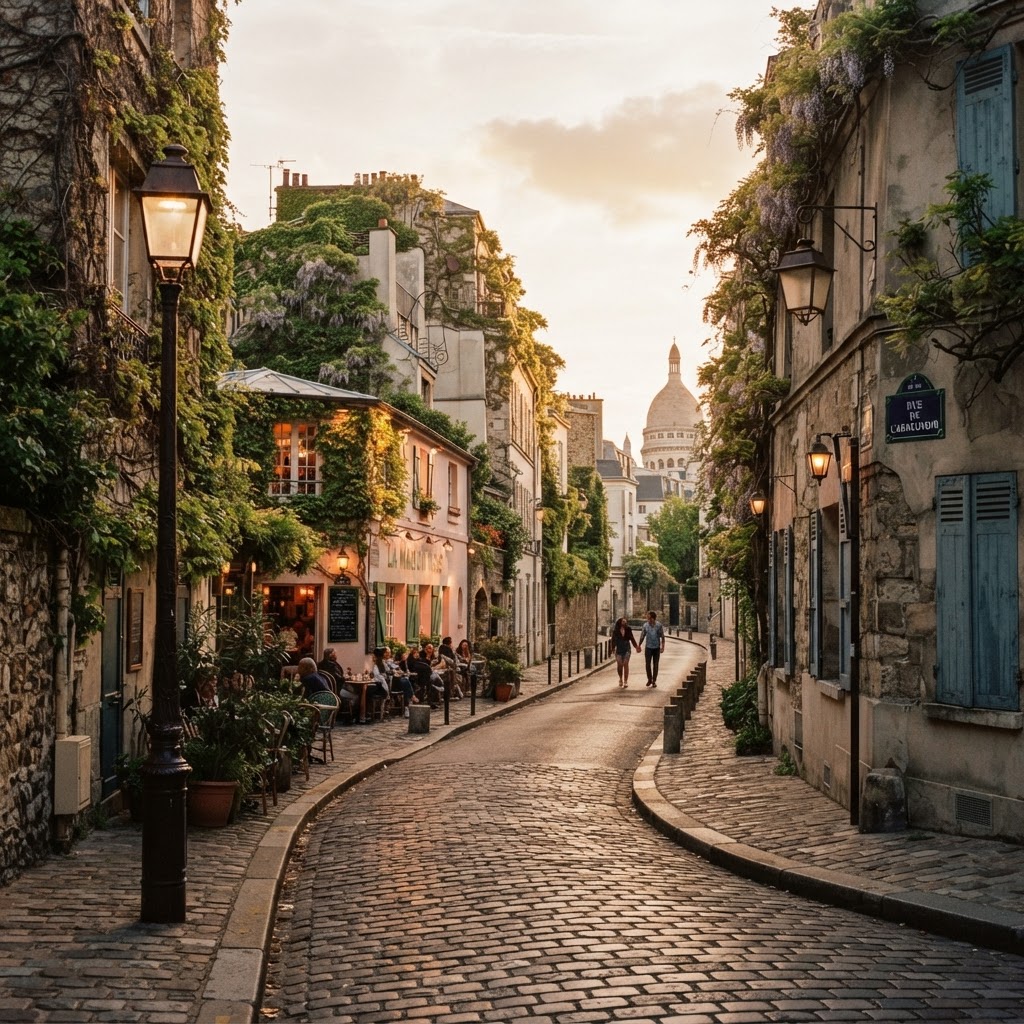
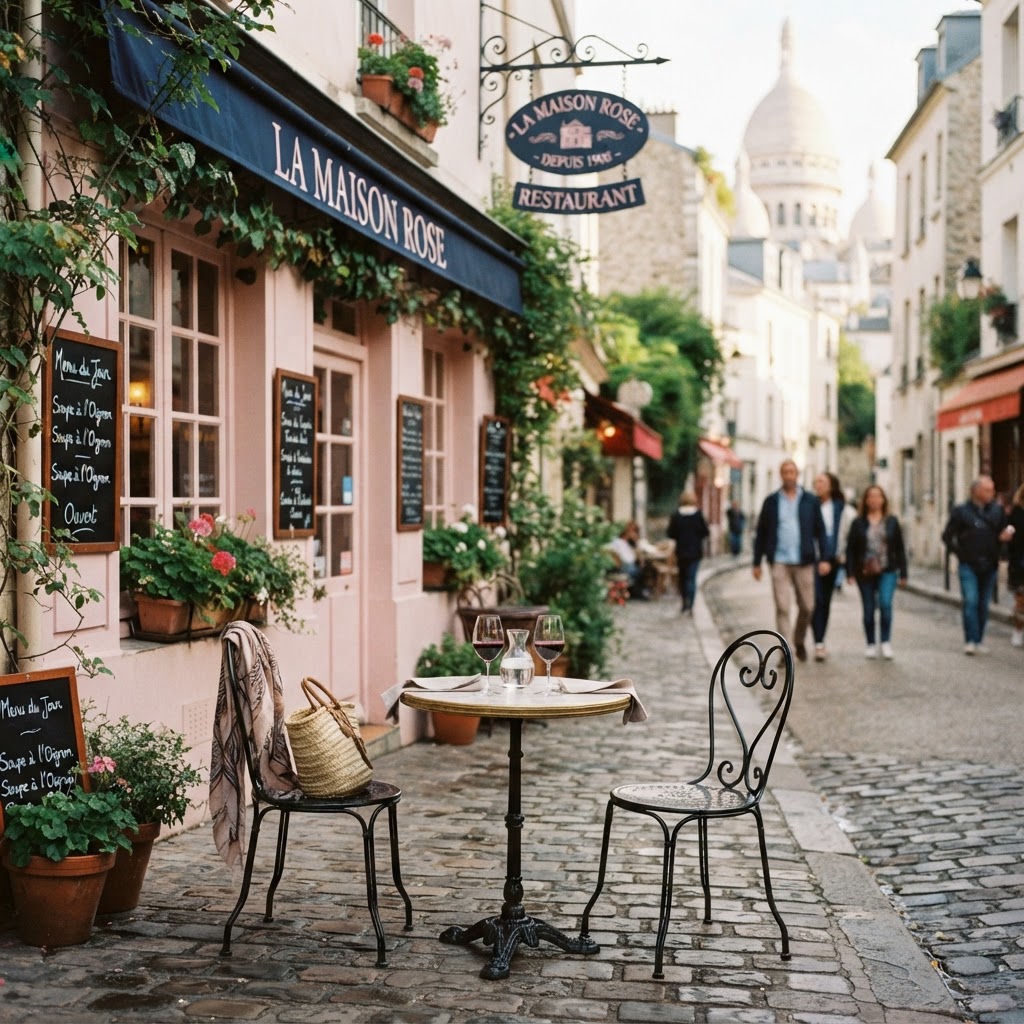
Rue de l’Abreuvoir is widely considered the most picturesque street in Paris due to its elegant curvature, historic ivy-covered stone walls, and unobstructed sightlines of the Sacré-Cœur basilica. This street serves as the ultimate visual anchor for any romantic moodboard because it maintains a “village within a city” atmosphere that has remained largely unchanged since the 1920s. The interplay of gas-style lighting and the soft shadows cast by the surrounding foliage creates a cinematic quality that is highly sought after by travel photographers and content creators looking to capture the elusive “Parisian soul.” For the best results, visit this location between 7:00 AM and 8:30 AM; this early window provides soft, diffused golden hour light while ensuring you avoid the heavy foot traffic that peaks mid-afternoon. When framing your shots, use a low-angle perspective to emphasize the curve of the street, which creates a sense of depth and invites the viewer into the scene.
Capturing the Perfect Shot
When photographing this street, focus on the low-angle perspective to emphasize the curve of the road. The interplay of shadows and light against the stone walls provides a natural, painterly texture for your travel moodboard. Avoid peak tourist hours; visiting at sunrise ensures the light is soft and the crowds are thin, allowing you to focus on the architectural details rather than other visitors.
Exploring the Place Dalida and Beyond
Place Dalida serves as a tranquil, reflective pivot point in Montmartre, offering a necessary contrast to the busier tourist hubs located closer to the Place du Tertre. This quiet square is dedicated to the legendary French-Egyptian singer Dalida, who lived in the nearby townhouse at 11 bis Rue d’Orchampt. The centerpiece of the square is a bronze bust of the singer, which has become a landmark for travelers seeking a moment of stillness. Surrounding the square are some of the district’s most exclusive residential buildings, characterized by their high, gated walls and manicured greenery. This location is essential for your moodboard if you want to represent the intimate, “local-only” side of Paris. Unlike the loud, bustling centers of the 18th arrondissement, this square maintains an eerie, romantic silence that feels lifted from a vintage noir film, providing excellent opportunities for monochromatic or high-contrast street photography.
The Artistic Legacy of Rue Cortot
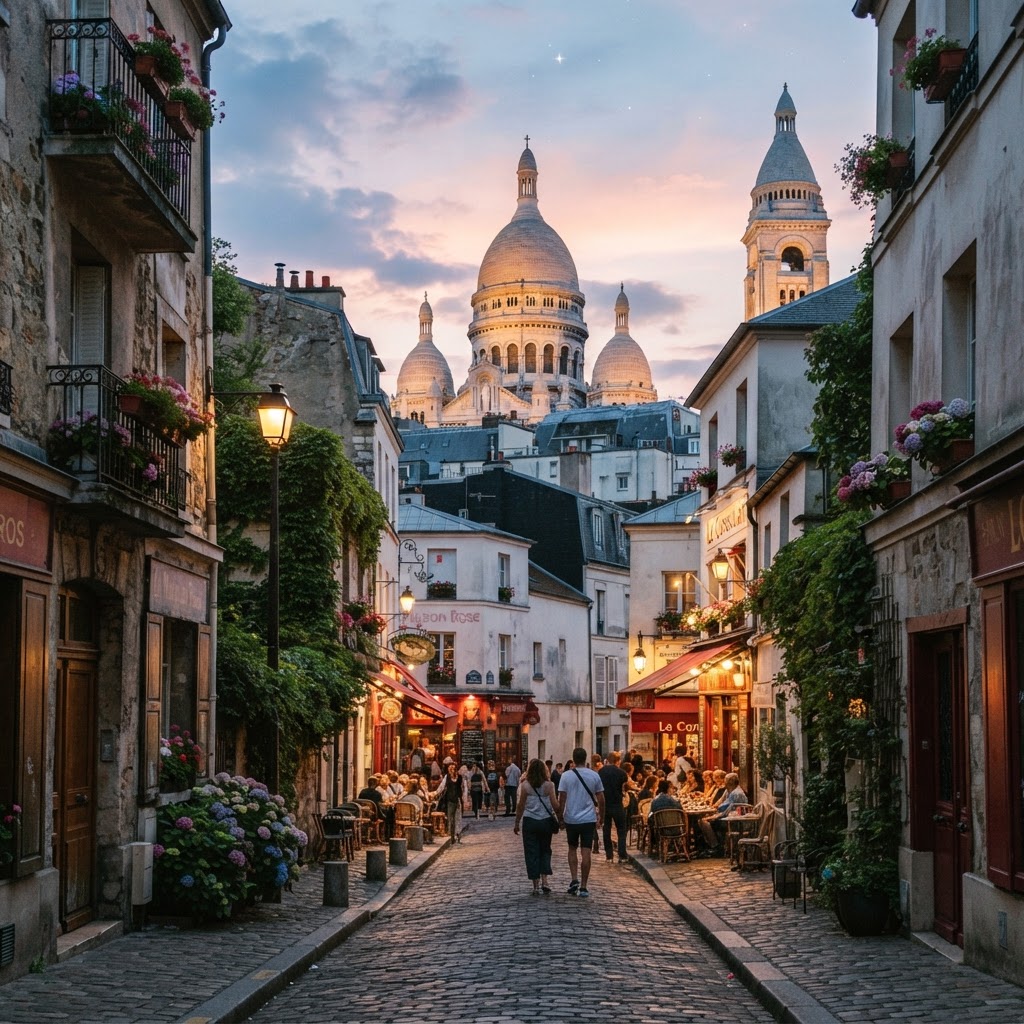
Rue Cortot is arguably the most historically significant street in the neighborhood, acting as the gateway to the Musee de Montmartre and the last remaining vineyard in the city, the Clos Montmartre. This street feels like a secret passage through time, defined by high, ivy-choked walls that obscure the modern city and keep the bohemian spirit of the 19th century alive. Historically, this area was the epicenter of artistic output in Paris; Renoir lived here from 1875 to 1877 and produced some of his most famous works, including Le Bal du moulin de la Galette, in the gardens nearby. Including imagery from Rue Cortot in your moodboard adds layers of historical sophistication and depth. The juxtaposition of the lush, organic greenery of the vineyard against the sharp, pale limestone buildings provides a perfect visual contrast. It is a location that demands patience and observation, as the best photo opportunities often occur when the light filters through the canopy of trees lining the narrow passage.
Why It Matters for Your Moodboard
Adding images from Rue Cortot to your collection brings a sense of history and quiet sophistication. The juxtaposition of the lush vineyard greenery against the pale stone buildings captures the contrast of nature and urban life. It represents the authentic, bohemian history of Montmartre that many visitors hope to find beyond the tourist traps.
Climbing the Famous Stairs of Montmartre
Montmartre’s dramatic topography is defined by its iconic network of staircases, which function as both essential navigation tools and visually dynamic elements for your travel narrative. The most famous of these, the Escalier de la Rue Foyatier, consists of over 200 steps and serves as a direct, strenuous, and rewarding path toward the Sacré-Cœur basilica. While the climb requires physical exertion, it provides a unique vertical vantage point that is difficult to find elsewhere in Paris. For your moodboard, these stairs offer sharp geometric lines, repetitive patterns, and a sense of verticality that adds structural interest to static collections. Beyond the famous thoroughfare of Foyatier, smaller, less-frequented paths such as the Escalier de la Rue Drevet reveal the contemporary edge of the district, often covered in evolving street art and local murals. These smaller stairs represent the transition of the neighborhood from a historic village to a modern artistic hub, providing an essential layer of grit to your collection.
Hidden Staircase Treasures
Beyond the main thoroughfare, search for the smaller, less crowded staircases like the Escalier de la Rue Drevet. These smaller paths are often adorned with street art or local murals, offering a more contemporary, edgy side of Montmartre. They are perfect for showing the evolution of the neighborhood from a historic village to a modern artistic hub.
The Vibrant Vibe of Rue des Saules
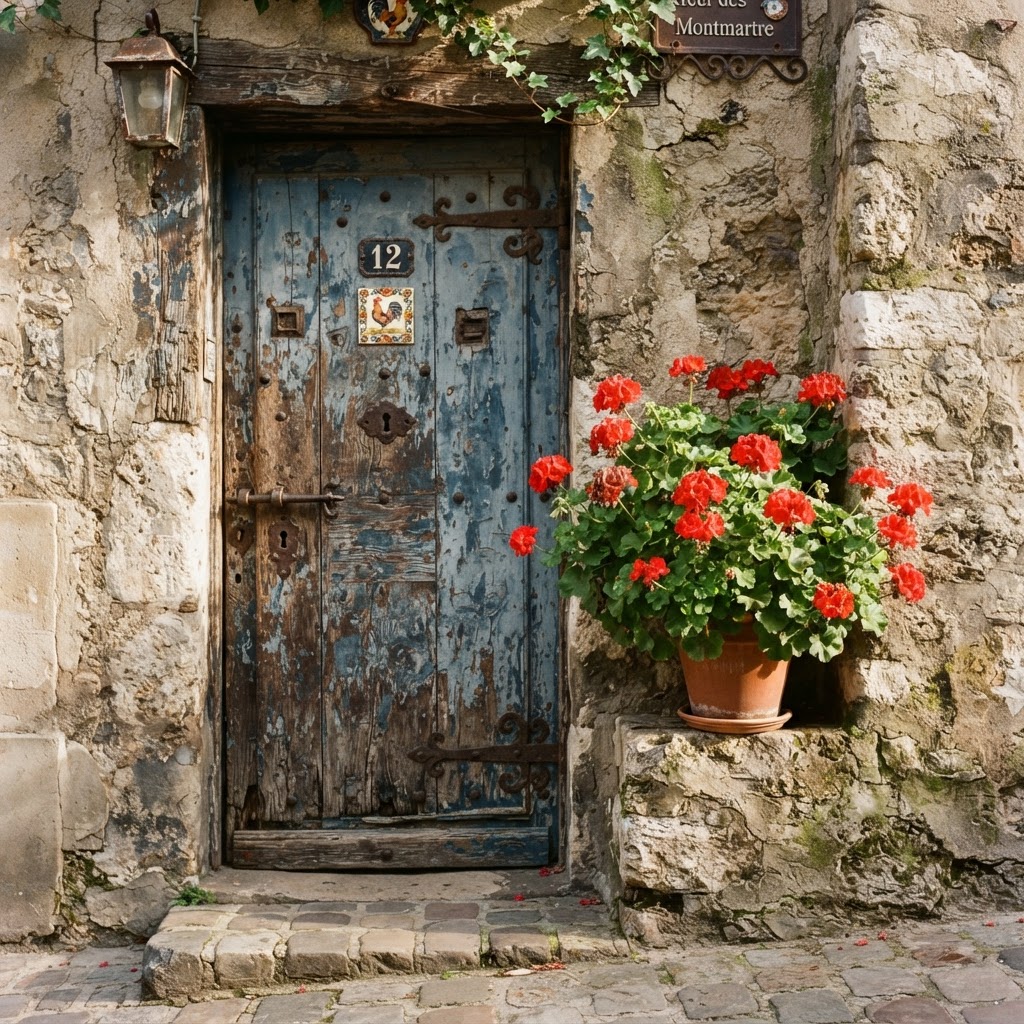
Rue des Saules is the definitive location for those seeking the “Old Montmartre” experience, anchored by the iconic Lapin Agile cabaret and the historic vineyard borders. Walking along this street feels like stepping directly onto a film set, as the cobblestones, rustic shuttered windows, and antique street lamps create a cozy, nostalgic atmosphere. This street is essential for any travel moodboard that prizes architectural heritage and authentic local character. The area is largely residential, meaning you can often capture images of Parisian life—such as flower boxes or antique doors—without the interference of large crowds. The light here hits the facades of the buildings in a unique way during the late afternoon, creating long, dramatic shadows that enhance the texture of the old masonry. It is a location that embodies the romanticism of the past, making it a critical stop for your photography tour.
Tips for Your Montmartre Walking Tour
To maximize your experience, begin your tour at the Abbesses metro station, which is the deepest station in the Paris network at 36 meters underground. From there, head upward toward the hill, but remember that the neighborhood consists of steep, uneven inclines and original 19th-century cobblestones that are treacherous for heels. Wear comfortable, supportive walking shoes to ensure you can navigate these passages without fatigue. Always keep your camera ready, as the most romantic moments in Montmartre often occur in the transition between famous landmarks—the quiet, unexpected corners where the light hits a balcony or a stray cat crosses a narrow alley. When building your final visual narrative, mix wide-angle shots of the sweeping city views with macro textures, such as the moss growing on brick walls or the intricate ironwork of classic Parisian balconies. Using a consistent, desaturated color palette or a vintage film filter will help tie these varied shots together into a cohesive, professional moodboard.
Building Your Visual Narrative
When curating your moodboard, mix wide shots of the sweeping city views with close-up textures like moss on a brick wall or the intricate ironwork of a balcony. This variety helps tell a complete story. Use consistent filters or editing styles to tie these disparate images together into a cohesive look that represents your personal aesthetic.
Embracing the Bohemian Spirit
Ultimately, the appeal of these streets lies in their ability to make you feel like a character in a classic story. Whether you are drinking wine in a corner café or wandering through a narrow alleyway, Montmartre rewards those who are willing to slow down and observe. By documenting these romantic locations, you are not just keeping a memory; you are preserving the feeling of what it means to be alive in one of the world’s most beautiful cities.
FAQ
Q: What is the best time of day to photograph Montmartre without crowds?
The best time to photograph Montmartre is between 7:00 AM and 9:00 AM on weekdays. Arriving early allows you to capture the streets in soft, golden morning light before the major tour groups arrive and the shops open for business.
Q: Are the stairs in Montmartre difficult to navigate?
Yes, the stairs in Montmartre can be physically demanding due to the steep inclines and uneven, historical cobblestone surfaces. It is recommended that you wear flat, sturdy walking shoes rather than heels to prevent injury and navigate the area comfortably.
Q: Which metro station is closest to the romantic streets of Montmartre?
The Abbesses station (Line 12) is the closest and most iconic starting point for a romantic tour of the area. It is famously the deepest metro station in Paris, placing you right at the base of the hill for a scenic walk upward.
Q: Is there an entrance fee to see the Montmartre vineyards?
The Clos Montmartre vineyard is a private property that is generally closed to the public, but you can view it clearly from the street level on Rue des Saules. You do not need to pay an entrance fee to admire the vines from the sidewalk.
Q: How much time should I allocate for a walking tour of Montmartre?
You should allocate at least 3 to 4 hours to thoroughly explore the streets and capture enough content for a moodboard. This allows for walking between locations at a leisurely pace while accounting for time spent setting up photos at major points like Rue de l’Abreuvoir.
Leave a Reply