The Timeless Beauty of Venice Canals: A Traveler’s Guide
Venice is a historic city built on 118 small islands separated by 177 canals and linked by over 400 pedestrian bridges. These waterways function as the city’s primary transport arteries, balancing a legacy of engineering ingenuity, Renaissance architecture, and a delicate, evolving ecosystem that defines the unique Venetian urban experience.
The Engineering Marvel Behind the Waterways
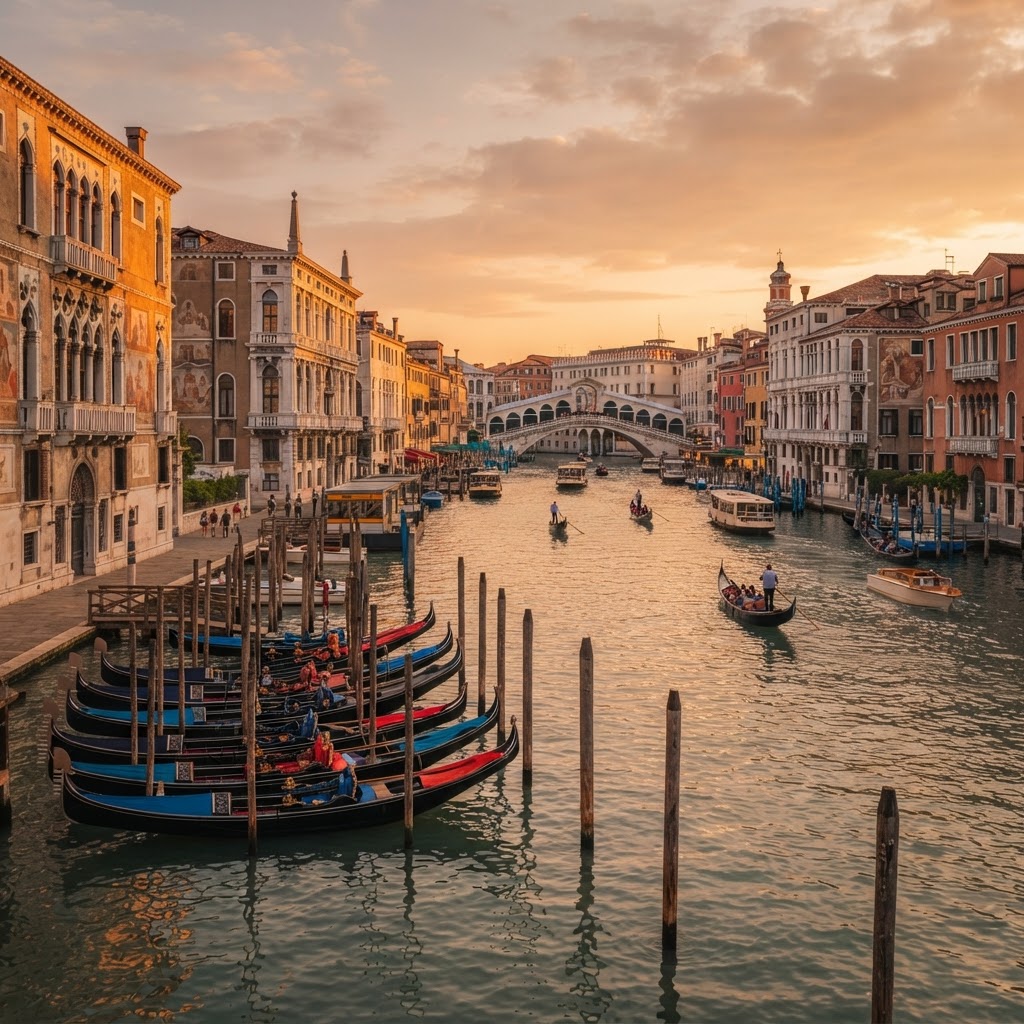
The foundation of Venice relies on a sophisticated, centuries-old engineering feat: millions of larch and oak wooden piles driven deep into the lagoon’s clay subsoil. Because these piles exist in an oxygen-deprived environment, they do not rot; instead, they have mineralized over time, effectively turning into stone that supports the heavy marble and brick palaces above. This system, established between the 5th and 15th centuries, allows the city to literally float on water.
The canal network is segmented into the 3,800-meter-long Grand Canal and approximately 150 smaller secondary canals. Unlike standard cities, Venice manages a complex “water traffic” system where municipal services, ambulances, and waste collection all occur via boat. Residents and tourists navigate the six sestieri—San Marco, Cannaregio, Castello, Dorsoduro, San Polo, and Santa Croce—using the Vaporetto (water bus) system, which functions as the city’s public transit backbone.
Navigating the Grand Canal
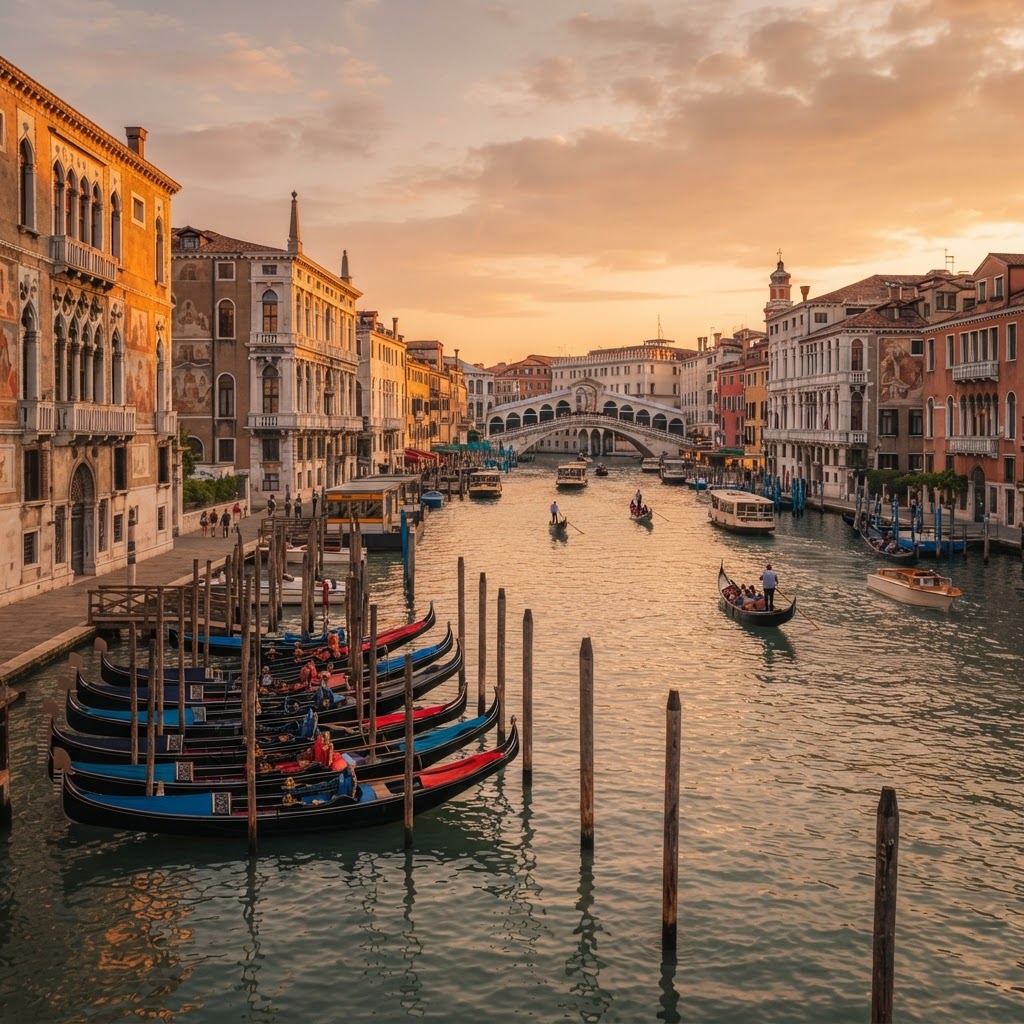
The Grand Canal functions as the main “highway” of the city, winding in an S-shape from the Santa Lucia train station to the St. Mark’s Basin. Lined by over 170 historic buildings that date primarily from the 13th to the 18th century, it showcases a mix of Venetian-Gothic, Renaissance, and Baroque styles. Travelers should prioritize viewing the Rialto Bridge at sunset, as the golden hour lighting enhances the intricate stonework of the surrounding palazzos. For logistics, water taxis are faster but significantly more expensive, costing roughly €60-€100 per trip, whereas a single vaporetto ticket is €9.50, offering a more economical way to traverse the main artery.
The Romantic Allure of Gondolas
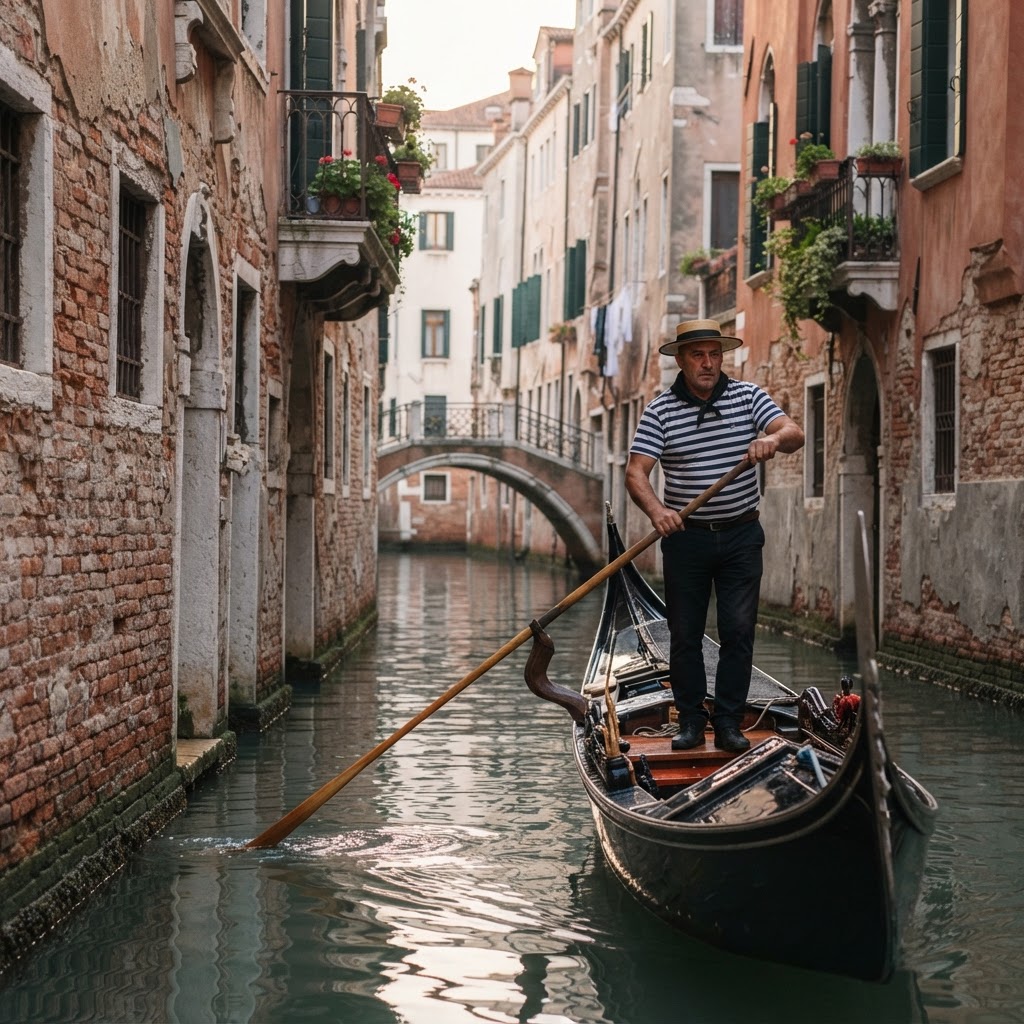
Gondolas are handcrafted vessels specifically designed for the shallow, narrow channels of Venice, featuring an asymmetric hull that allows a single oarsman to navigate effectively. There are approximately 400 active gondoliers in the city today, a profession passed down through generations and regulated by the “Ente Gondola.” These boats are built from eight different types of wood and contain 280 distinct components, ensuring stability and maneuverability in tight corners.
While popular, a gondola ride is best enjoyed in the quieter back canals of districts like Dorsoduro or Cannaregio to avoid the heavy traffic of the Grand Canal. This perspective offers a serene, intimate look at the city’s foundations and private canal-side entrances, away from the tourist masses.
Understanding Gondola Pricing and Etiquette
Gondola rates are strictly fixed by the Venice city administration to prevent tourist exploitation. As of current regulations, a standard 30-minute daytime tour costs €90, while the rate increases to €110 after 7:00 PM. It is industry-standard etiquette to pay the gondolier directly in cash at the end of the trip. Always confirm the duration and the route before boarding, as some gondoliers may offer customized tours based on specific historical landmarks if requested in advance.
Architecture Along the Water
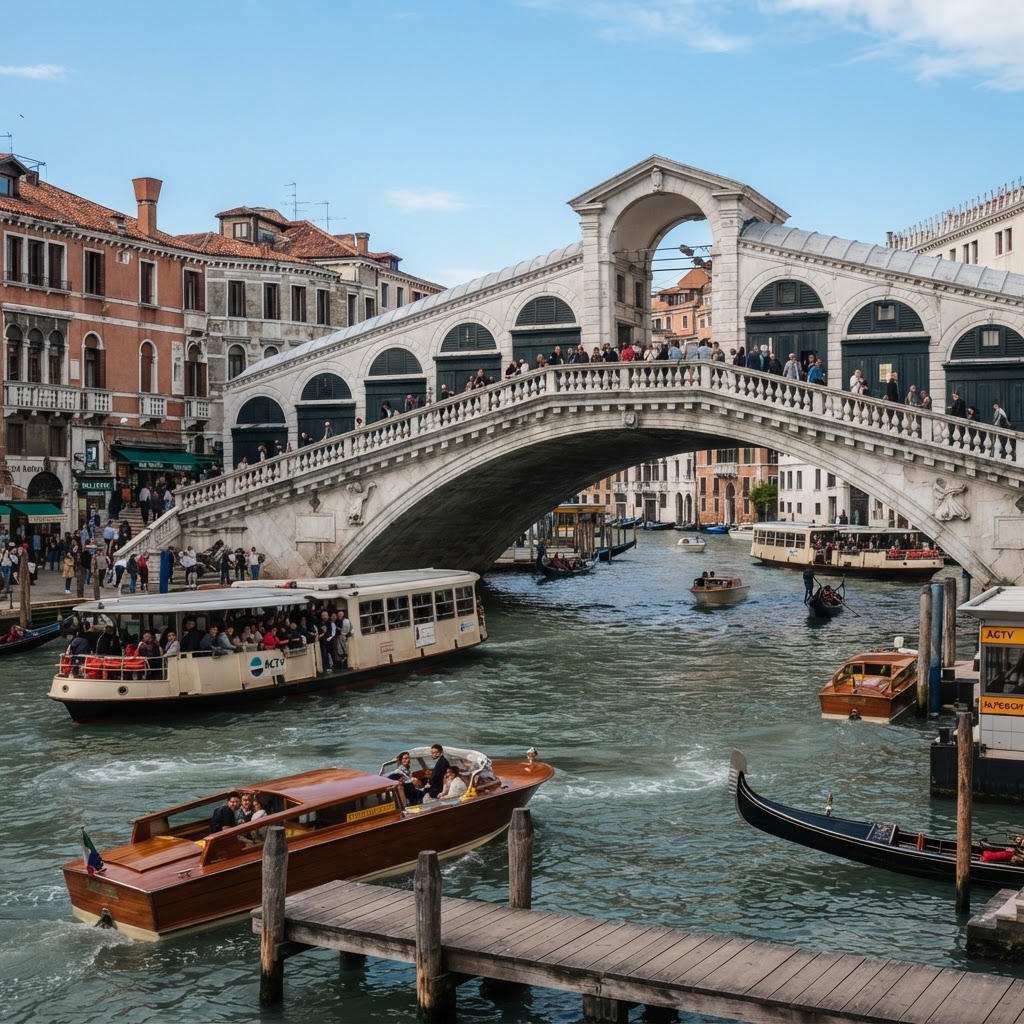
Venetian architecture is a unique hybrid resulting from the city’s history as a maritime crossroads between East and West. The “Venetian-Gothic” style is characterized by the use of pointed arches—a direct influence from Islamic and Byzantine architecture imported by merchants—combined with heavy, ornate stone facades. Many palaces along the canals were built with light materials like brick covered in expensive Istrian stone to reduce the weight on the underwater pilings.
The Sestieri Experience
Exploring the quieter sestieri is the only way to see the authentic Venetian way of life. In districts like Castello, you will find active boatyards and local markets where the “Acqua Alta” (high water) is a routine part of life, managed by elevated walkways. Walking these districts allows visitors to observe the structural maintenance required to keep the city standing, including the ongoing “MOSE” project, a system of mobile barriers designed to protect the lagoon from storm surges and rising sea levels.
Sustainable Tourism in the Lagoon
Preserving Venice requires conscious tourist behavior, as the lagoon ecosystem is under threat from pollution and erosion caused by large vessel wakes. Visitors should avoid large cruise ship excursions, as these contribute to significant sediment disruption. Instead, support local “artisan” shops in the sestieri rather than buying mass-produced souvenirs. Staying in locally-owned “Locanda” (small inns) instead of massive international hotels ensures that your tourism expenditure remains within the local economy.
Additionally, noise pollution is a significant concern for the roughly 50,000 residents still living in the historic center. Sustainable tourism means maintaining a respectful volume when walking through residential canals and using public vaporetto lines instead of private water taxis, which produce larger wakes that damage canal walls.
When to Visit for the Best Views
The timing of your visit affects both your comfort and your access to the city’s sights, with “Acqua Alta” being a significant factor in late autumn and winter.
Must-See Canals and Bridges
The Bridge of Sighs is the most iconic, but the city features 435 bridges total, 300 of which are made of stone. For the best views, visit the Ponte dell’Accademia for an expansive shot of the Grand Canal or wander the smaller Rii (narrow canals) of the Ghetto area in Cannaregio, which offers deep historical context and unique architecture without the crowds.
FAQ
Q: What is the best way to see the Venice canals on a budget?
Use the Vaporetto Line 1, which runs the entire length of the Grand Canal. A single 75-minute ticket costs €9.50, providing an affordable water-level tour of the city’s most famous palaces.
Q: Why do the canals sometimes smell?
During low tide in hot summer months, the water circulation slows down, which can create temporary odors from the silt and algae. This is a natural occurrence in a shallow saltwater lagoon and not a reflection of poor hygiene.
Q: Do I need to tip my gondolier?
No, tipping is not mandatory or expected for gondoliers in Venice. The price is strictly regulated by the city, and the driver receives the full fare, so no additional gratuity is required.
Q: Can you swim in the Venice canals?
No, swimming in the canals of Venice is strictly prohibited by city law and is considered dangerous due to boat traffic and water quality. Violators face significant fines from local authorities.
Q: What is Acqua Alta?
Acqua Alta is the periodic flooding of Venice caused by high tides in the Adriatic Sea. It typically occurs between November and March, during which the city sets up elevated walkways to allow pedestrians to navigate dryly.
Leave a Reply