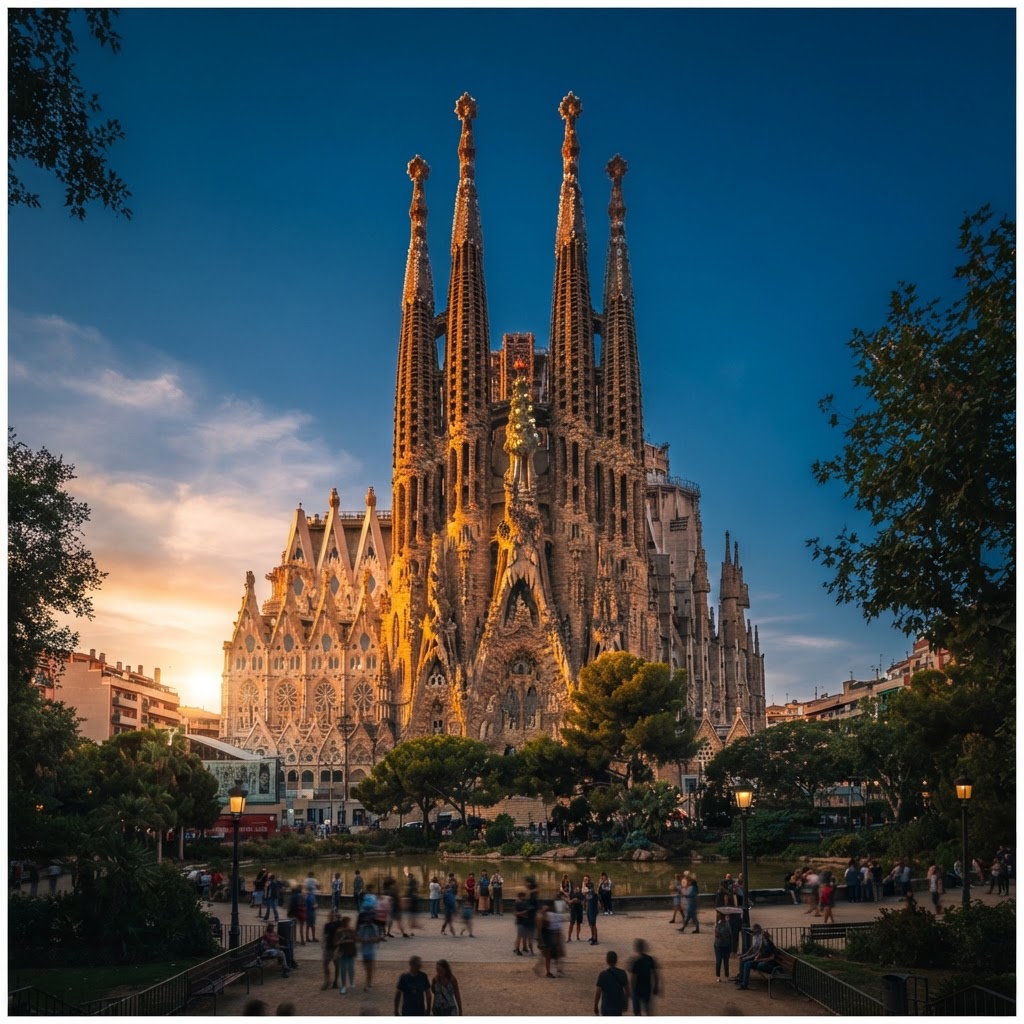
Golden light transforms Barcelona’s architecture by bathing its limestone façades and Mediterranean Modernist mosaics in a warm, honey-hued glow that accentuates intricate textures. This phenomenon occurs during the hour before sunset, when the low-angle sun illuminates Gaudi’s trencadís tiles and the Gothic Quarter’s historic stone, revealing architectural details often hidden in harsh midday shadows.
The Magic of the Mediterranean Sunset
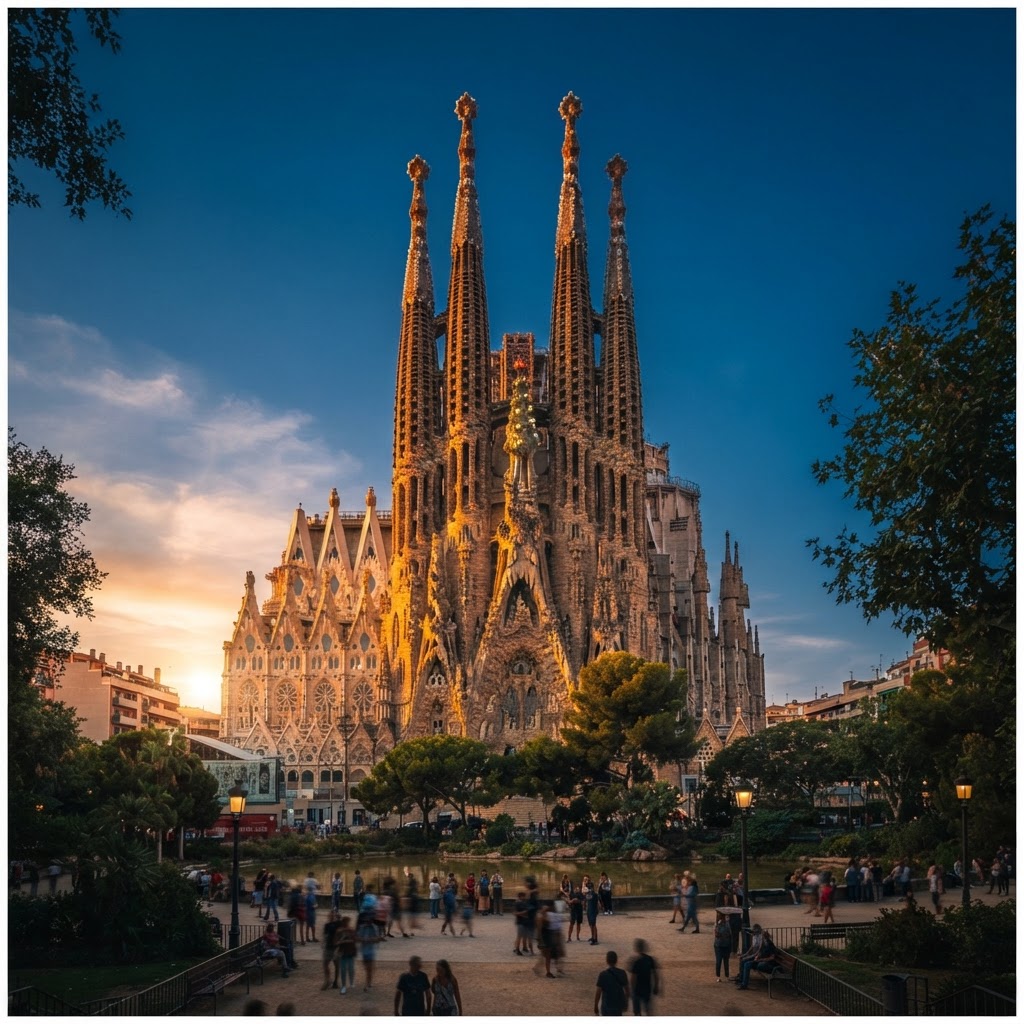
Barcelona sits at a latitude of approximately 41.38° N, which provides a rich, golden spectrum during the hour before sunset, particularly due to the clear atmosphere reflecting off the Mediterranean Sea. This low-angle light is essential for highlighting the intentional design of Catalan Modernist architects who used reflective materials to capture solar energy and brilliance. When you stand before these buildings during golden hour, you are witnessing a precise engineering dialogue between light refraction and human construction. The city’s unique orientation allows for an extended golden window, often lasting up to 75 minutes in mid-summer, providing ample time for professional documentation of the interplay between light and surface geometry.
Architectural Surface Performance Comparison
Why Light Matters in Barcelona
The city’s architectural identity is defined by its material palette, specifically the creamy Montjuïc stone and the vibrant, fragmented ceramic tiles of the Eixample district. These surfaces function as natural diffusers, absorbing golden-hour light and radiating a warm, welcoming glow that mitigates the intensity of direct Mediterranean glare. By timing architectural observation for the “golden window,” you reveal microscopic textures, such as the floral carvings on balconies or the irregular pores of historic brickwork, which are otherwise flattened by the high-noon sun. This lighting shifts the visual experience from a standard street-level view to a high-contrast exploration of depth, shadows, and color temperature.
Capturing Gaudi’s Masterpieces in Gold
Antoni Gaudi’s work utilizes biomimetic principles that respond dynamically to changing light conditions, making the golden hour the optimal time for architectural photography. The Sagrada Familia’s Nativity façade, in particular, features deep reliefs that catch the setting sun, creating a celestial glow that emphasizes the complex sculptural iconography. As the sun moves, the stone transitions from a neutral grey to a deep, warm gold, effectively “waking up” the carvings of flora and fauna. By positioning yourself at the north end of Plaça de Gaudí approximately 60 minutes before the official sunset time, you can capture the direct light hitting the towers as they contrast against the darkening eastern sky, an effect that is physically impossible during any other time of day.
The Iridescence of Casa Batlló
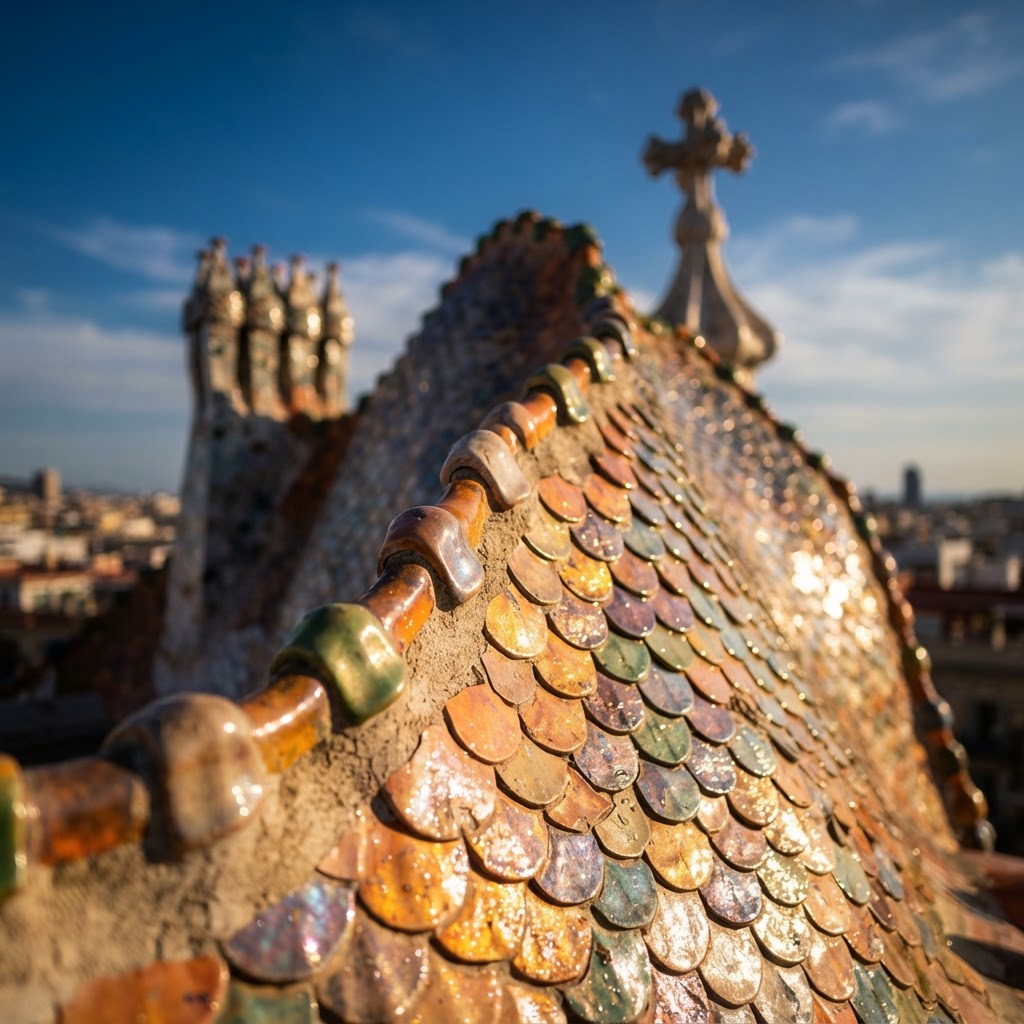
Moving to the Passeig de Gràcia, Casa Batlló undergoes a specific chromatic transformation due to its scale-like roof and iridescent façade. The building’s dragon-back roof is covered in thousands of ceramic scales that refract light, causing them to pulse with orange, teal, and gold hues as the sun dips below the horizon. The bone-like balconies cast long, dramatic shadows that provide a 3D effect, adding an eerie, playful layer to the structure’s organic aesthetic. Photographers should aim to capture the reflection of the sun directly on the upper façade to see the true “liquid gold” effect created by Gaudi’s application of broken ceramic shards, which maximize the reflective surface area compared to flat mosaic tiles.
Exploring the Gothic Quarter’s Warm Glow
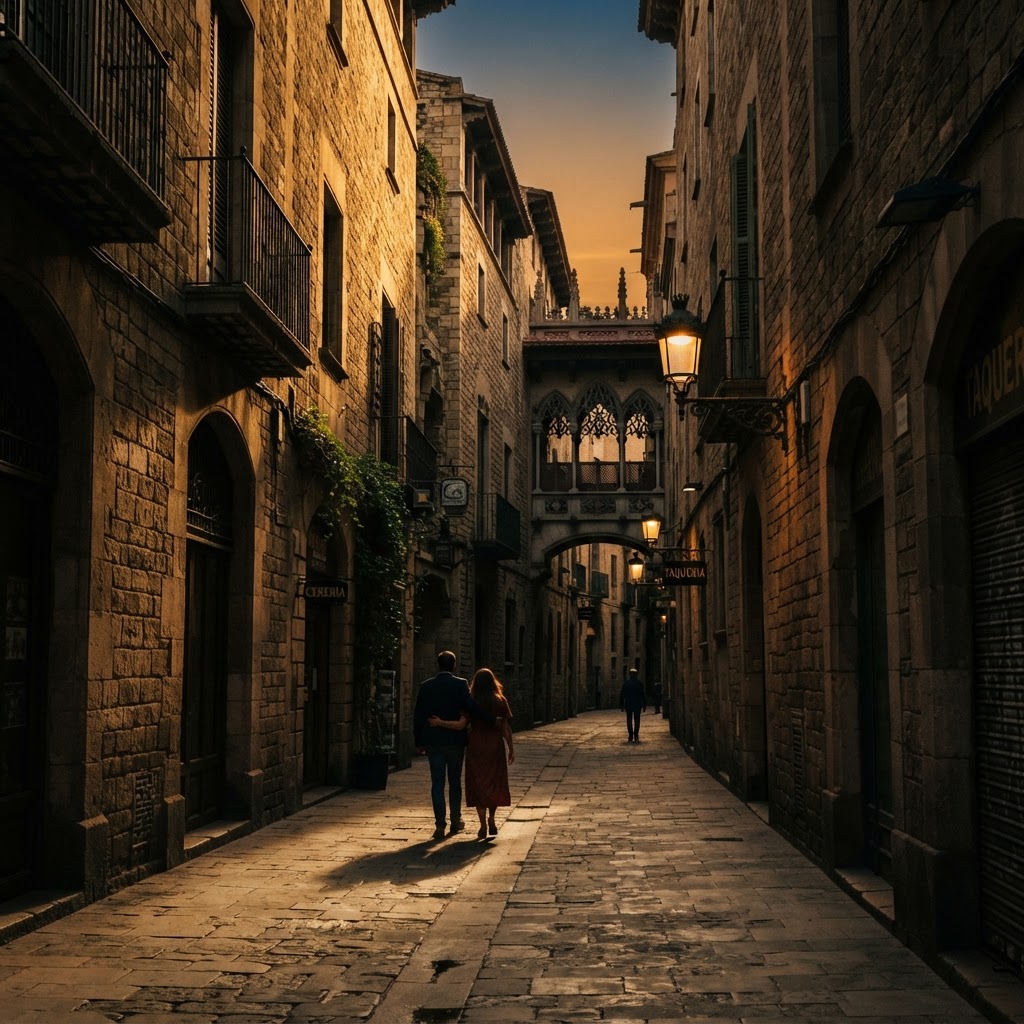
Barri Gòtic creates a unique “canyon of gold” effect due to its dense, winding layout, which forces light to bounce repeatedly between century-old stone walls. Unlike the expansive views of Modernist landmarks, the Gothic Quarter provides an intimate experience where the low-angle sun creates sharp, narrow bands of light that contrast with deep, cool shadows in the alleyways. The weathered, porous stone of the Barcelona Cathedral absorbs these rays, producing a golden patina that emphasizes the history of the building, which dates back to the 13th and 14th centuries. Walking through these alleys just before dusk offers a consistent light temperature, usually between 2500K and 3000K, which is ideal for capturing the rich, aged texture of the city’s oldest masonry.
Hidden Alleys and Sun-Drenched Plazas
To capture the most dramatic lighting, seek out smaller, less-crowded squares like the Plaça de Sant Felip Neri, where the sun filters through tree canopies to create flickering, organic patterns on the historic walls. This environment creates a distinct chiaroscuro effect, separating the illuminated upper levels of buildings from the dark, atmospheric shadows below. By focusing on these pockets of light, photographers can create compositions that emphasize scale and time, as the contrast makes modern elements fade while the historical architecture remains prominent. These moments of stillness in the plaza are best captured during the final 20 minutes before sunset, when the light intensity drops and the “golden” hue reaches its maximum saturation.
Recommended Locations for Golden Hour Photography
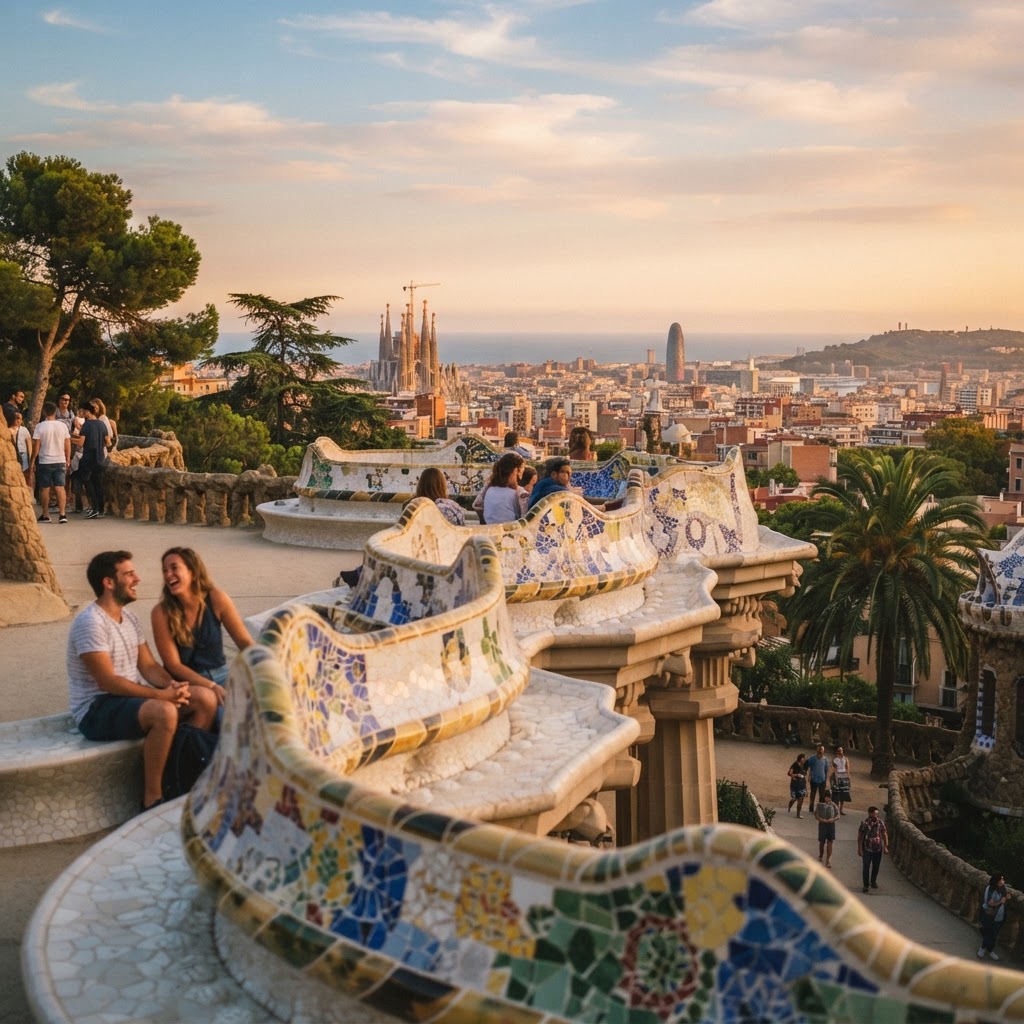
Planning your route is critical for capturing the fleeting golden hour in Barcelona, as the sun moves behind the city’s high buildings quickly. The following guide provides the optimal schedule for reaching the best vantage points to ensure you do not miss the peak light conditions.
The Role of Materials in Reflecting Light
Barcelona’s architects were master technicians who calculated the use of glass, metal, and polished stone to maximize internal brightness and external aesthetic impact. The glass galleries prevalent in Eixample residential buildings act as prisms, scattering golden sunlight into living spaces, an architectural choice designed to increase natural illumination before the advent of modern electricity. When the sun hits these glass surfaces at an angle, it creates internal refraction, giving the buildings a warm, inviting glow that is visible from the street. This use of materials demonstrates a deep understanding of the Mediterranean sun’s path, ensuring the city’s architecture remains functional and visually engaging regardless of the season.
Trencadís: The Art of Fragmented Light
Gaudi’s signature technique, trencadís, uses broken pieces of ceramic tile applied to irregular surfaces to create a light-scattering effect that no other material can replicate. Because each shard is set at a slightly different angle, the surface acts as an array of microscopic mirrors, catching the light from various directions simultaneously. During the golden hour, this technique causes buildings like Casa Batlló and Park Güell to appear as if they are covered in molten, shifting gold. This optical engineering provides a dynamic viewing experience, as the building’s colors and highlights change in real-time as the observer walks past, effectively turning static stone into a living, reflective light installation.
Practical Tips for the Traveling Photographer
To optimize your golden hour shoot, prioritize a route that moves from the sprawling Modernist façades of the Eixample toward the historic center as the light wanes. Always use a circular polarizer filter to manage the intense reflections from the glass windows and glazed tiles, which can easily cause overexposure if not balanced. Furthermore, check the daily sunset time for your specific travel dates using tools like the Solar Tracker app; sunset in Barcelona can range from 5:30 PM in December to 9:30 PM in June. By arriving 15 minutes before the stated “best time,” you ensure you can secure a stable shooting position in popular areas like Parc Güell or the Sagrada Familia square.
Respecting the Architecture and the Residents
Many of Barcelona’s architectural icons are active places of worship or private residences, requiring visitors to be mindful and respectful during their photography sessions. Avoid blocking entrances, stairways, or narrow walkways in the Gothic Quarter, which are often heavily trafficked by locals during the early evening hours. By keeping your gear compact and avoiding the use of tripods in congested, narrow pedestrian zones, you contribute to a sustainable tourism environment that keeps these landmarks accessible for everyone. A respectful approach ensures that you can enjoy the city’s golden hour without interfering with the daily lives of the people who call these masterpieces home.
FAQ
What time does golden hour start in Barcelona?
Golden hour in Barcelona generally begins about one hour before the official sunset time. Because sunset times vary by season, it is recommended to check a local weather app to see the exact time for your specific travel date.
Which Gaudi building is best to photograph at sunset?
Casa Batlló is considered the best Gaudi building for sunset photography due to its iridescent trencadís roof, which catches the light in ways that make the colors shift and sparkle. The Sagrada Familia is a close second, offering superior sculptural detail during the golden hour.
Do I need a tripod to photograph Barcelona at sunset?
A tripod is helpful for long exposures but is often unnecessary if you have a modern camera with image stabilization or a smartphone. If you decide to use one, ensure it is compact and keep it off high-traffic paths to respect the local pedestrian flow.
Are there any restrictions for photography at these locations?
Most exterior photography in public streets and parks is unrestricted, but you should always respect “no filming” signs at private properties. Some cathedrals and landmarks also have specific rules against professional gear like large tripods or artificial lighting equipment inside the premises.
Is it better to visit the Gothic Quarter or Eixample at sunset?
Eixample is better for capturing large-scale Modernist details and bright, reflective surfaces in the direct sun. The Gothic Quarter is superior if you prefer intimate, atmospheric photography involving light, shadow, and deep, textured historic stone masonry.
Leave a Reply