
Discovering Norway’s Wild Coastal Beauty: A Traveler’s Guide
Norway’s wild coastal beauty is defined by its massive, glacially-carved fjords, the dramatic mountain peaks of the Lofoten islands, and a 100,000-kilometer coastline that stretches from the North Sea into the Arctic Circle. This jagged, pristine landscape offers world-class opportunities for witnessing the Northern Lights, exploring historic fishing villages, and encountering rare marine wildlife.
The Geography of the Norwegian Coastline
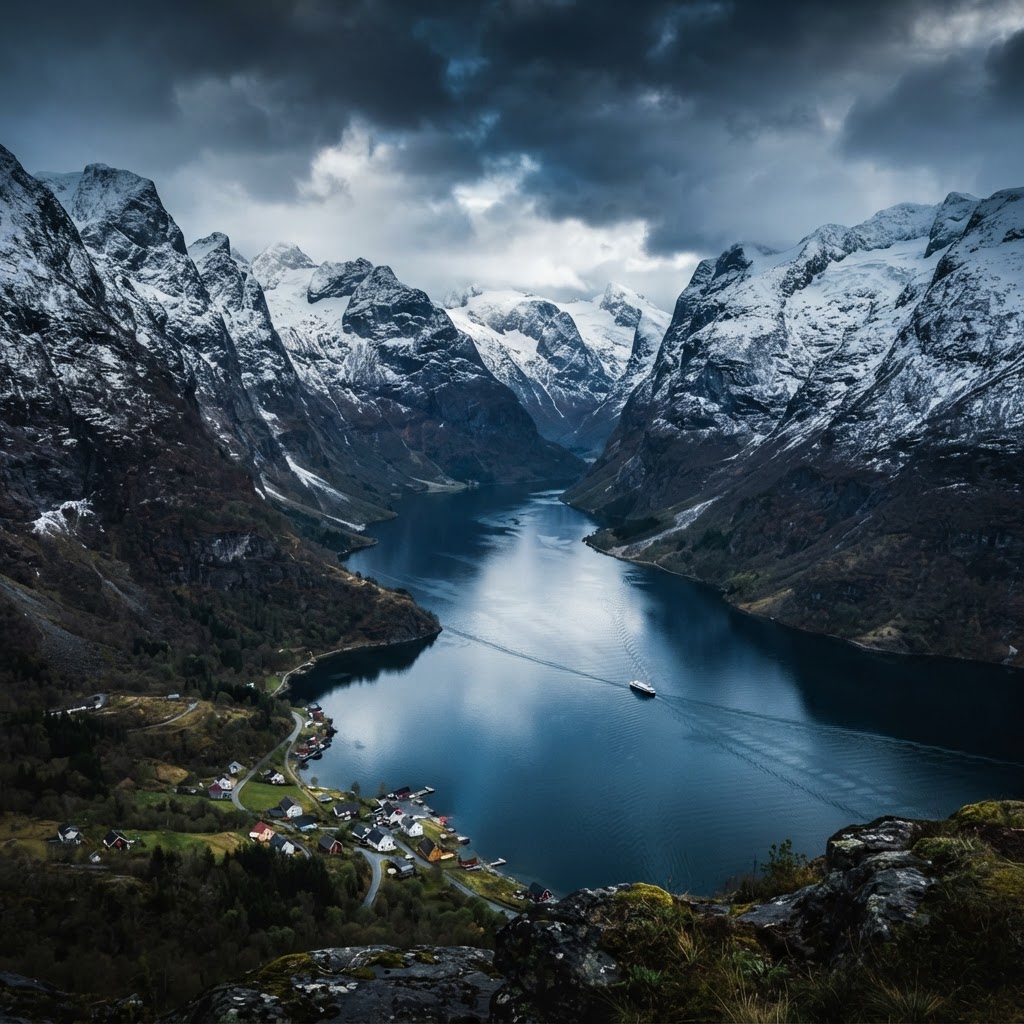
The coast of Norway is defined by its extreme irregularity, consisting of over 239,000 islands and thousands of deep-cut fjords that create one of the world’s longest coastlines. This complex topography acts as a natural barrier, shaping the climate and the livelihoods of local populations who rely on the nutrient-rich North Atlantic waters.
The Role of Glaciation
Millions of years ago, massive ice sheets ground through the mountains, creating the U-shaped valleys we now call fjords. These inlets penetrate far into the land, reaching depths of up to 1,300 meters, creating tranquil harbors that contrast sharply with the turbulent open sea. Understanding this history helps travelers appreciate the scale of what they are witnessing.
Islands and Archipelagos
Beyond the fjords, the islands scattered along the coast act as a buffer against the North Atlantic. From the iconic Lofoten archipelago to the remote Vesterålen, each island group possesses a distinct character. These islands provide nesting grounds for countless seabirds and support communities that have lived off the bounty of the sea for centuries.
Unforgettable Fjords and Coastal Views
No trip to experience Norway’s wild coastal beauty is complete without visiting the famous fjord regions, which are protected by strict environmental laws to maintain their aesthetic integrity. Geirangerfjord and Nærøyfjord, both UNESCO World Heritage sites, serve as the crown jewels, offering vertical walls that rise over 1,000 meters above the waterline.
Geirangerfjord and Nærøyfjord
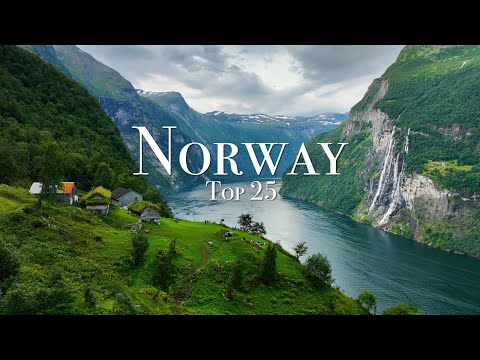
These two fjords are UNESCO World Heritage sites for good reason. They represent the classic vision of Norway: cascading waterfalls like the ‘Seven Sisters’ dropping from dizzying heights into emerald-colored waters. Taking a ferry through these passages offers a perspective that is impossible to achieve from the shore, providing access to abandoned mountain farms accessible only by boat.
Activities for the Adventurous
For the active traveler, the fjords provide endless opportunities for kayaking and hiking. Paddling quietly along the reflection of the mountains allows for intimate encounters with marine life, such as harbor seals and porpoises, which frequently visit the calmer fjord waters. Always hire certified guides to ensure safe passage through unpredictable tidal currents.
The Magic of the Lofoten Islands
Lofoten is arguably the jewel in the crown of Norway’s wild coastal beauty, offering a paradoxical mix of rugged granite peaks and Caribbean-style white sandy beaches. Located 100 to 300 kilometers inside the Arctic Circle, the region maintains a surprisingly mild climate due to the warming influence of the Gulf Stream.
Traditional Fishing Villages
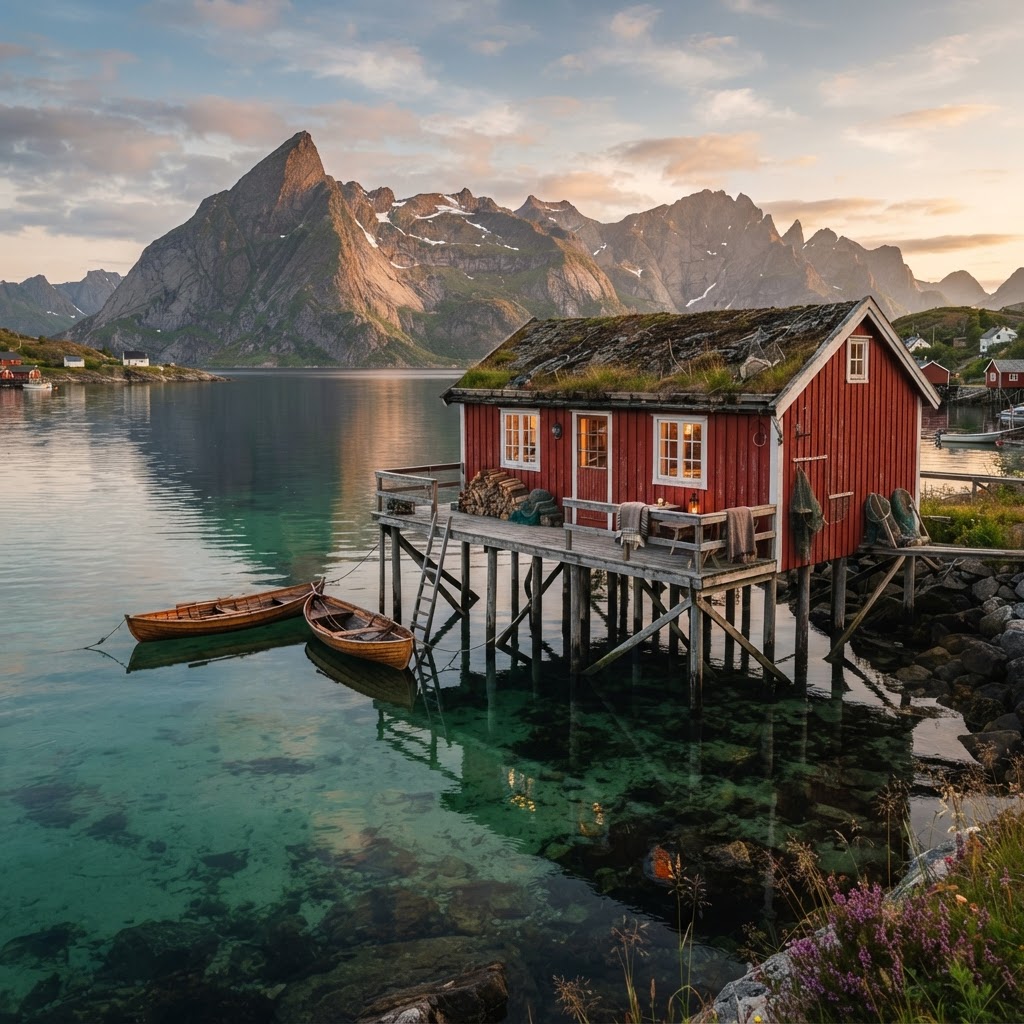
The red wooden cabins, or ‘rorbuer,’ perched on stilts above the water, are emblematic of the region. Originally built for visiting fishermen in the 12th century, many have been converted into cozy accommodations for travelers. Staying in a rorbu allows you to wake up to the sound of the tide and the cries of sea eagles, with prices typically ranging from $150 to $400 USD per night depending on the season.
Seasonal Phenomena
Depending on when you visit, Lofoten offers two extreme natural displays. In the summer (May to July), you can experience the Midnight Sun, where daylight stretches into the early hours of the morning. Conversely, winter (September to March) brings the dance of the Northern Lights, turning the coastal sky into a canvas of neon green and violet.
Coastal Wildlife and Marine Biodiversity
The cold, nutrient-rich waters of the Norwegian coast sustain a vibrant ecosystem that supports some of the highest concentrations of biodiversity in the North Atlantic. Observing this wildlife is a cornerstone of any eco-conscious visit to the region, requiring travelers to adhere to a respectful distance of at least 50 meters from marine mammals.
Bird Watching at Røst
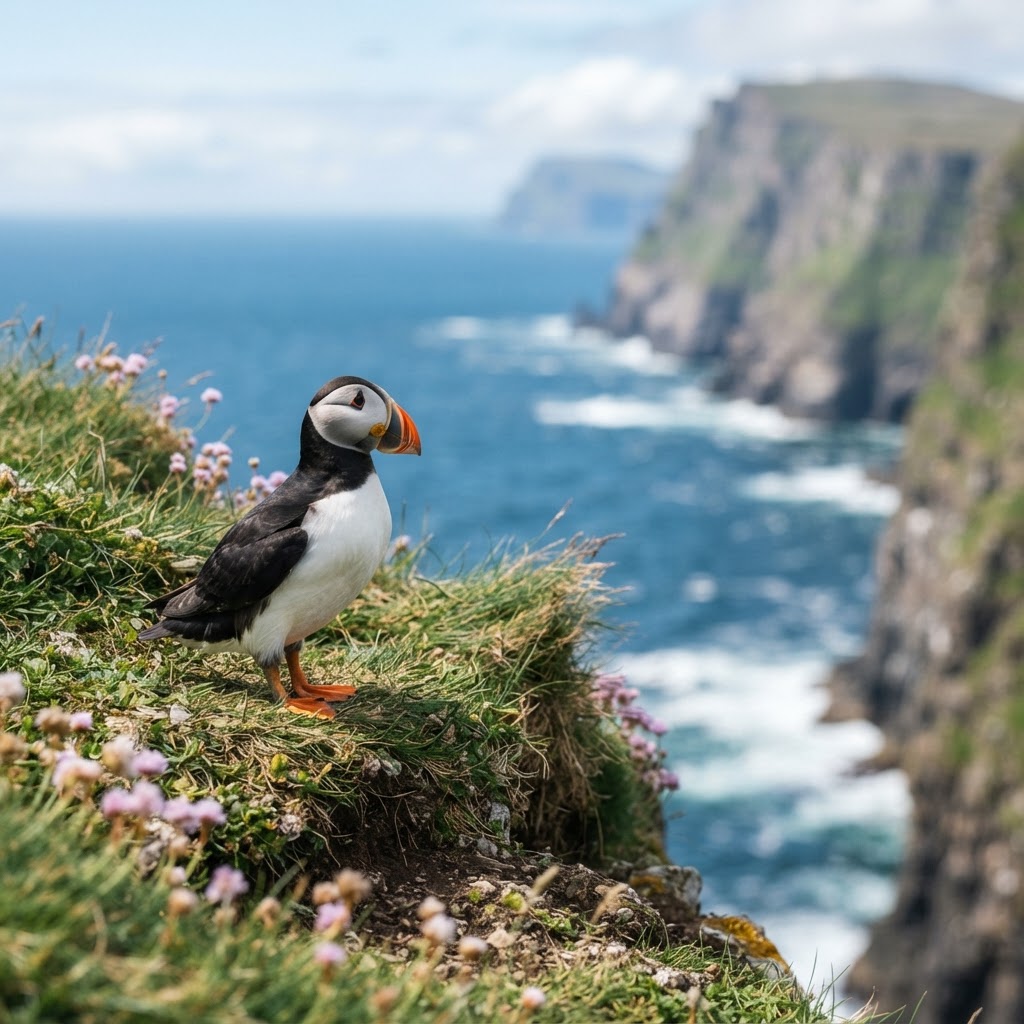
The island of Røst is home to one of the largest seabird colonies in Europe, hosting over 2 million puffins during the peak nesting season. Puffins, guillemots, and razorbills dominate the cliffs during the breeding season. It is a sensory experience defined by the constant movement and vocalizations of millions of birds, best viewed from guided boat excursions.
Whales of the North
In the winter months (November to January), orca and humpback whales follow the herring migrations into the fjords near Tromsø and Andenes. Specialized boat tours adhere to strict environmental regulations, ensuring that visitors can witness these giants of the deep without disturbing their natural behaviors. Whale sightings in this region have an success rate of over 90% during peak migration windows.
Coastal Culture and Sustainable Tourism
To truly understand Norway’s wild coastal beauty, one must engage with the local culture, which is deeply rooted in the concept of ‘friluftsliv.’ This philosophy of ‘open-air living’ dictates that the environment is a shared public resource that must be treated with reverence, ensuring that nature remains accessible for future generations.
Preserving the Fragile Coast
As tourism grows, the focus remains on sustainability. Norway has implemented strict regulations, including ‘zero-emission’ requirements for cruise ships entering world heritage fjords by 2026. Travelers are encouraged to support local food producers, many of whom specialize in sustainable fishing practices that have been passed down through generations.
Essential Travel Tips
Navigating the Norwegian Coast
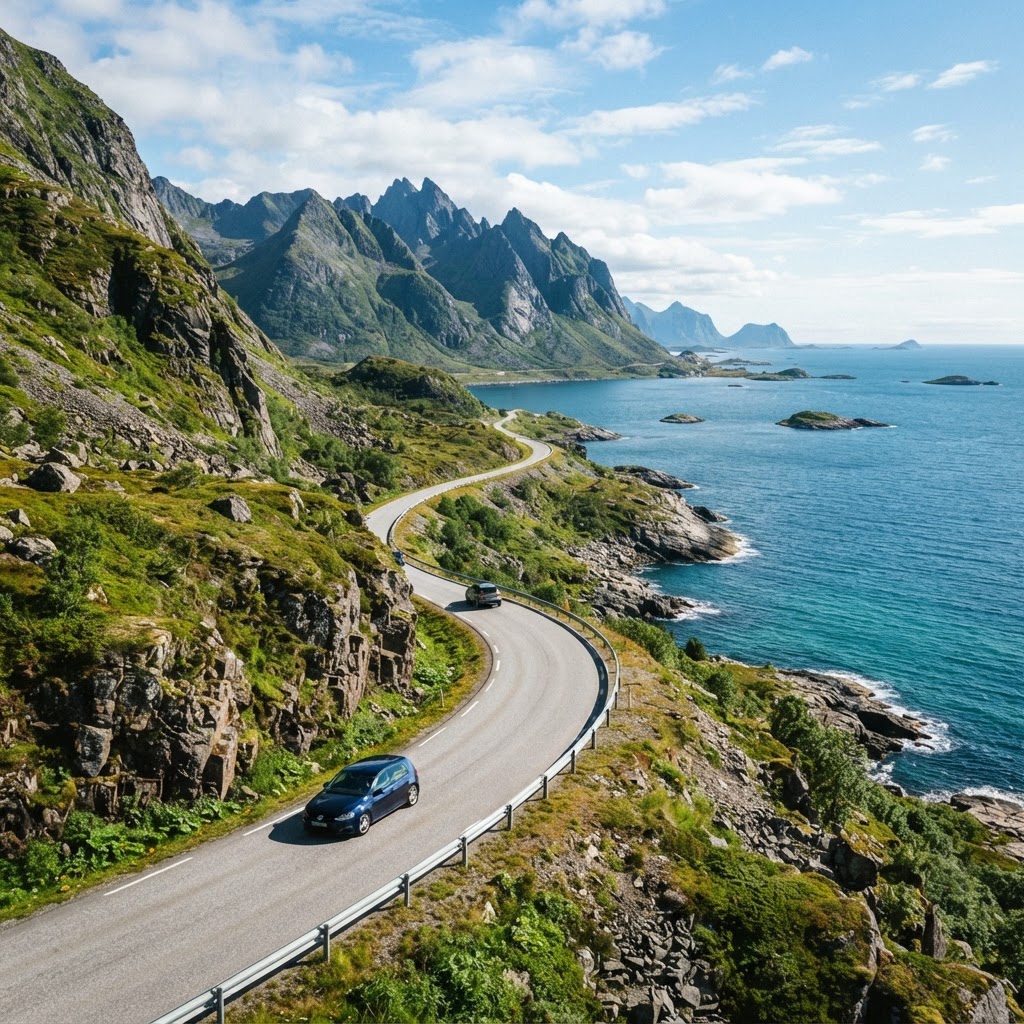
Traveling this vast coastline requires careful planning, as distances between ports can be significant even with a modern transport network. Whether you choose to drive, sail, or take the legendary coastal ferry, the journey itself is the destination. The E6 highway and the Coastal Route (Kystriksveien) are world-class driving paths that take you through the heart of the coastline’s beauty.
The Coastal Express Experience
The Hurtigruten line acts as the vital artery of the Norwegian coast, operating 34 port calls daily. For over a century, these ships have connected remote towns and villages. Traveling on these vessels provides a front-row seat to the changing coastal scenery, often stopping at smaller ports that larger cruise ships cannot reach.
Safety and Preparation
Nature in Norway is as powerful as it is beautiful, with rapid weather shifts that can turn a sunny day into a storm within minutes. When venturing into the wild, preparation is non-negotiable. Always check the Yr.no weather forecast app, which is the gold standard for accurate regional reporting in Norway.
FAQ
Q: What is the best time of year to visit the Norwegian coast for the Northern Lights?
The best time to see the Northern Lights in Norway is between late September and late March. During these months, the nights are sufficiently dark, and the coastal regions, particularly within the Arctic Circle near Tromsø, offer frequent high-activity auroral displays.
Q: Do I need a car to travel the Norwegian coastline?
While a car offers the most flexibility for exploring coastal scenic routes like Kystriksveien, it is not required. Norway has an excellent public transport network, including the Hurtigruten ferry service and extensive regional bus lines that connect even the most remote fjord villages.
Q: Is it expensive to travel in Norway?
Norway is considered a high-cost destination, with daily traveler budgets typically ranging from $150 to $300 USD. Costs can be managed by choosing ‘rorbuer’ accommodations, utilizing grocery stores instead of frequent dining, and booking travel passes for trains and ferries in advance.
Q: What are the ‘rorbuer’ mentioned in the guide?
Rorbuer are traditional Norwegian fishing cabins, historically constructed on stilts over the water to provide easy access for fishermen. Today, they serve as unique, historic holiday rentals that offer travelers an authentic experience of coastal life while providing proximity to the sea.
Q: Are there specific safety precautions for hiking in Norway?
Yes, always pack proper waterproof gear, high-quality hiking boots, and a physical map, as cellular reception is unreliable in deep fjords. Before heading out, inform your accommodation host of your route and check the local ‘Fjellvettreglene’ (mountain safety code) for current trail conditions.
Leave a Reply