Discover Madrid’s Most Beautiful Neighborhoods: A Guide
Madrid’s most beautiful neighborhoods include the historic Barrio de las Letras for literary charm, the upscale Salamanca for luxury shopping, and the bohemian Malasaña for vibrant nightlife. Each district offers a unique glimpse into the capital’s soul, ranging from aristocratic elegance to modern, multicultural community hubs that define the city’s identity.
The Historic Charm of Barrio de las Letras
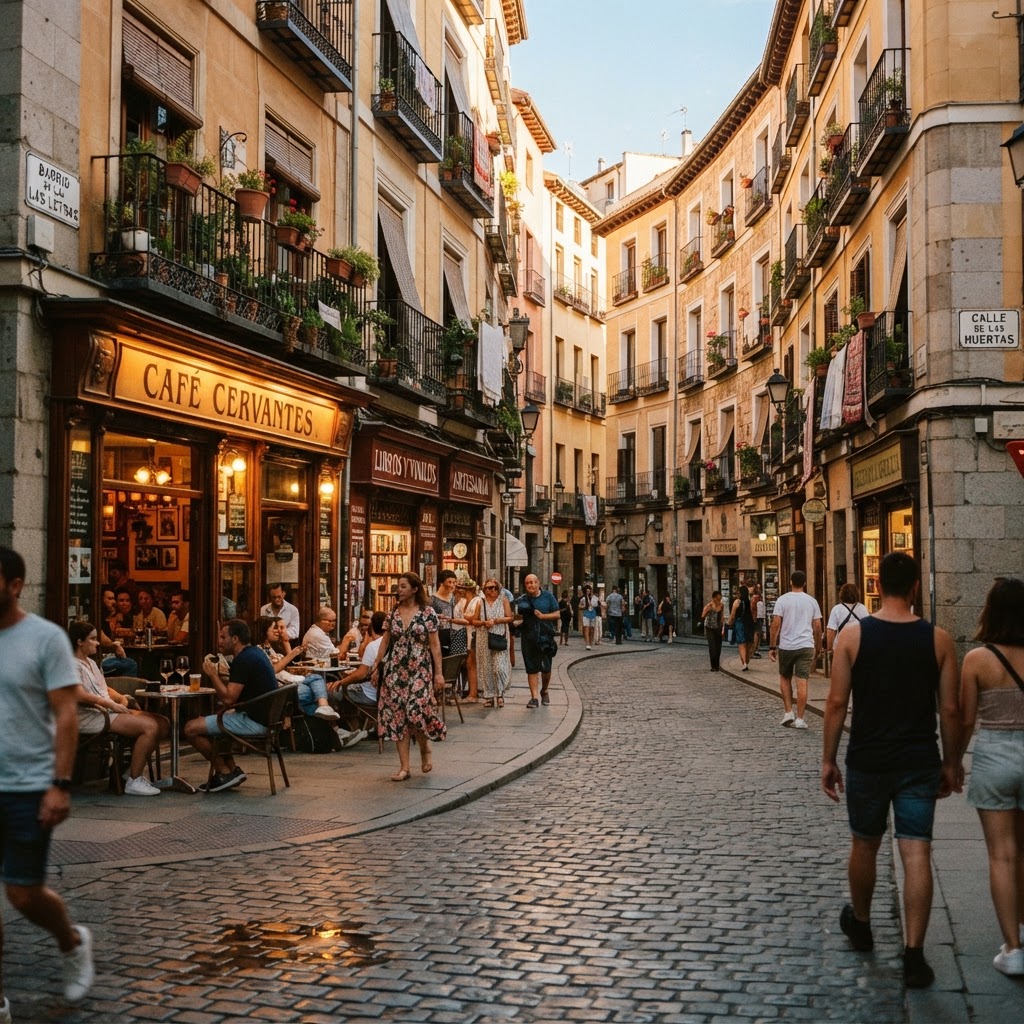
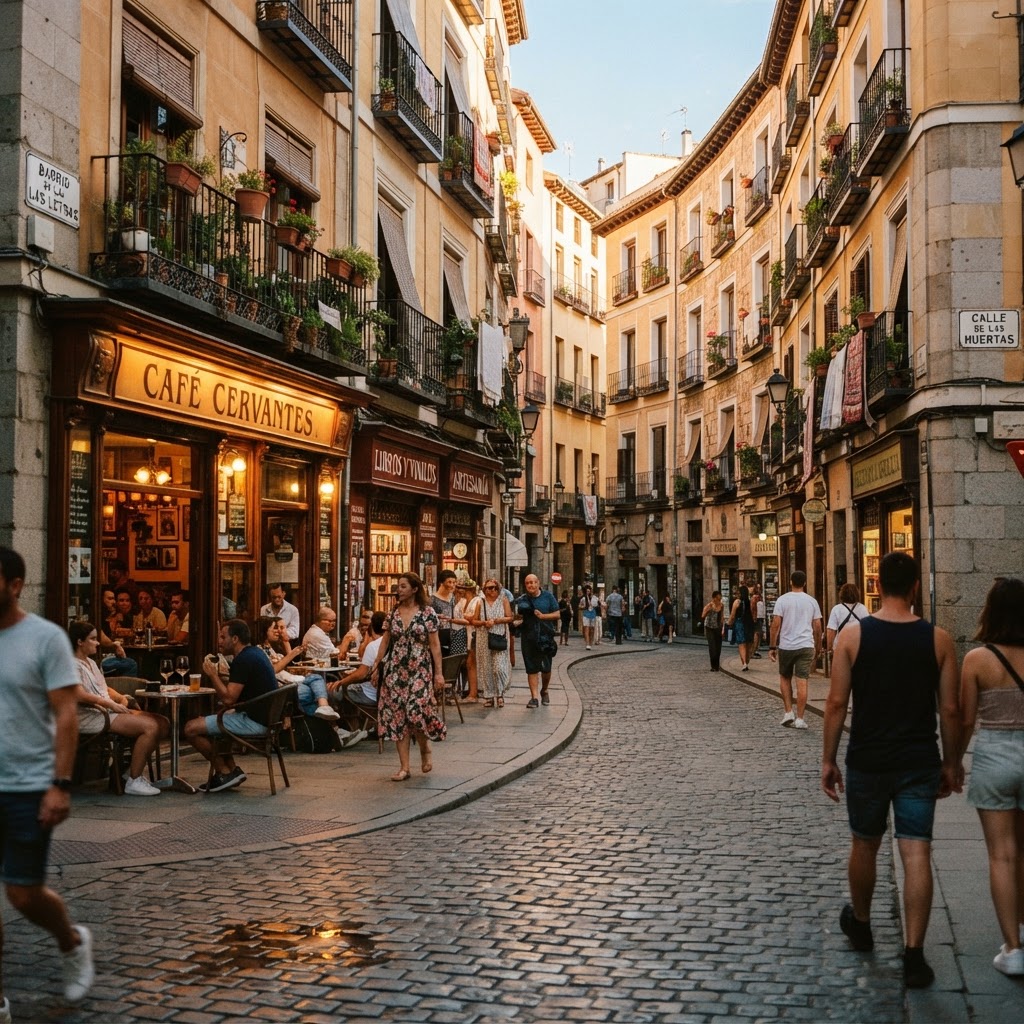
Barrio de las Letras, or the Literary Quarter, is Madrid’s most evocative neighborhood, renowned for its rich history and pedestrian-friendly streets where literary giants once roamed. During the 16th and 17th centuries, this area was home to luminaries such as Miguel de Cervantes and Lope de Vega; today, visitors can trace their legacy through golden quotes from their masterpieces embedded directly into the cobblestone walkways. While exploring the capital’s historic streets is a highlight, those who enjoy iconic European landscapes might also be interested in planning a best day trip from Rome to Tuscany to round out their continental itinerary.
Why You Should Visit
Beyond its profound literary past, the area serves as a premier culinary destination featuring historic ‘tabernas’ that have operated for over a century. You can experience authentic Madrileño culture by spending an evening hopping between these traditional spots, which often serve local vermouth and classic tapas like pimientos de Padrón. The neighborhood maintains an intimate, village-like atmosphere despite being located in the city center. When exploring this quarter, prioritize a visit to Plaza de Santa Ana. It serves as the heart of the district, offering an ideal vantage point to enjoy a café con leche while observing the steady pulse of Madrid’s daily life. The proximity to major landmarks like the Prado Museum makes it a strategic base for cultural travelers seeking both history and comfort.
The Aristocratic Elegance of Salamanca
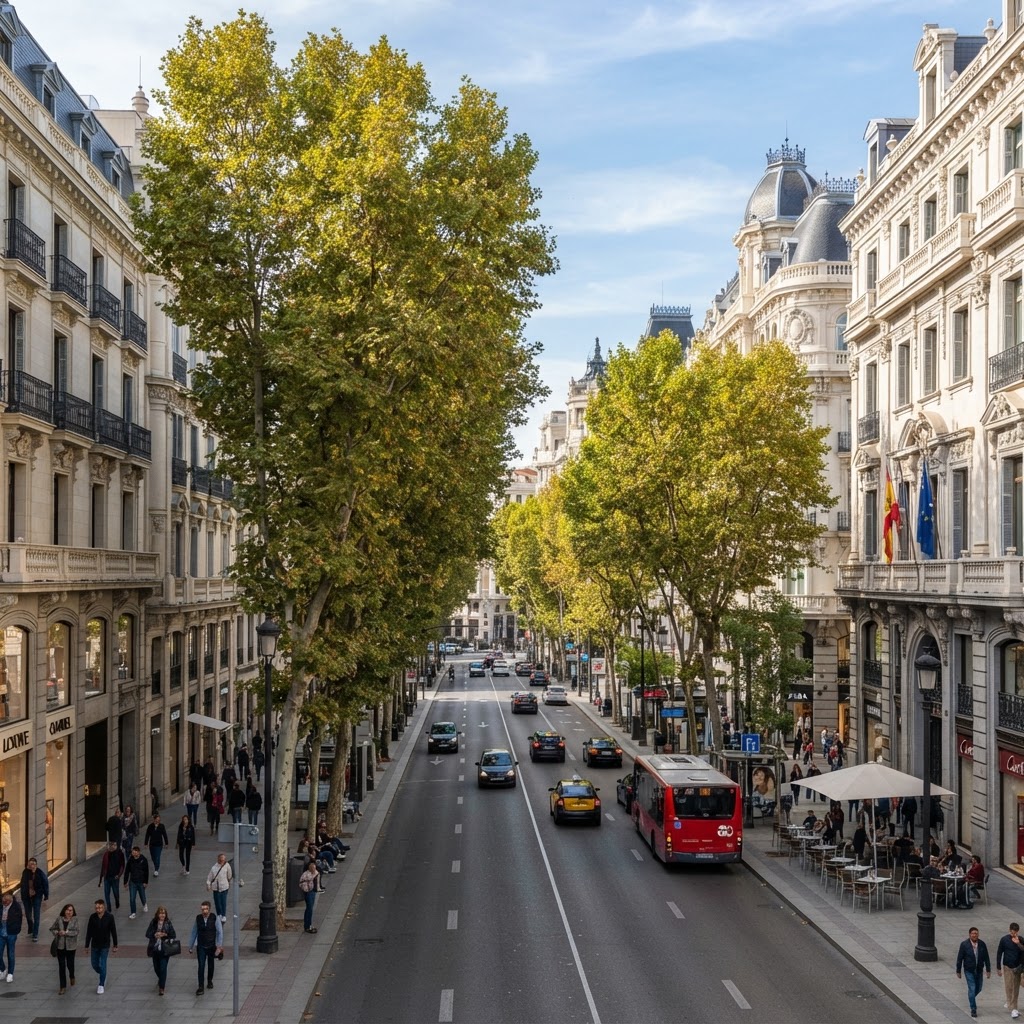
Salamanca stands as Madrid’s most prestigious district, defined by wide, tree-lined boulevards and high-end 19th-century architecture that reflects the city’s affluent history. Often referred to as the ‘Golden Mile,’ this area is the epicenter of luxury, housing the highest concentration of high-fashion boutiques and Michelin-starred dining establishments in Spain.
Shopping and Fine Dining
Luxury retail is the primary draw of Salamanca, with Calle de Serrano serving as the central artery for flagship designer stores. Beyond major brands, the district’s side streets host exclusive concept stores that function as curated design galleries. After shopping, you can retreat to world-class culinary institutions; the neighborhood currently holds one of the highest densities of Michelin stars in the city, offering everything from avant-garde tasting menus to elevated traditional Castilian cuisine. Prices here reflect the quality, with luxury dining experiences typically starting at 100€ per person.
Architectural Highlights
The architectural landscape here is reminiscent of Paris or London, characterized by imposing façades, wrought-iron balconies, and grand entrance halls designed for the 19th-century bourgeoisie. Walking through these streets feels like traversing an open-air museum of late-Victorian and early-modern Spanish urban planning, characterized by symmetrical blocks and spacious plazas that offer a tranquil, sophisticated contrast to the density of the old city center.
The Bohemian Spirit of Malasaña
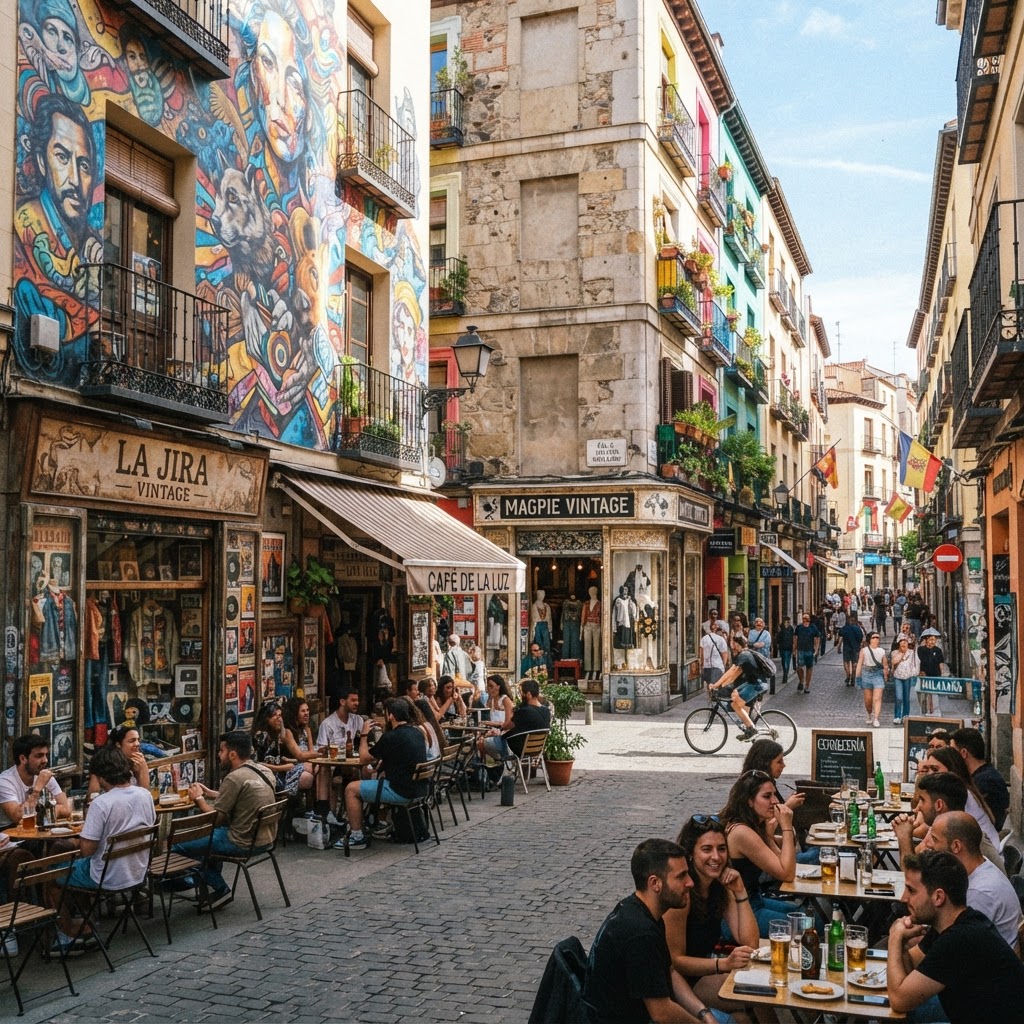
Malasaña is the creative pulse of Madrid, serving as the historical epicenter of the ‘Movida Madrileña’ and maintaining a gritty, artistic spirit that fuels the city’s modern counterculture. This neighborhood is distinguished by its eclectic mix of vintage boutiques, underground dive bars, and vibrant street art, making it the premier destination for travelers seeking youthful energy and alternative nightlife experiences.
The Plaza del Dos de Mayo
The Plaza del Dos de Mayo acts as the neighborhood’s social hearth, commemorating the 1808 uprising against Napoleonic forces. On weekends, the square transforms into a lively communal space where locals gather at terrace cafes until late into the night. The area is also famous for its independent record shops and vintage clothing stores, many of which sell curated 1970s and 1980s fashion. Unlike the tourist-heavy center, Malasaña offers a raw, authentic look at Madrid’s progressive creative scene. It is recommended to visit during the ‘La Paloma’ festival in August, when the streets are filled with music, traditional costumes, and community-led events that showcase the neighborhood’s deep-rooted rebellious pride.
The Multicultural Heart of Lavapiés
Lavapiés is Madrid’s most ethnically diverse district, functioning as a vibrant melting pot where traditional Spanish markets coexist with global flavors and communal art spaces. This neighborhood represents the modern face of Spain, drawing residents from over 100 different nationalities, which is reflected in the diverse range of international restaurants, spice shops, and cultural initiatives found on every street corner.
Art and Community Spaces
A defining landmark of the area is La Tabacalera, a sprawling former tobacco factory now repurposed into an autonomous cultural center. It is entirely free to enter and features rotating exhibitions of urban graffiti, community yoga workshops, and political forums that capture the neighborhood’s activist roots. Lavapiés is also home to the Mercado de San Fernando, a classic 1940s-style market that has reinvented itself as a food hall where you can purchase organic produce alongside gourmet craft beer and international street food. The cost of living and dining here remains significantly more accessible than in Salamanca, making it an excellent choice for budget-conscious travelers who prioritize authentic, grassroots experiences over tourist-standard amenities.
Chueca: The Pride of the Capital
Chueca is globally recognized as the center of Madrid’s LGBTQ+ community, defined by its inclusive atmosphere, vibrant nightlife, and impeccably restored 19th-century urban architecture. While it is famous for its lively Pride celebrations in July, which attract over a million participants, the neighborhood offers a sophisticated array of galleries and boutique shopping throughout the entire year.
Mercado de San Antón
The Mercado de San Antón is a highlight of the Chueca district, offering a modern alternative to traditional markets by focusing on premium gourmet stalls and a rooftop terrace. Visitors can browse high-quality local cheeses, cured meats, and fresh seafood before heading to the rooftop bar for sunset views over the Madrid skyline. Prices at the market are moderate, allowing for a high-quality food experience without the formality of a white-tablecloth restaurant. The neighborhood’s architecture is equally compelling, characterized by pastel-colored buildings and narrow, bustling streets that remain clean and highly walkable, connecting seamlessly to neighboring Gran Vía.
Retiro: Nature and Nobility
Retiro is a prestigious, regal district surrounding the UNESCO-listed El Retiro Park, providing a quiet, tree-filled oasis for visitors who prefer proximity to nature without sacrificing urban convenience. The neighborhood is favored by families and diplomats for its spacious mansions, wide boulevards, and low noise levels compared to the city center.
Why Retiro Stands Out
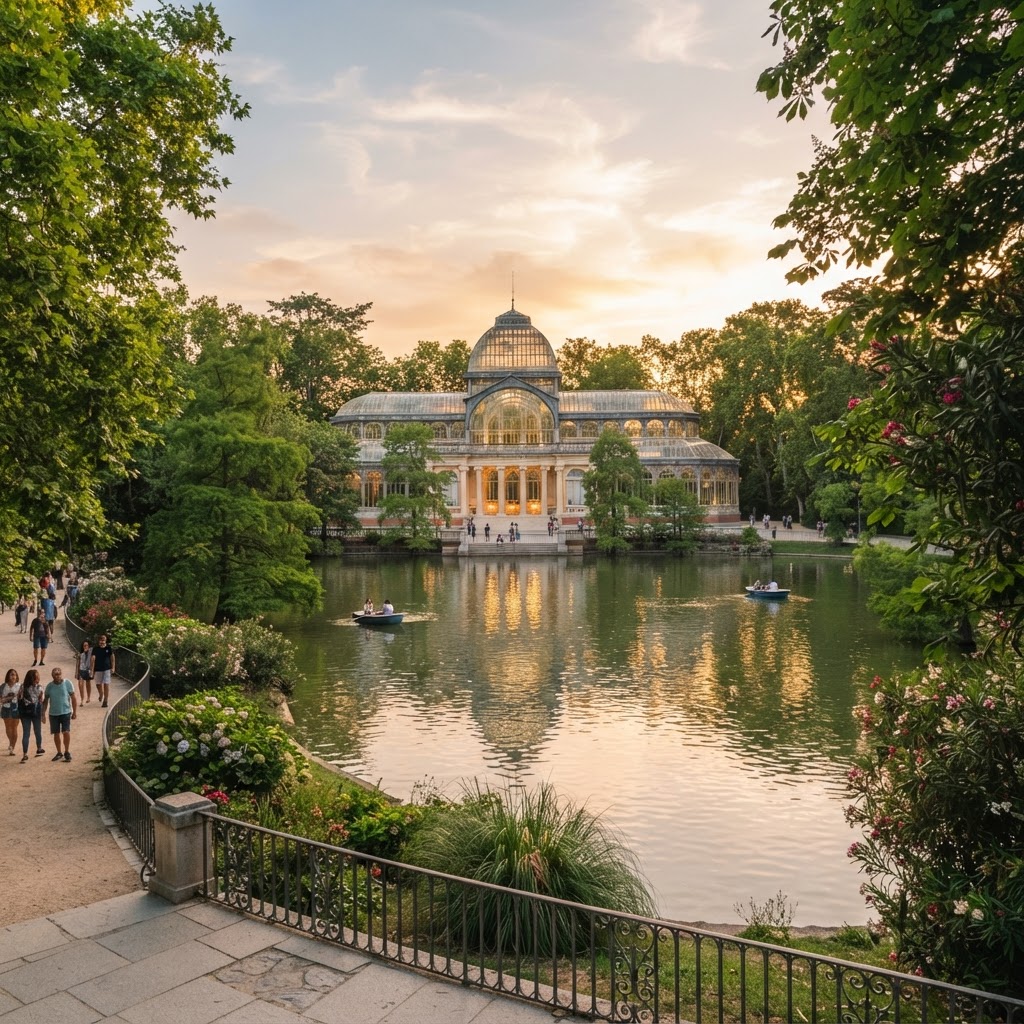
Living or staying in Retiro places you at the doorstep of the city’s ‘green lungs.’ The area is perfect for morning jogs, rowing on the historic pond, or exploring the glass-walled Palacio de Cristal. If you enjoy breathtaking coastal scenery, you might also appreciate exploring the Norway’s Atlantic Ocean Road to experience one of the world’s most spectacular drives during your next European getaway. Beyond the park, the district is home to many prestigious private art foundations and the Calle de Alcalá, known for its historic gates and high-end residential charm. It provides a unique balance of tranquil residential life and rapid access to the Prado Museum and the Golden Triangle of Art.
Practical Tips for Exploring Madrid
- Use the Metro: Madrid has one of the world’s most efficient and clean transit systems.
- Timing is Key: Dinner usually begins after 9:00 PM; many kitchens do not open for dinner service before 8:30 PM.
- Walkability: Most districts are interconnected; a 30-minute walk is common for locals.
- Tapas Culture: Move from bar to bar to experience diverse specialties rather than settling at one establishment.
FAQ
Q: Which Madrid neighborhood is best for first-time visitors?
Barrio de las Letras is generally the best choice for first-time visitors due to its central location, walkability, and abundance of traditional tapas bars. It keeps you within walking distance of major sights like the Prado Museum and the Royal Palace while offering an authentic historic atmosphere.
Q: Is Madrid a walkable city for tourists?
Yes, Madrid is highly walkable, especially within the historic center where neighborhoods like Malasaña, Chueca, and Las Letras are adjacent. Most major attractions are within a 20-minute walk of each other, though comfortable shoes are essential due to the cobblestone streets.
Q: What is the most expensive neighborhood in Madrid?
Salamanca is widely considered the most expensive and exclusive neighborhood in Madrid. It features the highest real estate prices, luxury designer boutiques on the ‘Golden Mile,’ and the highest concentration of Michelin-starred restaurants.
Q: When is the best time to visit Madrid to avoid crowds?
To avoid the largest crowds, visit in the shoulder seasons of May, June, September, or October. During these months, the weather is pleasant for outdoor walking, and major tourist attractions are less congested than in the peak summer months of July and August.
Leave a Reply