Spain Travel Moments: 10 Experiences Worth Saving Forever
Top Spain travel moments include watching the sunset at the Alhambra, indulging in a pintxo crawl in San Sebastián, celebrating at the Feria de Abril, and walking the Camino de Santiago. These experiences offer profound cultural, historical, and sensory connections that define the authentic soul of the Iberian Peninsula for any traveler.
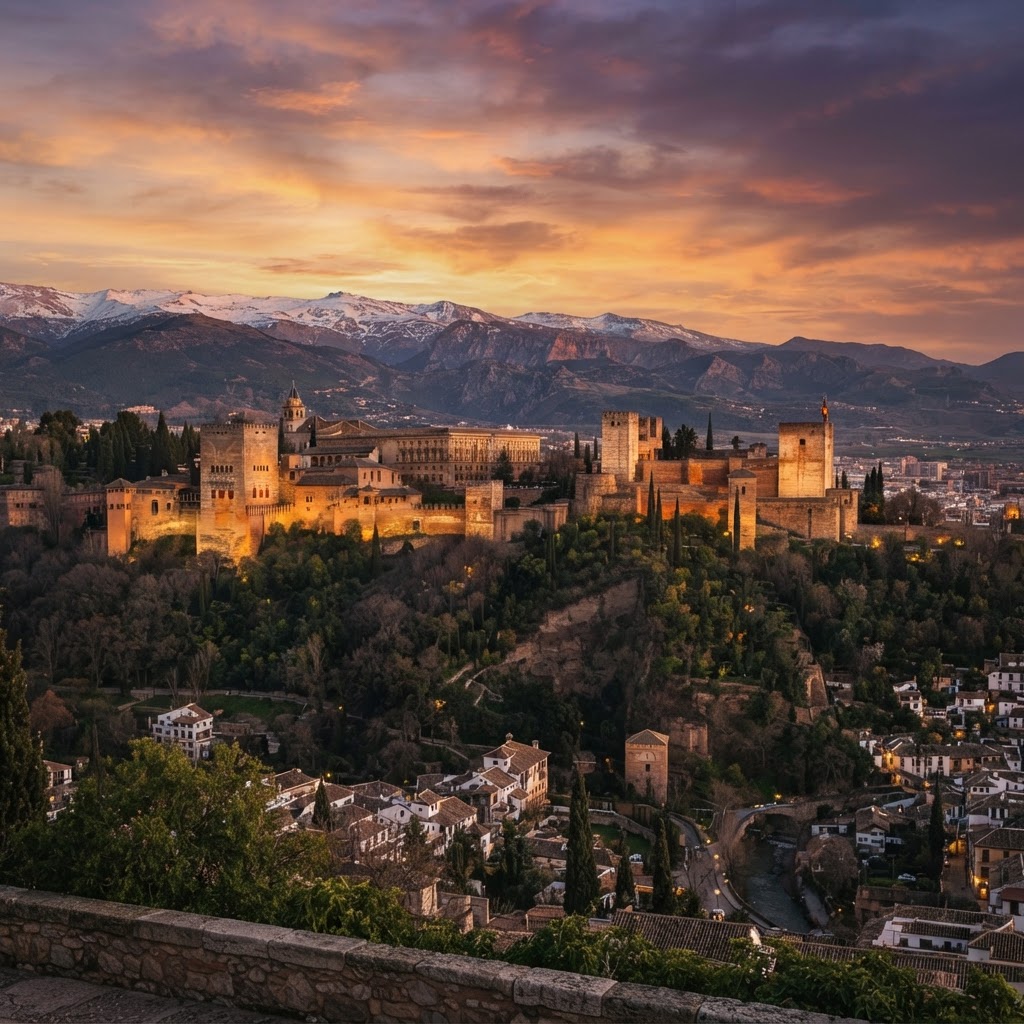
Watching the Sunset at the Alhambra in Granada
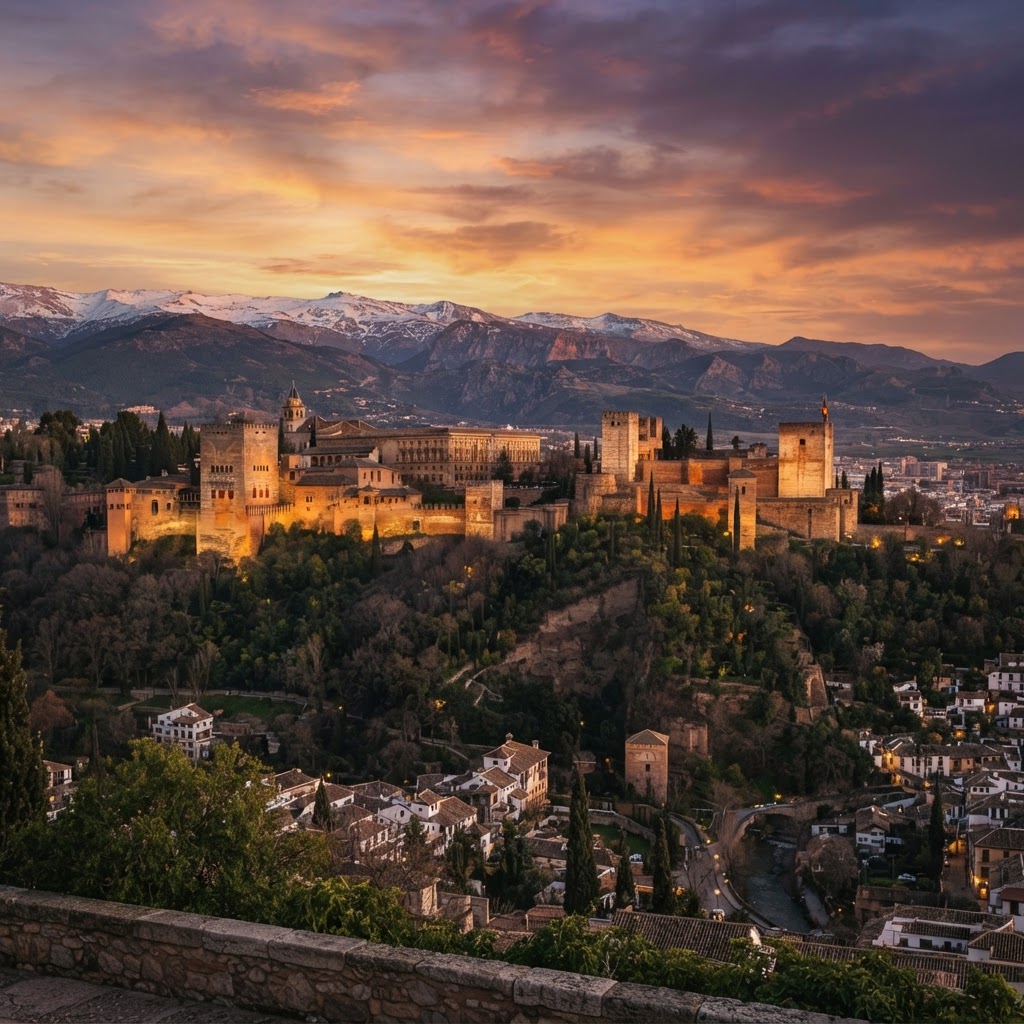
There is no experience quite as transcendent as watching the sun dip behind the Sierra Nevada mountains while looking over the ancient walls of the Alhambra. As the red stone of the Nasrid Palaces glows with a deep, fiery intensity, you will understand why this site remains a crown jewel of human history. The contrast between the lush Generalife gardens and the arid, rugged backdrop of the mountain range creates a visual harmony that is quintessentially Andalusian, and you can explore more about Andalusian style art and architecture to deepen your appreciation for this unique region. Visitors should note that the Alhambra sees over 2.7 million visitors annually, making advanced ticket booking mandatory at least 90 days in advance via the official Patronato de la Alhambra website to ensure entry.
The Best Vantage Points for Photographers
To capture the most iconic shots, head to the Mirador de San Nicolas in the Albaicín neighborhood. This is where the local musicians gather to play guitar, creating an atmosphere that makes the sunset feel like a private performance. Ensure you arrive at least an hour before golden hour to secure a spot along the stone wall, as this remains one of the most popular Spain travel moments worth saving forever.
Indulging in a Traditional Tapas Crawl in San Sebastián
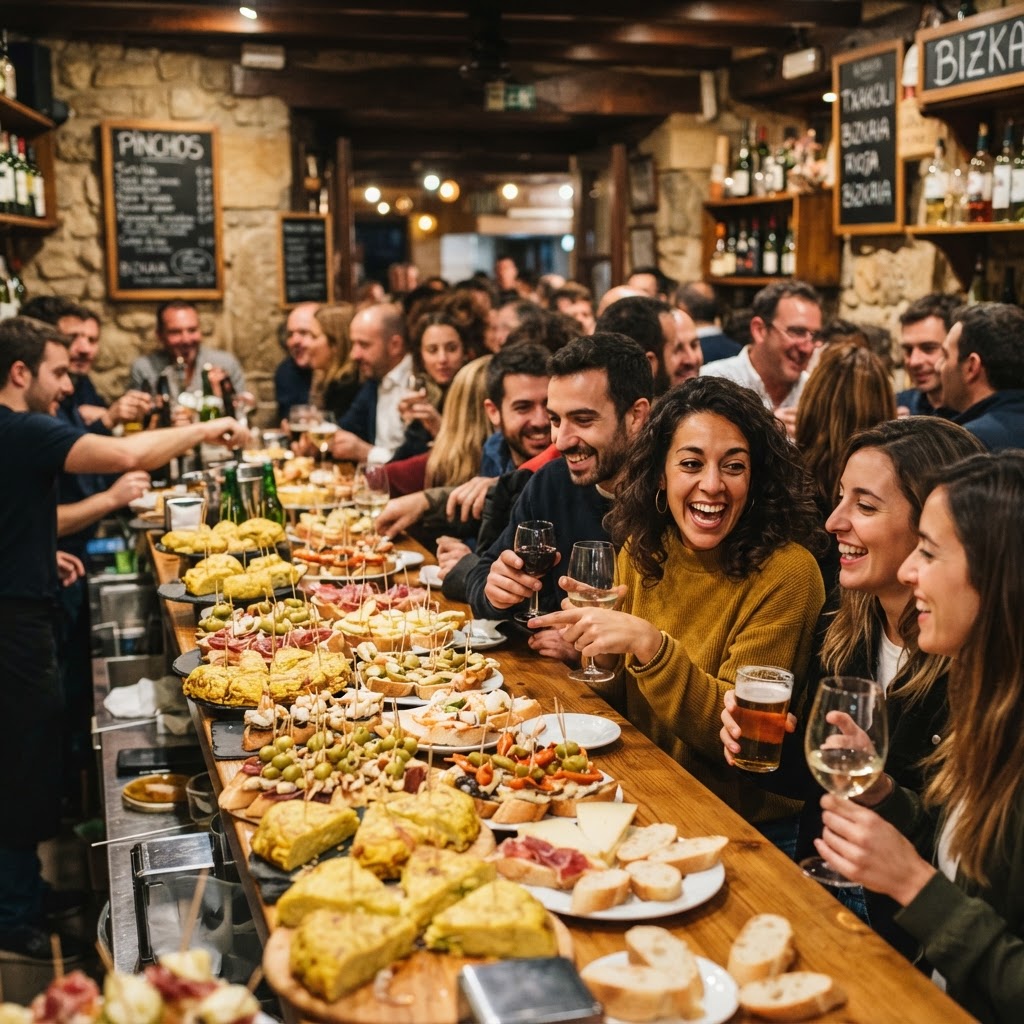
Culinary exploration is the beating heart of Spanish identity, and nowhere is this more evident than in the pintxo bars of San Sebastián, a city boasting one of the highest concentrations of Michelin stars per capita in the world. Unlike typical dining, a tapas crawl is a social, nomadic experience that moves from bar to bar. Each establishment prides itself on one or two signature dishes, ranging from perfectly seared foie gras to skewered local anchovies, usually priced between €2.50 and €4.50 per pintxo. Navigating the Parte Vieja (Old Town) requires an adventurous spirit, as the best spots are often crowded, standing-room-only affairs that pulse with local energy until late into the night.
How to Master the Crawl
The golden rule of a successful crawl is to order only one drink and one pintxo at each stop. This allows you to sample a vast array of flavors without overindulging too early in the night. By engaging with the bartenders—often called ‘tapadors’—you can unlock local recommendations that aren’t on the tourist maps, ensuring your evening is filled with authentic, unforgettable experiences in Spain.
Celebrating the Energy of La Feria de Abril
If you time your visit to Seville during the spring, you are in for a cultural explosion known as La Feria de Abril, which takes place two weeks after Semana Santa. This is not merely a party; it is a manifestation of community pride where the fairgrounds become a sea of colorful flamenco dresses, trotting horses, and thousands of paper lanterns that illuminate the night sky. Attendance at the fair is massive, with over 1,000 ‘casetas’ (tents) set up, most of which are private, though the public ones provide plenty of space for visitors to enjoy the rebujito (sherry and lemon-lime soda) and traditional dancing.
Embracing the Local Rhythm
Even if you are an outsider, the hospitality of the ‘casetas’ is legendary. Don’t be afraid to accept an invitation to dance a Sevillana. Learning the basic footwork before you arrive will add an extra layer of accomplishment to your memory. The combination of sherry wine, rhythmic clapping, and the sheer joy of the crowd is a highlight of any trip to the Iberian Peninsula.
Walking the Camino de Santiago Pilgrimage Path
You do not need to be a religious devotee to appreciate the profound solitude of the Camino de Santiago, an ancient network of routes spanning over 800 kilometers across Northern Spain. Walking even a small section of this trail offers a rare chance to disconnect from digital noise and reconnect with yourself. The landscapes change from the rugged peaks of the Pyrenees to the rolling green hills of Galicia, providing a meditative backdrop for self-reflection that attracts over 300,000 pilgrims annually. If you are already planning your next European getaway, you might also consider a scenic day trip from Rome to Tuscany to round out your cultural itinerary. If you enjoy breathtaking coastal trails, you should also explore the best Cinque Terre hiking paths with sea views for another unforgettable European adventure. If you are looking to balance your southern European travels with a northern escape, adding a scenic Atlantic Ocean Road journey in Norway will provide a dramatic, breathtaking contrast to the sun-drenched landscapes of Spain.
Practical Tips for First-Timers
- Invest in high-quality, broken-in hiking boots before departure to prevent blisters, which are the #1 reason pilgrims stop.
- Keep your pack weight under 10% of your body weight to ensure mobility over steep terrains.
- Stop at the smaller village churches to get your ‘pilgrim passport’ (Credencial) stamped; you need at least two stamps per day for the last 100km to receive a Compostela certificate.
- Always prioritize hydration, especially during the summer months when temperatures in the Meseta can exceed 35°C (95°F).
Getting Lost in the Labyrinthine Streets of Barcelona
While Gaudí’s architectural wonders like La Sagrada Família are mandatory stops, the true magic of Barcelona is found in the narrow, winding alleys of the Gothic Quarter. This area, known as Barri Gòtic, dates back to Roman times and features structures from the 14th century. You can wander for hours, discovering hidden courtyards, artisan workshops, and quiet plazas where the sound of bustling city life fades into a gentle hum. For the best experience, visit the Plaça de Sant Felip Neri early in the morning before 9:00 AM to avoid the dense cruise-ship crowds.
Island Hopping in the Balearics
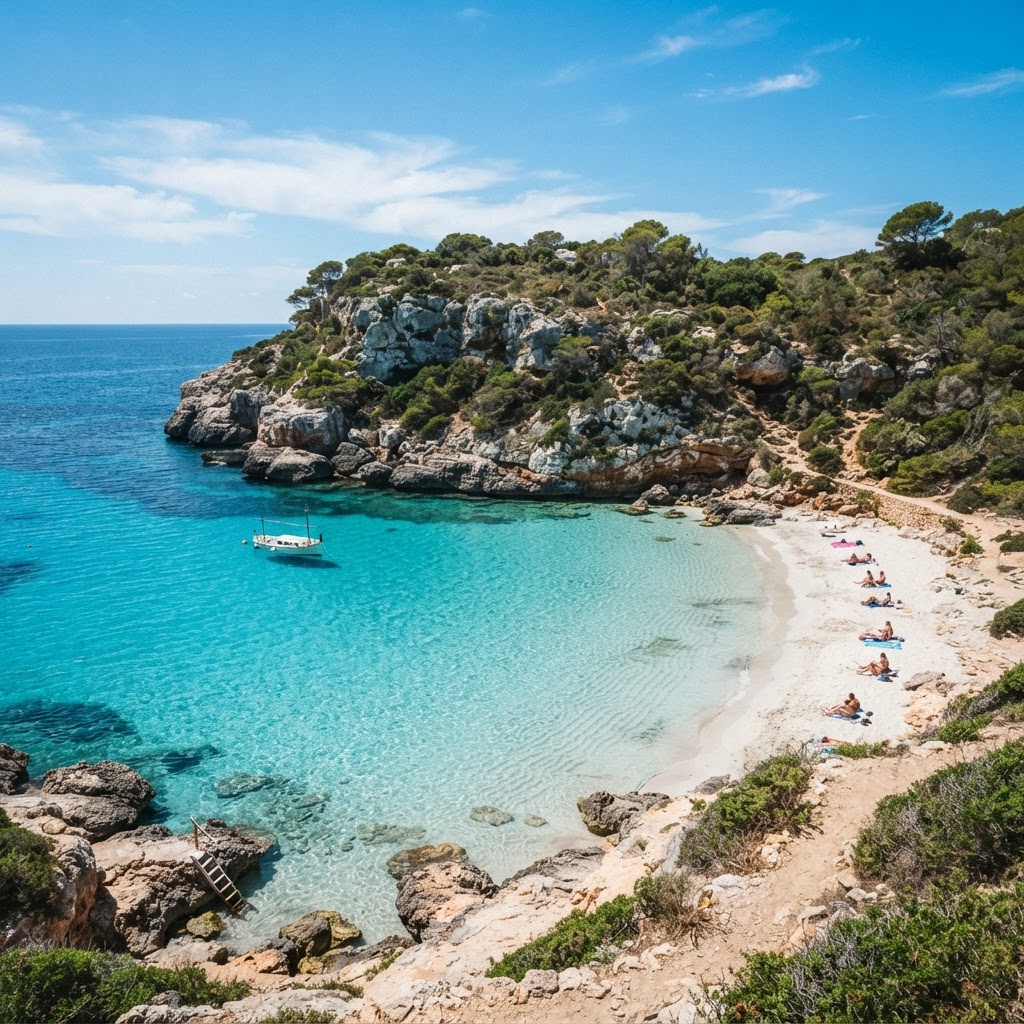
For those seeking crystalline waters and white sand, the Balearic Islands offer a different side of the nation, with Menorca providing a tranquil, UNESCO Biosphere Reserve-designated alternative to the high-energy party atmosphere of Ibiza. Renting a small boat to access secluded coves—or ‘calas’—allows you to experience a serene, untouched Mediterranean that feels like your own private paradise. Unlike Mallorca, which has over 800,000 residents, Menorca maintains a strict limit on development, preserving its 200 kilometers of coastline and pristine environmental standards.
The Magic of Flamenco in a Cave Dwelling
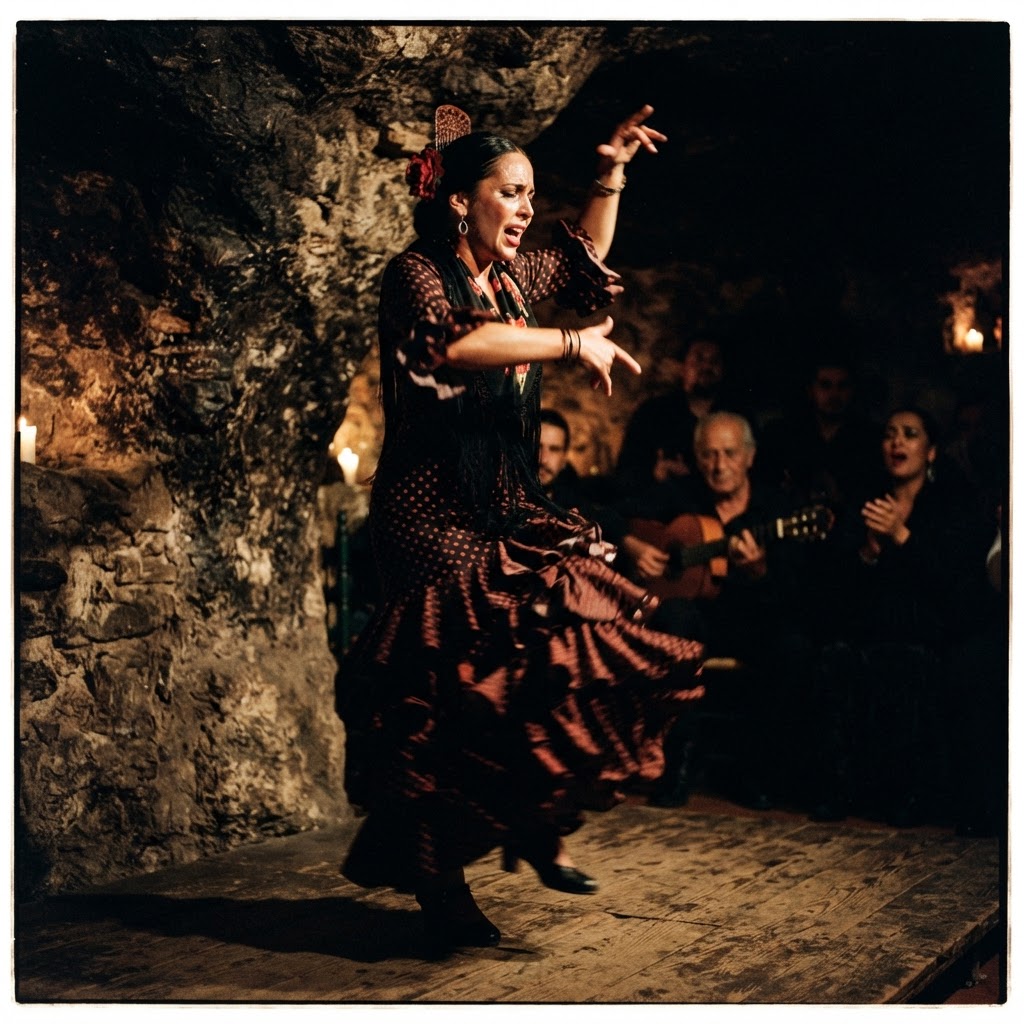
Sacromonte, the historic gypsy quarter of Granada, is famous for its cave houses carved directly into the hillsides. Attending a ‘zambra’ performance here is an intimate affair. Without the amplification of a stadium show, you hear the raw, guttural power of the cantaor (singer) and the precise, percussive mastery of the dancer. Shows typically last 60 to 90 minutes and often include a glass of local wine, offering a visceral encounter with the soul of Spanish art that lingers long after you return home.
A Guide to Preserving Your Travel Memories
Beyond just snapping photos, consider keeping a physical travel journal. Write down the specific smells, the names of the people you met, and the feelings that arose during your most cherished Spain travel moments. Using a combination of sketches, pressed wildflowers, and short, evocative paragraphs will make your travel diary a keepsake you will revisit for decades.
FAQ
Q: What is the best time of year to visit Spain for sightseeing?
The best time to visit Spain is during the shoulder seasons of spring (April to June) and autumn (September to October). During these months, you can enjoy mild temperatures perfect for walking while avoiding the extreme heat of July and August and the peak summer crowds.
Q: Do I need a visa to visit Spain as a tourist?
Travelers from countries like the US, UK, and Canada do not currently need a visa for short-term tourist stays of up to 90 days in Spain. However, you must ensure your passport is valid for at least six months beyond your planned date of departure.
Q: Is it necessary to learn Spanish to travel in Spain?
While English is widely spoken in major tourist hubs and hotels, learning basic Spanish phrases is highly recommended for respectful interaction. Locals in smaller villages and regions like the Basque Country or Catalonia will deeply appreciate any effort to speak their native language or dialect.
Q: How much should I budget per day for a trip to Spain?
A mid-range budget for Spain is approximately €100 to €150 per person per day. This covers comfortable 3-star accommodation, daily dining at local restaurants, museum entries, and regional transport. Costs can vary significantly between major cities like Barcelona and smaller rural towns.
Leave a Reply