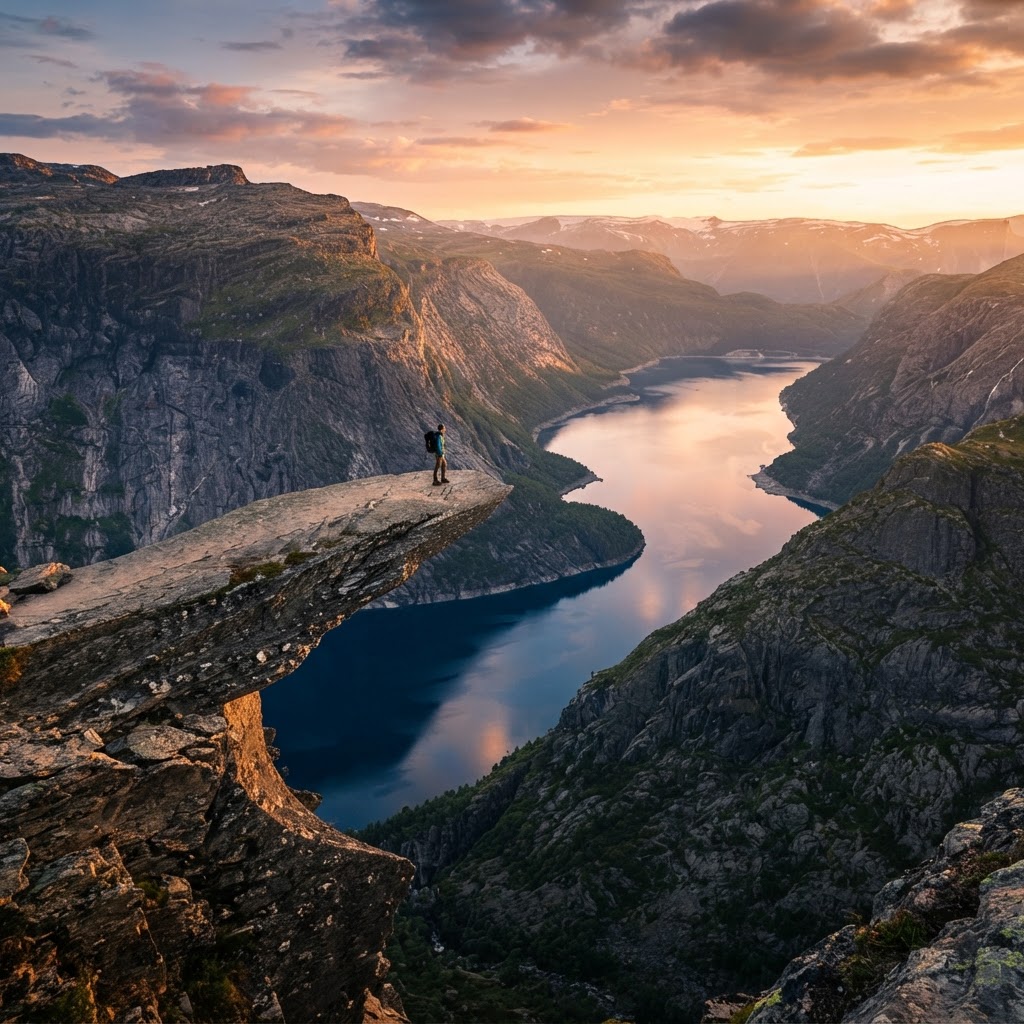
Standing on a jagged rock formation suspended 700 meters above Lake Ringedalsvatnet, the wind brushes against your face while the sun dips behind the mountains. This is the Trolltunga experience, a bucket-list trek for adventurers across the globe. While most people rush to get there for a quick photo, choosing to hike to Trolltunga for sunset offers an entirely different, serene atmosphere. It is truly worth every step, turning an already memorable journey into an unforgettable one. Norway is home to many spectacular landmarks, but few capture the imagination like this ancient stone tongue reaching out over the deep blue waters below.
Planning Your Arrival to the Trailhead
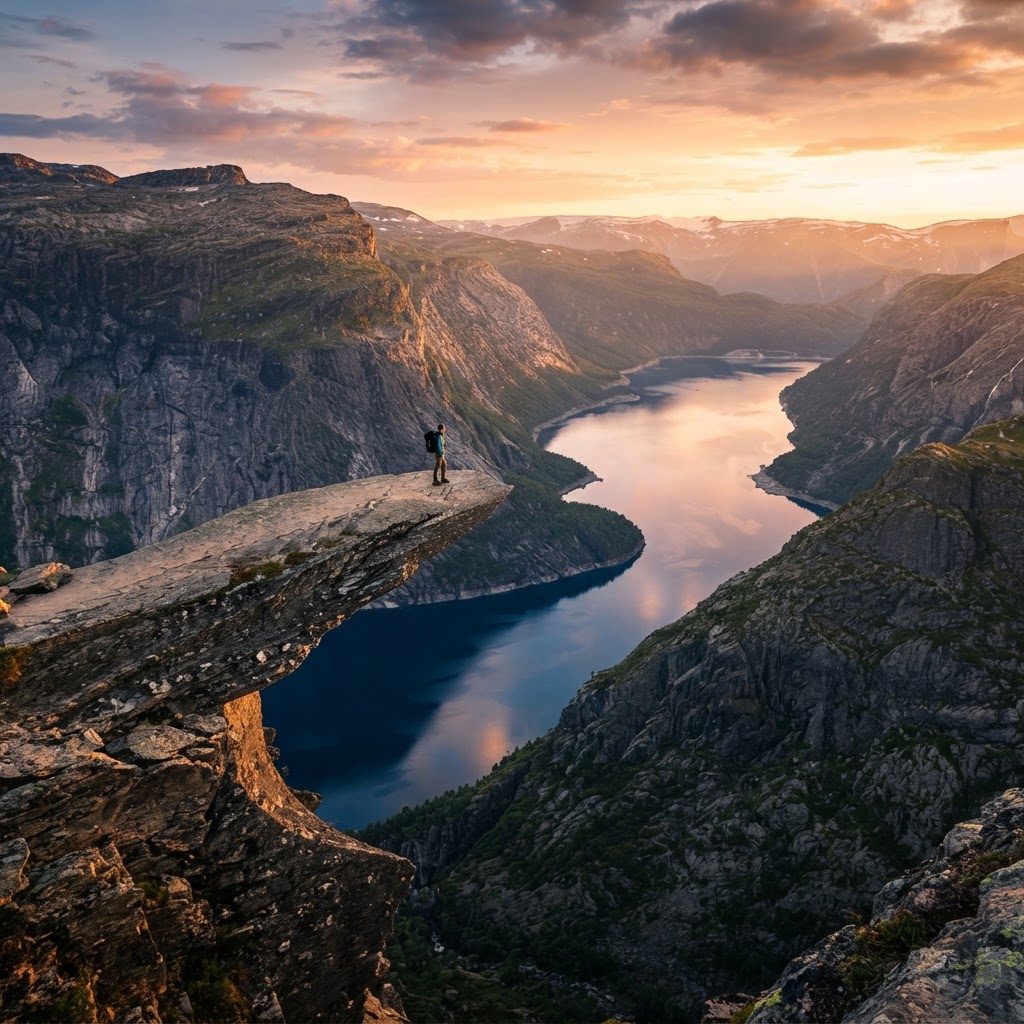
Most adventurers start their journey by basing themselves in the town of Odda. This charming village, situated near Tyssedal, is the gateway to some of the most dramatic landscapes in the country. Before you even lace up your boots, you must navigate the logistics. There are multiple parking lots available, but they fill up fast, so pre-booking is essential to ensure you have a spot for your vehicle. The trail officially begins in Skjeggedal, and many hikers opt to drive up to the higher P3 parking level to shave off a few kilometers of steep, boring paved road ascent. Skipping this lower section makes the overall hike much more manageable.
If you are traveling on a budget, remember to account for the road toll, which can cost several hundred NOK depending on which parking level you choose. Whether you are aiming for sunrise, midday, or the golden hour sunset, check the status of these parking lots well in advance. Having your logistics dialed in allows you to focus entirely on the physical challenge ahead, ensuring you reach the famous rock formation with plenty of time to spare before the light fades.
Understanding the Difficulty and Terrain
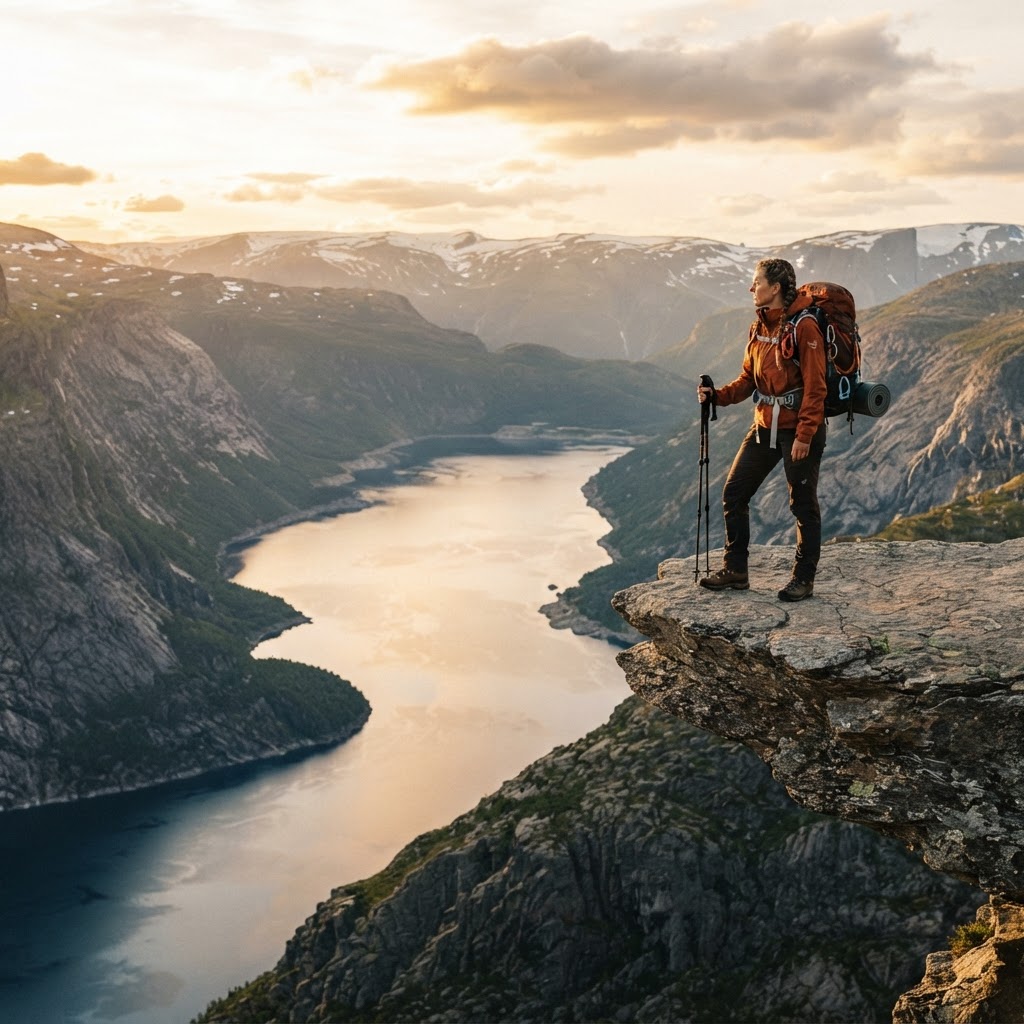
How challenging is the Trolltunga hike? The reality is that this is a demanding, long-distance trek that requires significant endurance. The total distance for the round-trip hike is roughly 27 to 28 km, depending on where you park. The initial ascent from Skjeggedal is the most grueling part, involving a steady climb that tests your cardiovascular fitness and stamina. Once you crest that first major hill, the terrain levels out into a high mountain plateau.
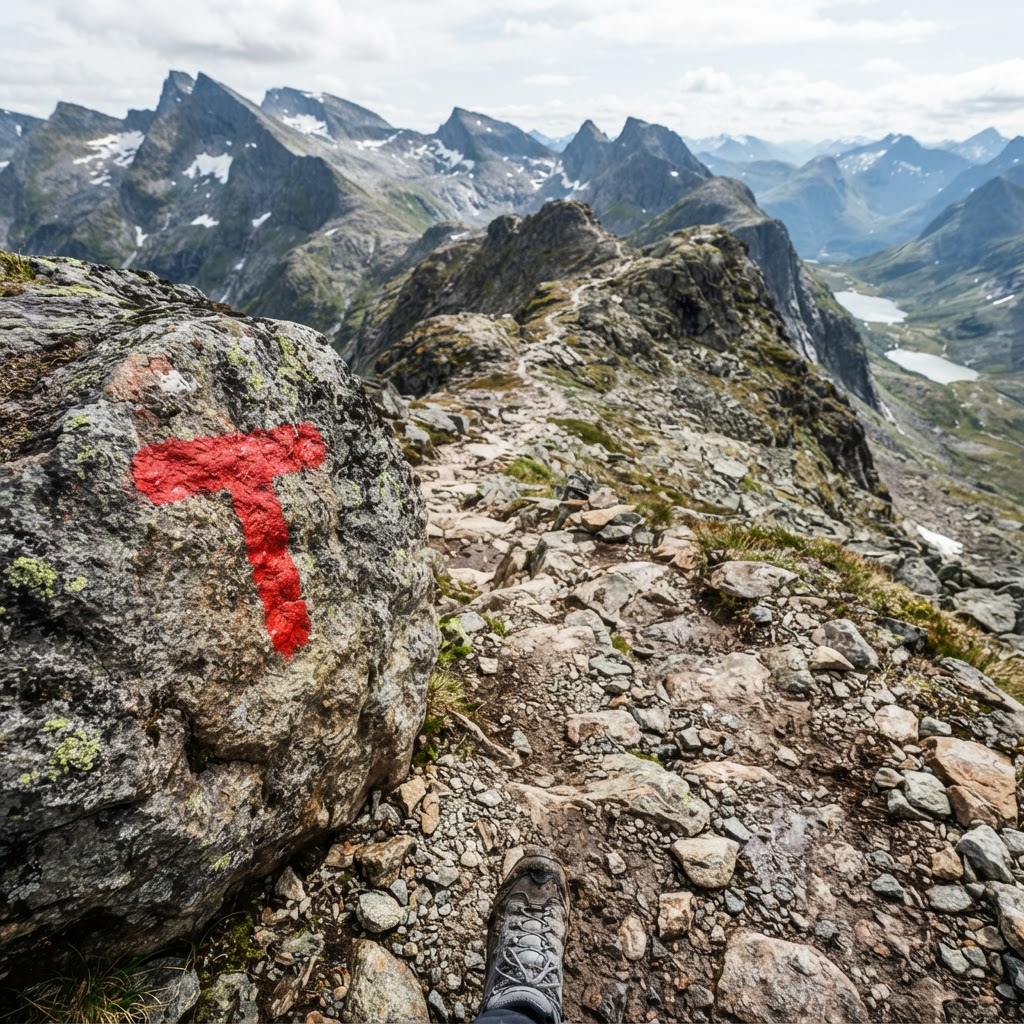
While the path is well-marked with red ‘T’ signs, the weather in the mountains can change in an instant. You should be prepared for wind, rain, and rapidly shifting temperatures, regardless of the season. The total duration for an average hiker is between 8 to 12 hours. If you are not an experienced mountain trekker, consider booking a guided hike. A professional guide from a local company like Trolltunga Active can provide local knowledge, ensure safety, and help pace your group appropriately throughout the day.
Safety and Reality Checks
One of the most common questions from prospective travelers is: Has anyone ever fallen off Trolltunga? While the cliff edge itself is terrifying, there have been no recorded deaths from falling off the formation itself since it became a major tourist attraction, although accidents have occurred in the broader mountain region due to unpreparedness or severe weather conditions. A frequent follow-up is: How many people died at Trolltunga? There was a tragic incident in 2015 involving a tourist who fell while taking a photo, but this serves as a stark reminder to maintain situational awareness. Always prioritize your safety over the perfect shot.
Is Trolltunga worth it in the rain? Many people worry about bad weather ruining their trip. If it is just a light mist, the mood is often more mystical and moody, making for incredible photos that lack the crowds. However, if there is a storm or heavy fog, the hike becomes dangerous and the view non-existent. Always consult the local forecast provided by the Norwegian Meteorological Institute before setting out on your hike. If the weather looks too severe, it is better to reschedule rather than push through potentially life-threatening conditions.
Reaching the P3 Plateau and the Famous Rock
Once you pass the P2 and P3 sections, the hike becomes a series of undulating ridges and rocky paths. The landscape feels almost prehistoric, dominated by exposed bedrock and small alpine streams. Along the way, you might pass a scenic waterfall or two, adding to the allure of the rugged terrain. The sense of anticipation builds as you realize you are walking toward one of the most photographed spots in all of Norway.
When you finally arrive at the Trolltunga ledge, take a moment to breathe. The view of Lake Ringedalsvatnet, a deep turquoise pool nestled between vertical cliffs, is simply unparalleled. The experience is profoundly different if you have planned to be there for sunset. By staying late, the majority of the day-trippers have already departed, leaving the plateau to the few dedicated souls willing to hike back in the twilight. Watching the long shadows stretch across the canyon as the sky turns hues of pink and orange is truly magical.
Essential Gear and Packing Tips
Because the hike to Trolltunga is such a long, demanding day, your gear choice is critical. Even in the height of summer, the temperature at the top can be significantly lower than in Odda or Tyssedal. Wear high-quality, broken-in hiking boots that provide excellent ankle support. The rocky ground is unforgiving and can lead to twisted ankles if you are not careful.
Layering is the golden rule of mountain hiking in Norway. Start with a moisture-wicking base layer, add an insulating fleece or wool sweater, and keep a waterproof, windproof shell in your pack at all times. Bring at least two liters of water, or carry a filter to replenish your supply from the clear mountain streams along the path. Finally, do not forget a reliable headlamp with extra batteries for the hike back down. Navigating the final sections in the dark requires a bright light and steady footing.
Why Sunset is the Best Time
Choosing the sunset option allows you to beat the mid-day crowds, which can sometimes result in hour-long queues just to stand on the edge for a photo. When you arrive late in the day, the atmosphere is tranquil and intimate. You get to interact with other like-minded hikers who have stayed specifically for the changing light. The Norwegian light in late afternoon and early evening casts a golden glow over the granite, making the photography possibilities infinite.
It is an investment of time and energy, but seeing the sun dip low over the horizon from the tip of the ‘Troll’s Tongue’ is a moment you will carry with you forever. While many people focus on the effort, the reward at the end is a transformative experience. You realize that the silence of the high mountains is worth every step taken on that long, rocky path.
Conclusion
Visiting this iconic landmark is a quintessential Norwegian adventure. Whether you are an experienced mountaineer or an ambitious hiker, the journey from Skjeggedal to the ledge is a test of spirit and strength. By preparing well, choosing the right time for your hike, and respecting the unpredictable mountain weather, you can make your trip safe and absolutely spectacular. Are you ready to take on the challenge? Start planning your trip to the heart of the fjords today and see the beauty for yourself. Pack your bags, lace up those boots, and get ready for an adventure of a lifetime.
Leave a Reply