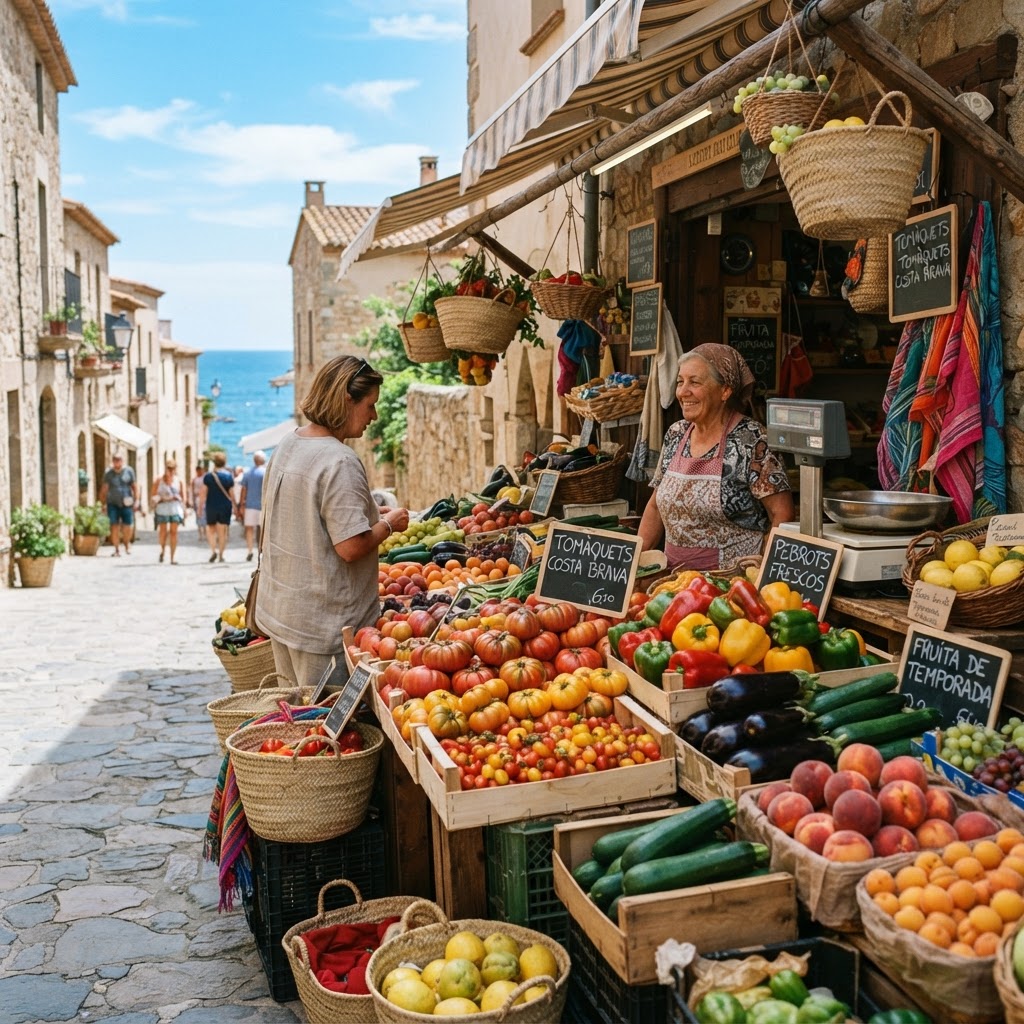
There is nothing quite like the sensory explosion of a bustling market in the sunshine. As you wander through the winding, sun-drenched streets of a coastal village, the scent of ripe peaches and briny olives fills the air. The Costa Brava, a stunning stretch of rugged coastline in Catalonia, is world-famous for its dramatic scenery and crystalline waters, but the true pulse of the region beats in its squares. Here, the local weekly market is not just a place to buy groceries; it is a social institution where community, heritage, and flavor collide.
Visiting a local market provides a window into the authentic soul of this Spanish paradise. Whether you are searching for local honey, handmade ceramics, or just the freshest ingredients for a picnic, the markets of the Costa Brava offer an unparalleled experience. In this guide, we will take you on a culinary journey through the best stalls, tastes, and traditions that make the region a foodie heaven.
Understanding the Magic of Costa Brava Markets
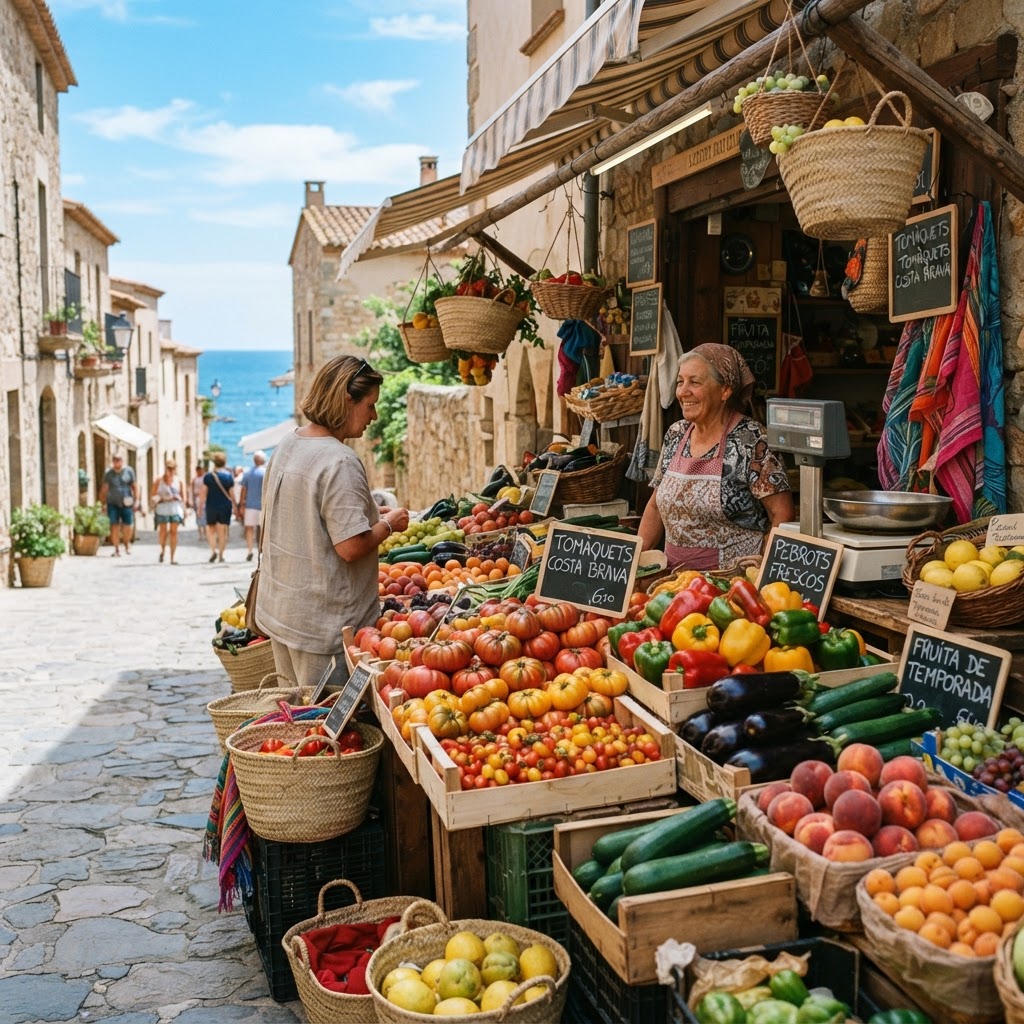
The Costa Brava is famous for its unique blend of mountain-meets-sea geography, which influences every aspect of the local diet. Travelers often wonder what food is Costa Brava known for? The answer lies in the ‘mar i muntanya’ (sea and mountain) philosophy, combining fresh seafood with robust inland produce. When you visit a Costa Brava market, you are witnessing this history firsthand.
From the bustling city of Girona to the sleepy, charming coastal villages, every town has a specific day for its market. These gatherings are the heartbeat of the region. Locals and tourists alike flock to the town square or the historic mercat building to source everything from seasonal fruit and vegetable selections to handmade baskets and traditional textiles.
Which Market on the Costa Brava is Considered the Best?
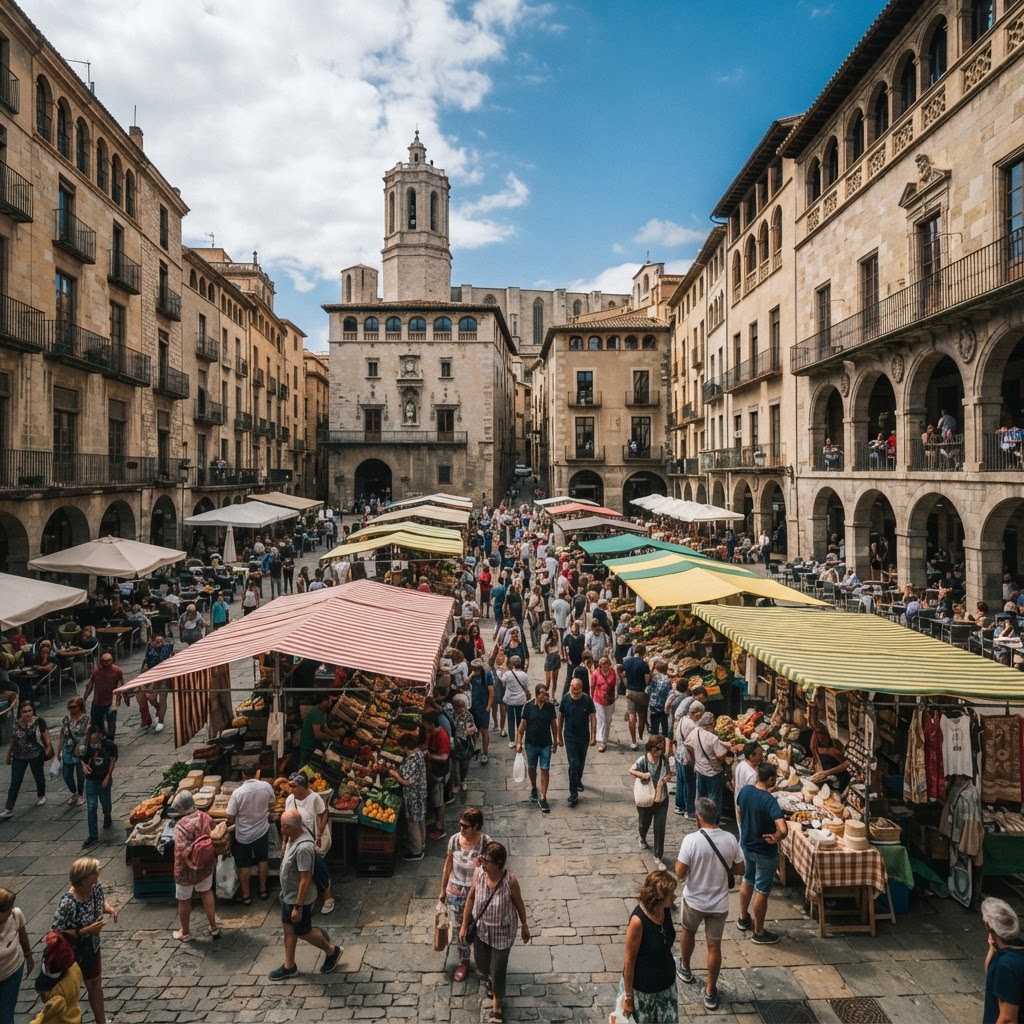
Choosing the best market is subjective, but many locals point to the weekly market in Palafrugell for its authentic atmosphere and massive selection. Located in the heart of town, it is a sprawling affair where you can find everything from antique treasures to freshly caught fish. Another top contender is the market in La Bisbal, which is particularly renowned for its artisan ceramics. If you are looking for a more urban vibe, the daily markets in Girona provide a sophisticated look at regional gastronomy in a stunning historical setting.
Every saturday, the coastal town of Sant Feliu comes alive, offering a perfect blend of beach-day vibes and market shopping. Meanwhile, if you are visiting the iconic, winding streets of Cadaqués, you will find small, intimate gatherings that feel like a local secret. There is truly no single ‘best’ market; rather, there is a perfect market for every type of traveler looking to immerse themselves in the local culture.
Navigating the Local Produce and Artisan Goods
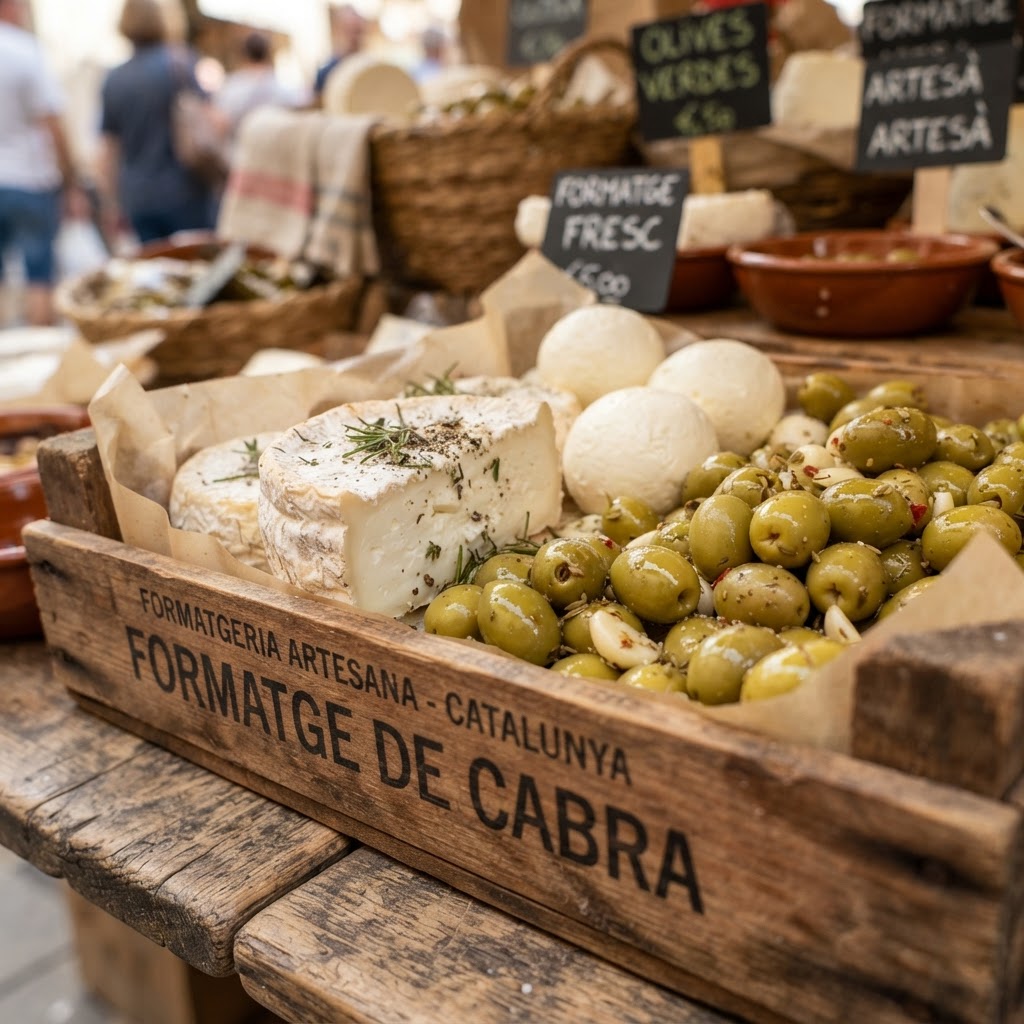
One of the primary reasons to visit a market is to taste the local produce at its peak. The quality of fruit in the Costa Brava is exceptional due to the temperate climate and fertile soil of the Empordà region. When walking through a stall, keep an eye out for seasonal delicacies like sweet tomatoes, crisp peppers, and local stone fruits that burst with sunshine-infused flavor.
Beyond produce, the artisan craft scene is thriving. Look for local honey from the nearby hills, cured sausages, and regional cheese that pairs perfectly with a crisp white wine. Buying directly from the producer ensures that your money supports the local economy, and you often get a fascinating story about how the goods were made. It is the ultimate way to appreciate the craftsmanship of the Catalan region.
Is the Costa Brava Expensive?
A common question from visitors is, is the Costa Brava expensive? Generally speaking, the region caters to a wide range of budgets. While some high-end resorts and restaurants carry a premium price tag, the local lifestyle is remarkably accessible. Markets, in particular, are one of the most budget-friendly ways to enjoy high-quality dining. By shopping at a local market, you can assemble a world-class meal for a fraction of what you would pay at a tourist-trap restaurant.
You can find affordable, fresh ingredients and enjoy a picnic on a secluded beach. Many markets offer ready-to-eat local delicacies like empanadas or olives, which serve as excellent, inexpensive snacks. By prioritizing markets over fancy dinners, you not only save money but also experience a more genuine version of the local lifestyle.
Strategic Planning: When and Where to Go
To make the most of your trip, it helps to plan your schedule around the market calendar. For instance, the market in Figueres is a must-visit if you are planning to see the Dalí Museum, offering a perfect way to balance art with local commerce. Some markets happen every tuesday, while others serve their respective towns every sunday morning, transforming the local plaça into a vibrant center of activity.
If you find yourself near the coast, look out for smaller markets like the one in Santa Cristina. These often feature fewer tourists and more locals, providing a more intimate atmosphere. It is recommended to arrive early in the morning to get the best pick of the produce, as the most popular items often sell out by noon. Check local town hall websites or ask your hotel concierge for the most up-to-date schedule for your specific area.
The Cultural Significance of the Catalan Plaça
In Catalonia, the plaça is more than just a public square; it is the living room of the town. When the weekly market sets up here, the space transforms into a social hub. You will see neighbors catching up, elderly residents debating the price of onions, and musicians playing traditional music. It is a spectacle that captures the pure Mediterranean vibes of the Costa Brava.
This tradition of gathering persists despite the pressures of modern, globalized commerce. It is a testament to the Catalan value of community. When you stand in the middle of a crowded plaça, clutching a paper bag full of fresh cherries, you are not just a customer; you are a participant in a centuries-old tradition that makes the Costa Brava a truly special destination.
A Final Word on Sustainable Travel
Traveling sustainably is increasingly important, and shopping at local markets is one of the easiest ways to reduce your environmental footprint. By purchasing locally grown food, you cut down on transport emissions associated with long-distance food logistics. Furthermore, by bringing your own reusable bags, you help keep the beautiful beaches and towns of the Costa Brava plastic-free.
Make it a habit to seek out the local markets in every town you visit. Whether you are in Figueres, La Bisbal, or a tiny village tucked away in the hills, you will find something that makes your trip more meaningful. Enjoy the vibrant colors, the distinct flavors, and the warm smiles of the vendors who keep these traditions alive.
Conclusion
From the high-energy atmosphere of a Girona market to the quiet, artisan stalls of a rural village, the markets of the Costa Brava are the true highlight of any trip to the region. By exploring these spaces, you connect with the land, the people, and the rich history of Catalonia. Whether you are an avid foodie or simply enjoy the sight of colorful, fresh produce, the Mediterranean vibes found in these markets are sure to leave a lasting impression on your journey.
Start your planning today! Research the towns you are visiting and mark the market days on your calendar. Don’t just settle for standard restaurant meals—step into the sunshine, find your local plaça, and taste the best of what the Costa Brava has to offer.
Leave a Reply