
Most of us have driven highways that feel like a chore, simple ribbons of asphalt meant only to get from point A to point B. However, there is a specific stretch of tarmac in Scandinavia that defies this logic entirely. Once you experience the engineering marvels of the Atlantic Ocean Road, the standard driving experience in your home country will feel hopelessly dull by comparison. This is not just a commute; it is a masterclass in how human infrastructure can complement, rather than conquer, the rugged wilderness of the north.
The Magic of the Atlantic Ocean Road
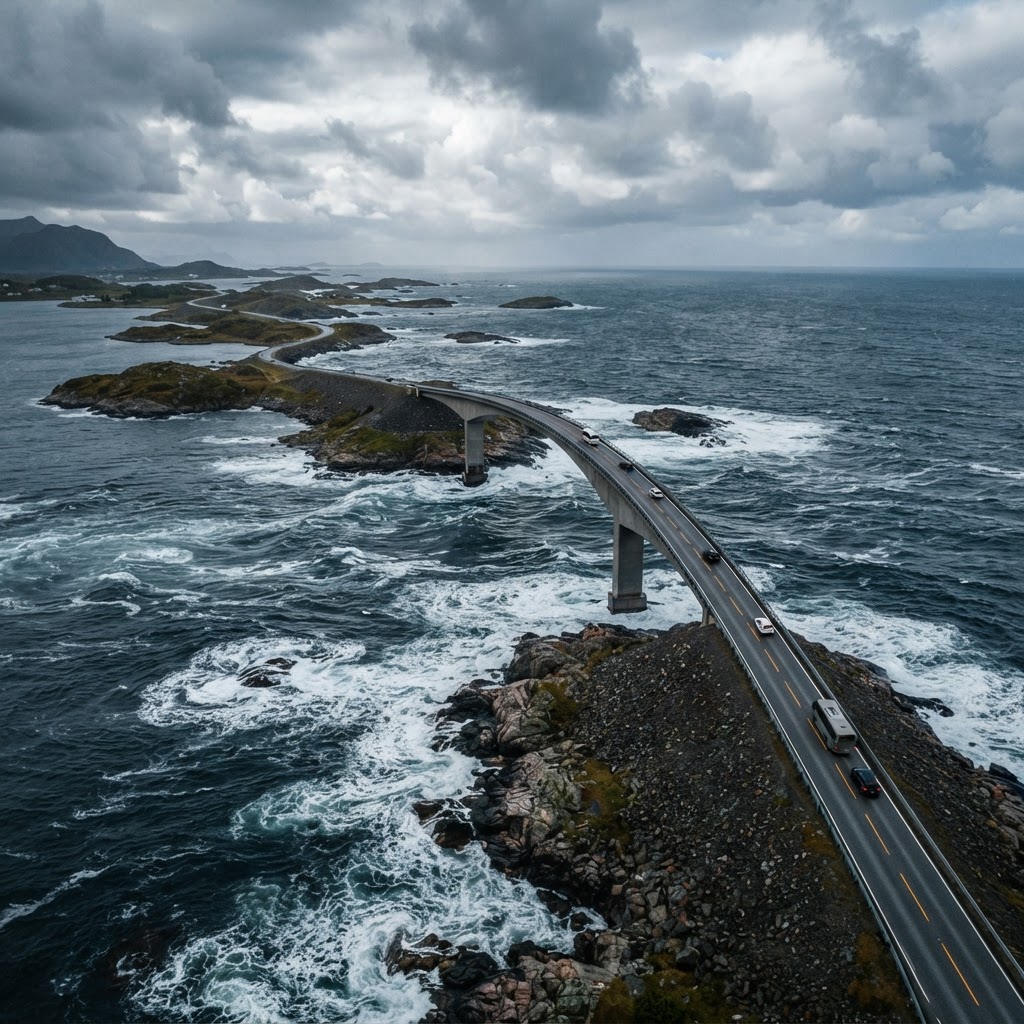
The Atlantic Ocean Road is arguably the most famous road in Norway, and for good reason. Stretching across a series of islets and skerries in the county of Møre og Romsdal, this route feels as though you are driving directly across the churning surface of the ocean. It was built to connect the mainland with the island of Averøy, and the sheer audacity of its design remains a testament to human ingenuity. As you navigate the winding path, the sea spray often hits your windshield, creating an adrenaline-fueled environment that few other roads on earth can replicate.
Why it ruins all other roads
When you drive this path, you realize that most traditional infrastructure prioritizes speed over beauty. In contrast, this path forces you to slow down and acknowledge the power of nature. When you finally return to ordinary highways, you are left craving the dramatic curves and the constant proximity to the water that defined your journey here. It is a psychological shift that makes every mundane turn on a standard highway feel empty.
Are Norwegian Roads Bad?
One common question among travelers is: Are Norwegian roads bad? The answer depends entirely on your definition of difficulty. If you are accustomed to perfectly flat, six-lane interstates, you might find the narrow lanes and steep mountain passes challenging. However, they are not ‘bad’ in the sense of quality; they are meticulously maintained and engineered to handle some of the harshest winters on the planet.
Navigating the terrain
Driving in this region requires patience and respect for the environment. You will encounter tunnels carved deep into mountains and bridges that seem to defy gravity, arching high above the waves. While these roads are safe, they demand your full attention, which is a stark departure from the autopilot-style driving most of us practice on familiar suburban roads.
The Engineering Behind the Infrastructure
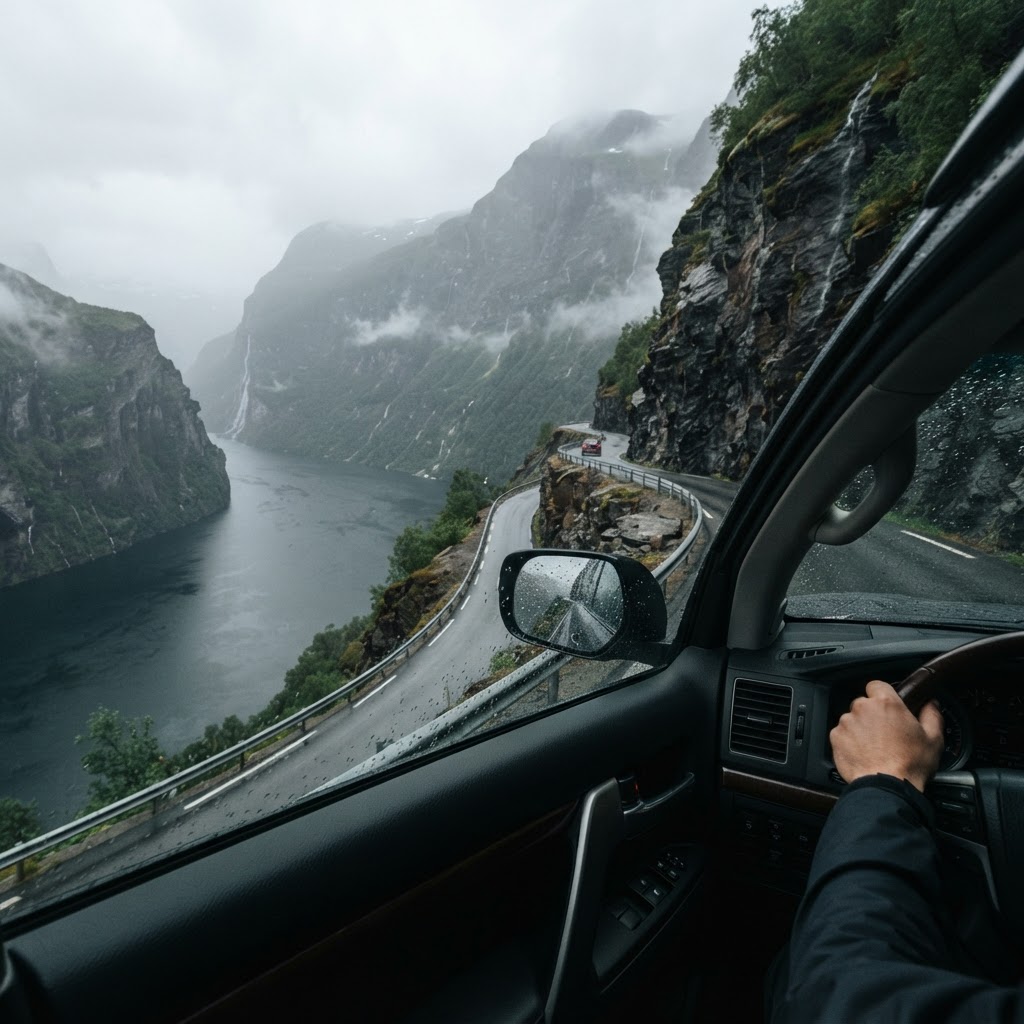
Norway has spent decades perfecting the art of building through impossible geography. The biggest issue in Norway is the fragmented landscape of deep fjords and vertical mountain walls. To overcome this, engineers have pioneered sub-sea tunnels and record-breaking infrastructure that connects isolated communities. This commitment to connectivity has turned the act of driving into a sightseeing tour of the highest order.
The bridge as art
Each bridge you cross is a carefully calculated structure designed to withstand severe storms. The Storseisundet Bridge, the most iconic segment of the Atlantic Ocean Road, creates an optical illusion that makes it look as though you are driving off the end of the world. It is this combination of functional engineering and artistic vision that makes traveling here feel so unique.
Exploring the Famous Trollstigen
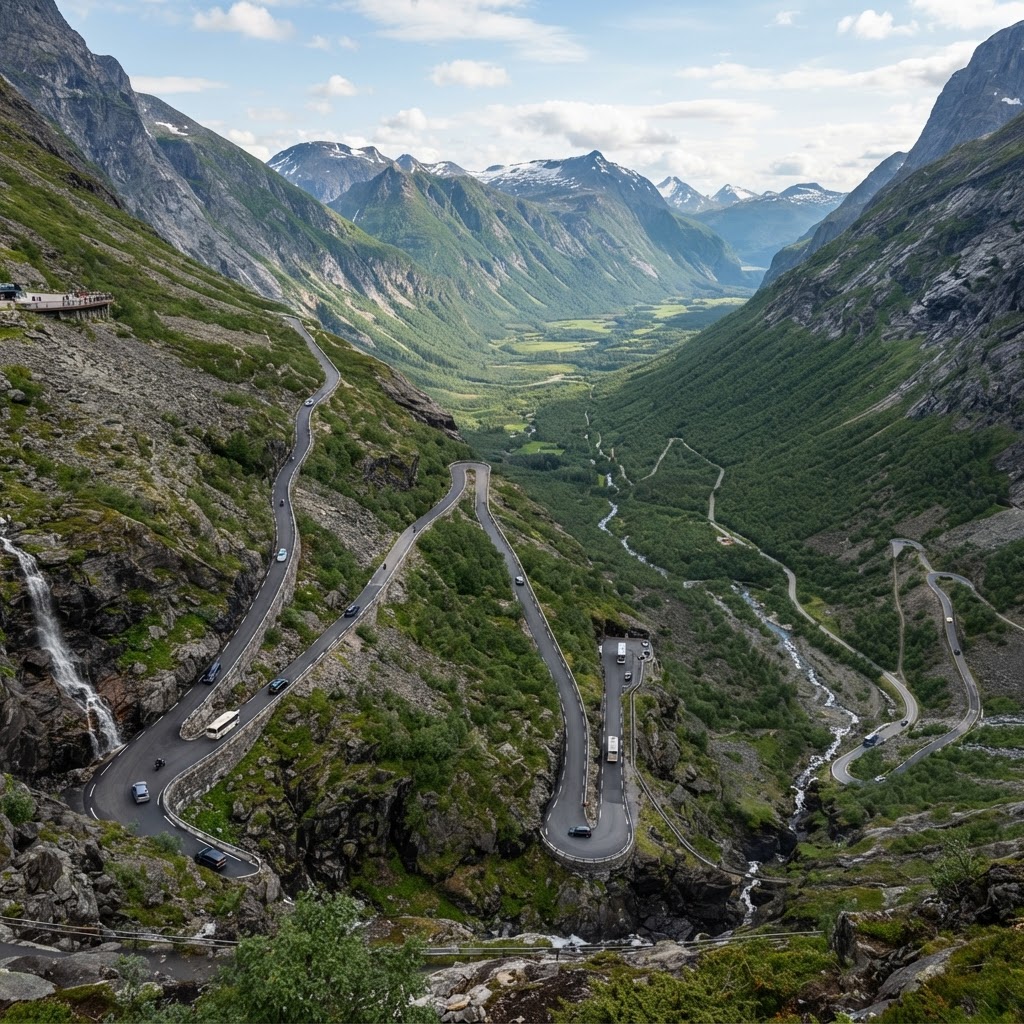
What is the famous road in Norway? While the Atlantic Ocean Road is iconic, the Trollstigen—or The Troll’s Path—often takes the top spot for thrill-seekers. This mountain pass features eleven hairpin bends that climb up a steep mountainside with a vertical drop that is both terrifying and breathtaking. It is a legendary route that tests the skills of every driver who dares to attempt it.
How long does it take to drive the Trollstigen road?
How long does it take to drive the Trollstigen road? While the climb itself is only about 10 kilometers long, you should allocate at least two hours to truly enjoy it. You will want to stop at the viewing platforms to look down over the valley. Trying to rush through this experience would be a disservice to the landscape, as the joy is found in the slow, rhythmic navigation of every single hairpin turn.
Managing Expectations for Your Trip
Planning a trip to see these roads requires careful logistics. The weather in this part of the world is notoriously fickle, and you must prepare for sudden changes in visibility and road conditions. Always check local forecasts and traffic alerts, especially if you are planning to visit during the shoulder seasons when snow or high winds can impact your travel plans.
Safety first
Never underestimate the severity of the winds along the coastal paths. While the road is a marvel, it is also exposed to the full force of the North Atlantic. Keep your speed low, respect the posted limits, and keep a safe distance from other vehicles. The goal is to finish your trip with memories of beauty, not a story about an avoidable accident.
Why We Keep Returning
There is something addictive about the landscape of the north. Once you have navigated the curves of a fjord-side path or felt the spray of the ocean on your car windows, you stop seeing your vehicle as a mere appliance. You begin to see it as a gateway to exploration. This is why people who visit once almost always plan a return trip to explore different regions of the country.
Beyond the road
Take the time to step out of your vehicle and explore the hiking trails and small fishing villages along the way. The road is merely the thread that ties these beautiful locations together. Whether you are drinking coffee in a quiet village or standing on a cliff edge looking at a distant glacier, the experience is profoundly different from any other road trip you have taken.
Conclusion
If you are tired of the same old highways and want to experience a journey that will genuinely change your perspective on travel, you must visit this part of the world. The roads in this region offer more than just transportation; they offer an immersive experience that challenges, excites, and ultimately ruins your ability to find joy in boring, flat, and uninspired pavement back home. Start planning your adventure to the north today, and prepare to have your driving standards elevated forever. Pack your bags, book your flight, and experience the majesty of the Atlantic Ocean Road for yourself.
Leave a Reply