
Stepping into the streets of Barcelona often feels like walking onto a meticulously crafted film set. With its rich history, distinct architecture, and vibrant atmosphere, the city has become a favorite for directors worldwide who want to capture the essence of Mediterranean allure. Whether it is the play of light on ancient stones or the sweeping views of the urban landscape, every corner tells a visual story.
The Cinematic Charm of the Gothic Quarter
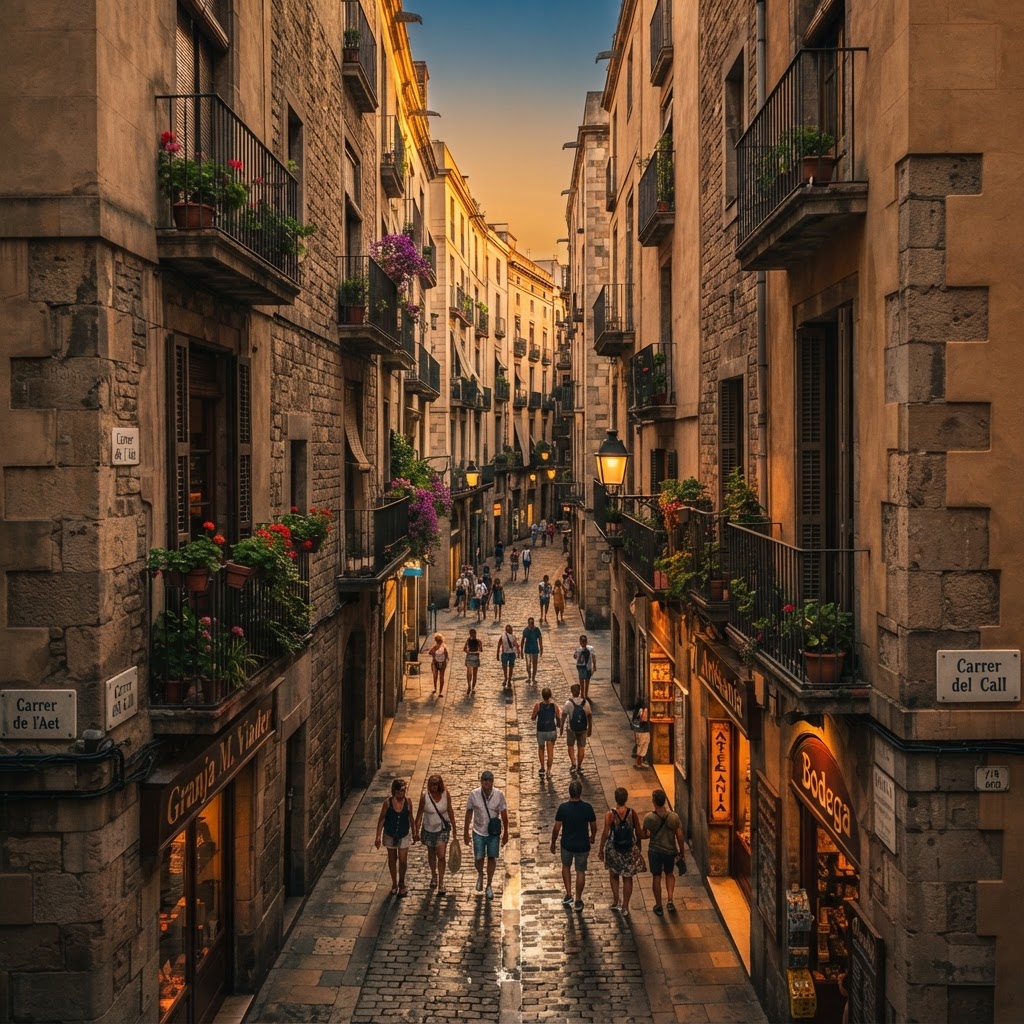
The Gothic Quarter is perhaps the most atmospheric part of the city. Its narrow, winding medieval streets create an intimate backdrop that has been featured in countless productions. Walking through these alleys, you are transported back in time, surrounded by the haunting beauty of historical structures that look ready for a period drama.
Why This Area Feels Like a Film
The way sunlight filters through the tight corridors of the Barri Gòtic creates natural shadows perfect for a thriller or a moody noir piece. The stone walls seem to hold secrets from centuries past, providing a depth of field that modern glass structures simply cannot replicate. For filmmakers, this area is a dream because it requires little set design to achieve an authentic historical look.
The Famous Streets You Need to Visit
Many travelers ask, what is the most beautiful street in Barcelona? While beauty is subjective, the Enric Granados street is frequently cited for its tree-lined paths and elegant terraces. It offers a sophisticated, Parisian-like charm that contrasts beautifully with the rugged textures of the old city center, making it a perfect spot for romantic scenes.
Exploring the Rambla
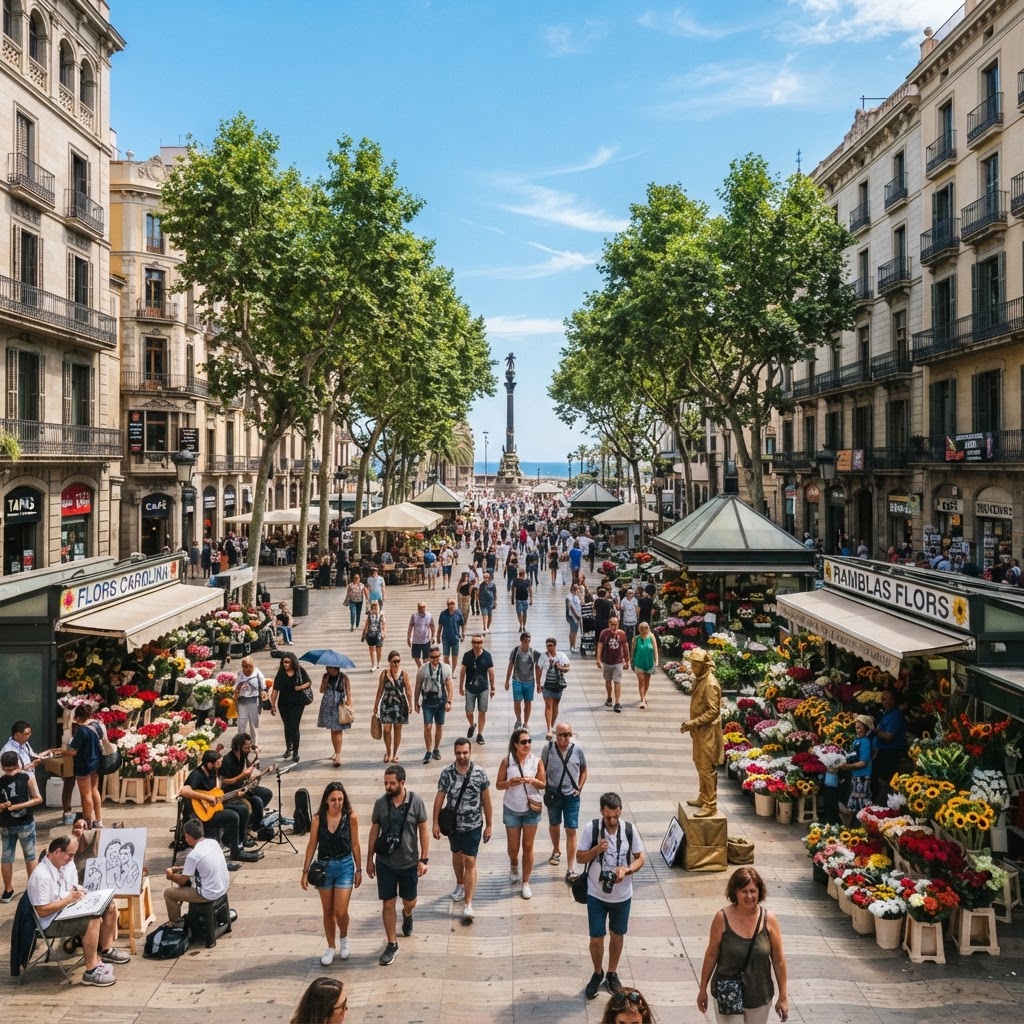
What is the famous street in Barcelona? The answer is undeniably La Rambla. This bustling promenade serves as the city’s main artery, connecting Plaça de Catalunya to the port. Why is La Rambla so famous? It acts as the heart of urban life, where street performers, tourists, and locals collide, creating a chaotic yet harmonious energy that is quintessentially Barcelona.
Iconic Movie Moments in the City
If you are a cinema buff, you might wonder what famous movies were filmed in Barcelona. The city has hosted international giants, including Vicky Cristina Barcelona, where the landscape acts as a primary character. Other films like Perfume: The Story of a Murderer utilized the city’s dark, gritty medieval corners to perfection, turning the streets into a character of their own.
The Impact of Architecture
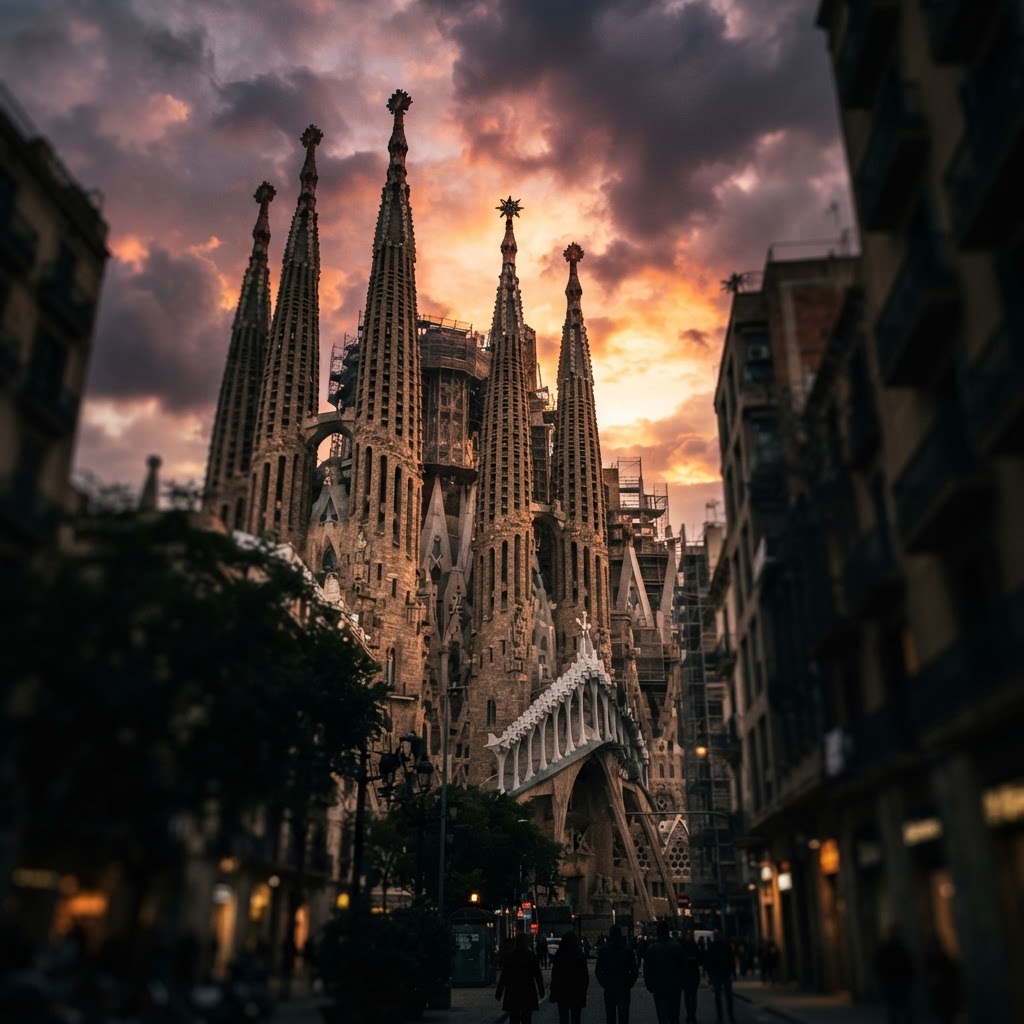
The unique Catalan modernism that dominates the city skyline ensures that every frame feels like art. Even away from the tourist traps, the residential streets of Eixample provide a clean, symmetrical aesthetic that looks flawless on camera. Of course, the towering Sagrada Familia adds a dramatic flair to any skyline shot, serving as a reminder of the city’s spiritual and artistic ambition.
Hidden Gems for Aspiring Filmmakers
Beyond the well-known tourist spots, there are hidden gems that offer a different aesthetic. Areas like Gràcia feel like a small town within the city, with low-rise buildings, quiet squares, and a local community vibe that is perfect for slice-of-life storytelling. These spots feel authentic and unpretentious, allowing a film to capture the true heartbeat of the people who call this place home.
Capturing the Light
Cinematographers often praise the quality of light in Spain. In Barcelona, the coastal positioning means the light is golden and soft during the late afternoon, known as the golden hour. This makes the city streets look particularly cinematic, adding a warm glow to the stone facades and colorful balconies that decorate the residential districts.
Navigating the City Like a Local
To see the city through a filmmaker’s eyes, you must move beyond the guidebooks. Start your journey early in the morning when the streets are empty. There is a profound stillness in the Gothic district before the crowds arrive, which is when the architecture truly speaks for itself. It feels like the pause before a director shouts ‘Action!’
Tips for Your Own Cinematic Tour
Bring your camera, but focus on the details. Look for the ornate ironwork, the peeling paint on old shutters, and the vibrant mosaics found on local buildings. These small elements are what make a location look ‘expensive’ and ‘cinematic’ on screen. Do not just look at the famous monuments; look at the way light hits the pavement and how people move through the urban landscape.
Why Barcelona Remains a Top Destination
Barcelona is not just a city; it is a canvas for creators. The blend of sea and mountain, old and new, makes it an endlessly fascinating subject. Whether you are walking down the grand avenues or getting lost in the labyrinthine passages of the old center, the city constantly reinvents itself for the observer. It is this duality—the refined architecture and the raw, gritty history—that keeps bringing production crews back to Catalonia.
Conclusion
From the bustling energy of La Rambla to the silent, stone-walled corners of the Gothic Quarter, Barcelona is a city that naturally looks like a movie set. Every street corner offers a new perspective, a new color palette, and a new story waiting to be told. Whether you are a fan of cinema or just a traveler looking for beauty, walking these streets will leave you feeling like the protagonist in your own film. Have you visited any of these locations? Share your favorite cinematic spots in the comments below!
Mastering the Cinematic Golden Hour
Lighting is everything in filmmaking and photography. Barcelona offers a specific Mediterranean glow that changes drastically throughout the day. Plan your shoots in the Barri Gòtic between 8:00 AM and 10:00 AM. The sun hits the narrow alleys at low angles, casting dramatic shadows against the 14th-century stone. This avoids the harsh, vertical light that flattens textures at high noon.
For those looking for a moody aesthetic, head to the narrow passages behind the Barcelona Cathedral. These spots stay in soft shade for most of the afternoon. If you want bright, vibrant colors, visit the Eixample neighborhood during the ‘Golden Hour’ just before sunset. The soft orange light hits the ornate modernist facades, making them look like a painted backdrop from a Wes Anderson film.
Neighborhood Breakdown: Which Aesthetic Fits Your Project?
Not every street in Barcelona offers the same vibe. Choosing the wrong area can ruin your desired visual narrative. Use this breakdown to match your aesthetic goals to the right district.
The Grit and History: El Born
El Born feels more raw and lived-in than the nearby Gothic Quarter. It features hanging laundry, weathered wooden shutters, and narrow lanes that feel slightly more cramped. It is perfect for period pieces set in the 18th or 19th centuries. Spend at least half a day here to find the authentic hidden corners away from the main tourist drag of Passeig del Born.
The Polished Grandeur: Eixample
Eixample is the antithesis of the dark, medieval center. Here, you find wide, grid-like streets designed by Ildefons Cerdà. The architecture is uniform, clean, and symmetrical. It is the best place to film if you need a high-end, sophisticated urban look. Use the rooftop terraces in this district to capture sweeping shots of the city without the clutter of cramped alleyways.
Common Mistakes to Avoid While Exploring
Many visitors waste time trying to film or photograph the most famous spots at midday. You will be fighting crowds of tourists in every frame. Instead, prioritize waking up at dawn to have the streets to yourself. The atmosphere is quiet, the light is soft, and the local shops are just beginning to open their shutters.
Another common mistake is staying only in the city center. While the Gothic Quarter is iconic, it is also highly polished for visitors. If you want something more authentic, visit the Poble-sec neighborhood. It offers a slightly grittier, working-class charm that filmmakers often ignore. It provides a more grounded look at modern Barcelona life.
Practical Logistics for Your Cinematic Tour
If you are planning to spend a few days capturing the city, budget appropriately. Most public streets are free, but do not block sidewalks or private entrances. Barcelona police are strict about filming equipment. If you use a tripod, keep it compact and do not block pedestrian flow. If you have a professional crew, you need a municipal permit, which can take weeks to process.
Stay for at least four days to truly grasp the visual variety. One day for the medieval core, one for the modernist expansion, and two for local neighborhoods like Gràcia or Poblenou. For the best weather and light, aim for late May or late September. The summer heat creates a hazy light that can ruin sharp architectural shots.
Your Barcelona Cinematic Checklist
- Bring a polarizing filter to cut the glare off stone walls and glass.
- Pack a wide-angle lens for the narrow alleys of the Old City.
- Wear comfortable, flat shoes; you will likely walk over 10 miles daily.
- Carry a portable power bank, as navigation apps drain batteries quickly.
- Check the local municipal website for street festival dates, which can turn quiet streets into crowded party zones.
Frequently Asked Questions
Can I film inside the famous modernist buildings?
Most interiors of Casa Batlló or Casa Milà require specific commercial permits and significant fees. You cannot simply walk in with a professional camera setup and start shooting. If you are just a tourist with a phone, most venues are fine with that, but check their individual social media policies before arrival.
Is it better to hire a guide to find these spots?
If your goal is to find obscure architectural details or quiet locations, hire a local photographer as a guide. They know the exact timing of the light and the locations that tourists often overlook. Expect to pay between 50 and 80 euros per hour for a professional guide who specializes in visual storytelling.
What is the most overrated spot for filming?
La Rambla is widely considered the most overrated location. While it is famous, it is almost impossible to get a clear, cinematic shot due to the constant sea of people. Unless you need a scene of extreme urban chaos, you are better off skipping it for your creative projects.
Leave a Reply